Oude man met tulband — History & Analysis
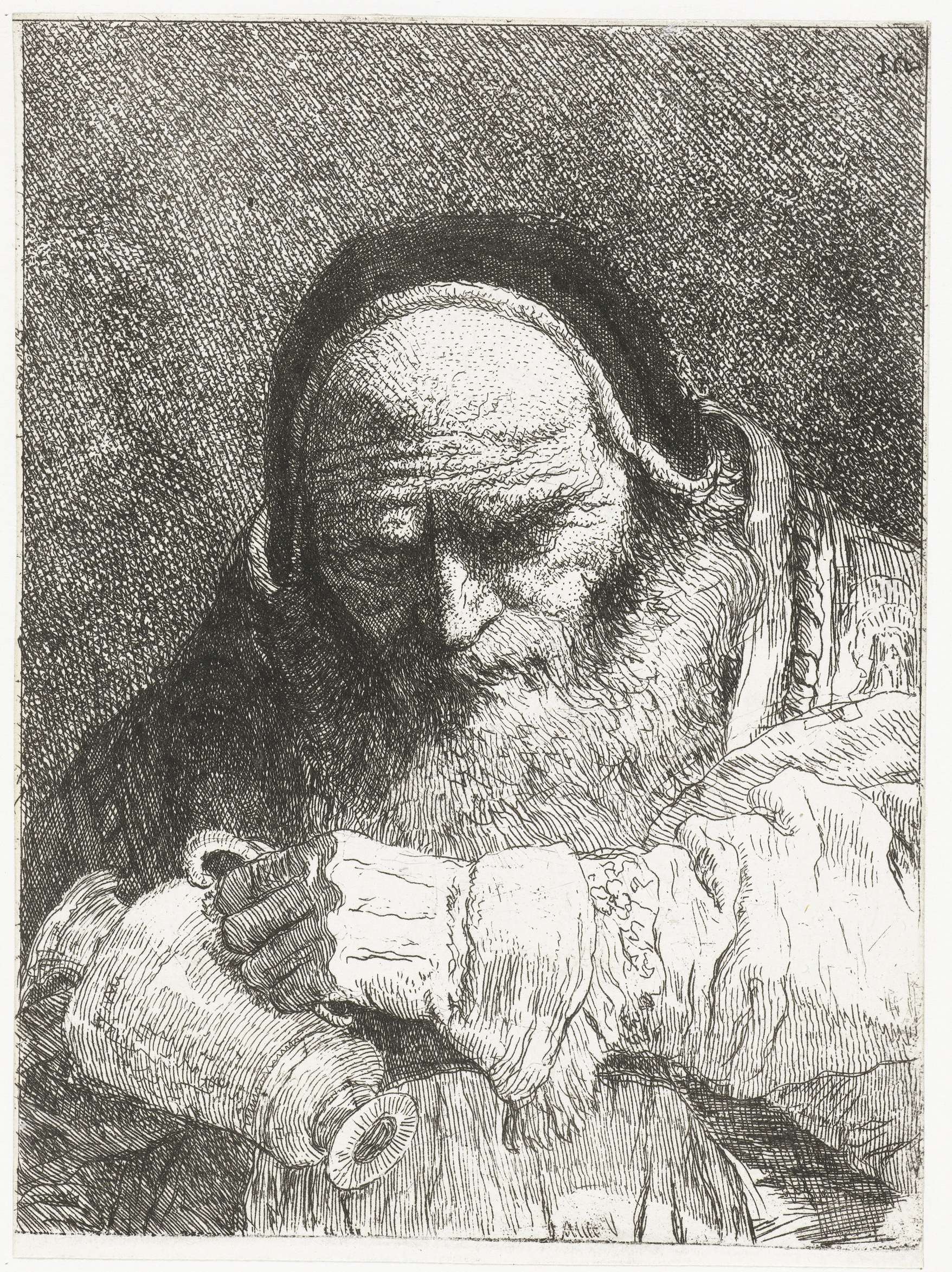
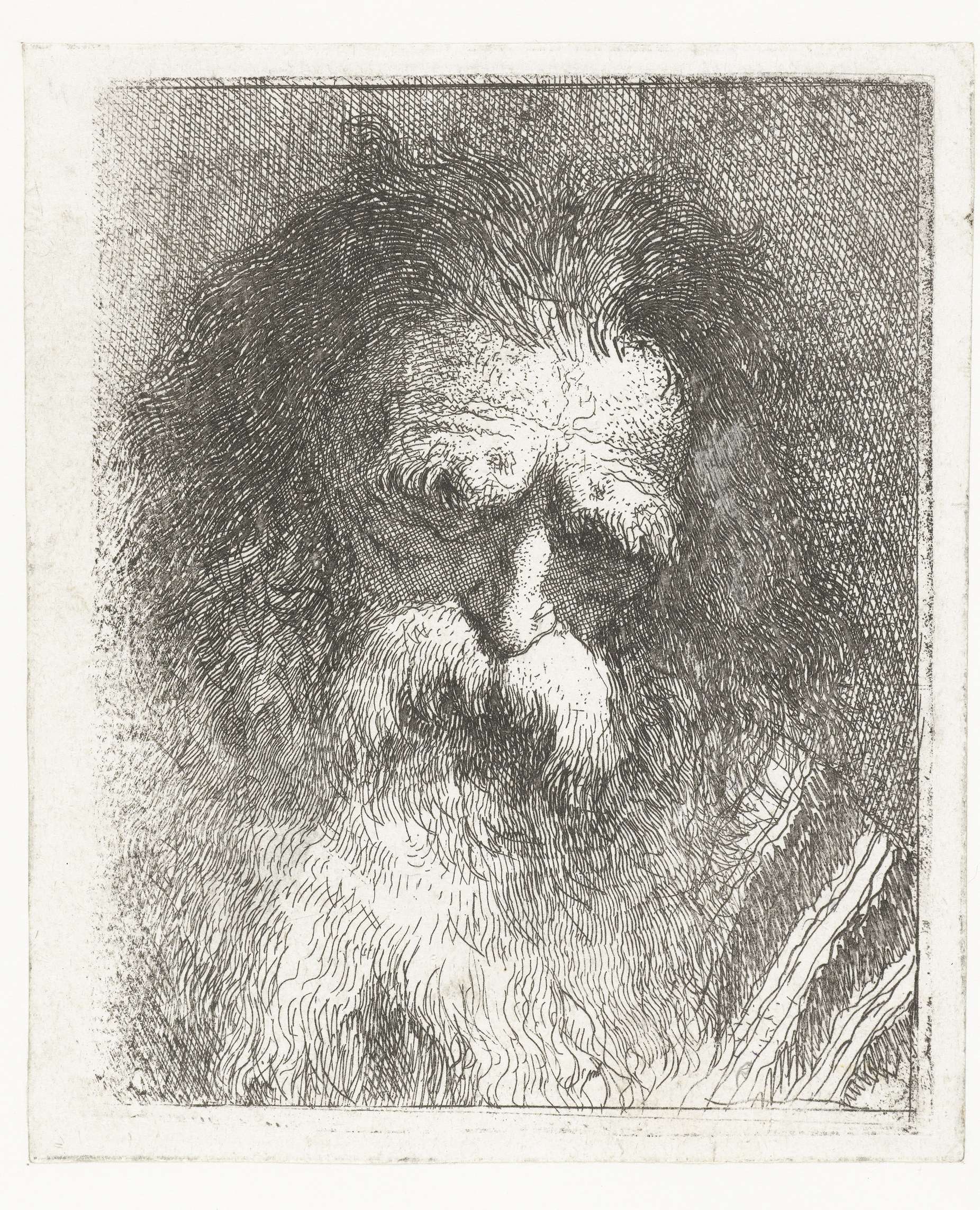
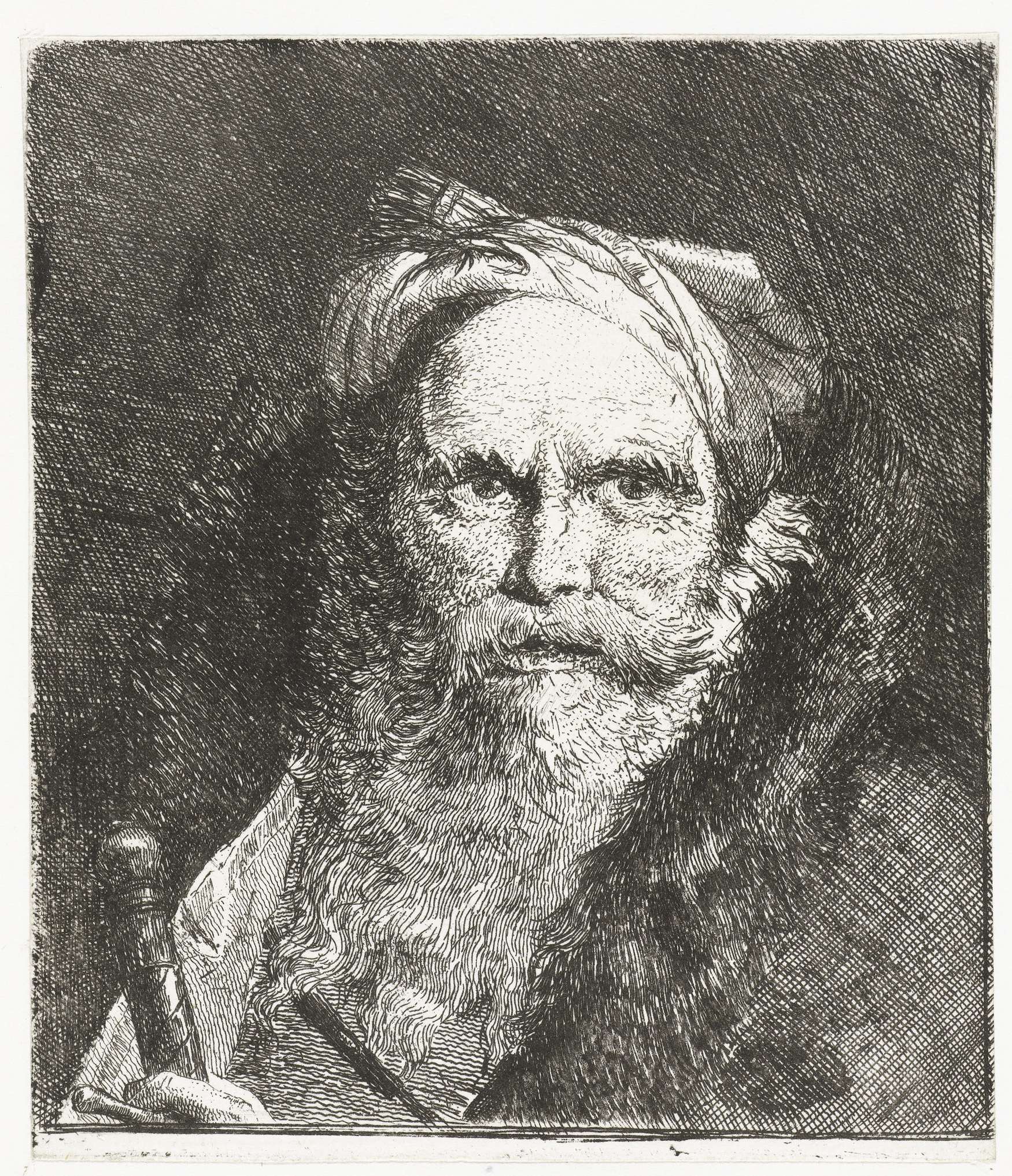
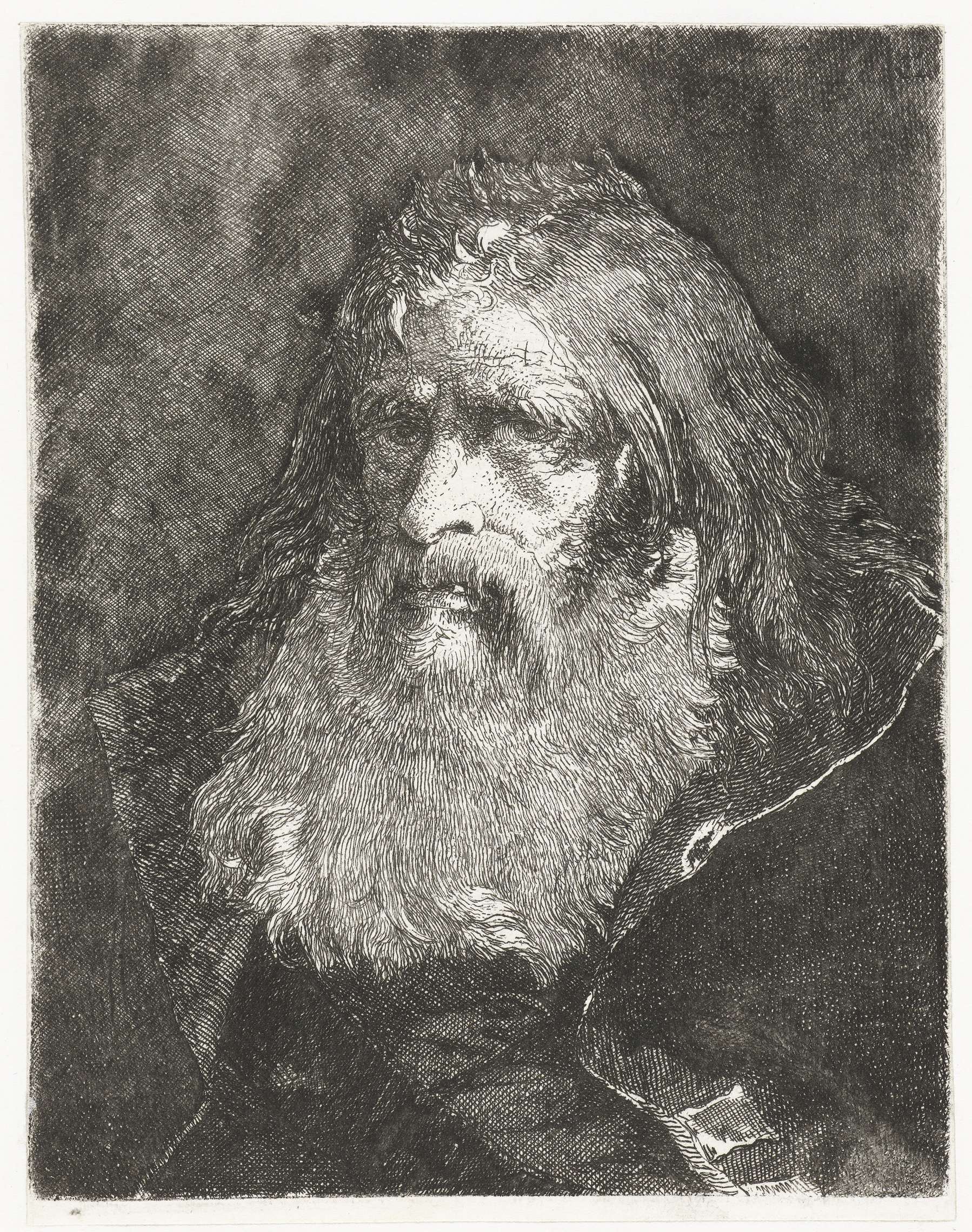
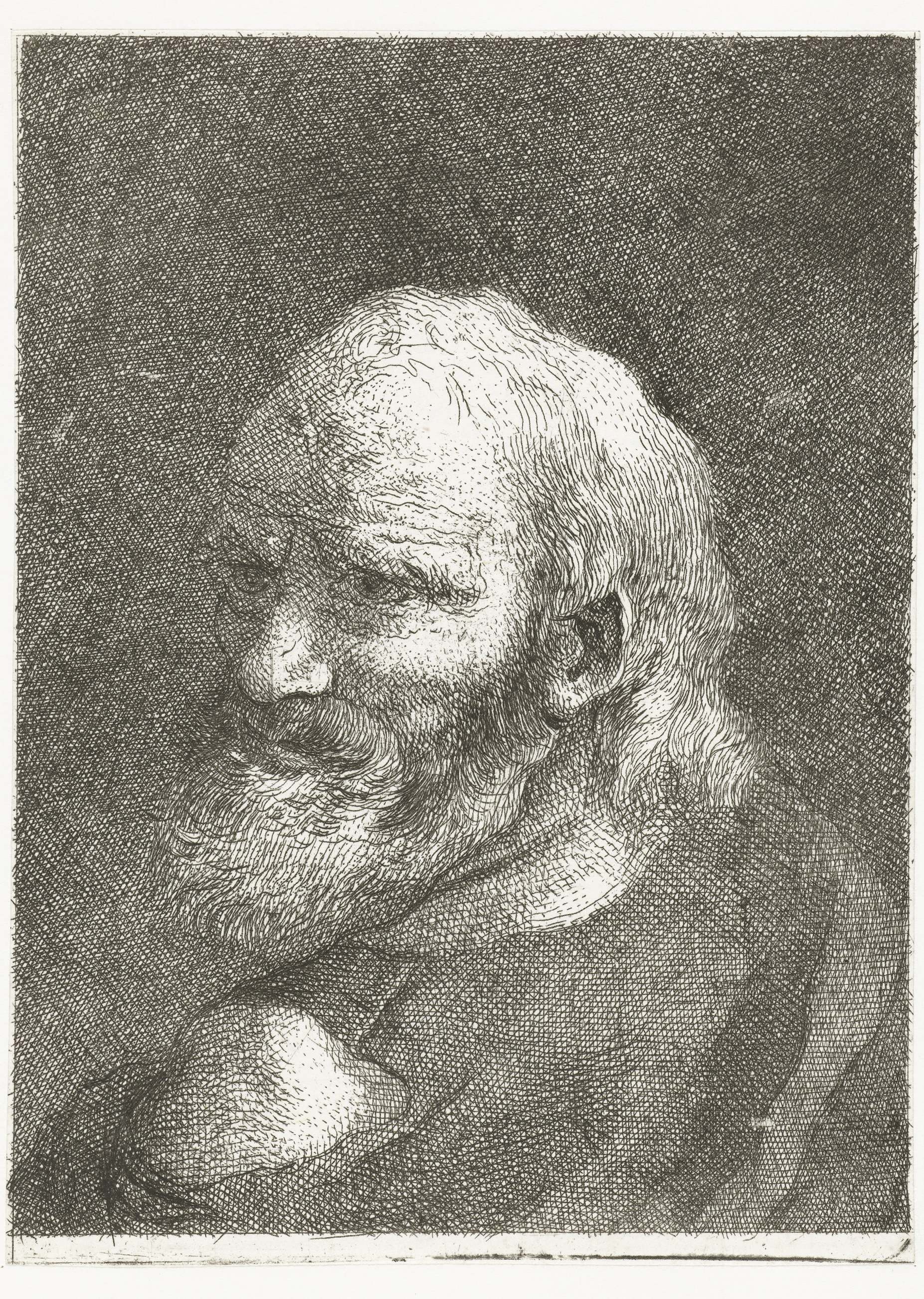
Where does light end, and longing begin? In Oude man met tulband, the boundary between silence and yearning seems to blur, inviting us into a world of profound introspection. Focus first on the figure's gaze, which draws you in — a weathered face framed by the softly cascading folds of a tulband. Notice how the warm light caresses the contours of his skin, revealing the intricate details of age and experience.
The muted palette enhances the sense of solitude, while the delicate brushwork creates a textured surface that invites touch, hinting at the life that once thrived within this man. As you delve deeper, consider the contrasts present in his expression — a blend of wisdom and melancholy. The light illuminates his features, suggesting moments of clarity amidst the shadows of memory. The tulband, rich in cultural significance, evokes the weight of tradition and identity, yet its gentle draping also symbolizes the fragility of human existence.
This duality between strength and vulnerability forms the heart of the piece, leaving a lingering sense of emptiness that resonates within the viewer. Created in 1774, this work emerged during a time of transition for its creator, who was navigating the complexities of both personal life and broader artistic movements. Based in Venice, he was influenced by both the Baroque and Rococo styles, synthesizing these elements into a unique vision. The period was marked by upheaval and change, reflecting the tension between the past and an uncertain future, all of which infused his work with a deeper resonance that still speaks to us today.