Paesaggio Con Satiro E Ninfa — History & Analysis
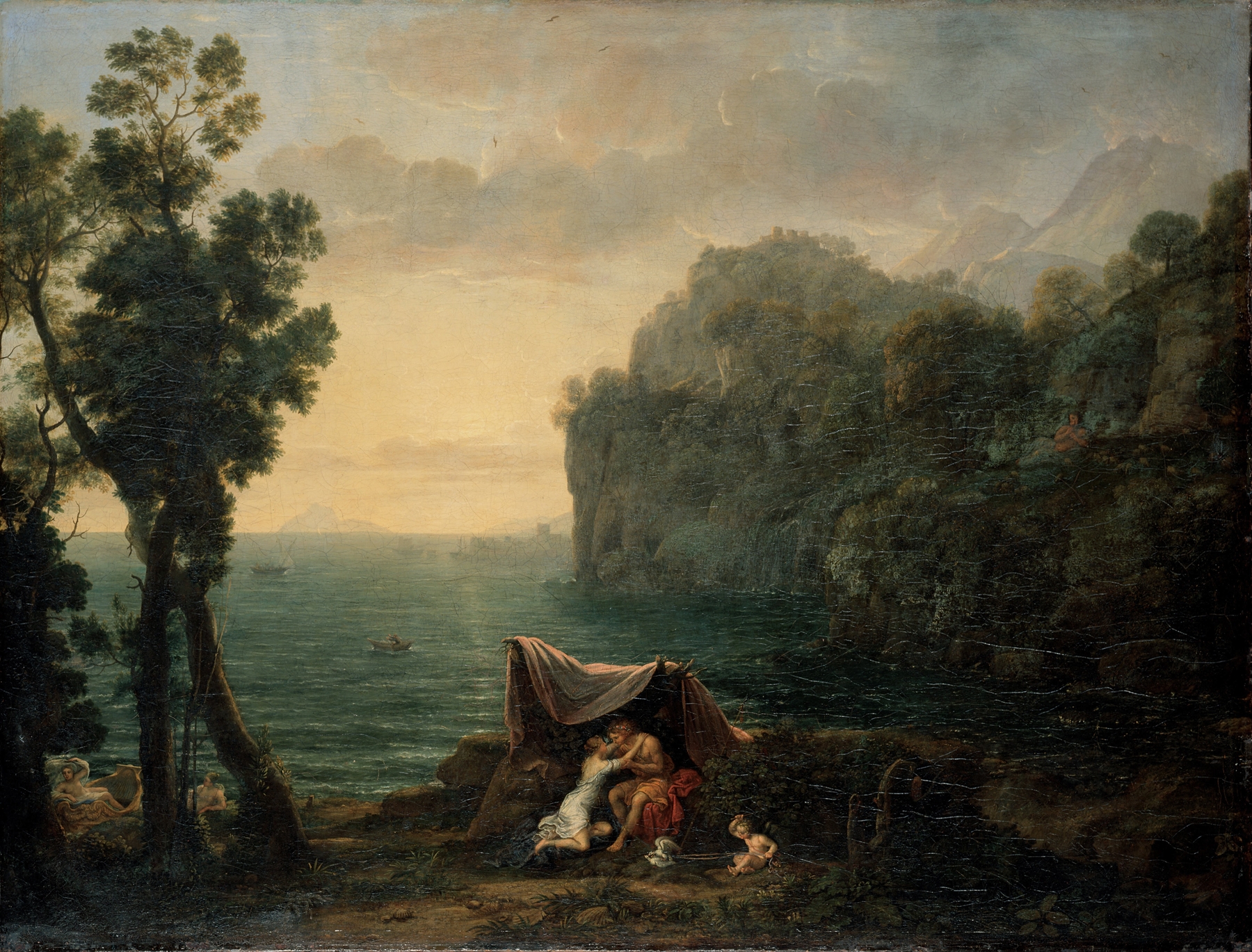
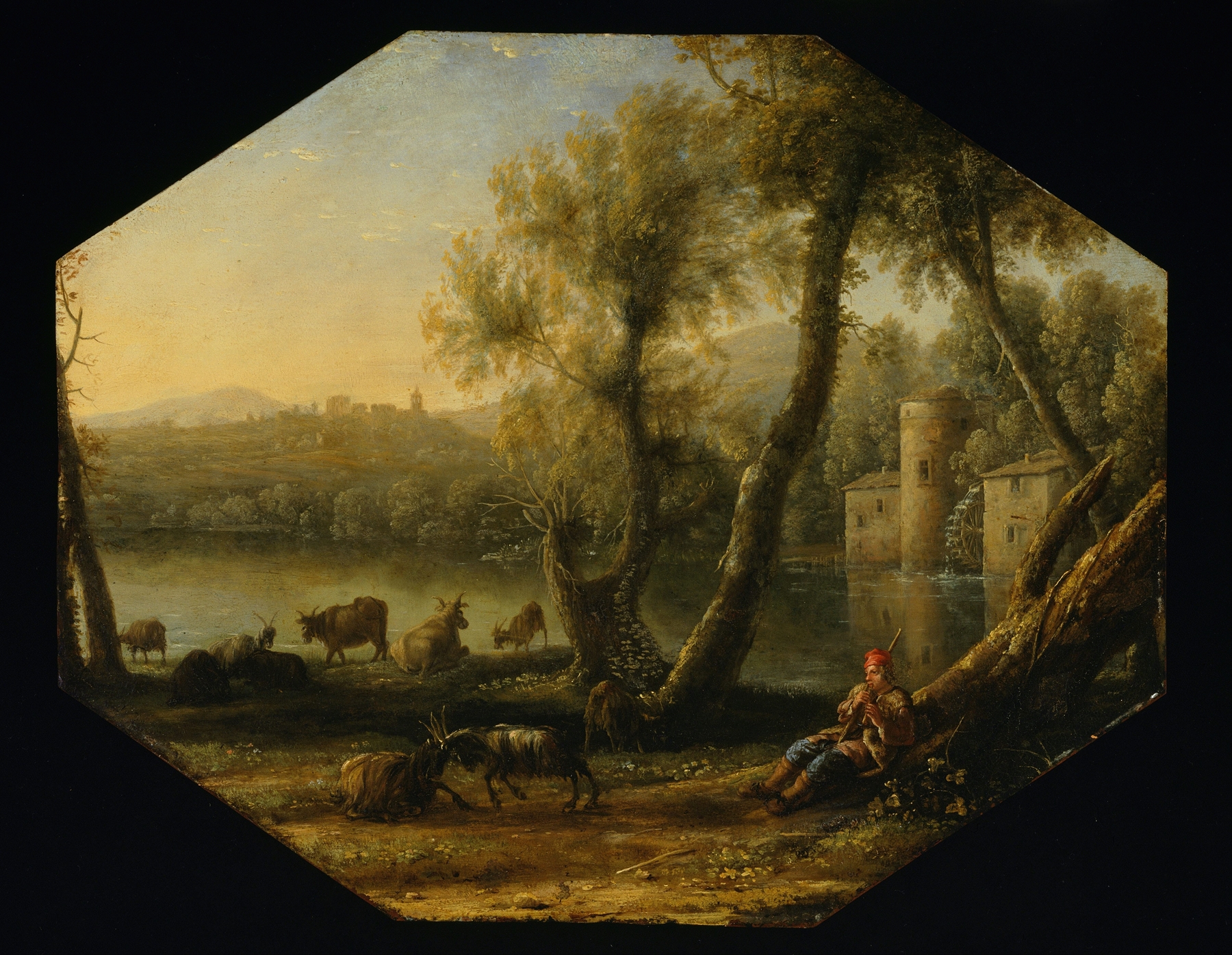
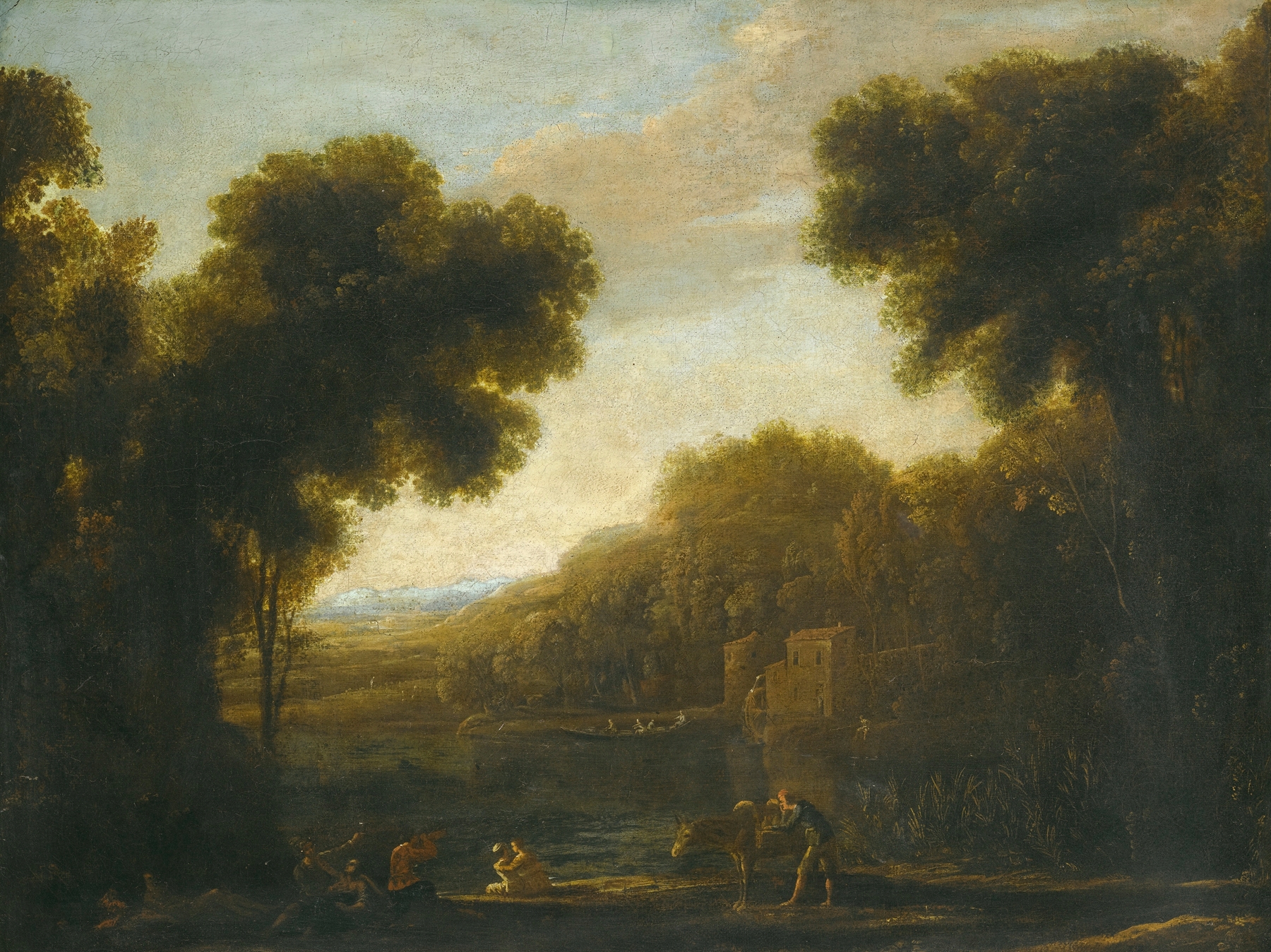
“Every brushstroke is a heartbeat remembered.” In the quiet embrace of an ancient world, the echoes of lost lovers linger in the air, suffused with a profound melancholy that whispers through the trees and dances on the water’s surface. Begin your journey by looking to the center of the composition, where a serene mythological tableau unfolds. A satyr, entwined with a nymph, stands beneath the soft, dappled light filtering through the foliage. Notice the way Lorrain captures the warm glow of the setting sun, saturating the landscape with golden hues that blend seamlessly into cool greens and earthy browns.
The delicate interplay of light and shadow breathes life into each figure, inviting the viewer to linger and contemplate the moment suspended in time. As you delve deeper, consider the emotional tension at play. The satyr's playful posture contrasts starkly with the nymph’s serene demeanor, hinting at themes of desire, innocence, and the ephemeral nature of love. Each detail— from the gentle ripples in the water to the soft texture of the leaves—serves as a reminder of life’s fleeting beauty.
This landscape transcends mere scenery, transforming into a poignant reflection on the passage of time and the bittersweet nature of existence. During the time this work was painted, Claude Lorrain was at the peak of his artistic prowess in the early 17th century, working in Rome. The Baroque period was marked by a renewed interest in classical themes and the integration of nature with myth, which Lorrain masterfully explored. His landscapes not only established his reputation but also influenced countless artists who sought to capture the beauty and complexity of the natural world.