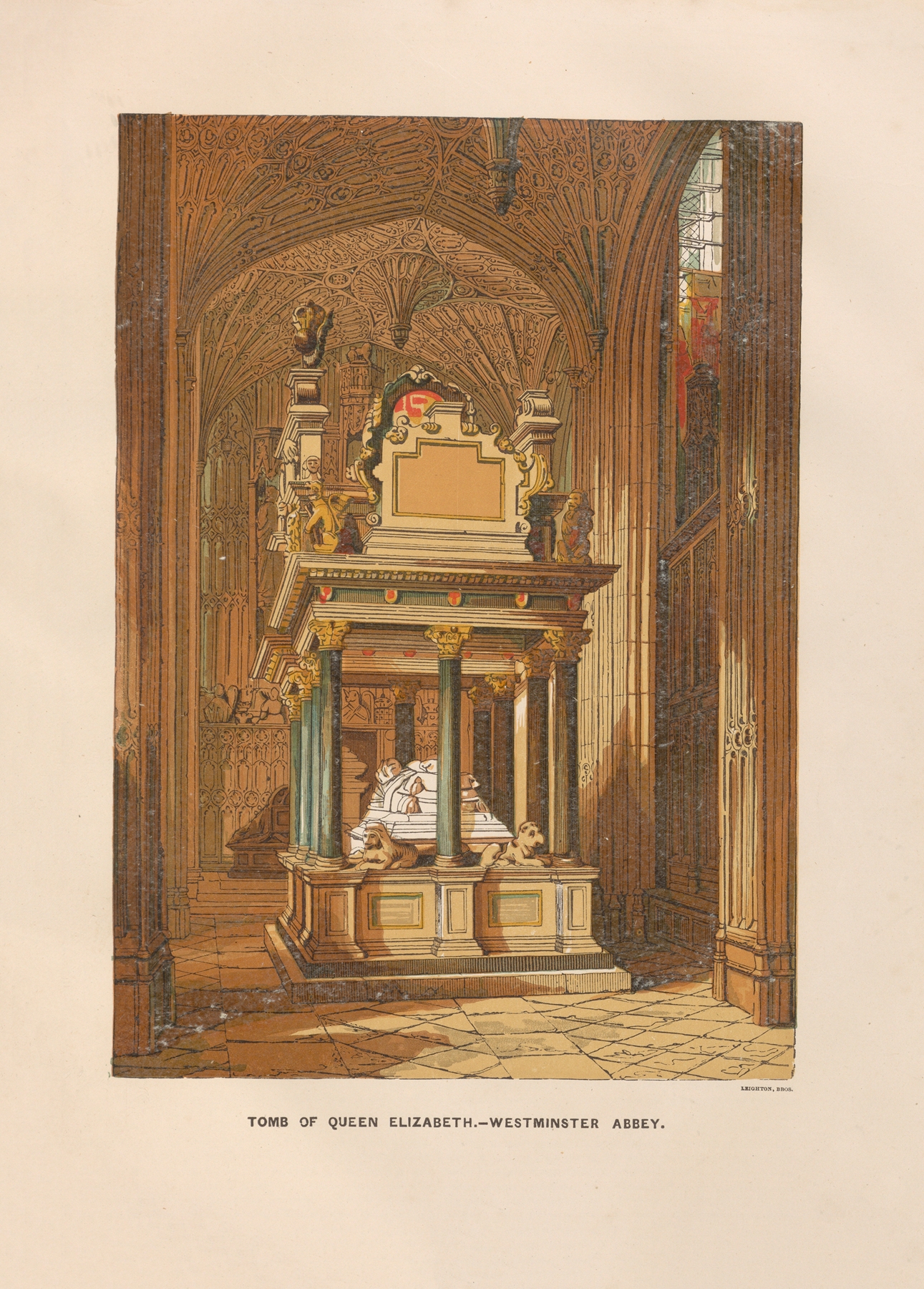
Painted Screen in St. George’s Chapel, Windsor — History & Analysis
“Under the brush, chaos becomes grace.” In a world teetering on the edge of decay, the act of creation offers a fleeting refuge from mortality. Look closely at the intricate panels of Painted Screen in St. George’s Chapel, Windsor. Notice how the vibrant hues of blue and gold dance across the surface, while soft shadows whisper of depth and dimension. Your gaze is drawn to the delicate floral motifs that frame the figures, encapsulating moments of stillness amid the sacred space.
The interplay of light and shadow casts an ethereal glow, evoking a sense of reverence, as if the very air is charged with history and memory. Beneath the surface lies a poignant tension between life and death. The screen serves as a boundary, both protecting and separating the living from the eternal. Each painted figure seems to gaze out into the viewer's realm, prompting reflection on the fleeting nature of existence. The juxtaposition of the ornate decorations with the somber undertones of mortality invites contemplation about the legacies we leave behind and the beauty that can arise amid impermanence.
In 1864, Charles Knight was engaged in a revival of interest in medieval art forms, reflecting a broader trend in England towards embracing its historical heritage. Creating this piece in such a storied location as St. George’s Chapel, he sought to blend the contemporary with the timeless, ensuring that the vibrancy of life could echo indefinitely within its hallowed walls. This work stands as a testament to Knight's dedication to craftsmanship and his desire to weave beauty into the fabric of memory.