Piazza di Spagna, Rome — History & Analysis
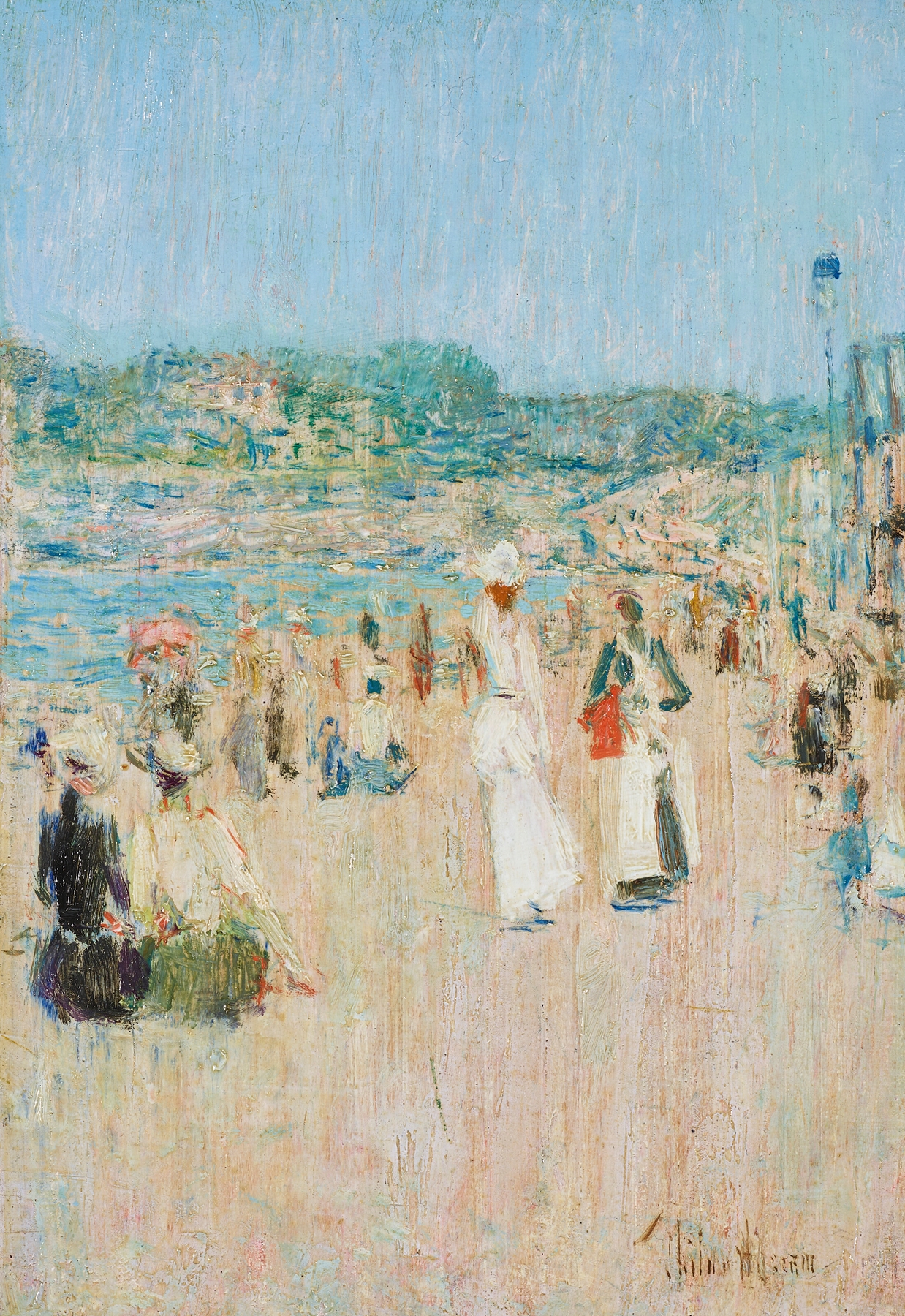
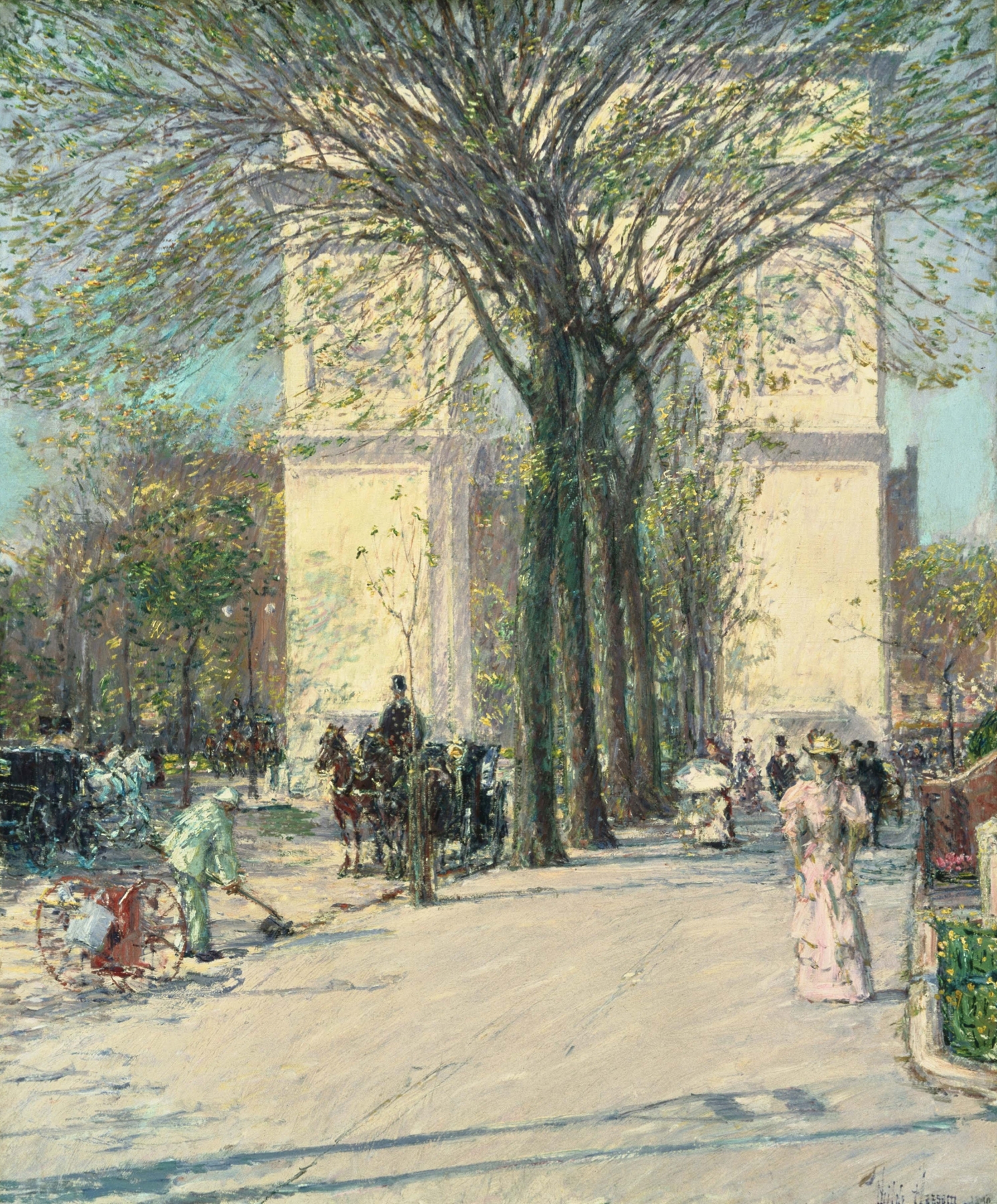
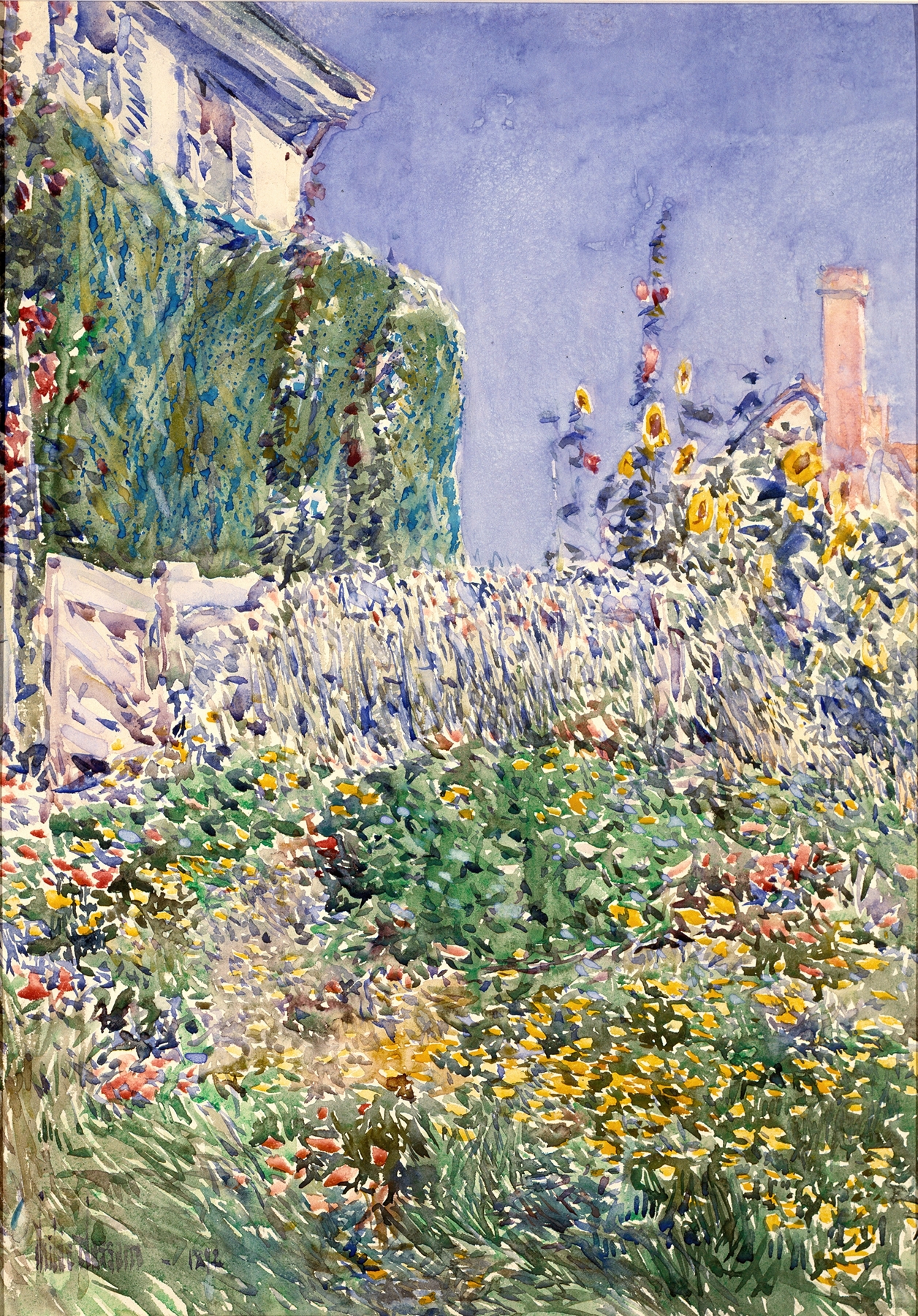
“Under the brush, chaos becomes grace.” The stark contrast between the bustling life of the city and the serene beauty of art reveals deep truths about our existence. Look to the foreground, where the vivid hues of flowers create a vibrant tapestry, enticing the viewer's eye. The artist's deft brushwork captures the patterns of movement and light, weaving a narrative that reflects the lively atmosphere of Piazza di Spagna. Notice how the warm yellows and reds dance alongside cool blues, each color carefully chosen to evoke both cheerfulness and tranquility, inviting you into a world where chaos and calm coexist.
Delve deeper into the scene, and you'll uncover the emotional interplay between the figures and the architecture. The people, seemingly lost in their own thoughts, appear both part of the scene and set apart by their individual stories, hinting at the anonymity of urban life. The shadows play tricks with perception, hinting that while the city is filled with activity, moments of introspection reveal layers of solitude. Each brushstroke seems to whisper revelations of connection and isolation, encapsulating the complexity of human experiences within the urban landscape.
In 1897, Childe Hassam, an American Impressionist painter, found inspiration in the heart of Rome during a period of artistic evolution. This was a time when European influences were reshaping American art, encouraging a dialogue between traditional techniques and modern perspectives. As he painted Piazza di Spagna, Hassam was exploring new themes of light and color, expanding his own boundaries as he navigated this bustling hub of culture and history.