Péniche Au Bord De La Seine — History & Analysis
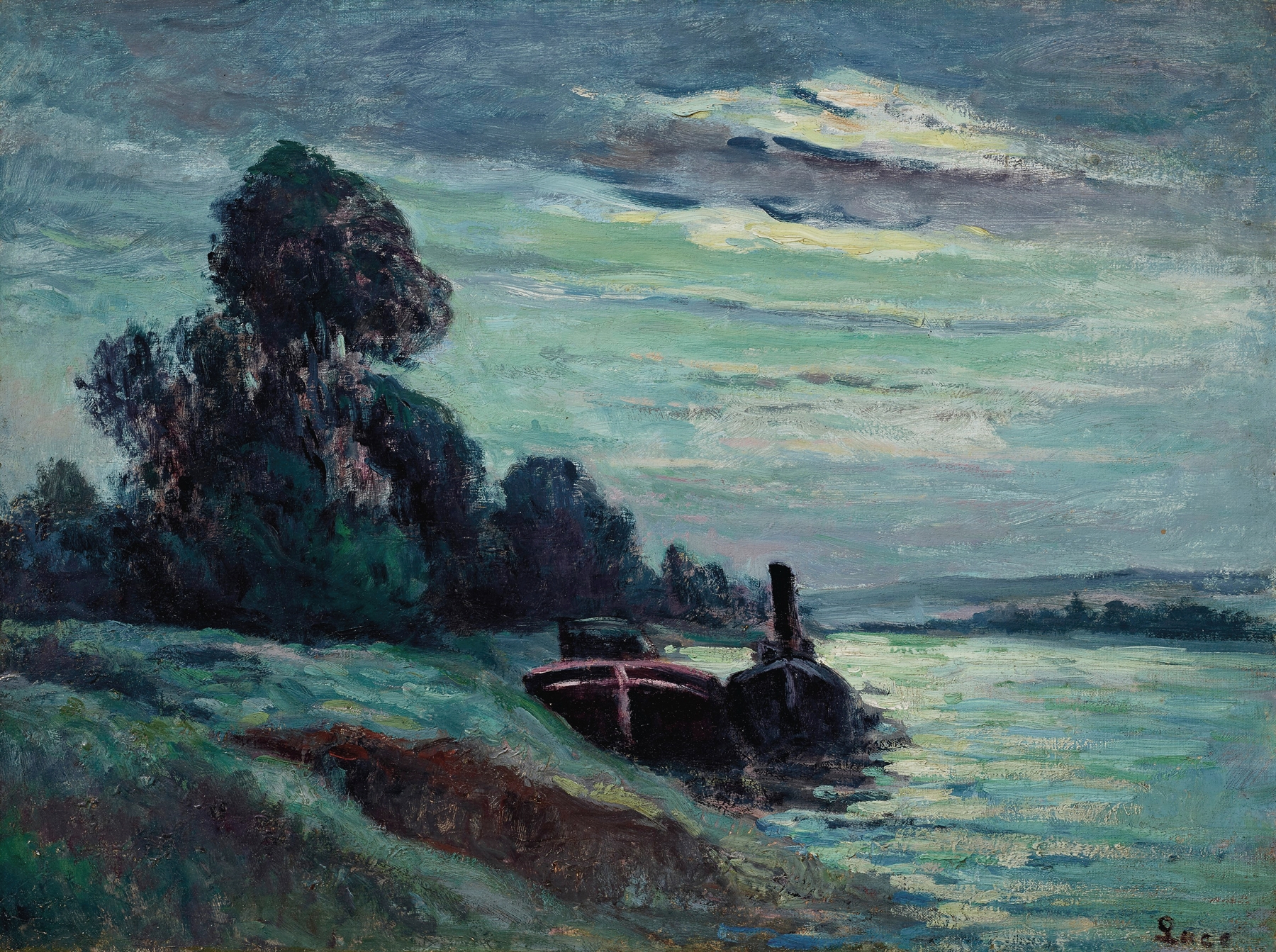
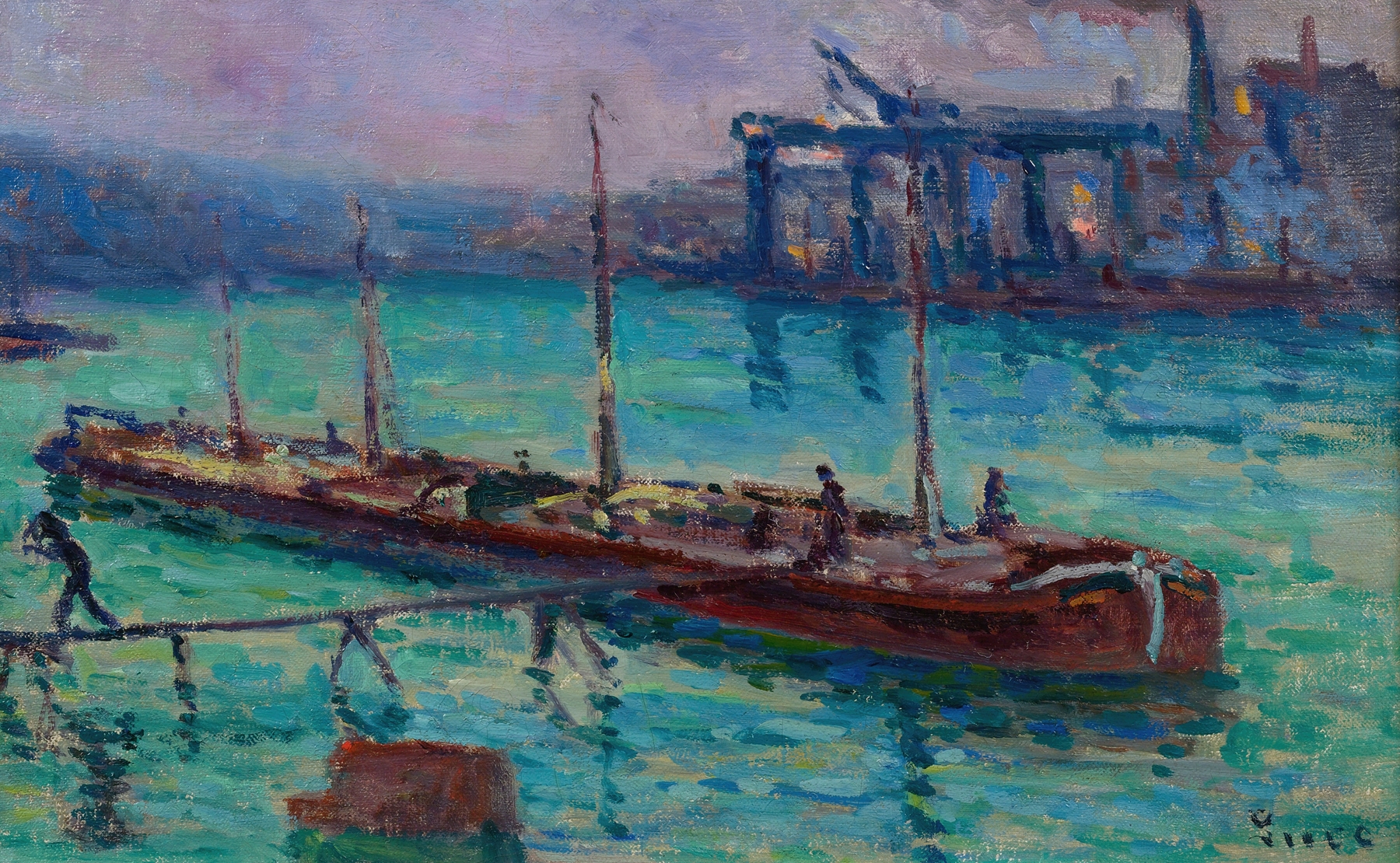
Who listens when art speaks of silence? In *Péniche Au Bord De La Seine*, a haunting stillness envelops the scene, inviting quiet contemplation. The tranquil waters of the Seine cradle a solitary barge, a silent witness to the passage of time, as the world around it fades into reverie. Look to the left at the soft hues of blue and green that dance across the water’s surface, where the reflection of the sky melds gently with the boat’s quiet presence. Notice how the brushstrokes create a delicate texture, evoking the lapping of water against the hull, while the muted palette imbues the painting with a sense of calm. The play of light across the Seine enhances the fleeting moment, capturing the essence of a perfect afternoon. Delve deeper into the contrasts within the work: the stillness of the barge against the soft movement of the water, the solitude of the scene juxtaposed with the lively Parisian backdrop. The choice to focus on this quiet vessel invites viewers to reflect on their own inner silence amidst the hubbub of life. Each ripple in the water becomes an echo of thought, suggesting that beneath the calm surface, a world of emotions stirs quietly, waiting to be acknowledged. Maximilien Luce painted *Péniche Au Bord De La Seine* in 1910 while residing in Paris, where he was deeply immersed in the post-impressionist movement. This period marked a significant evolution in his artistic style, as he transitioned from vibrant colors to more subdued tones reflecting introspective themes. The tranquility of the Seine served as both a personal refuge and a source of inspiration, offering a stark contrast to the rapidly changing world around him.