Porte fleurie — History & Analysis
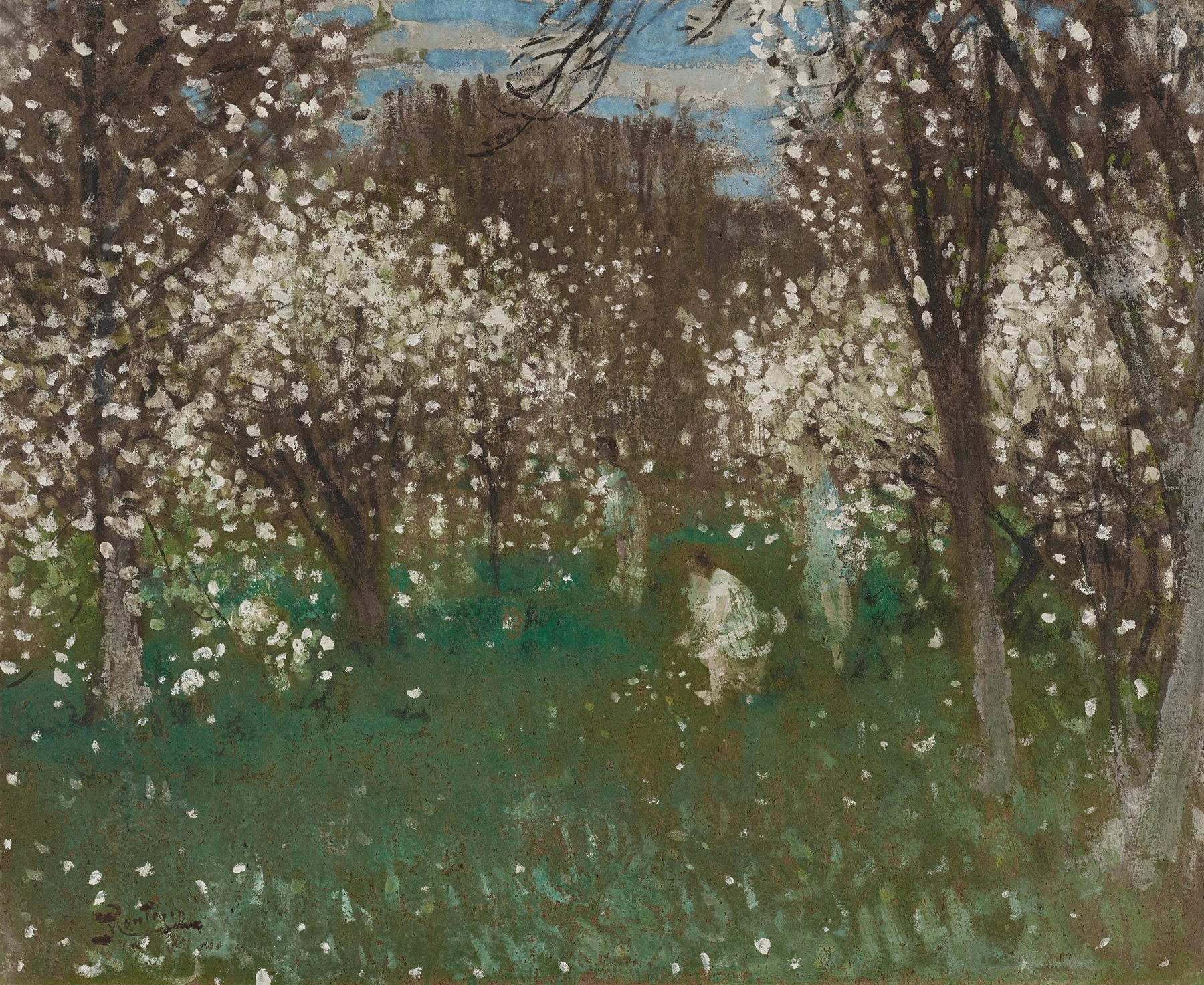
“Every brushstroke is a heartbeat remembered.” In the delicate embrace of beauty, Porte fleurie captures a fleeting moment that transcends time. The essence of life itself seems to pulse through the vibrant colors and the harmonious composition, inviting contemplation of the delicate interplay between nature and artistry. Look to the left, where an explosion of flowers bursts forth in a symphony of reds, pinks, and yellows. Notice how the artist deftly captures the play of sunlight as it dances over the petals, creating a vibrant scene filled with texture and depth. The rich greens of the foliage provide a grounding presence, framing the florals and enhancing their vividness.
The composition draws the eye gently through the blooming chaos, inviting the viewer to linger over each detail and savor the beauty encapsulated in every stroke. Within this canvas lies a contrast between the ephemeral beauty of the blossoms and the sturdy, timeless architecture of the door. The flowers, both vibrant and delicate, speak of transience, while the door signifies stability and permanence. This duality evokes the idea of beauty as both a fleeting experience and a lasting memory, reminding us of what we often fail to appreciate.
Each petal and each shade is a whisper of elegance, urging us to embrace the beauty surrounding us, even in its temporary state. In 1937, Montézin painted this piece amidst a tumultuous world on the brink of war. Living in France during a time of shifting cultural paradigms, he focused on capturing the fleeting moments of beauty in everyday life. The optimism of the Art Deco movement influenced his work, compelling him to celebrate nature's vibrancy during a period when darkness loomed on the horizon.