Portrait of a woman — History & Analysis
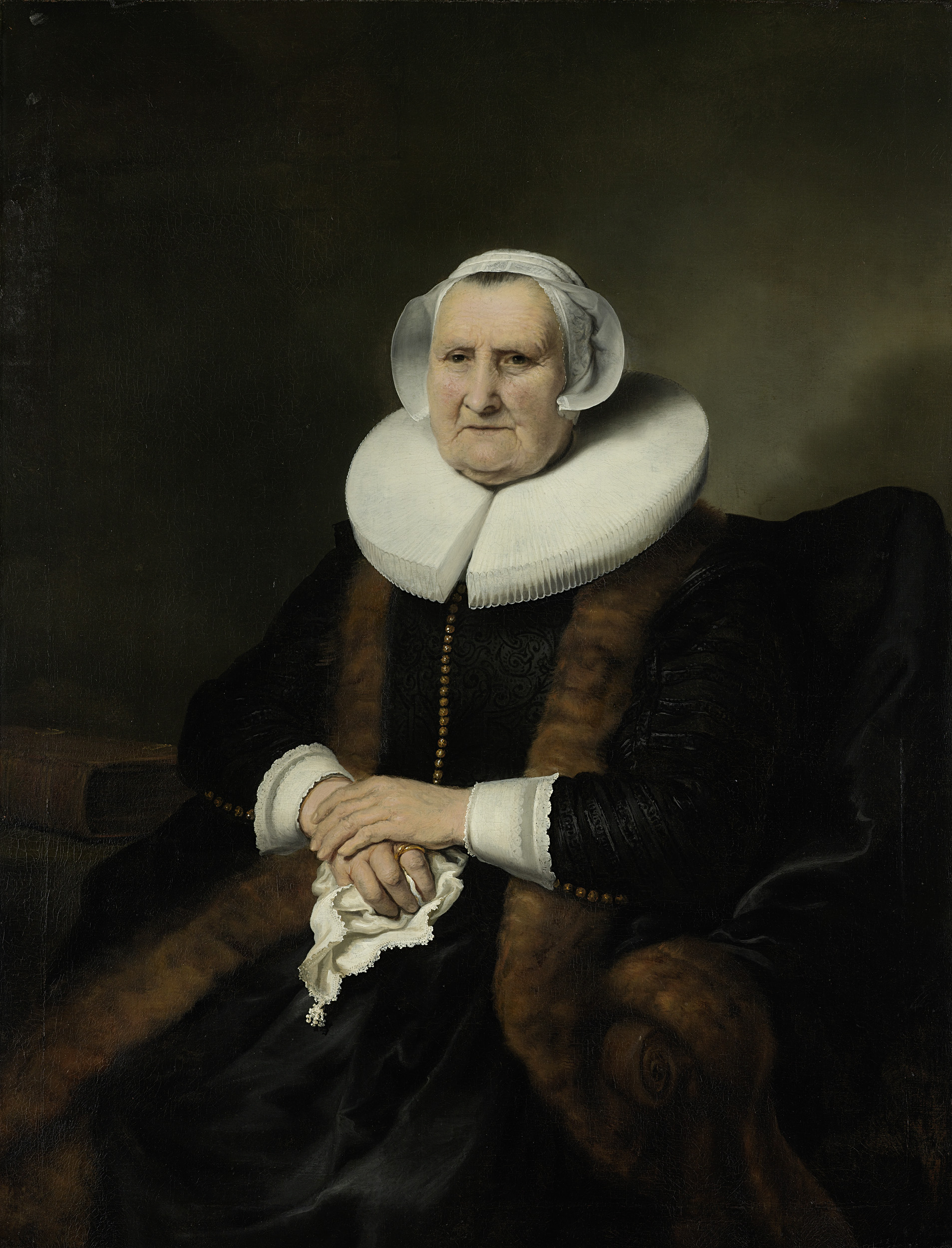
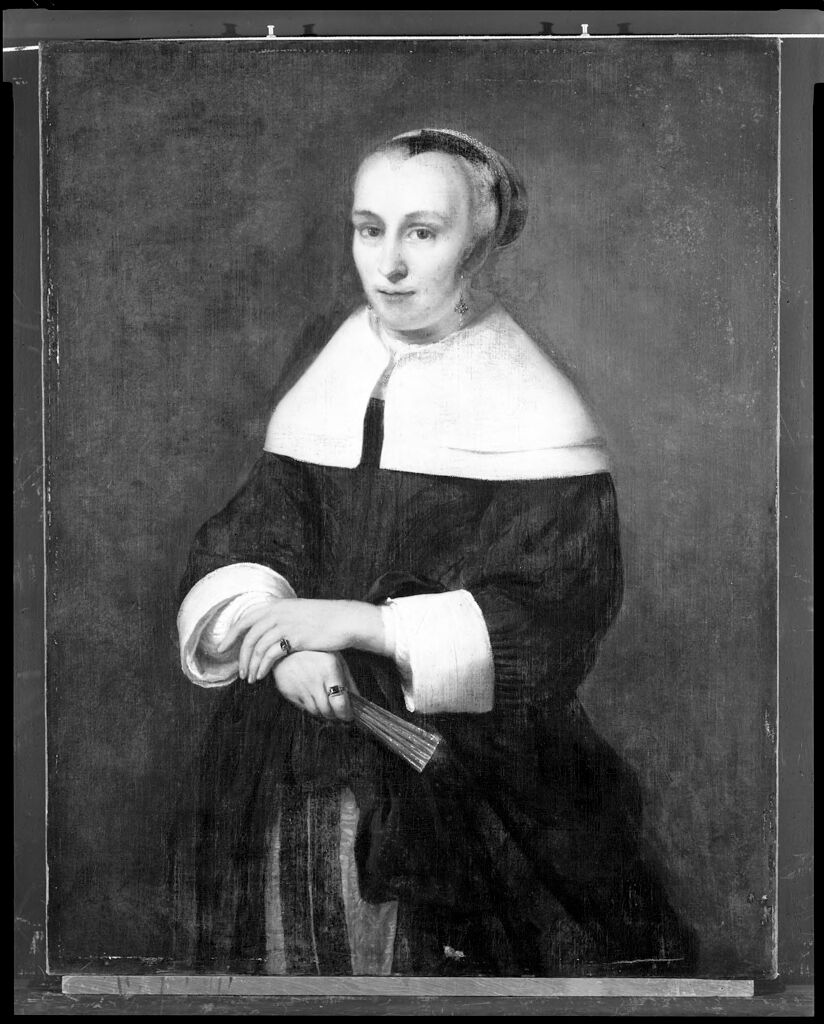
Where does light end, and longing begin? In the delicate interplay of shadow and illumination, Portrait of a Woman captures the essence of a moment that lingers in the air, steeped in melancholy. Look to the right at the subtle curve of her neck, elegantly highlighted by soft, golden light. The warmth of the brushstrokes contrasts with the cooler tones of her attire, drawing your gaze to her serene expression.
Notice how the artist employs a rich palette to evoke both grace and introspection, inviting the viewer to reflect on the complexity of her emotions. Each detail, from the gentle folds of her dress to the faintest glimmer in her eyes, speaks of a life filled with untold stories. Beneath the surface, the painting encapsulates the tension between presence and absence. The woman's contemplative gaze suggests a yearning for connection, while the muted background hints at isolation.
This duality creates a poignant emotional resonance, as if she stands at the precipice of her own narrative—caught between the light of the world and the shadows of her thoughts. Ferdinand Bol created this work around 1655 during a period of significant artistic development in the Dutch Golden Age. Having studied under Rembrandt, Bol explored the use of chiaroscuro and portraiture, aiming to convey psychological depth. By this time, he had established himself in Amsterdam, where he sought to carve a niche that balanced the influences of his mentor with his own artistic voice, marking a pivotal moment in his career.