Praterlandschaft — History & Analysis
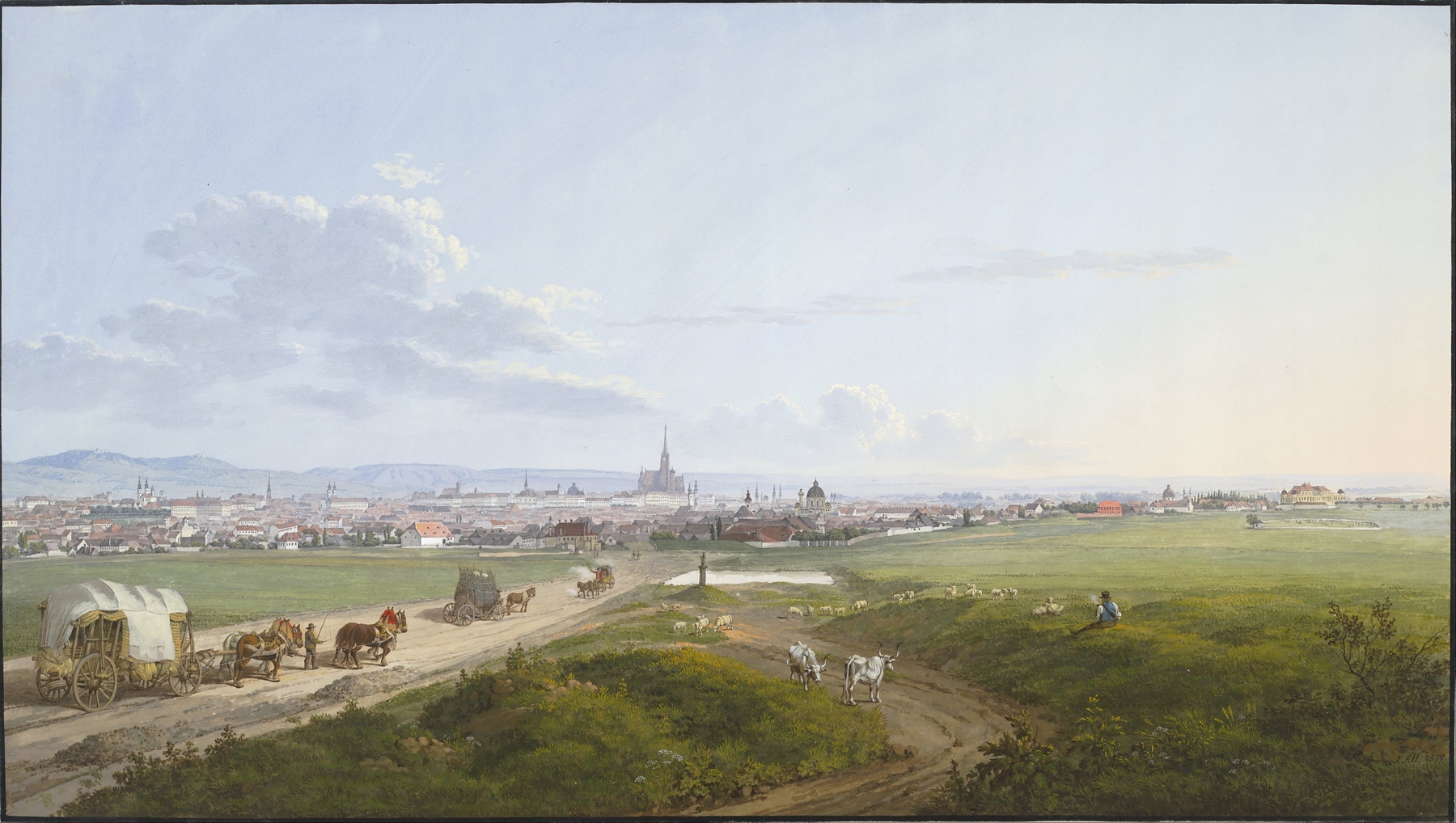
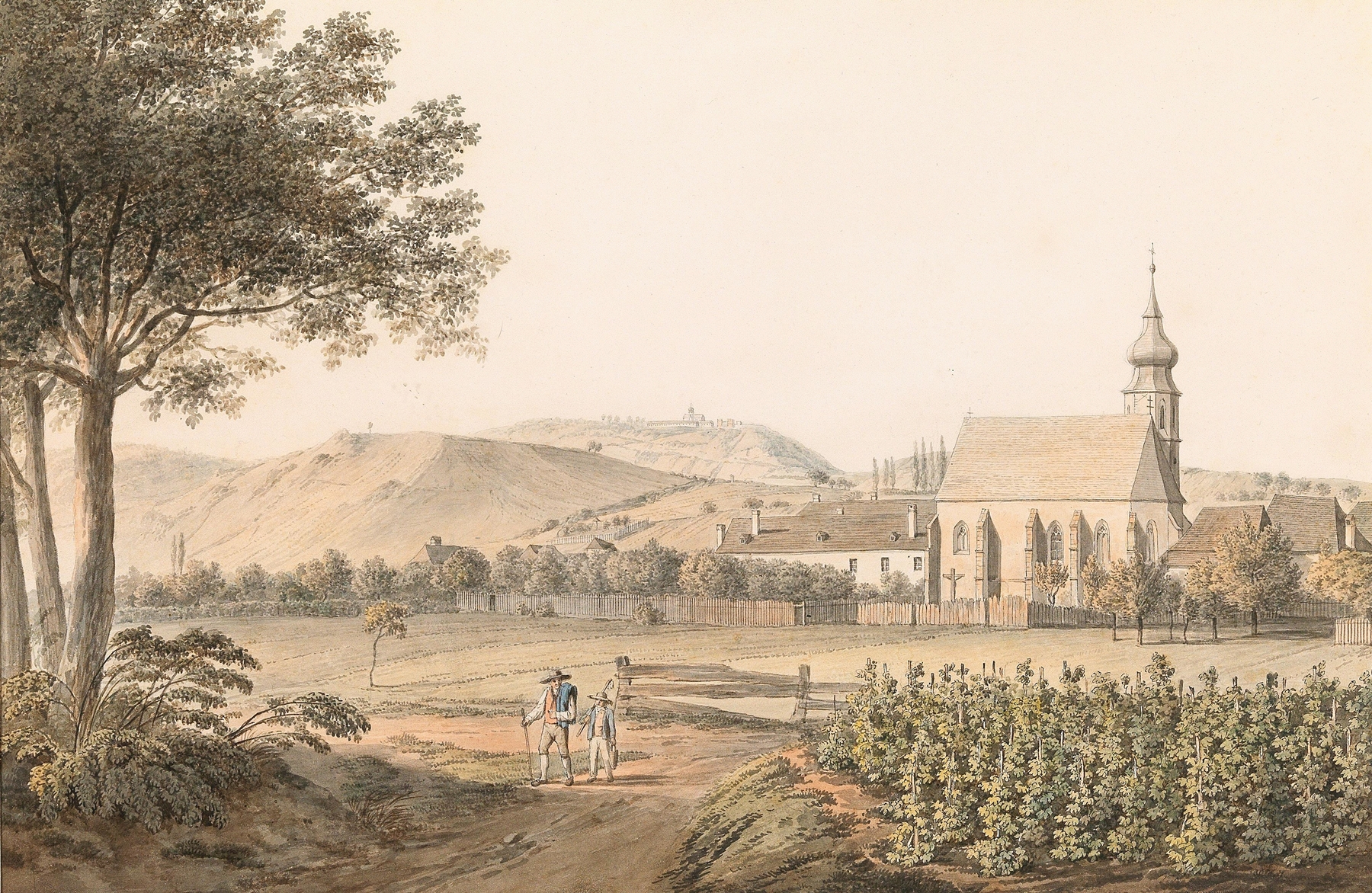
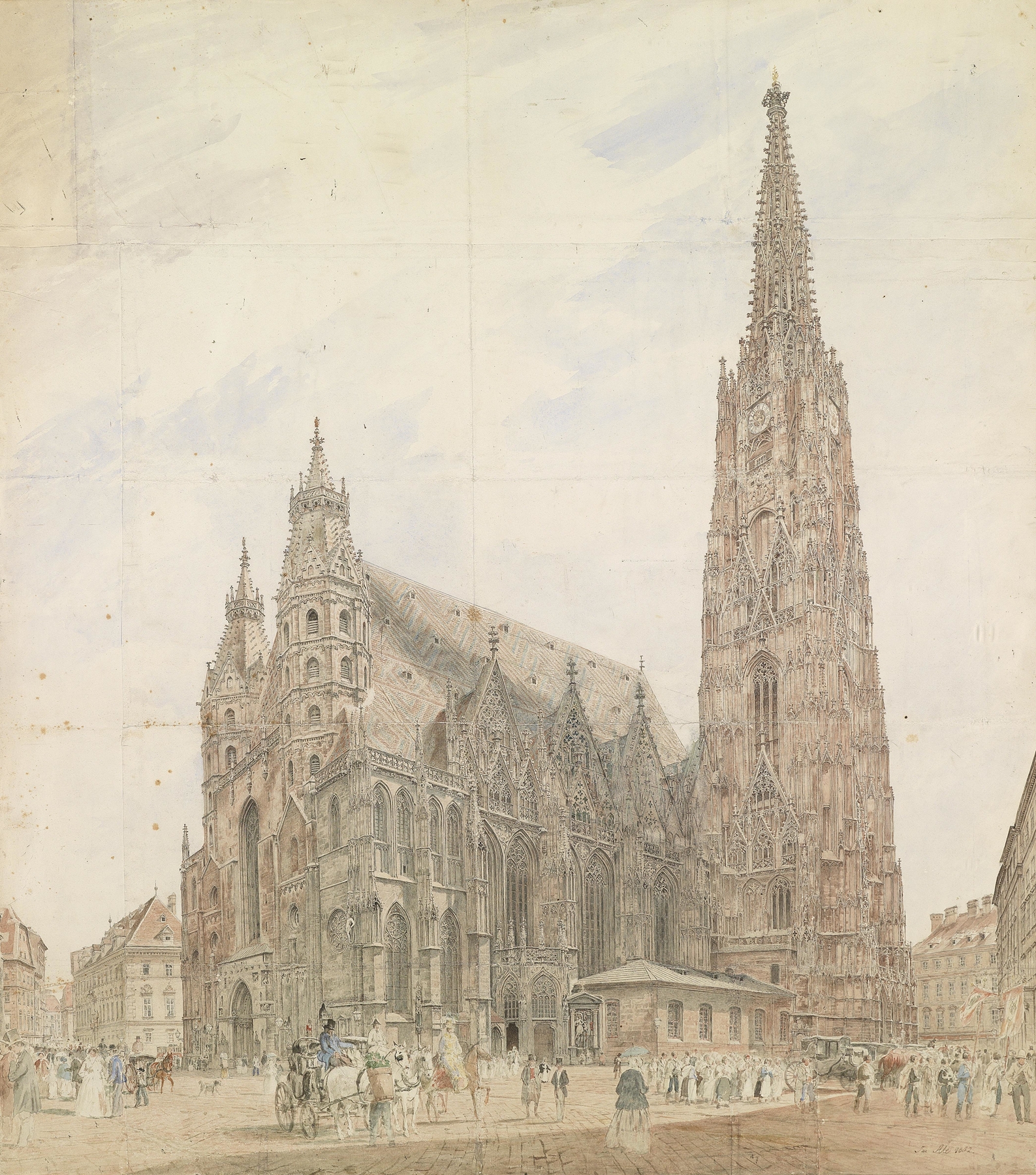
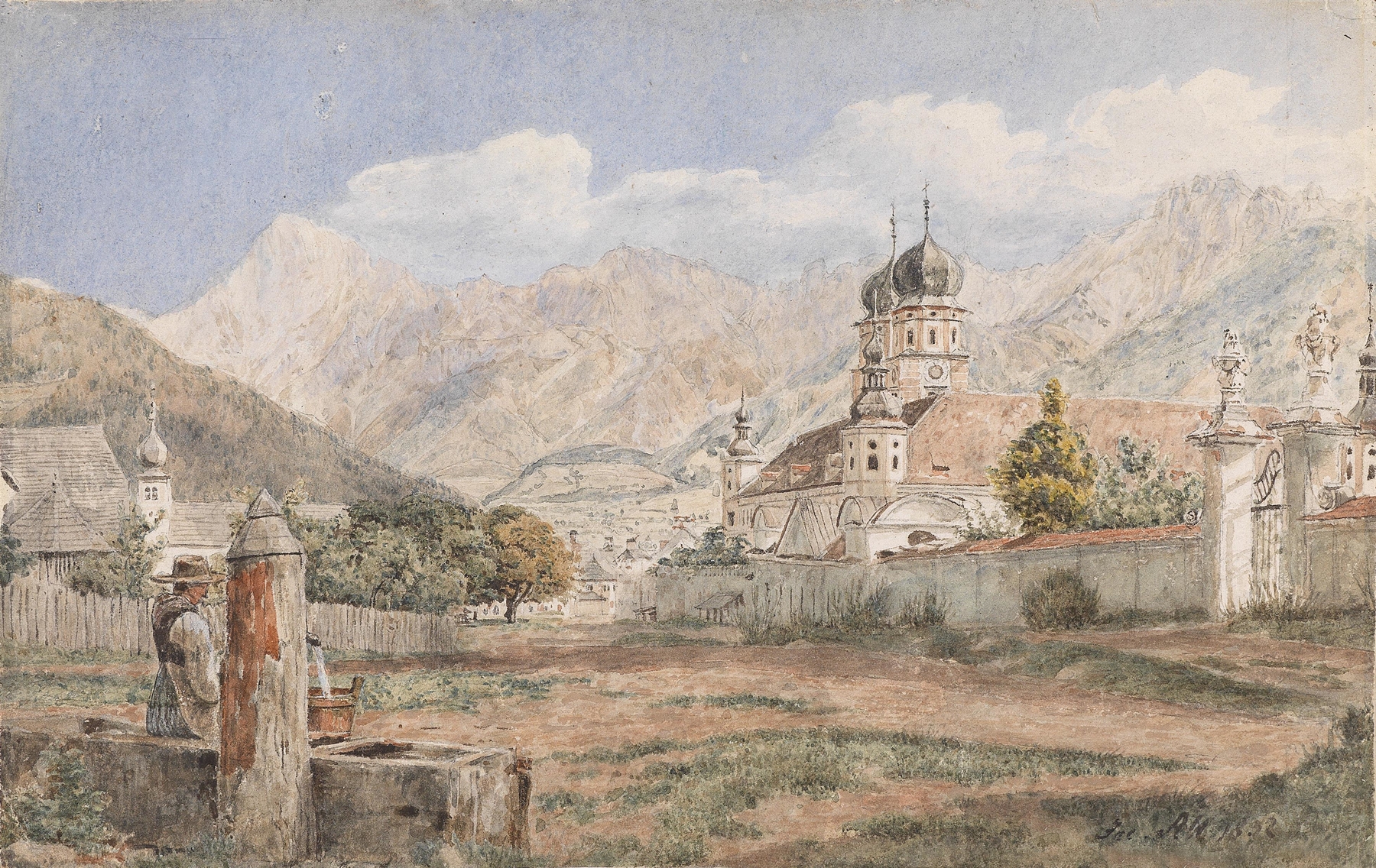
What secret hides in the quiet of the canvas? A landscape whispers stories untold, a legacy woven into the fabric of time, beckoning viewers to explore its hidden depths. Look to the left where gentle hills roll into the horizon, swathed in rich greens and soft browns, punctuated by the delicate strokes of Alt's brush. Notice how the light dances across the terrain, casting a serene glow that evokes both tranquility and nostalgia.
The composition draws your gaze along a winding path, inviting you to follow its subtle curves and discover the lush details of flora, each brushstroke a testament to the artist’s meticulous craftsmanship. As you delve deeper into the scene, the contrasts emerge—between the vibrant life of the foreground and the ethereal stillness of the sky. The soft clouds above hint at an impending change, perhaps rain, while the figures in the distance, so small against the vast landscape, evoke a sense of solitude and reflection. Each element in this pastoral beauty serves to remind us of the fleeting nature of existence, and how landscapes witness our lives without ever revealing their secrets.
In the years that Praterlandschaft was created, Jakob Alt was immersed in the burgeoning Romantic movement, painting landscapes that celebrated nature’s majesty. Between 1850 and 1860, the rise of photography began to alter perceptions of art, pushing painters like Alt to explore emotional depth and personal connection to their subjects. In this quiet moment, he captured not just a scene, but a dialogue between mankind and the natural world, echoing the profound legacies we leave behind.