Provincetown — History & Analysis
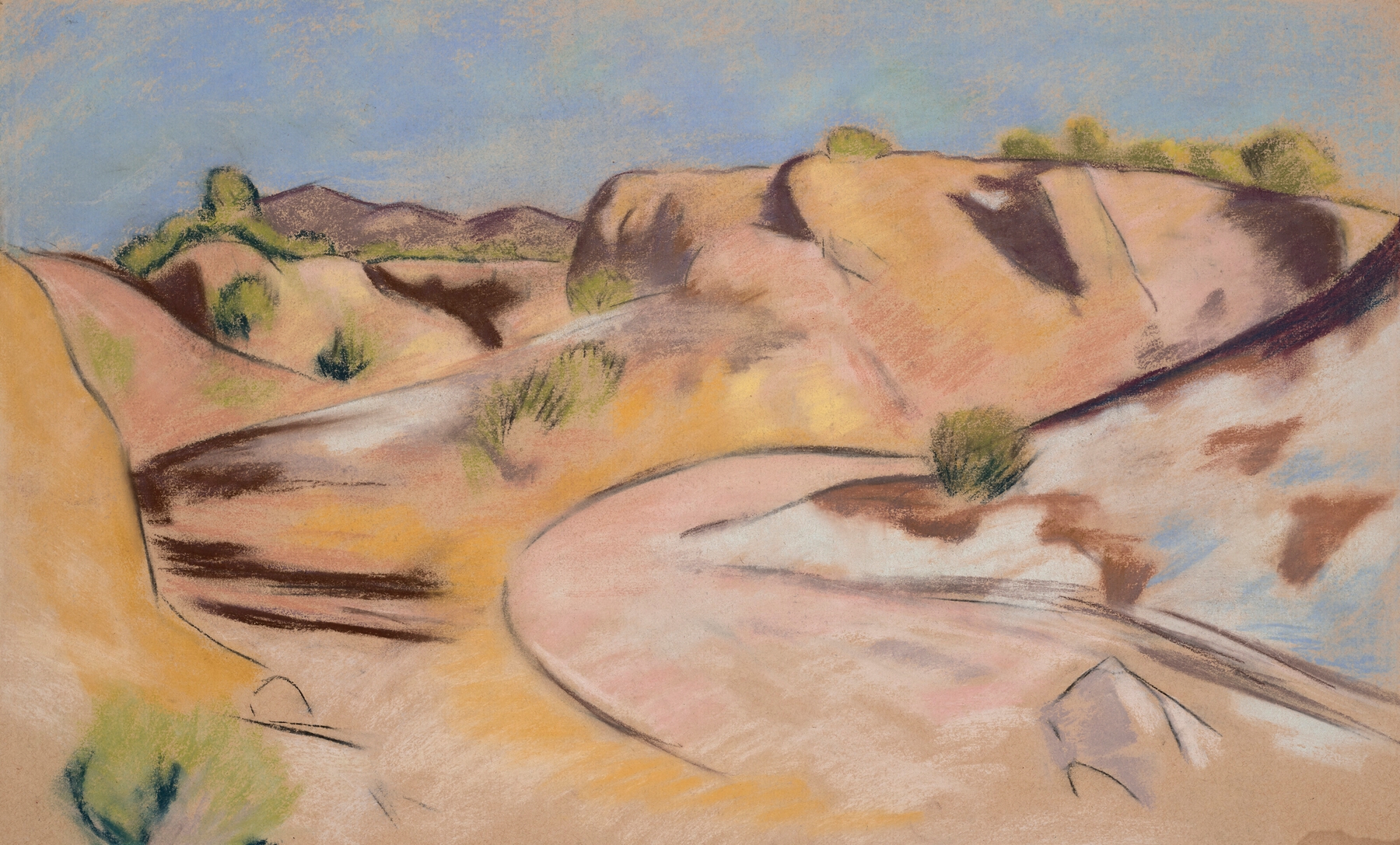
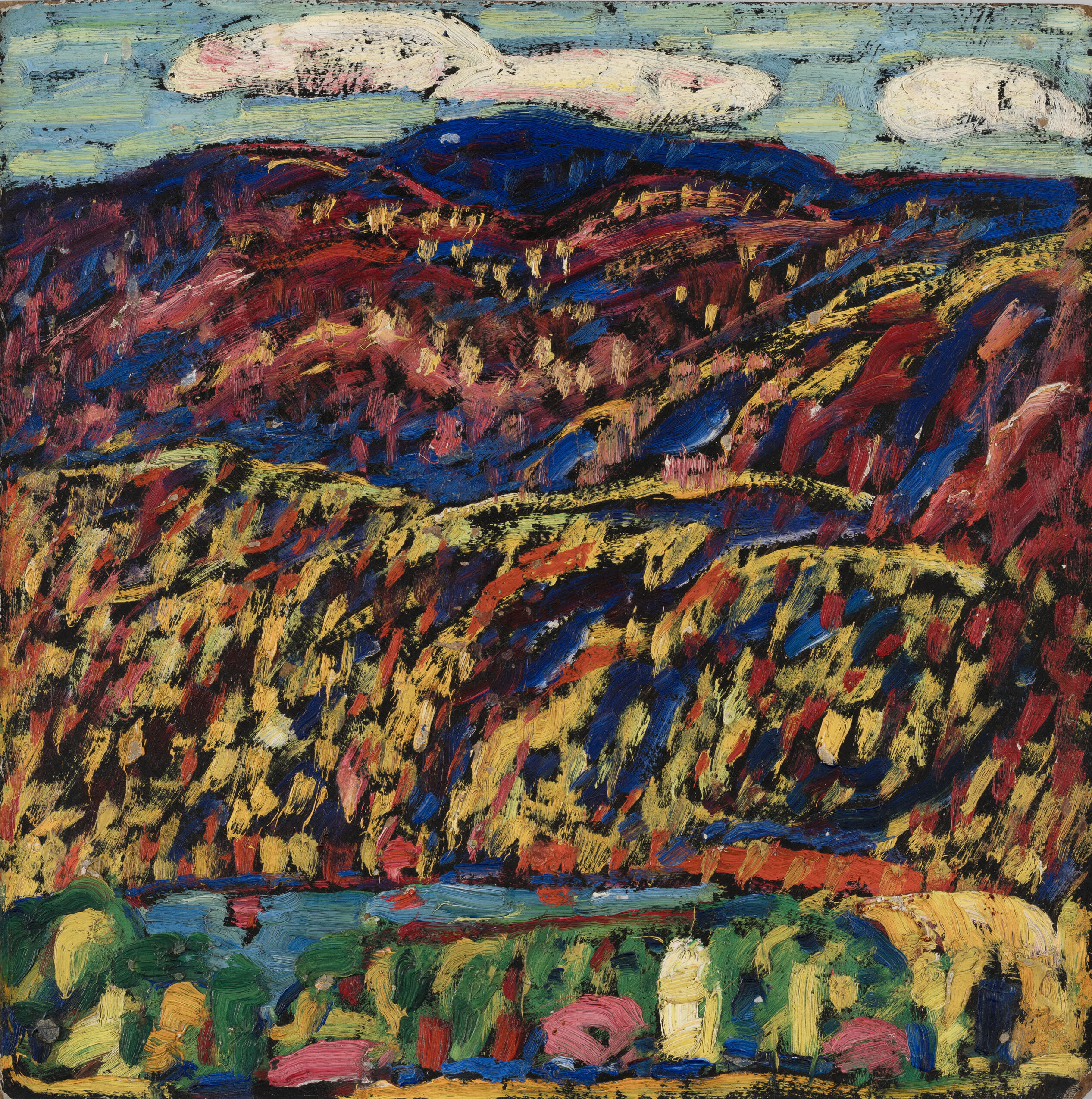
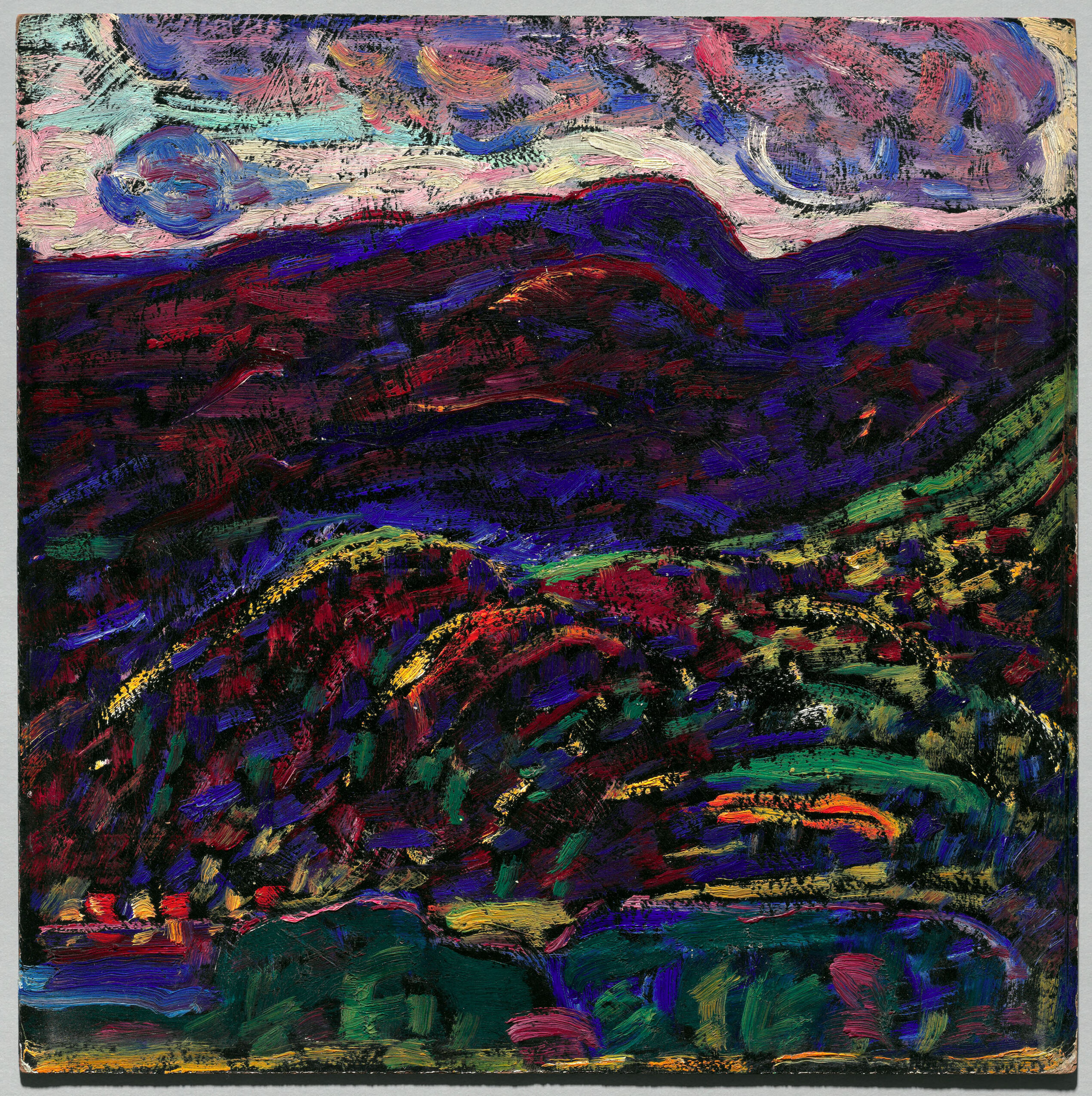
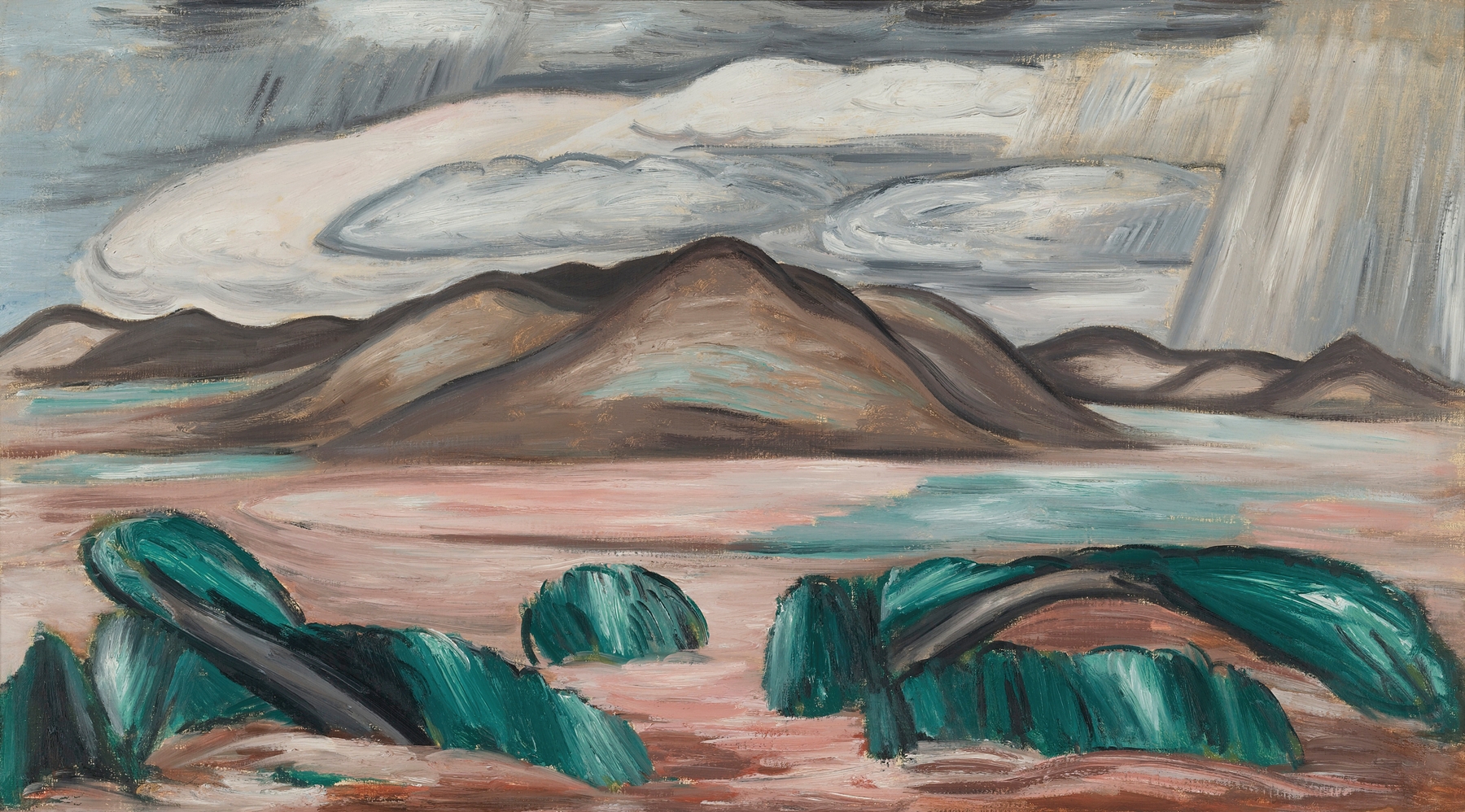
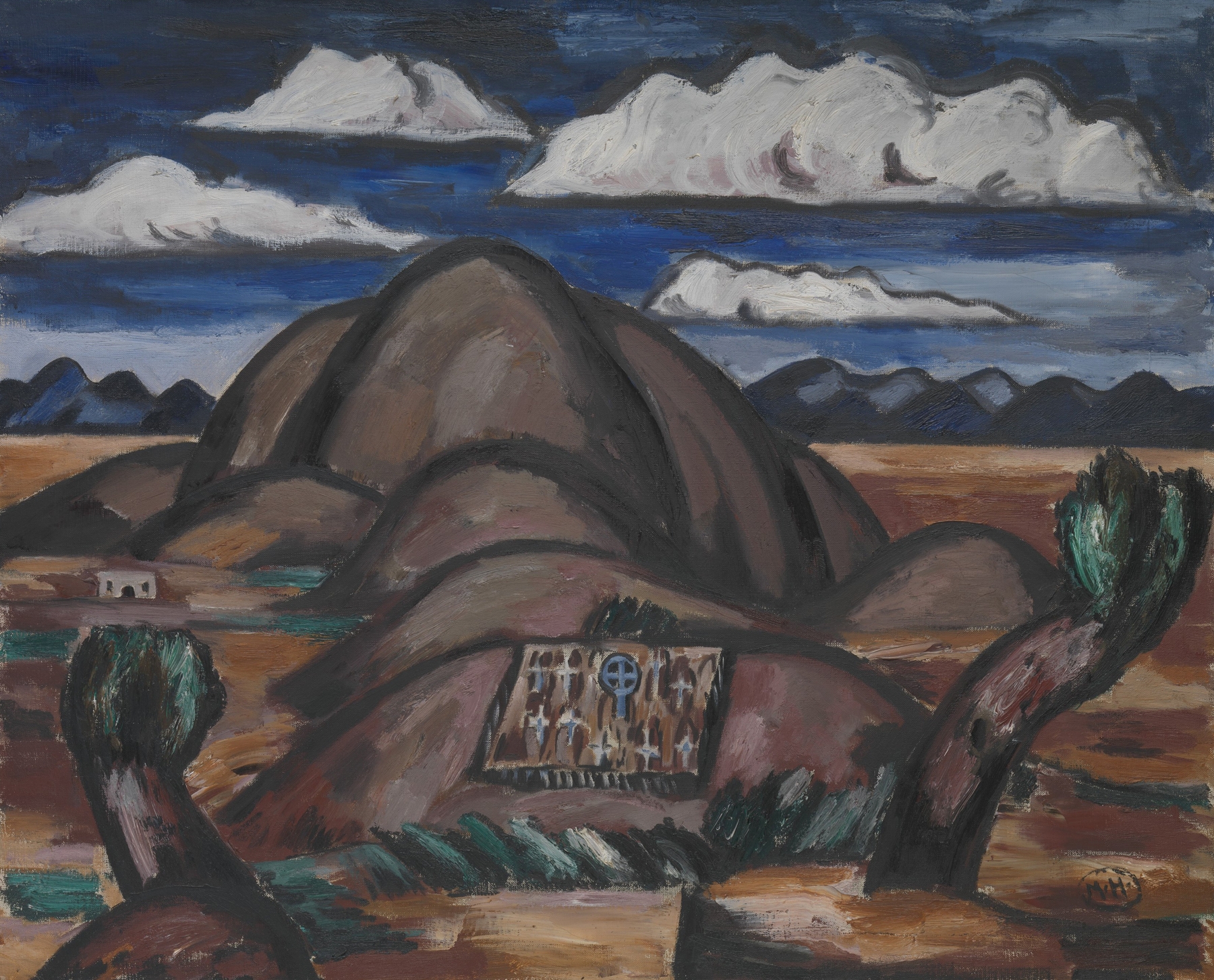
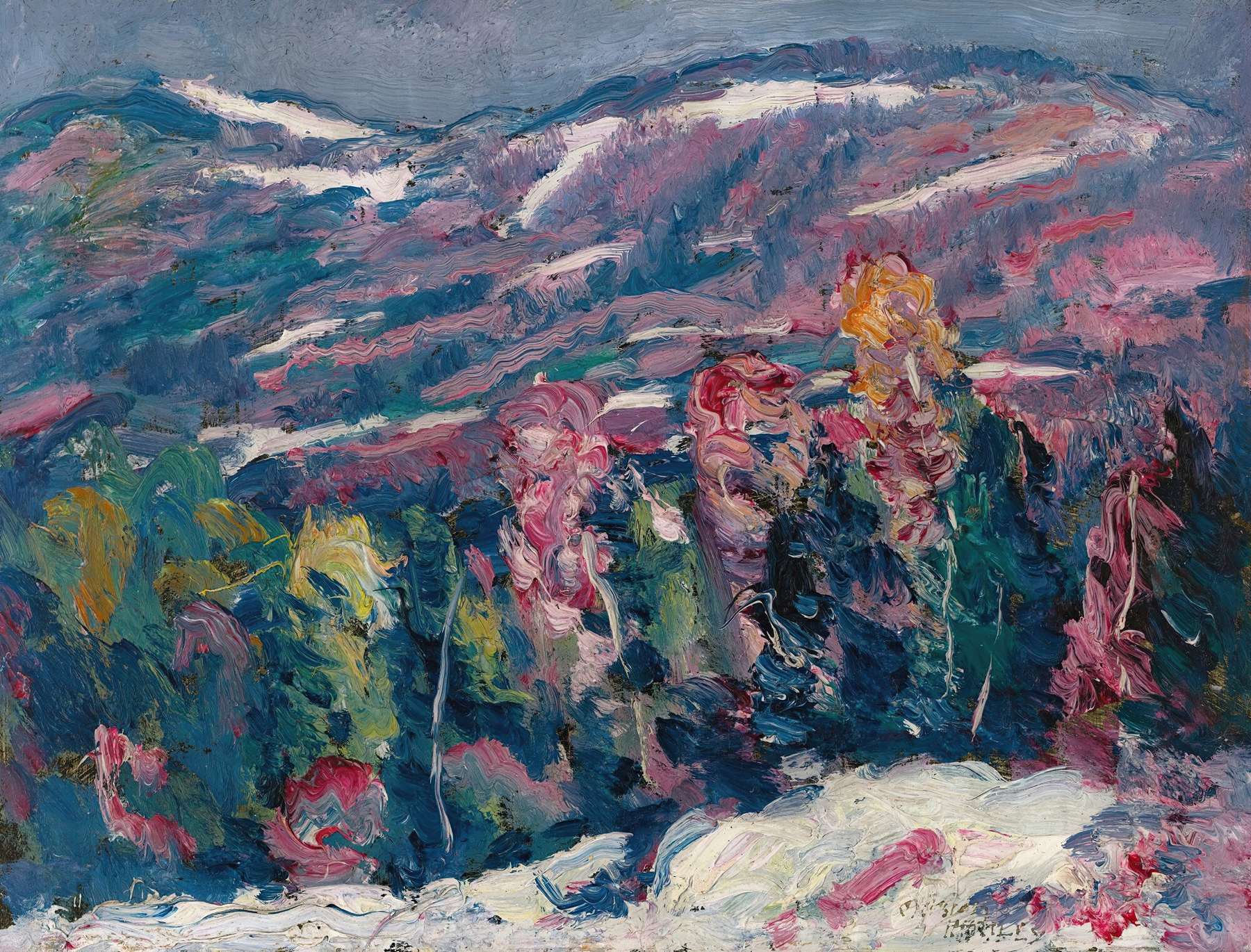
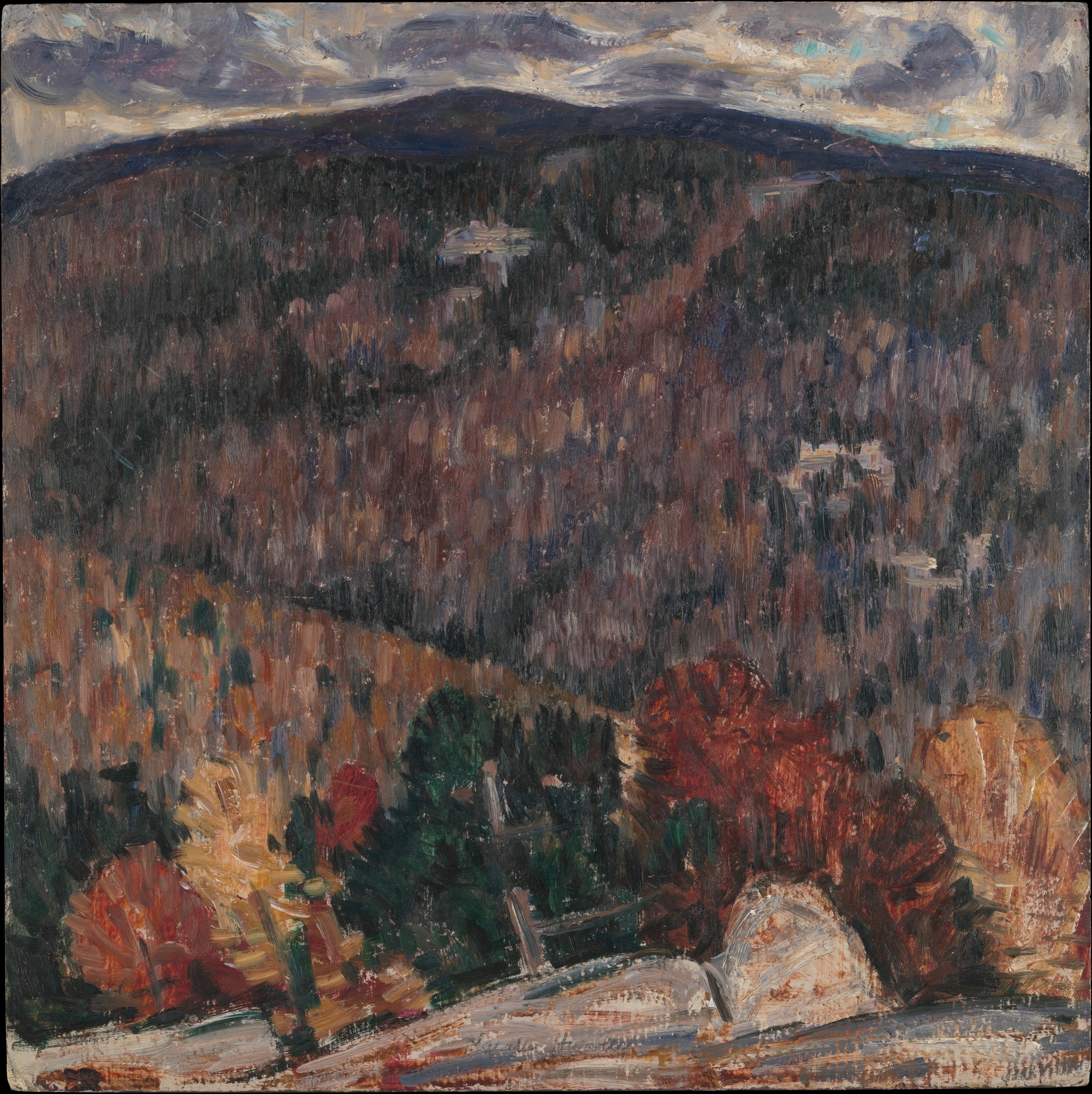
What if silence could speak through light? In Marsden Hartley’s Provincetown, the canvas whispers with the longing of a place infused with nostalgia, inviting viewers into a world where every hue resonates with emotion. Look to the upper part of the painting, where soft blues blend seamlessly into gentle whites. These lighter tones evoke the vastness of the sky, suggesting a breath of wind that stirs the air. Notice how Hartley's brushstrokes create a delicate texture, a dance between the color and the surface, pulling the eye toward the horizon.
The muted earth tones below anchor the composition, grounding the viewer in the coastal landscape, while the striking contrast between the tranquil sky and the rugged land adds a layer of tension, amplifying the sense of yearning embedded in the scene. Delve deeper into the layers of this painting, and you'll find hints of solitude and reflection. The stillness of the water suggests both serenity and melancholy, capturing a moment frozen in time. The strategic placement of the foreground elements draws one’s gaze into the heart of the composition, where a lone figure might symbolize the artist’s introspective journey or the isolation experienced in a bustling yet distant community.
Each stroke carries an emotional weight, echoing a sense of belonging that is both present and elusive. In 1916, Hartley painted Provincetown during a transformative period in his life. Living in Provincetown, Massachusetts, he was immersed in the vibrant art community that burgeoned there, yet he grappled with a profound sense of displacement. This era, marked by his exploration of identity and emotional depth, came at a time when modernist movements were reshaping the landscape of American art, offering him both inspiration and a challenge to define his own voice.