Ragusa (Dubrovnik) — History & Analysis
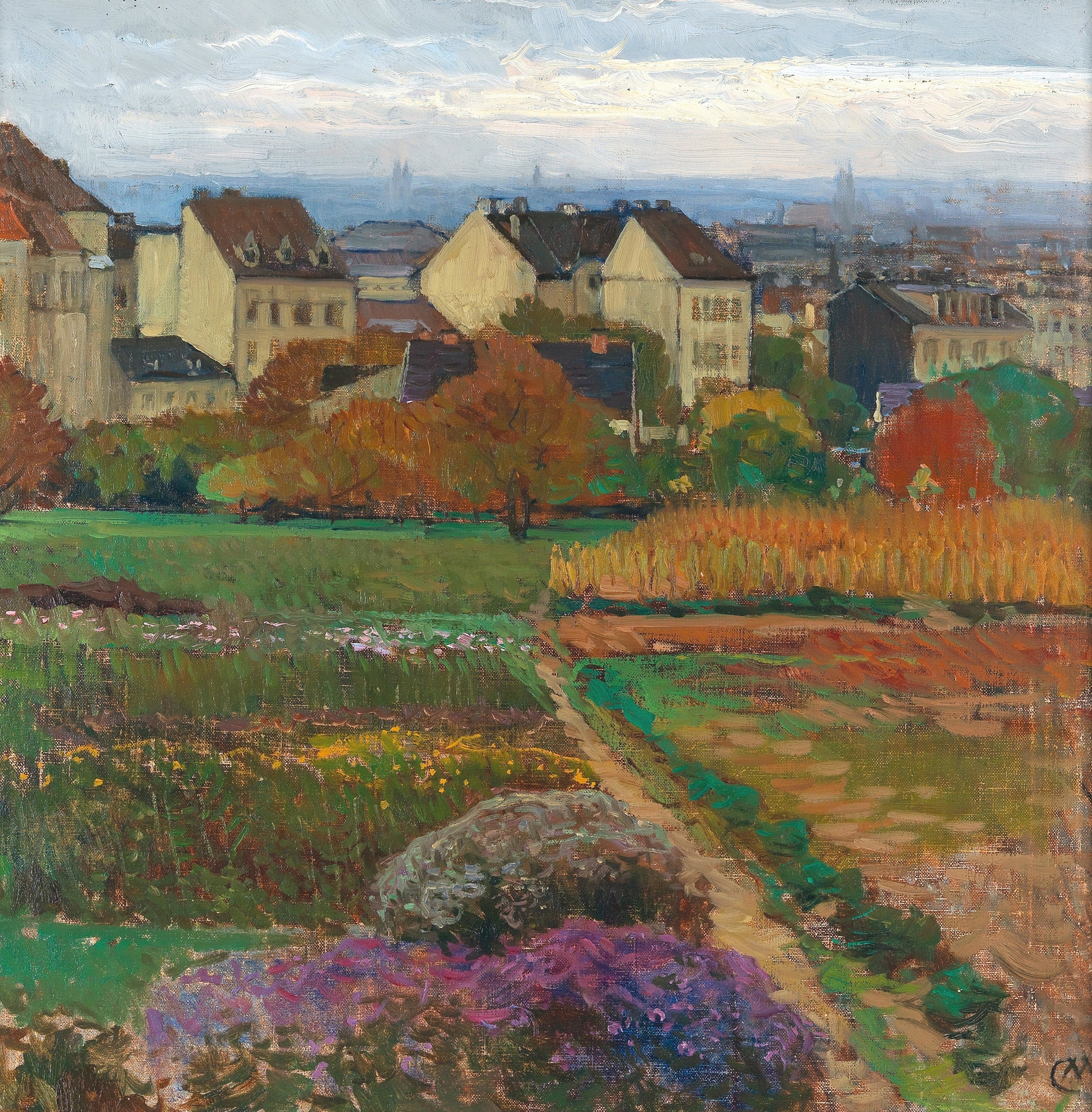
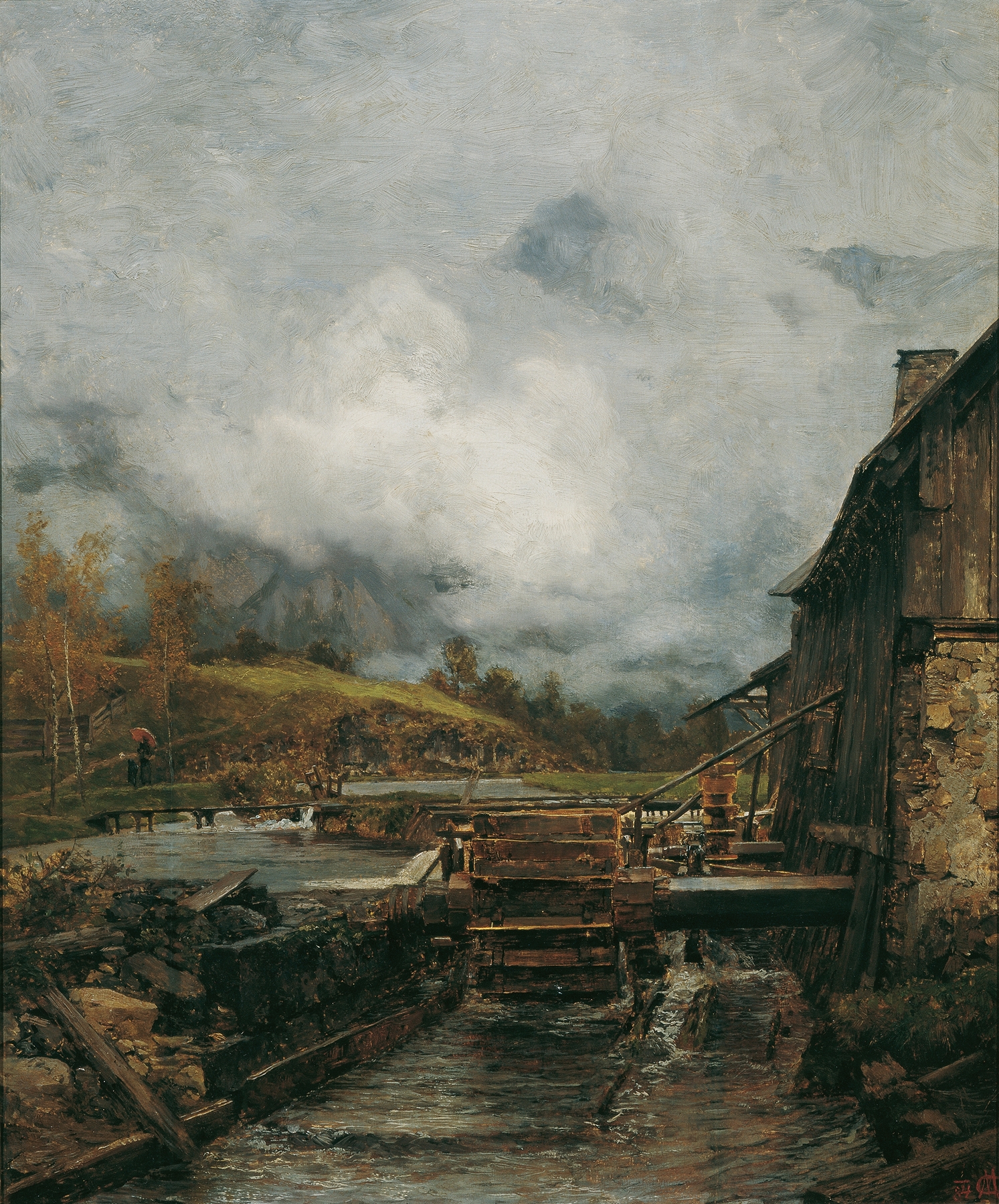
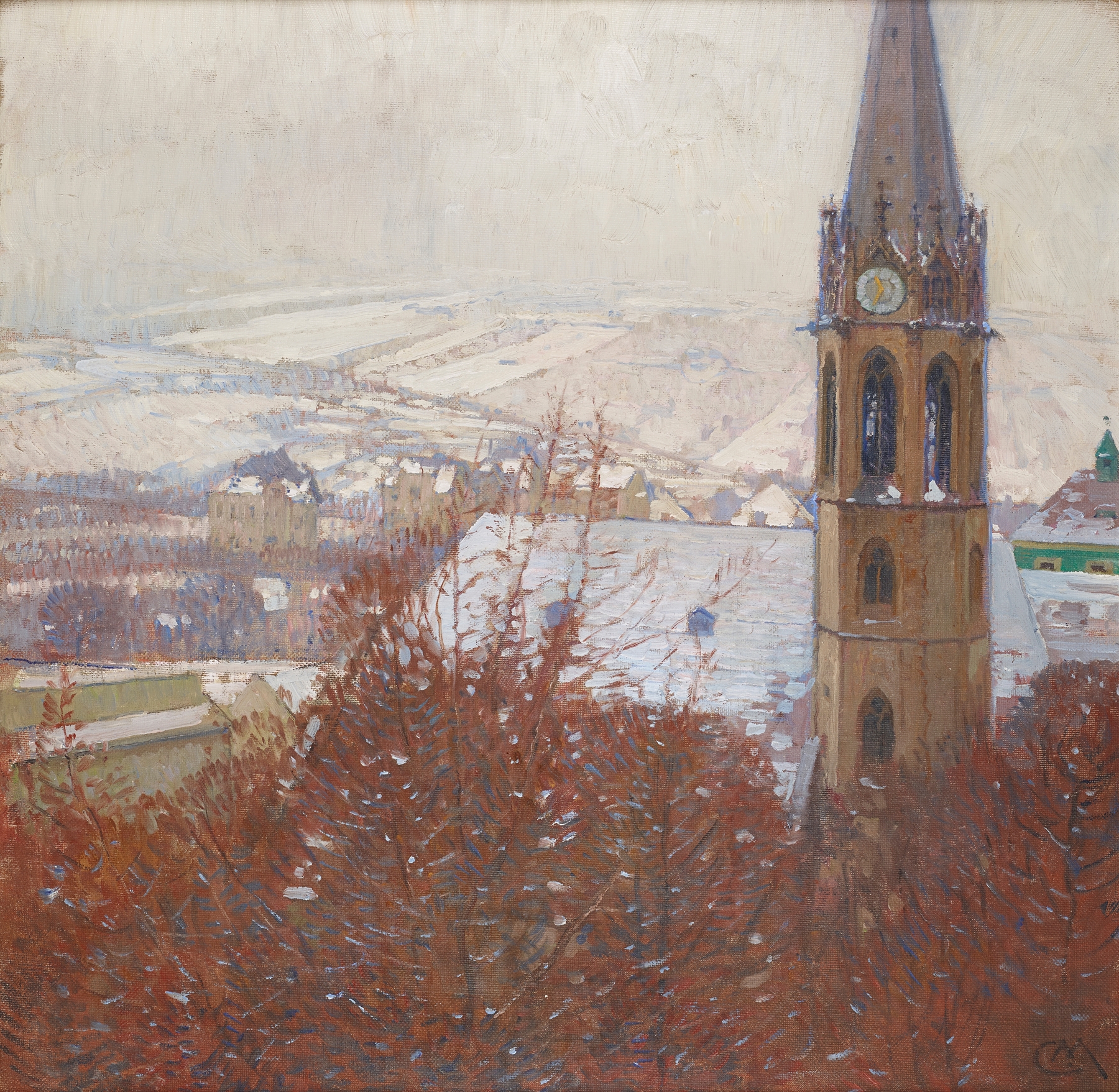
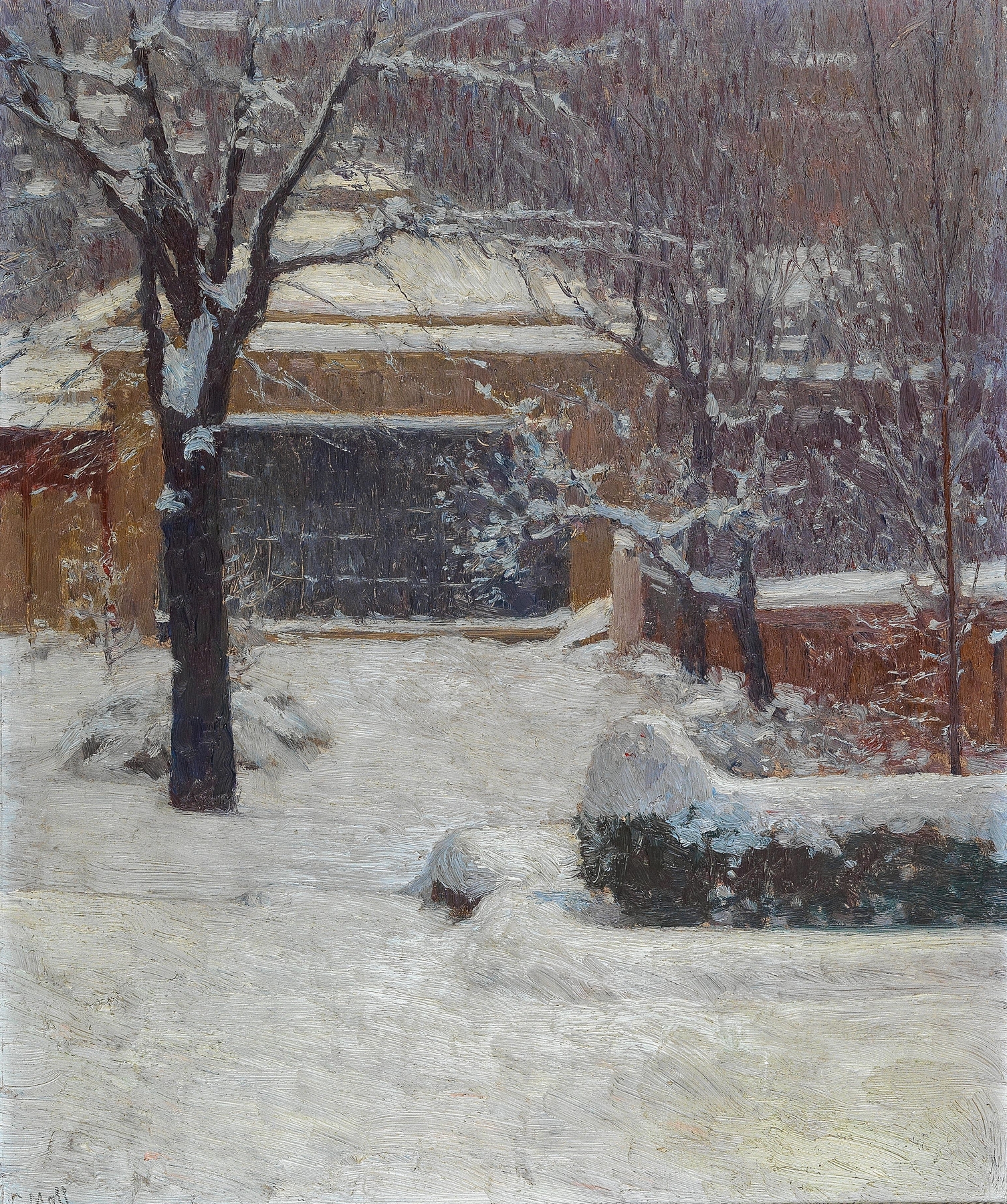
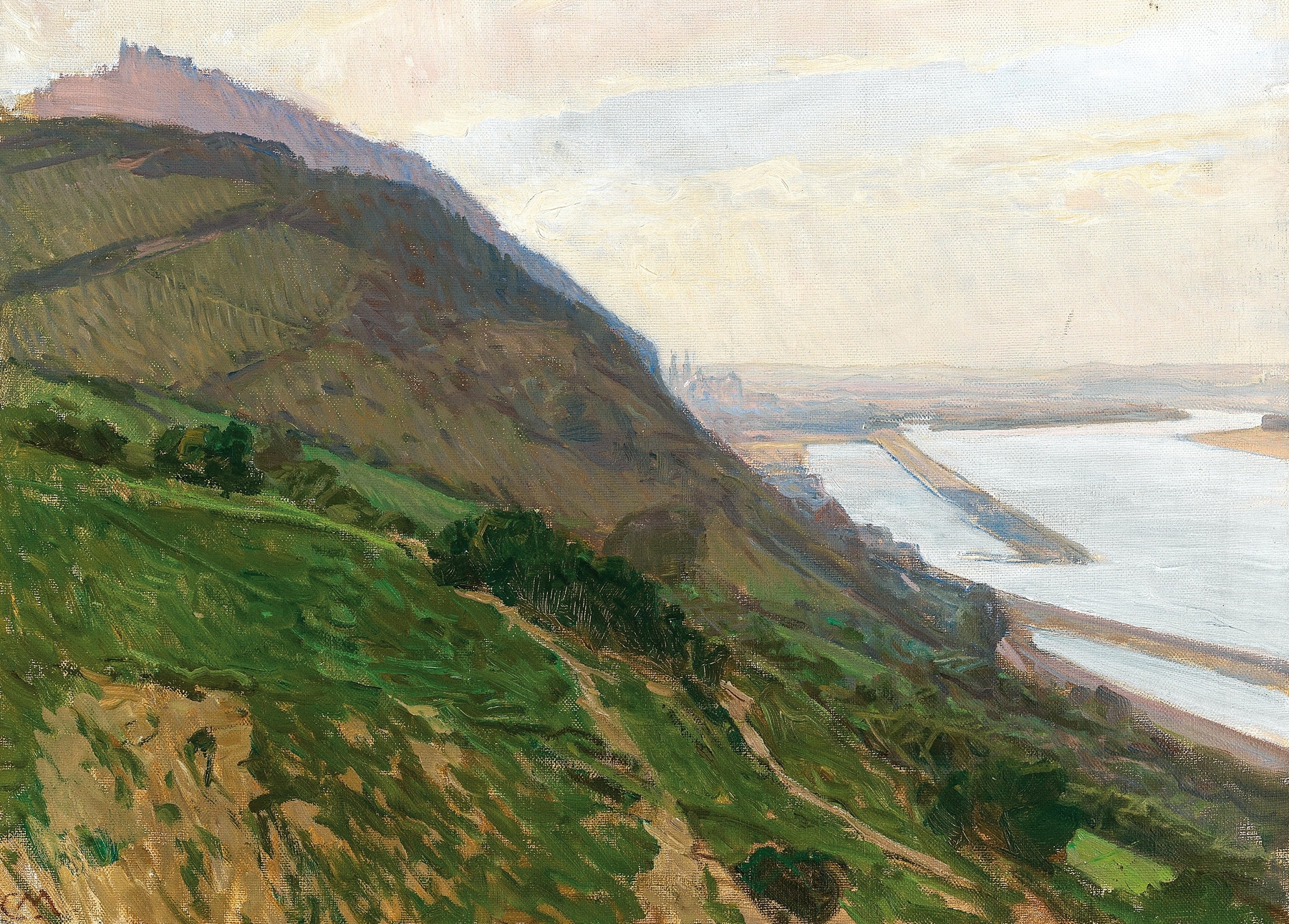
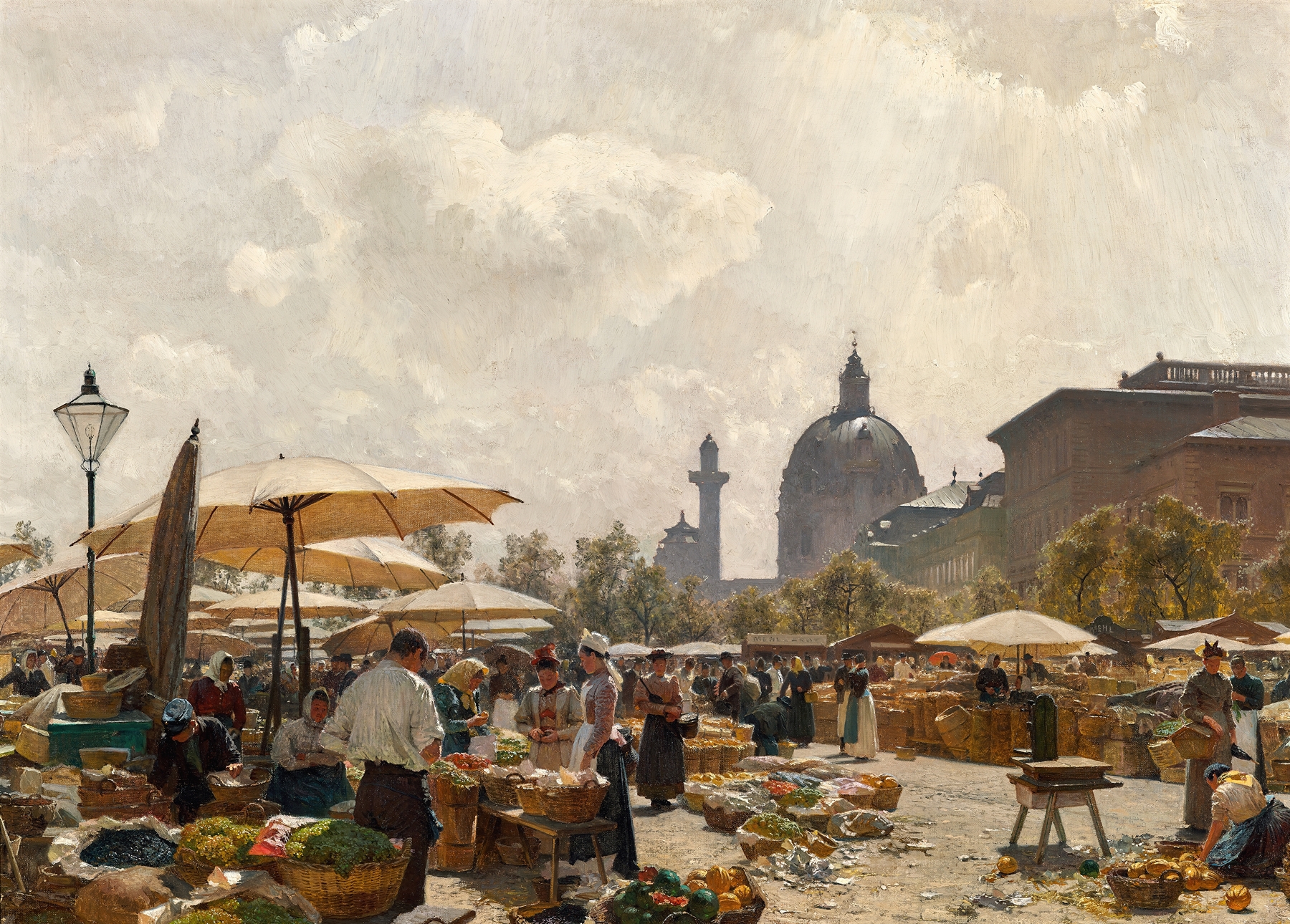
“To paint is to remember what time wants us to forget.” In the shimmering hues of Ragusa (Dubrovnik), a vivid tension between beauty and fear emerges, inviting contemplation of the fragility of our memories and the world we inhabit. Look to the left where the warm ochres and soft pinks of the buildings rise against a backdrop of tranquil blue waters. Notice how the light dances delicately upon the waves, casting a sense of calm that juxtaposes the solidity of the ancient architecture. The brushstrokes vibrate with energy, guiding your gaze through narrow streets that seem to echo with the whispers of history, while the looming cliffs evoke an underlying sense of precariousness.
Within this serene landscape lies a story of vulnerability. The radiant sunlight illuminates the vibrant town, yet the shadows creep at the edges, subtly hinting at the passage of time and the uncertainty it brings. The towering structures, sturdy yet weathered, serve as a reminder of the fragility of human creations in the face of nature's might. Each brushstroke captures the delicate balance between existence and oblivion, urging us to confront our fears of losing what we hold dear.
In 1887, Carl Moll painted this piece during a time when he was deeply influenced by the Symbolist movement and the evocative landscapes of Austria. Living in Vienna, he was exploring themes of nostalgia and memory, capturing the essence of places that were both beautiful and ephemeral. This work reflects not only his artistic journey but also the broader quest for identity and meaning within a rapidly changing world.