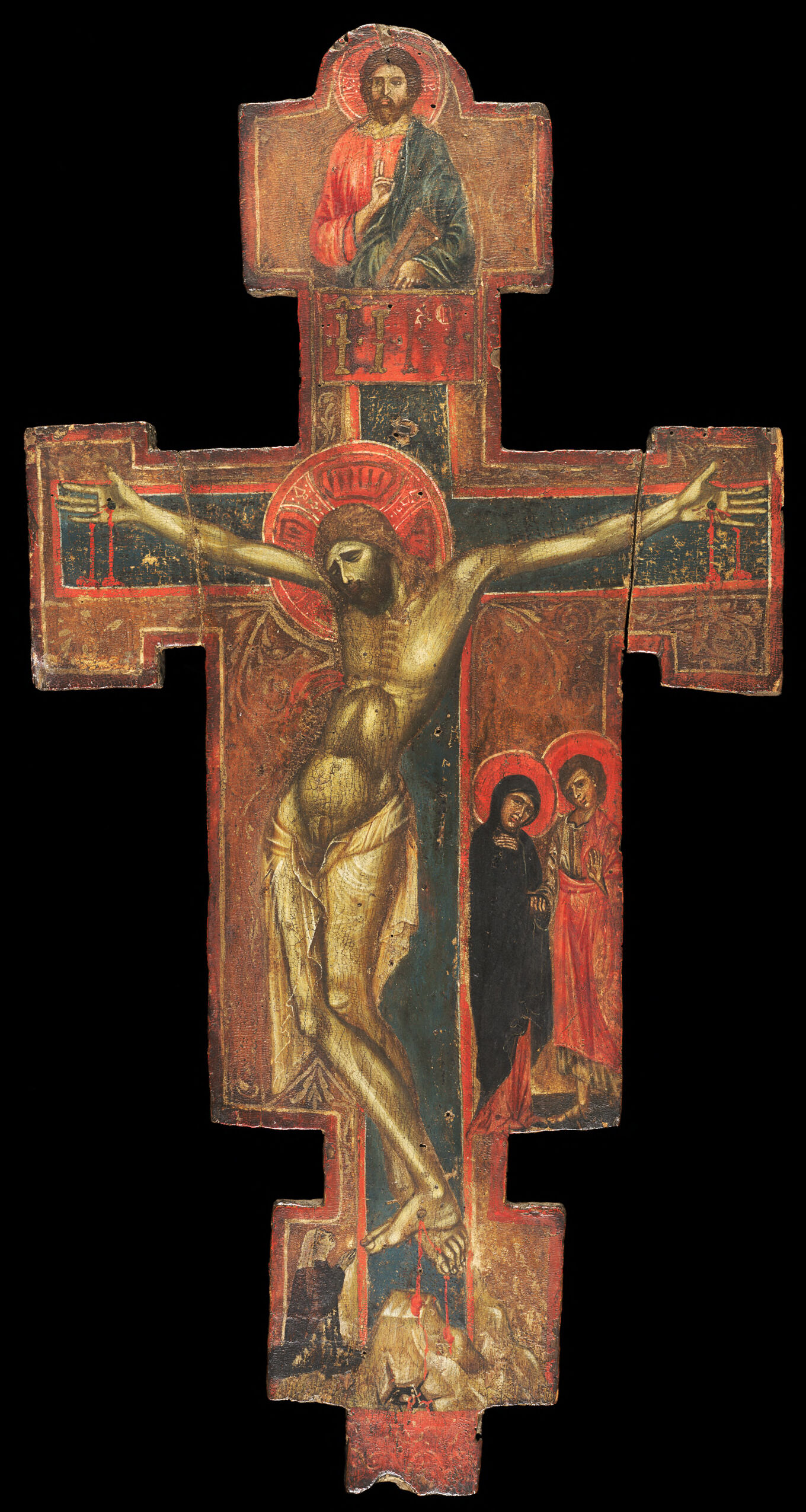
Raising of Lazarus — History & Analysis
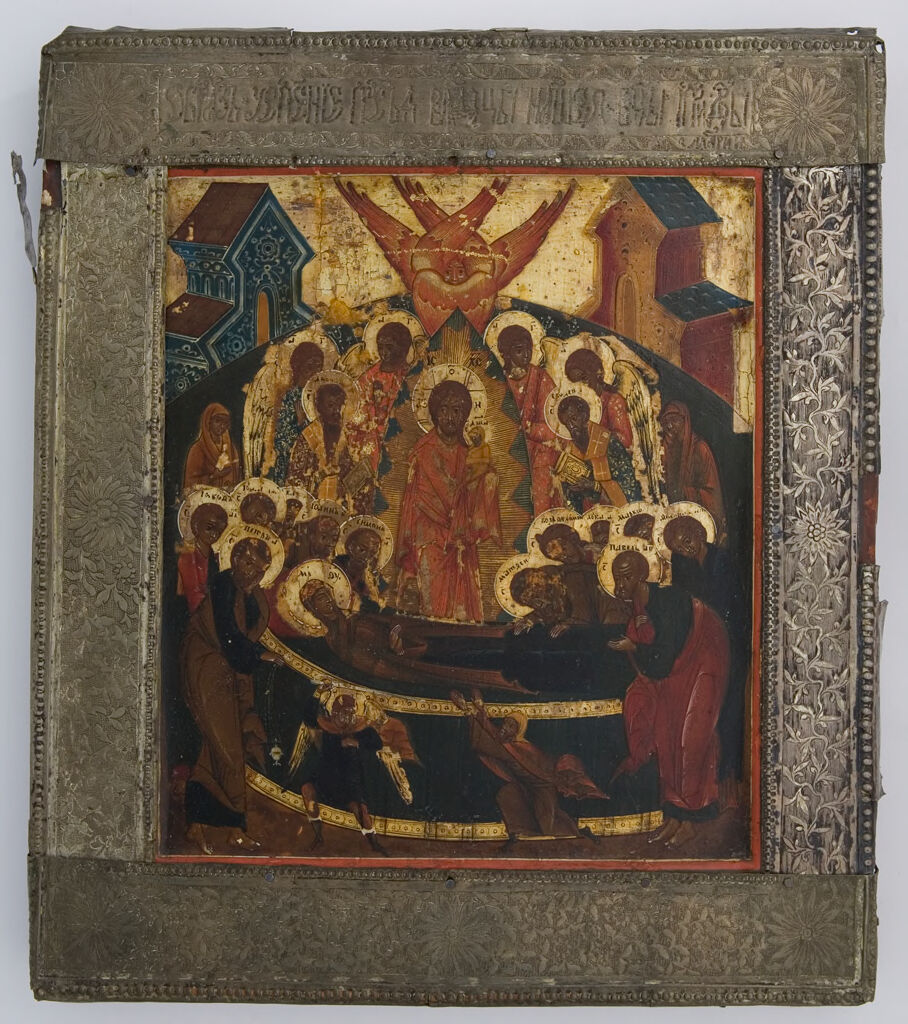
Can beauty exist without sorrow? In the delicate interplay between light and shadow, the Raising of Lazarus reveals the inherent fragility of life’s most profound moments. Focus on the figures at the center, where the tension is palpable. The outstretched hand of Jesus calls forth Lazarus from the depths, a gesture both commanding and tender.
Notice how the artist employs a muted palette, enriching the scene with browns and ochres, which accentuate the vibrancy of Lazarus’ skin, making his awakening a focal point. The ethereal light bathes their expressions, each face capturing a spectrum of emotions: disbelief, hope, and the bittersweet pang of loss. As you delve deeper, consider the contrast between life and death that permeates the canvas. The anguished faces surrounding Lazarus reflect communal grief, while the serene presence of Christ embodies hope and resurrection.
The play of light not only highlights the miracle but also serves as a reminder of the impermanence of existence, encapsulating the fragile balance between despair and joy. This work emerged from the late Baroque period, between 1675 and 1725, a time when artists sought to explore emotional depth and dramatic narrative. The artist, though unidentified, likely sought to respond to the socio-religious currents of their time, reflecting a growing interest in human emotion and spiritual themes. This period, rich in both artistic innovation and theological discourse, set the stage for the powerful representations of human experience that define this poignant piece.