Regulus leaving Carthage — History & Analysis
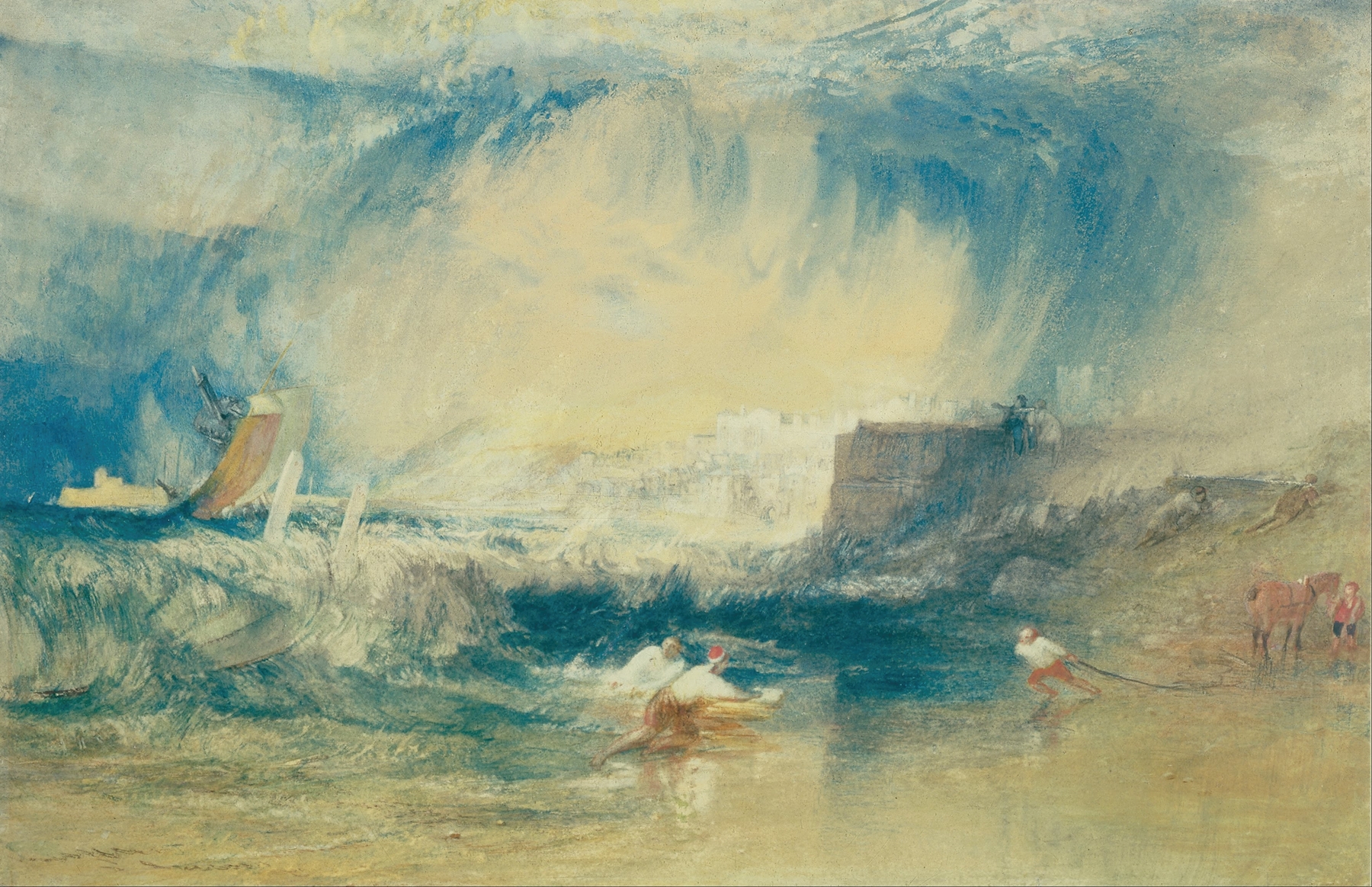
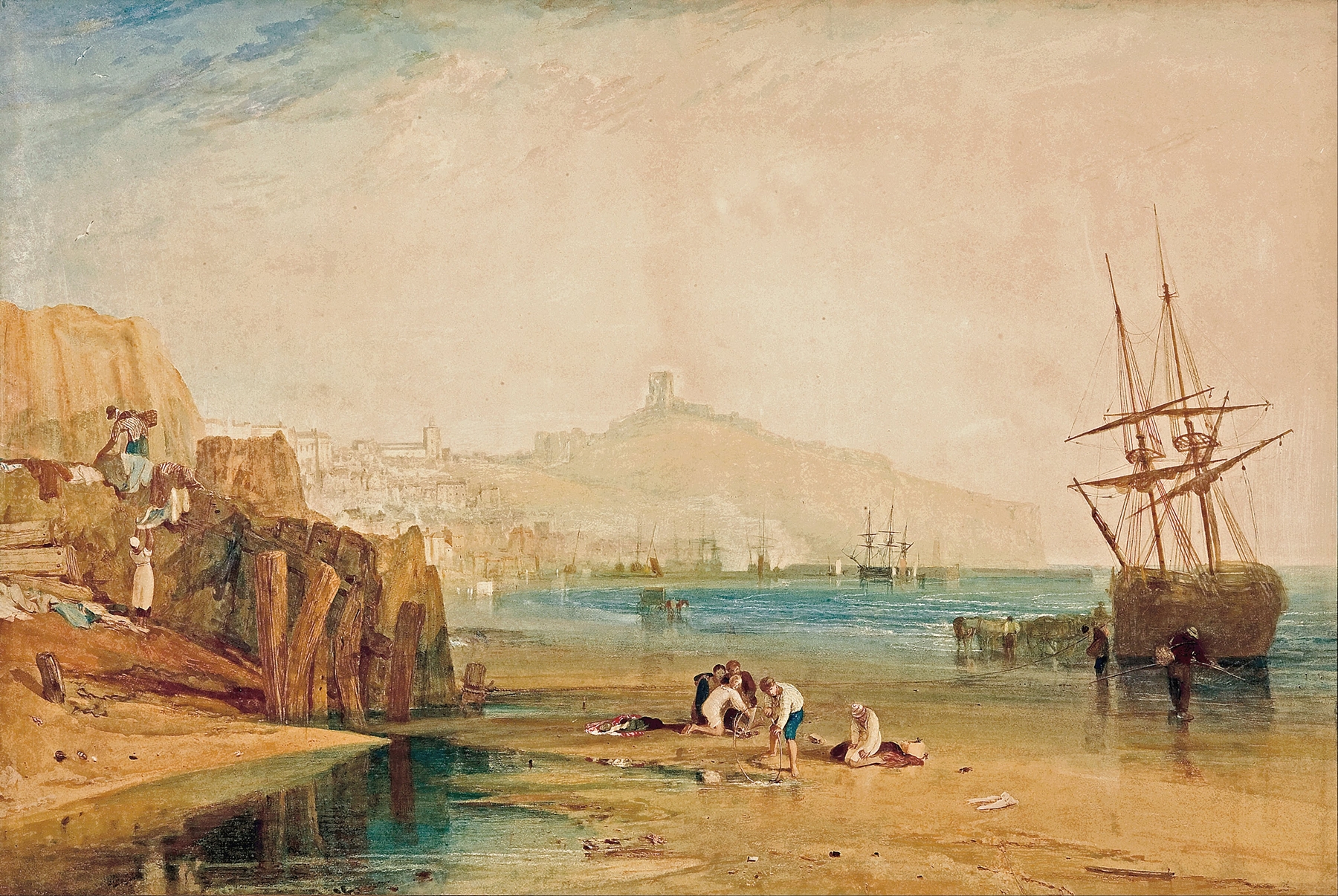
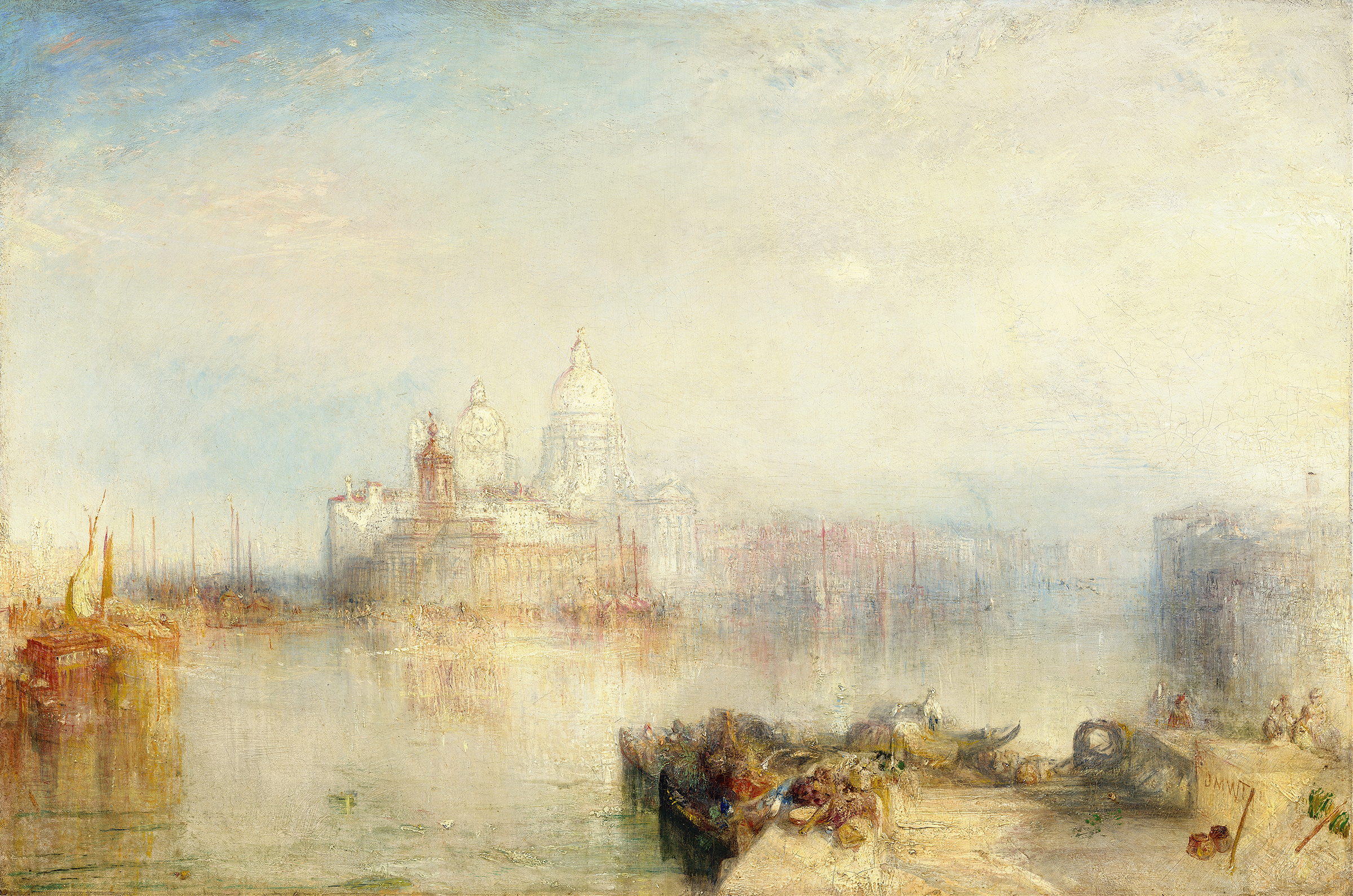
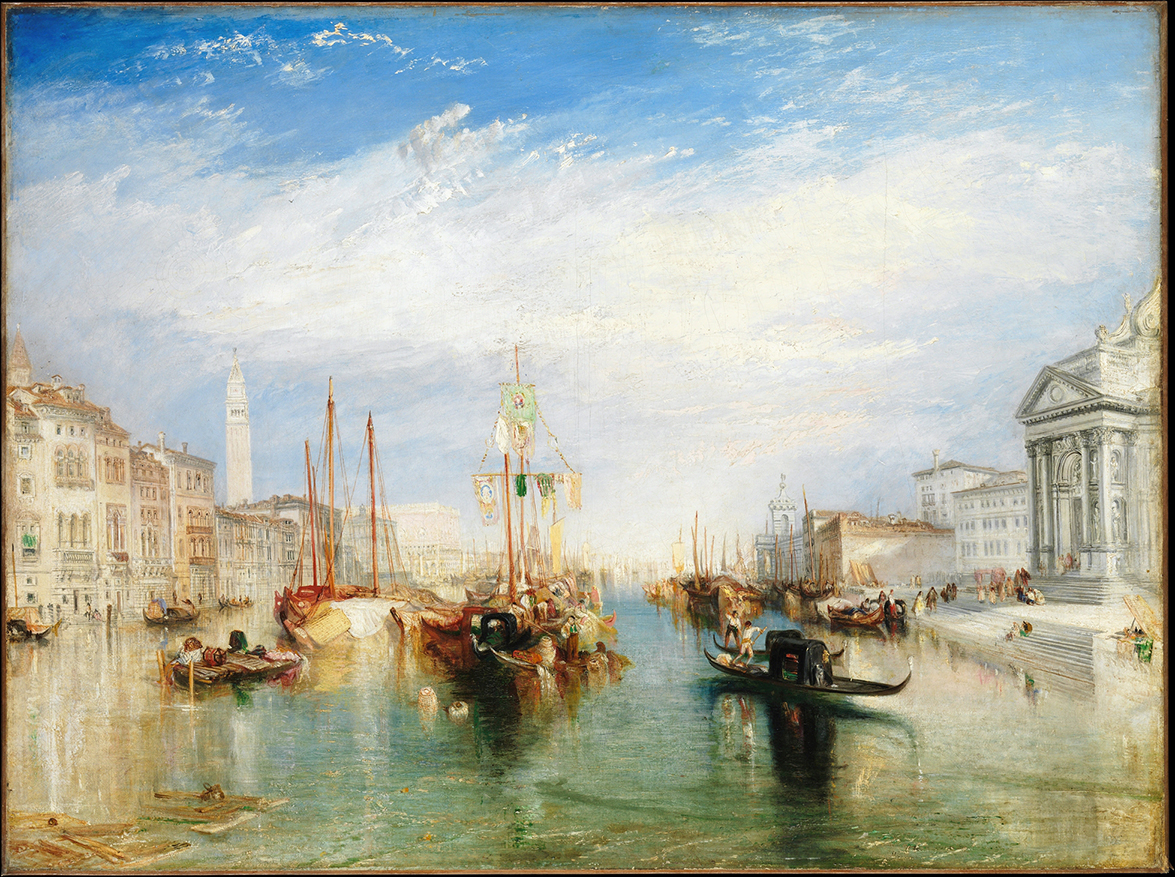
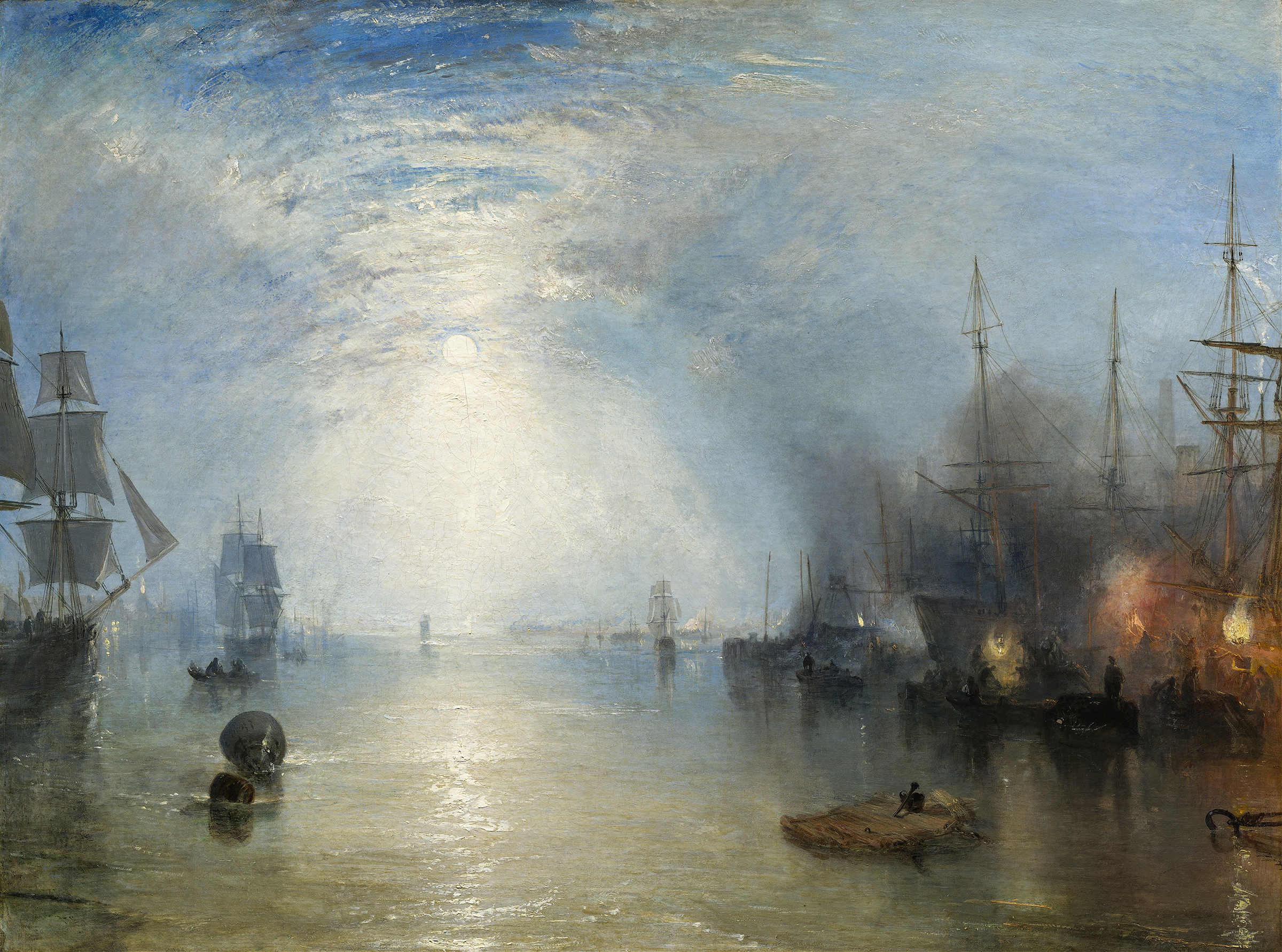
“Sometimes beauty is just pain, disguised in gold.” The shimmering hues in this work invite contemplation on the depths of desire, where loss often leaves behind a golden trace. Here, yearning takes on a physical form, embodying the struggle between hope and sacrifice. Focus on the expansive sky, painted in vibrant streaks of gold and orange, where light struggles to break through dark, brooding clouds. The central figure, Regulus, stands poised at the edge of a ship, his posture taut with the weight of his decision. The turbulent waters below reflect the chaos of his inner turmoil, while the distant shores of Carthage fade into the haze, suggesting both a longing and a finality.
The interplay of light and shadow creates a dramatic tension that pulls the viewer into this moment. Beneath the surface of this striking composition, the narrative reveals itself as one of sacrifice and duty. Regulus’s gaze toward the horizon speaks to a profound longing for freedom, juxtaposed against the chains of obligation binding him to his fate. The vibrant color palette, particularly the warm tones, embodies both the allure of his choices and the painful consequences that follow.
Each brushstroke captures the essence of desire, reminding us that what we seek often comes at a cost. Joseph Mallord William Turner created this masterpiece between 1859 and 1861, during a period when he was exploring themes of human struggle against nature and fate. Living in London, he was experiencing a prolific time in his career, marked by an increasing interest in expressing emotional depth through color and light. This work reflects not only personal challenges but also a broader shift in the art world toward Romanticism, where the human experience was intertwined with the untamed forces of the natural world.