The Burning of the Houses of Lords and Commons, 16 October 1834 — History & Analysis
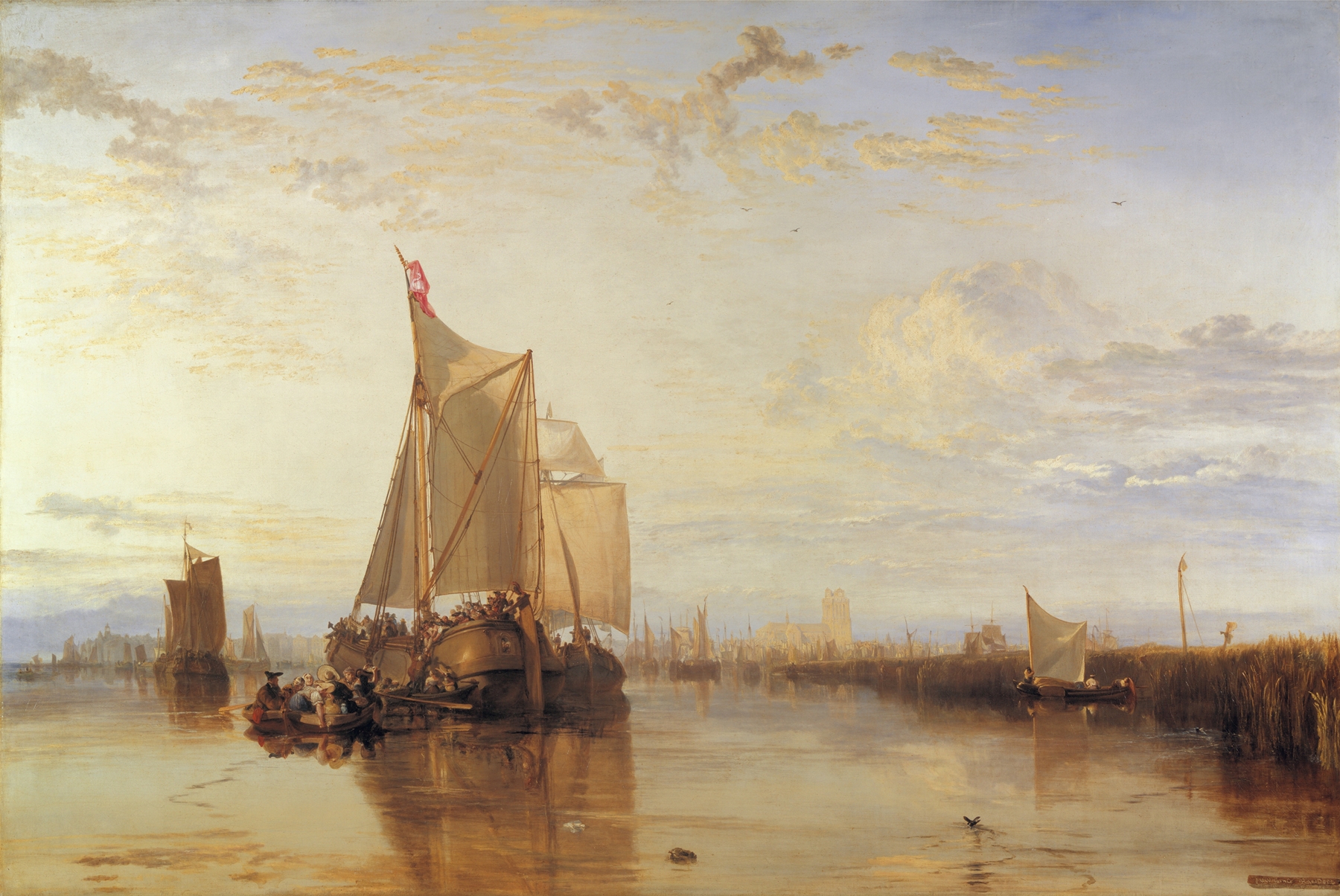
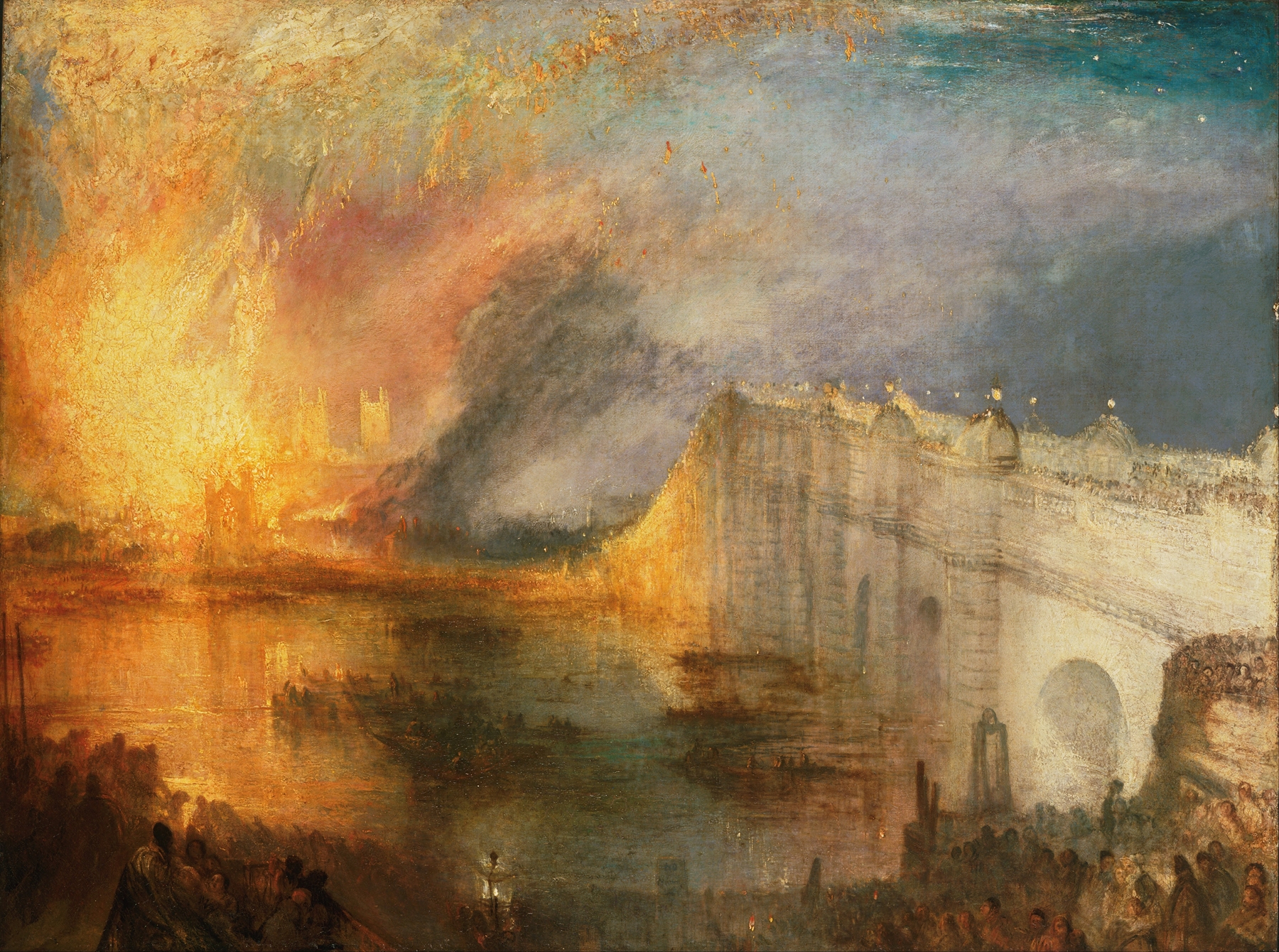
Where does light end, and longing begin? In the flickering glow of flames, deep-seated fears are ignited, revealing the fragile boundary between chaos and beauty. Look to the foreground, where the tumultuous waves of the Thames reflect the raging inferno above. The vivid reds and oranges dance violently against the cooler blues and greens of the water, creating a stark contrast that draws the eye. Notice how the crumbling architecture of the Houses of Lords and Commons emerges from the smoke, almost engulfed in the chaotic embrace of destruction, while figures in the boats below seem either paralyzed by awe or propelled by urgency. This dynamic interplay of light and shadow enhances the emotional weight of the scene, as it captures both the grandeur of the moment and the fleeting nature of human endeavor. The emotional tension reveals itself in the juxtaposition of celebration and despair; while the fire symbolizes both the end of an era and the potential for renewal, the chaos evokes a collective fear of loss. The swirling clouds of smoke serve not only as a backdrop for the disaster but also as a metaphor for uncertainty and change. Hidden details, like the distant figures in the boats, embody a spectrum of responses, from fascination to horror, mirroring society’s complex relationship with political upheaval. In 1835, the artist painted this piece shortly after the catastrophic event that engulfed the British Parliament. Turner was deeply immersed in the Romantic movement, capturing the sublime in nature and human experience. This tumultuous period in art saw a shift towards more emotional and dynamic representations, reflecting the societal upheavals of the time, thereby echoing Turner’s own fears and aspirations as he sought to illuminate the very essence of existence through his brush.