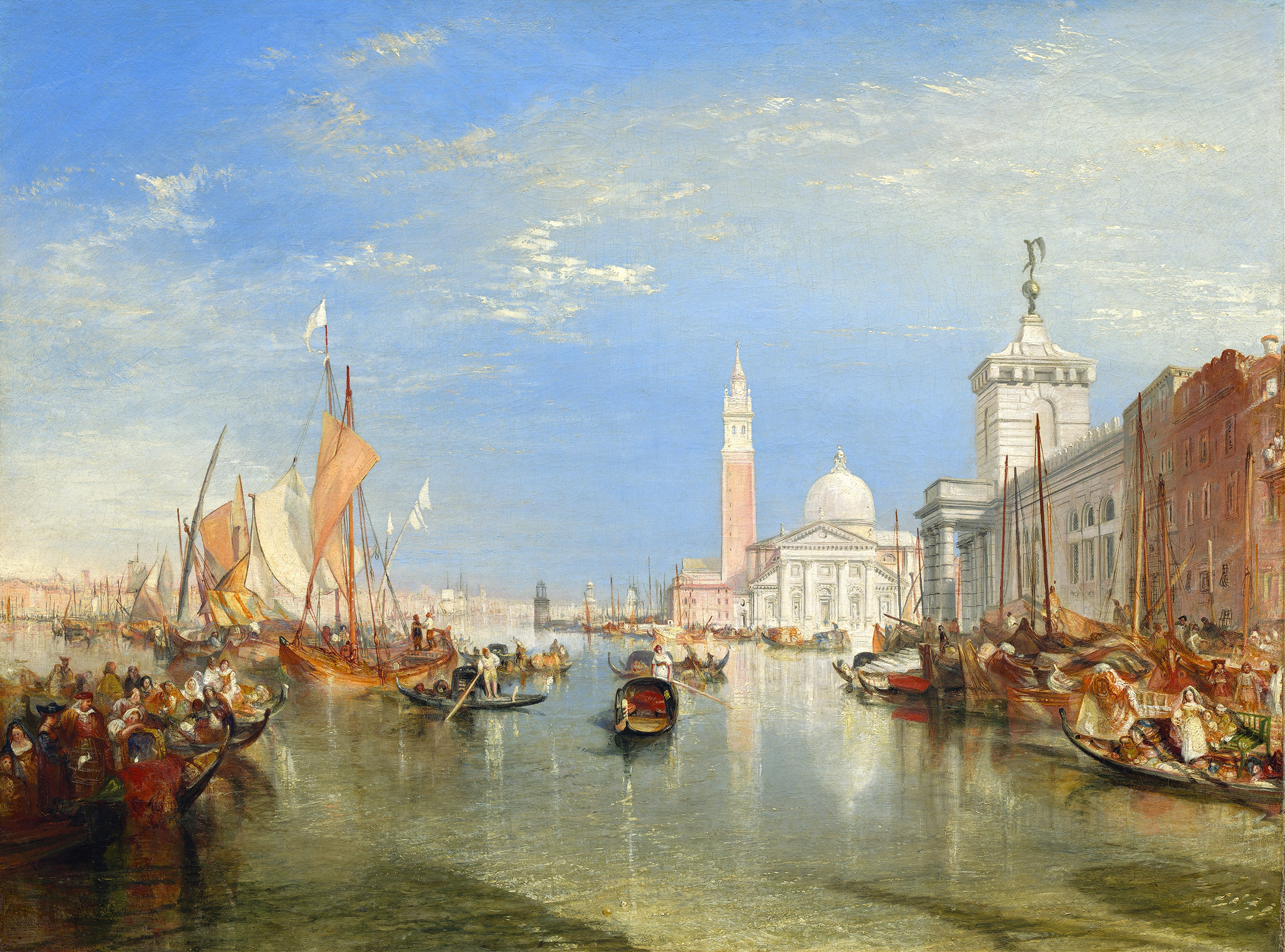
Venice – The Dogana and San Giorgio Maggiore — History & Analysis
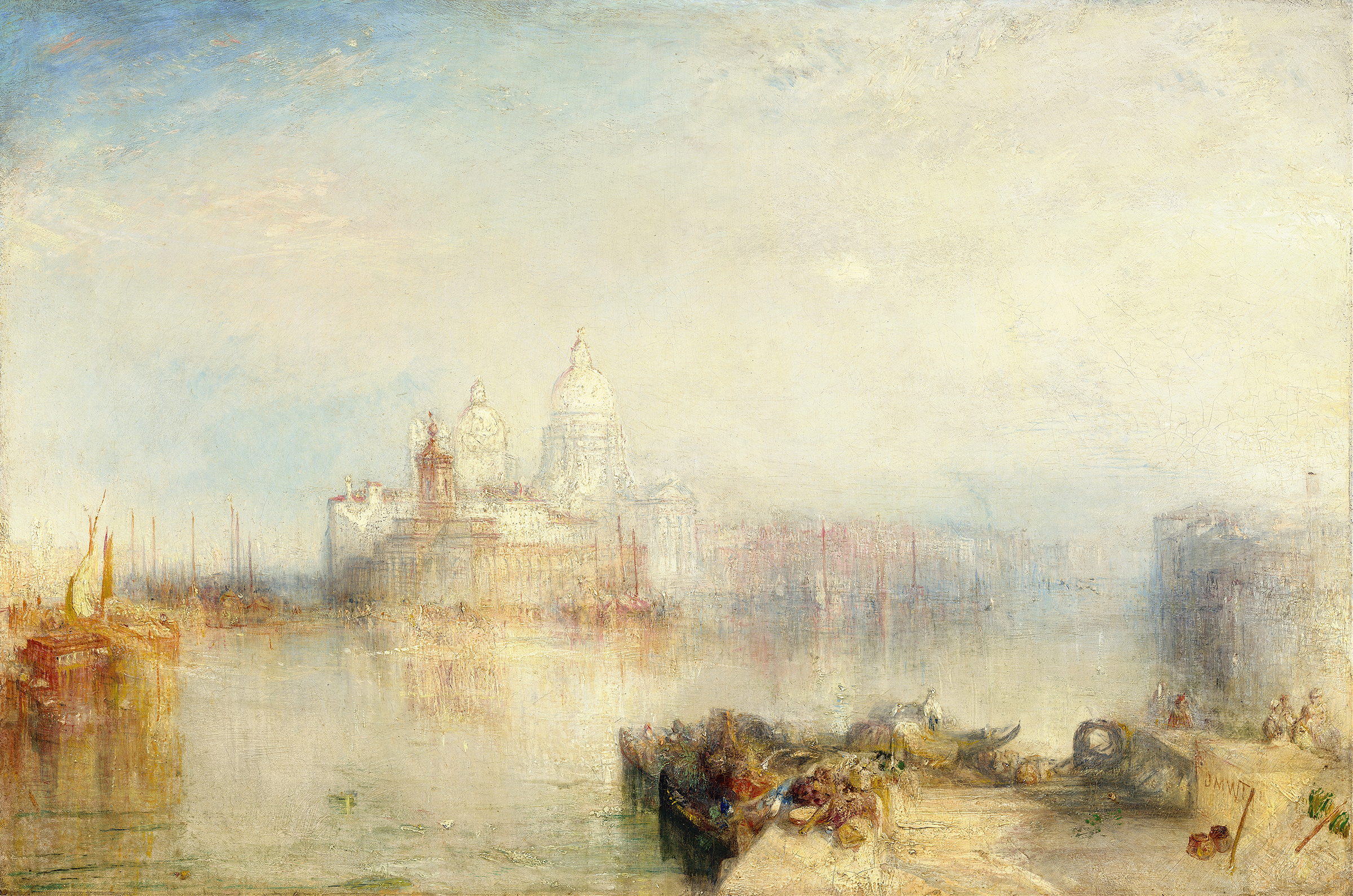
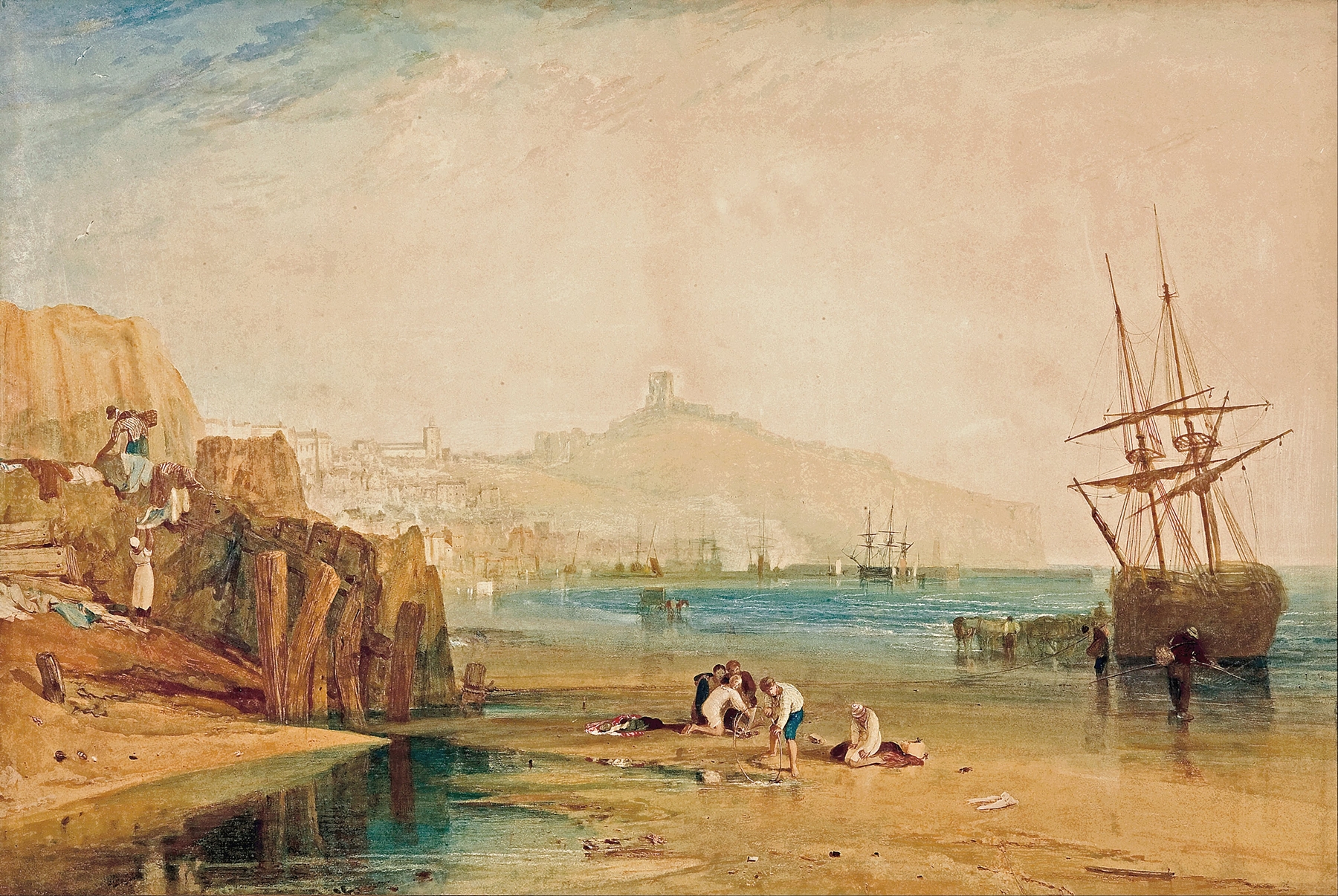
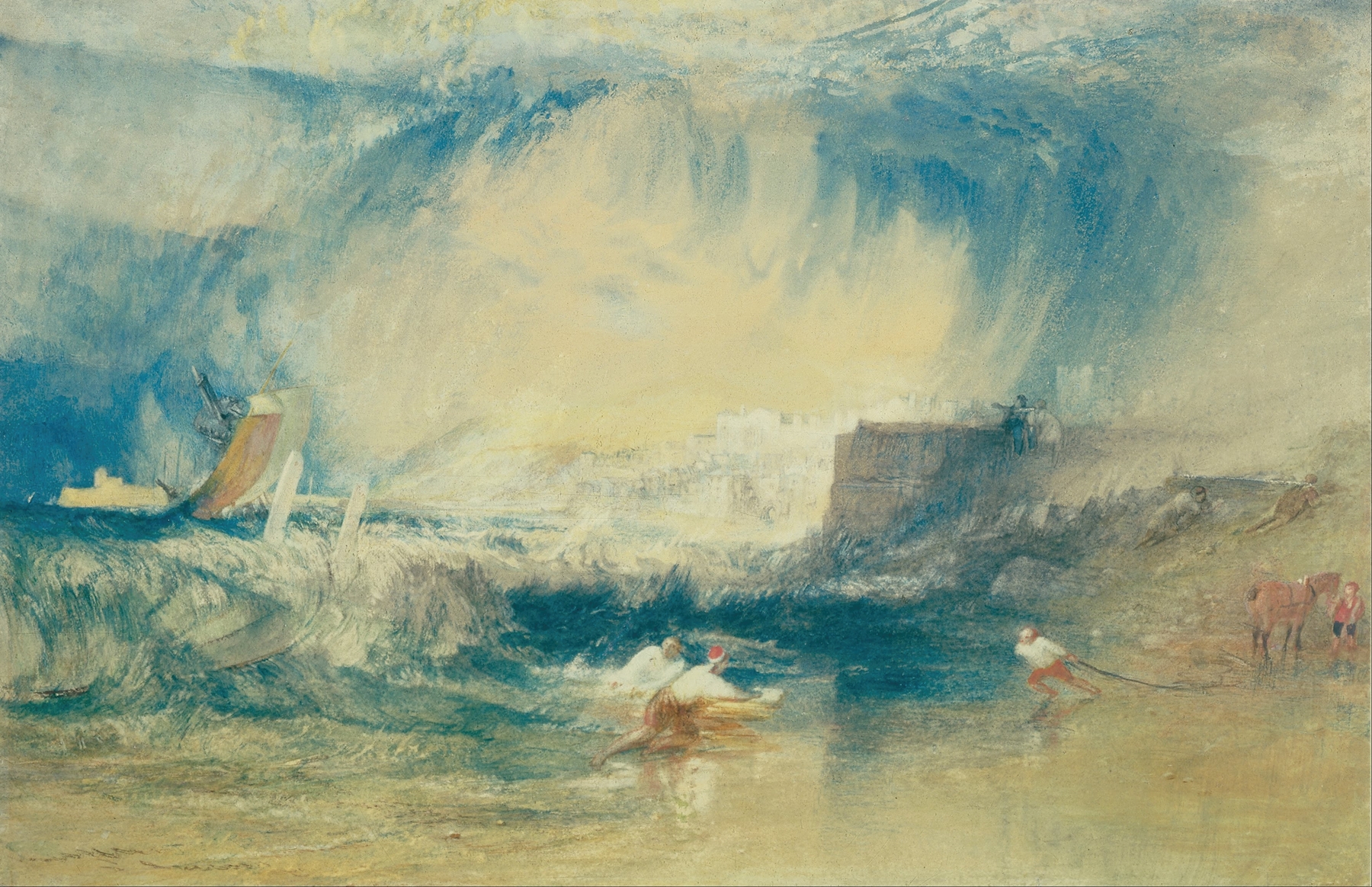
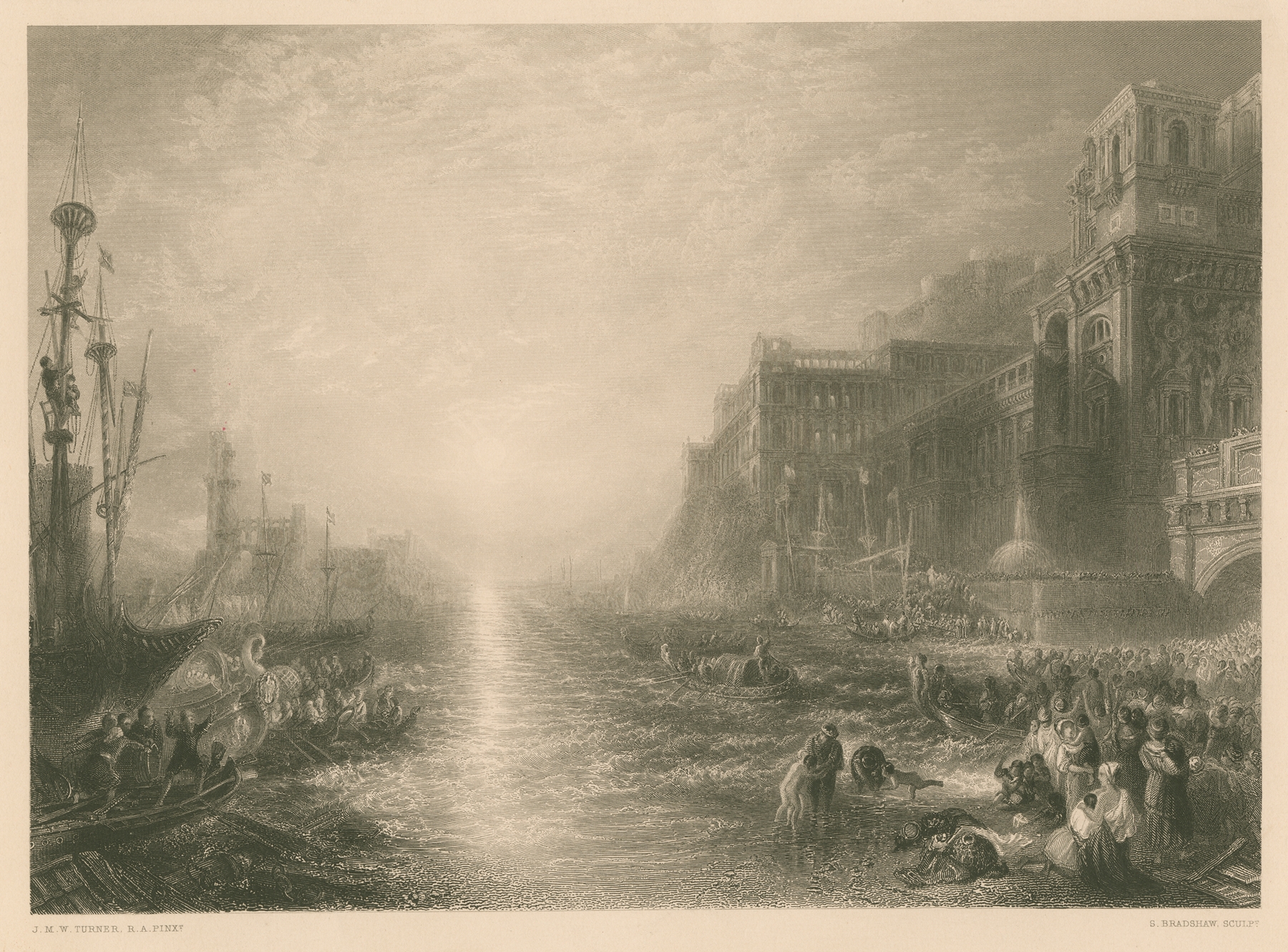
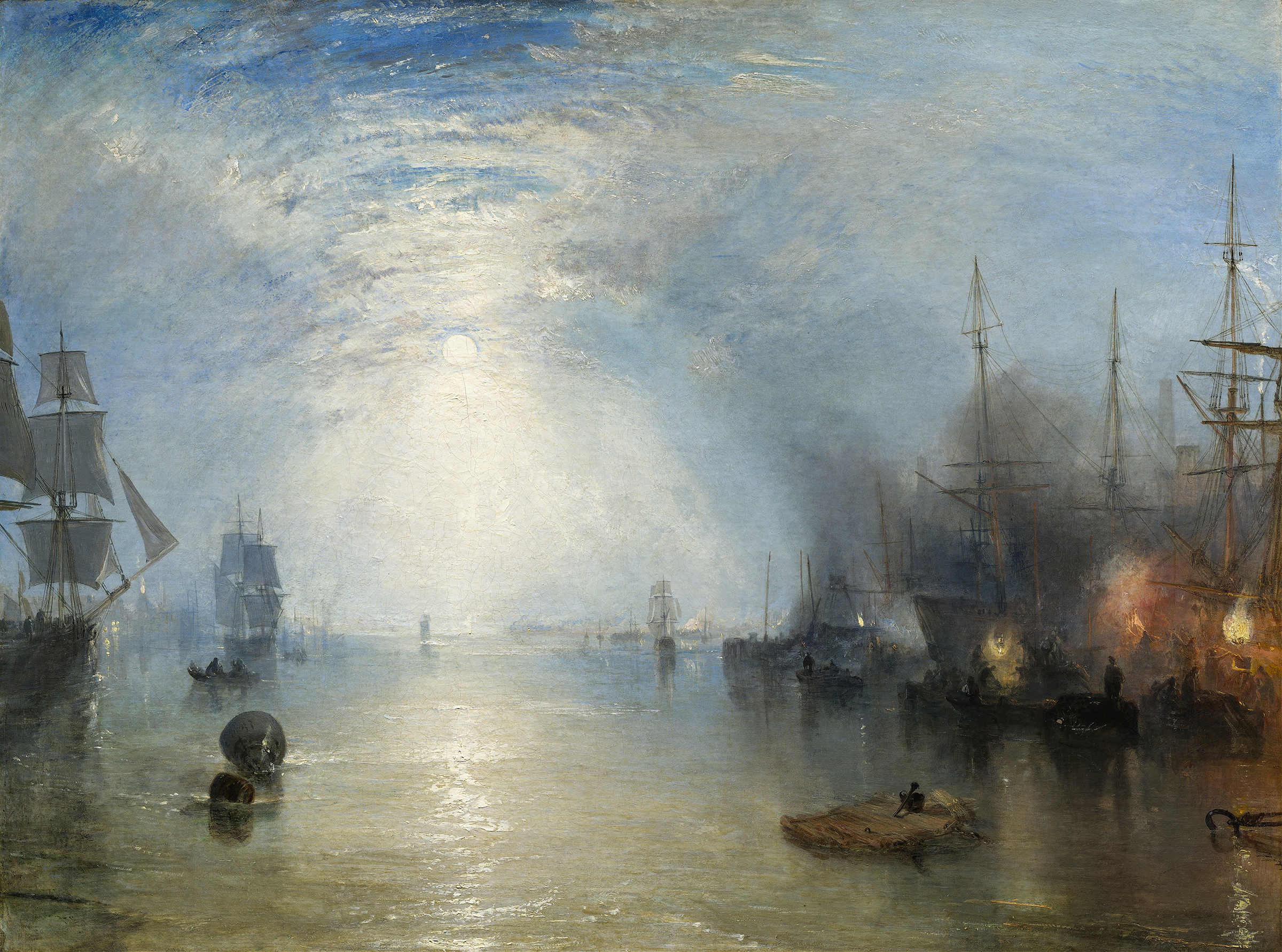
Is this a mirror — or a memory? In *Venice – The Dogana and San Giorgio Maggiore*, light dances upon the water, lifting the viewer into a realm where the ethereal blurs with the tangible, and divinity seems within reach. Look to the center, where the imposing architecture of the Dogana emerges, its silhouette softened by a golden haze. The interplay of warm ambers and cool blues draws the eye toward the majestic San Giorgio Maggiore, its spire piercing the sky. Turner’s masterful brushstrokes create a shimmering surface, as if the entire scene is a reflection on the cusp of existence and illusion, inviting contemplation of what is real and what is transient. Beneath the surface, the canvas pulses with contrasts: the solidity of the buildings against the fluidity of the water, the vibrancy of color juxtaposed with a haunting quietude. This tension evokes a sense of longing — perhaps for an unattainable past or a sacred moment that stands just out of reach. Each detail holds a fragment of the divine, suggesting that beauty is both ephemeral and eternal. In 1834, Turner found himself deeply inspired by his travels, returning from a trip to Venice that crystallized his meditations on light and atmosphere. At this time, he was forging a path that intertwined Romanticism with a burgeoning interest in Impressionism, exploring how natural elements could evoke profound emotional responses. The work reflects not only his personal journey but also the wider artistic shifts occurring in Europe, as artists began to embrace the transient effects of light and color in their quest for truth.