Rescue at Sea — History & Analysis
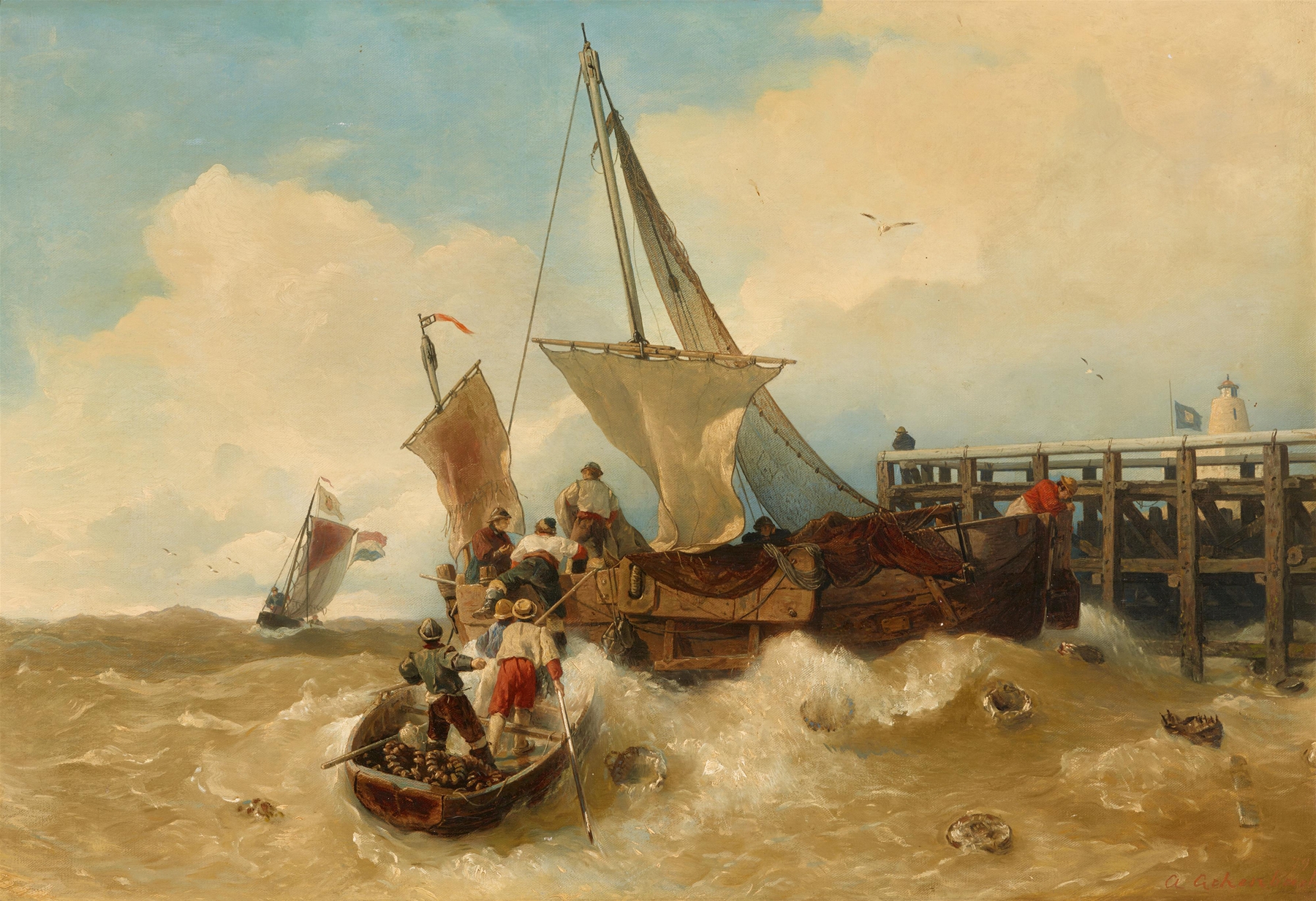
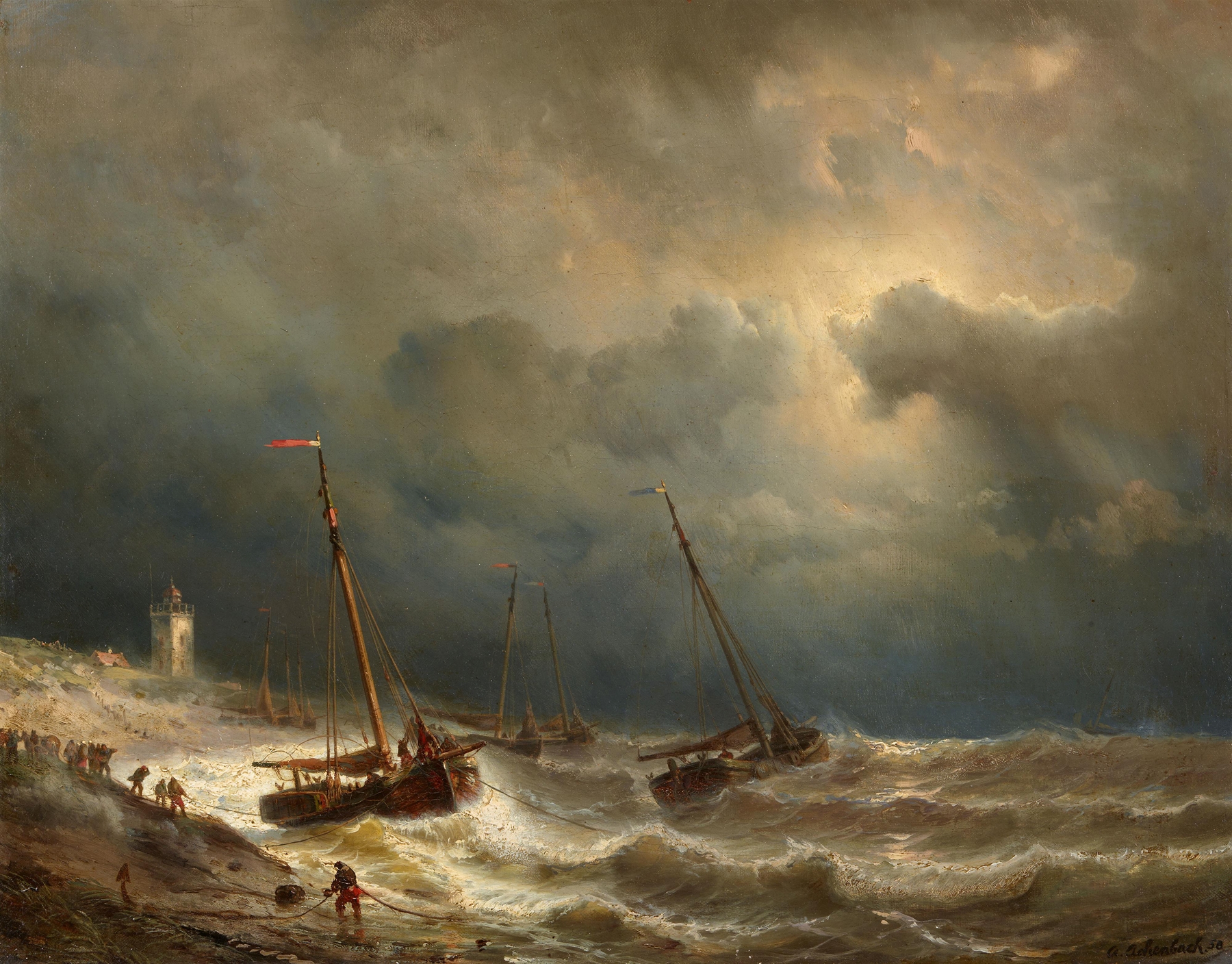
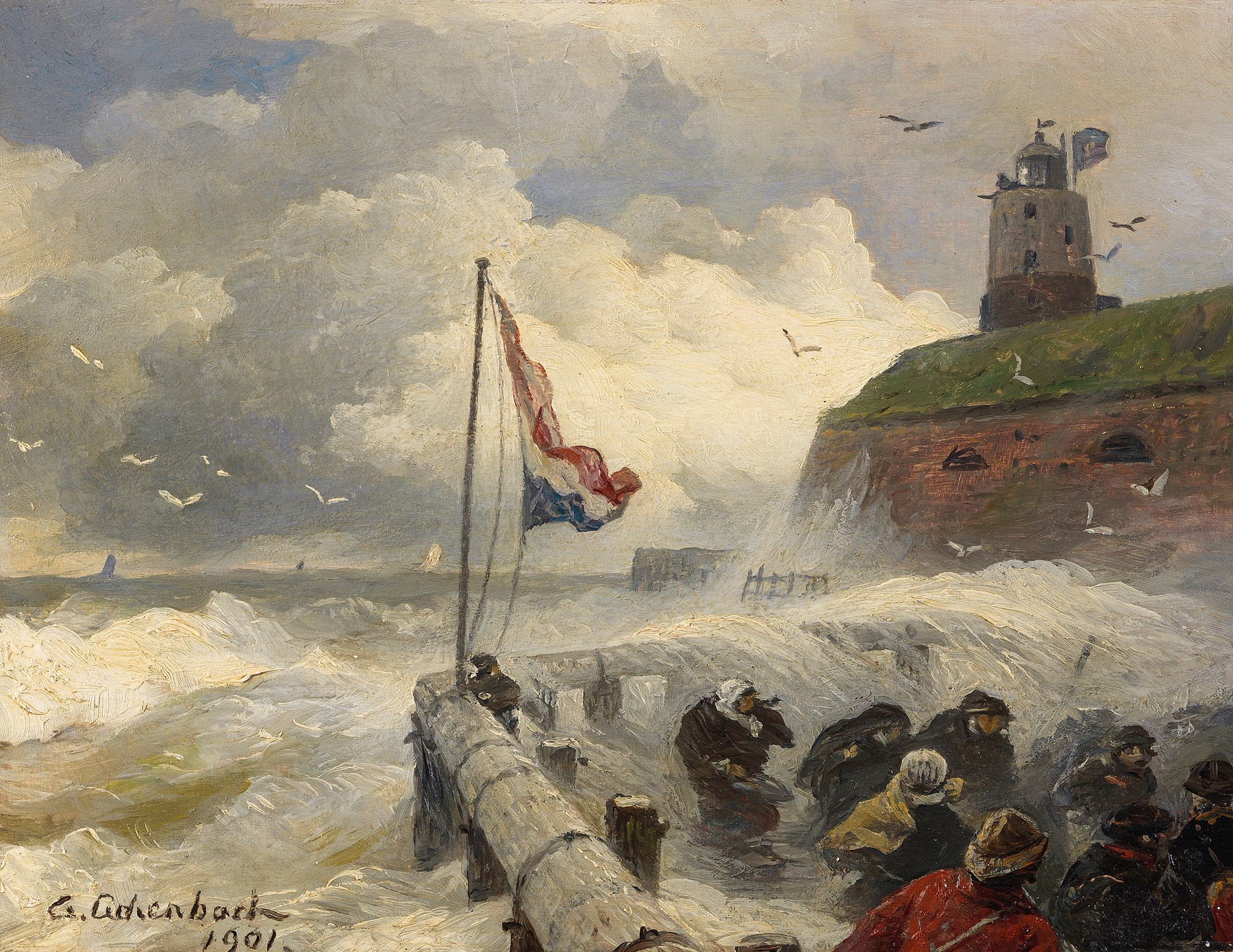
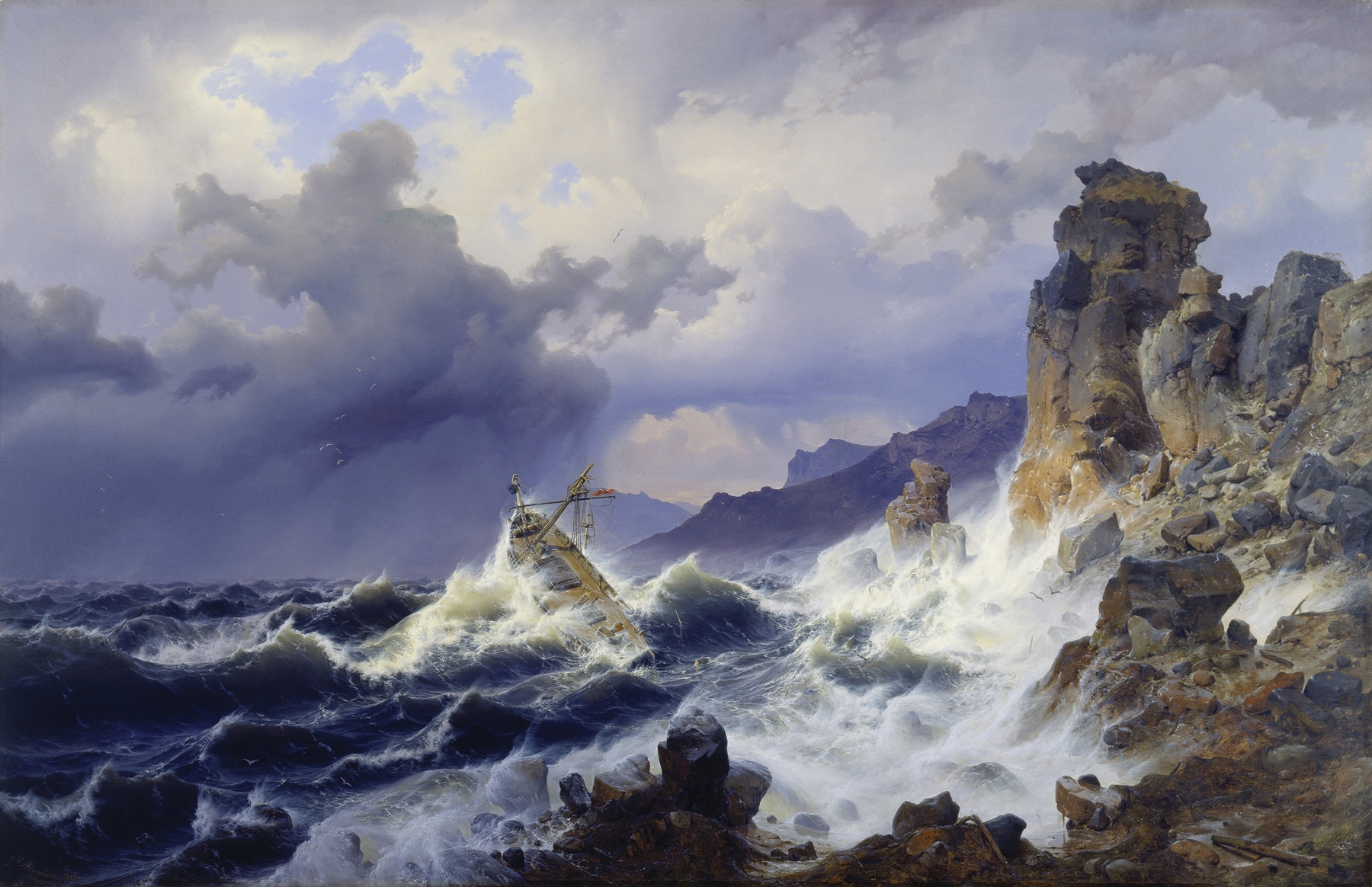
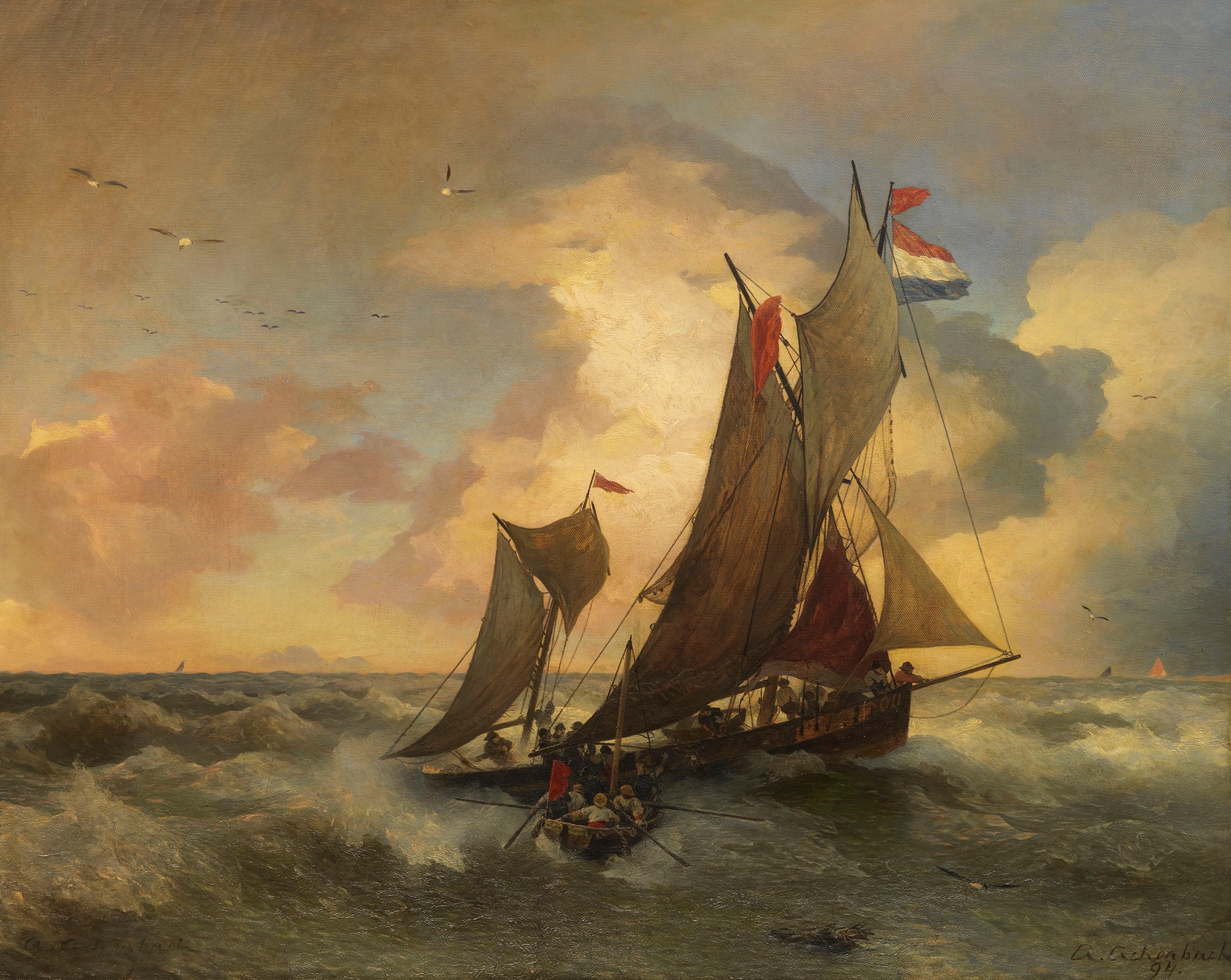
Who listens when art speaks of silence? In Rescue at Sea, the haunting vastness of the ocean reflects the deep solitude inherent in human struggle. Focus your gaze on the turbulent waves crashing against the fragile lifeboat, where shadows dance across the surface, conjuring a sense of chaos and despair. Notice how the muted palette of grays and blues envelops the scene, heightening the drama as the sun breaks through the clouds, casting flickering light on the figures within the boat.
The churning sea seems almost alive, its wild energy contrasted by the desperate calmness of the stranded sailors. Amidst the tumult, a poignant tension unfolds—a blend of hope and despair. Each face in the lifeboat tells a story of fear yet flickers with the glimmer of salvation as rescuers approach.
The loneliness of the sea emphasizes their isolation, while the distance between the lifeboat and the looming ship signifies both a physical and emotional separation, echoing the struggle of the human spirit against unforgiving nature. In 1891, the artist created this piece amidst a growing appreciation for Romanticism in art, capturing the sublime beauty and terror of nature. Achenbach was known for his dramatic landscapes, and during this period, he was deeply influenced by the interplay of light and shadow, reflecting both his personal experiences and the broader zeitgeist of a world grappling with the limits of human endurance.