Rest on the Flight into Egypt — History & Analysis
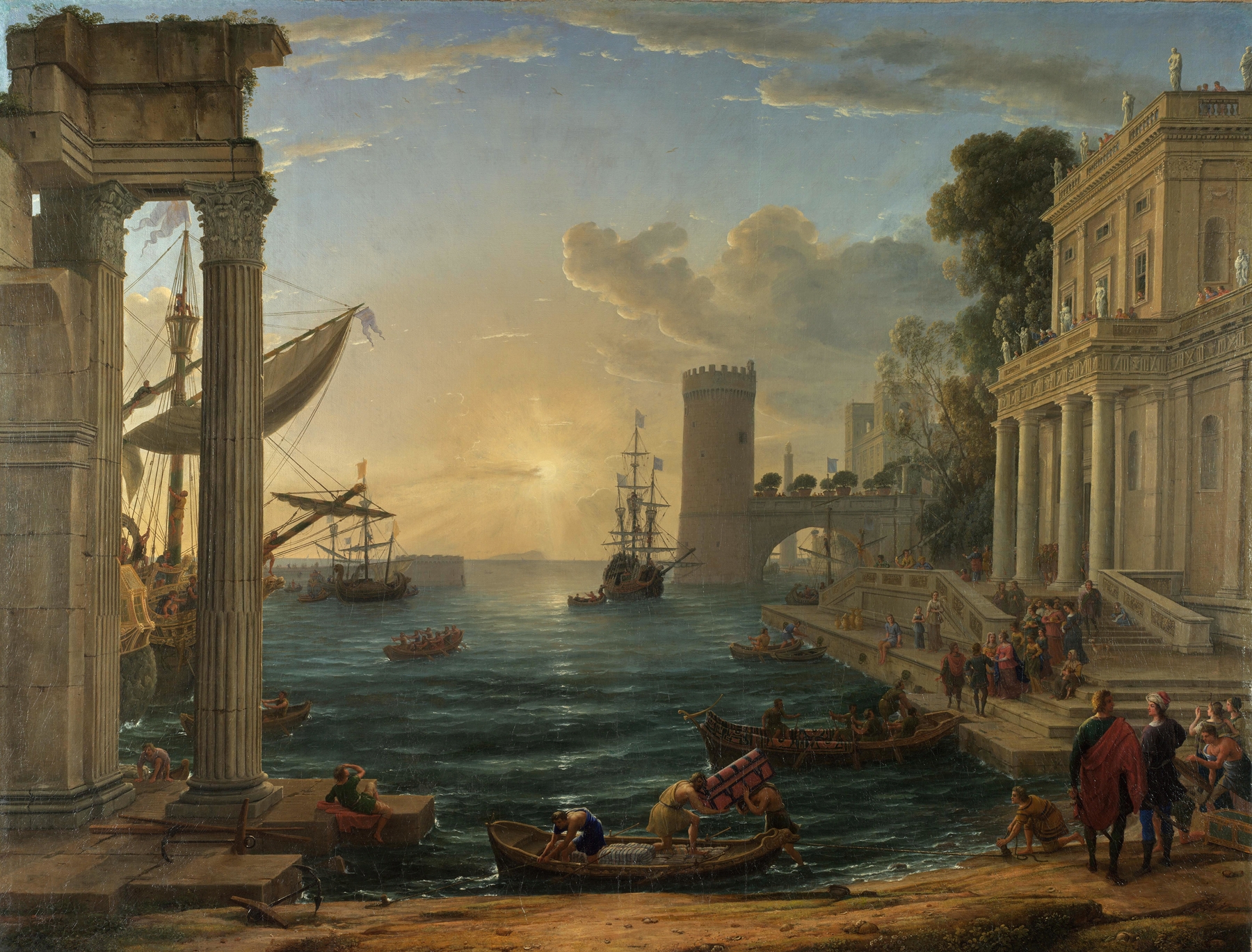
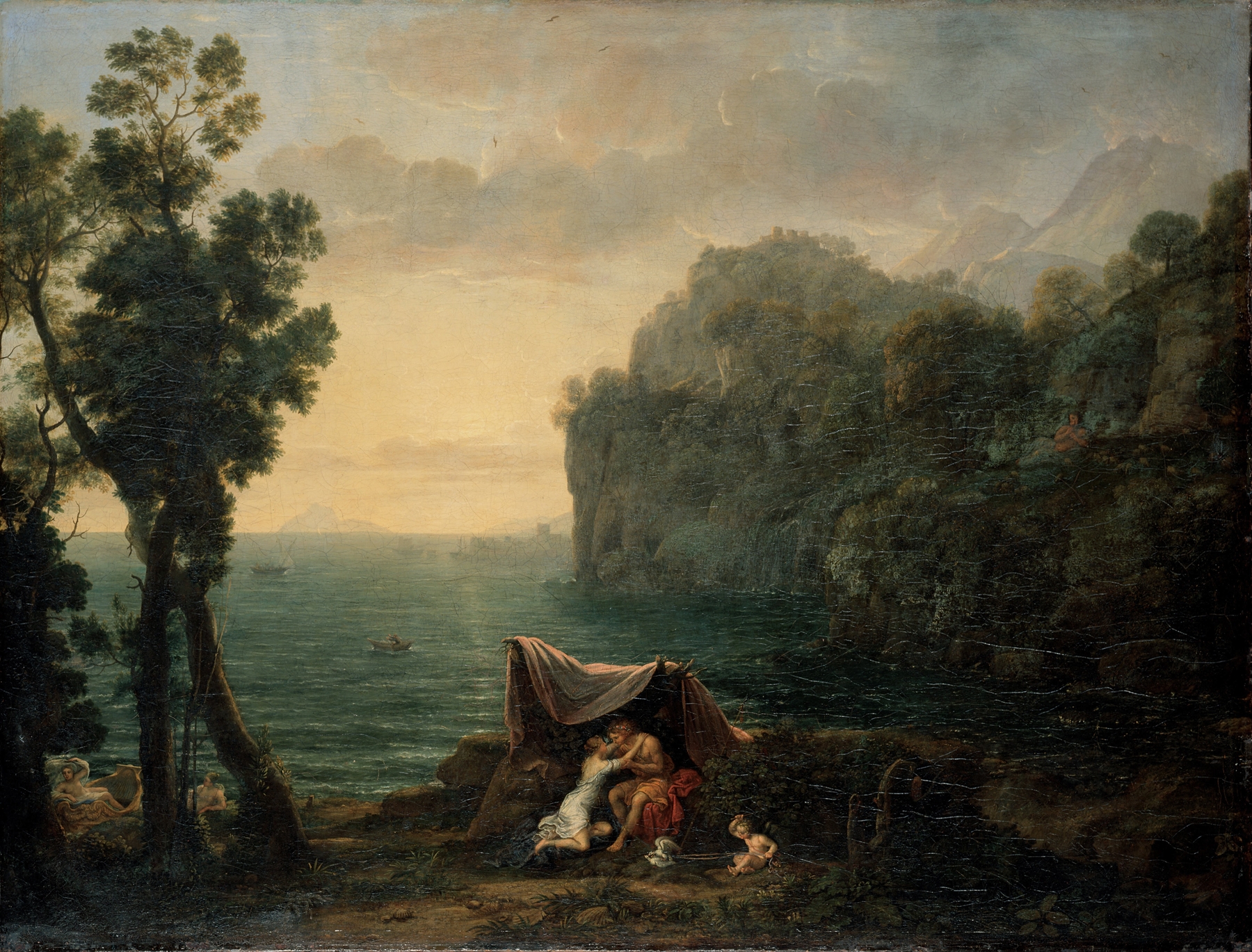
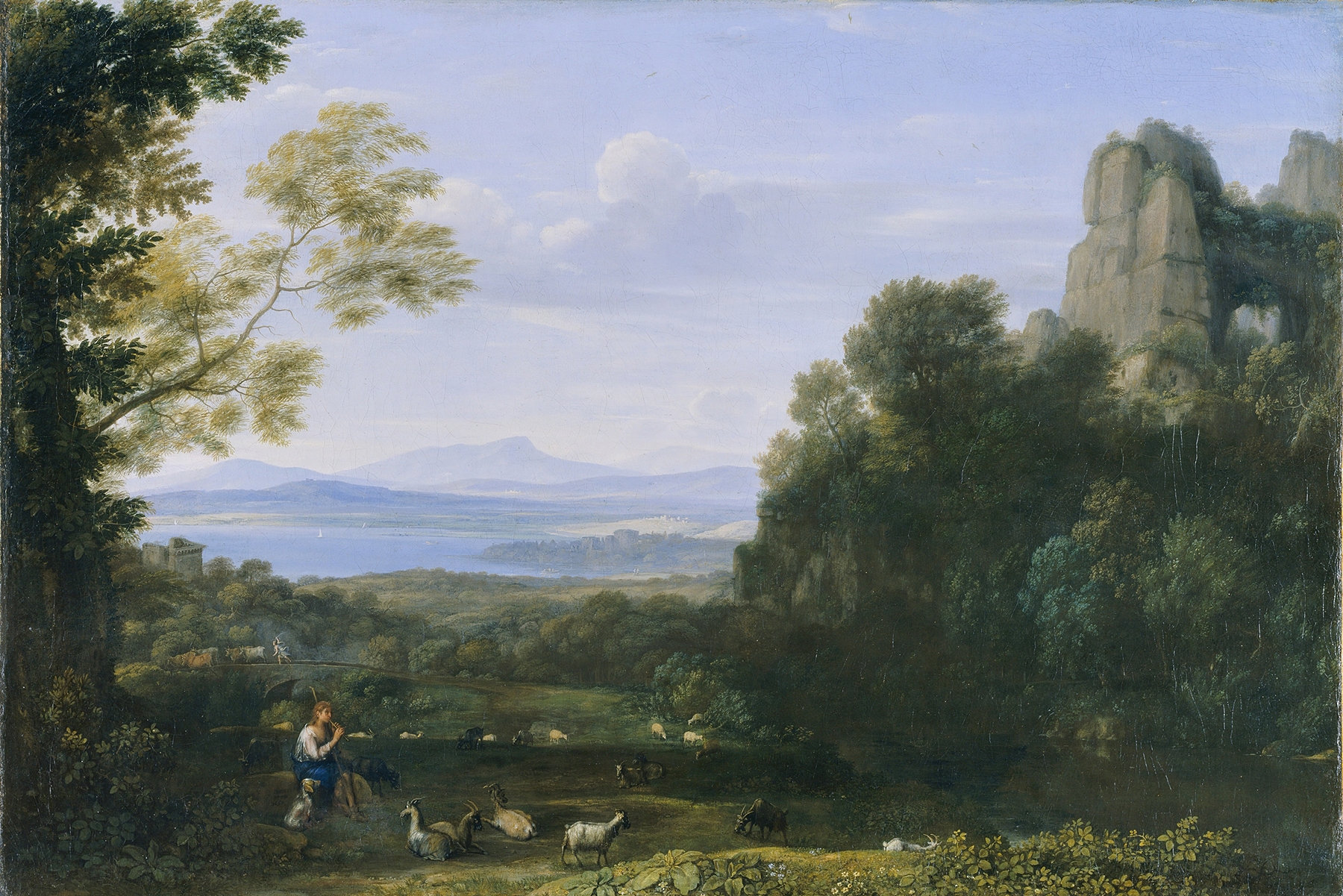
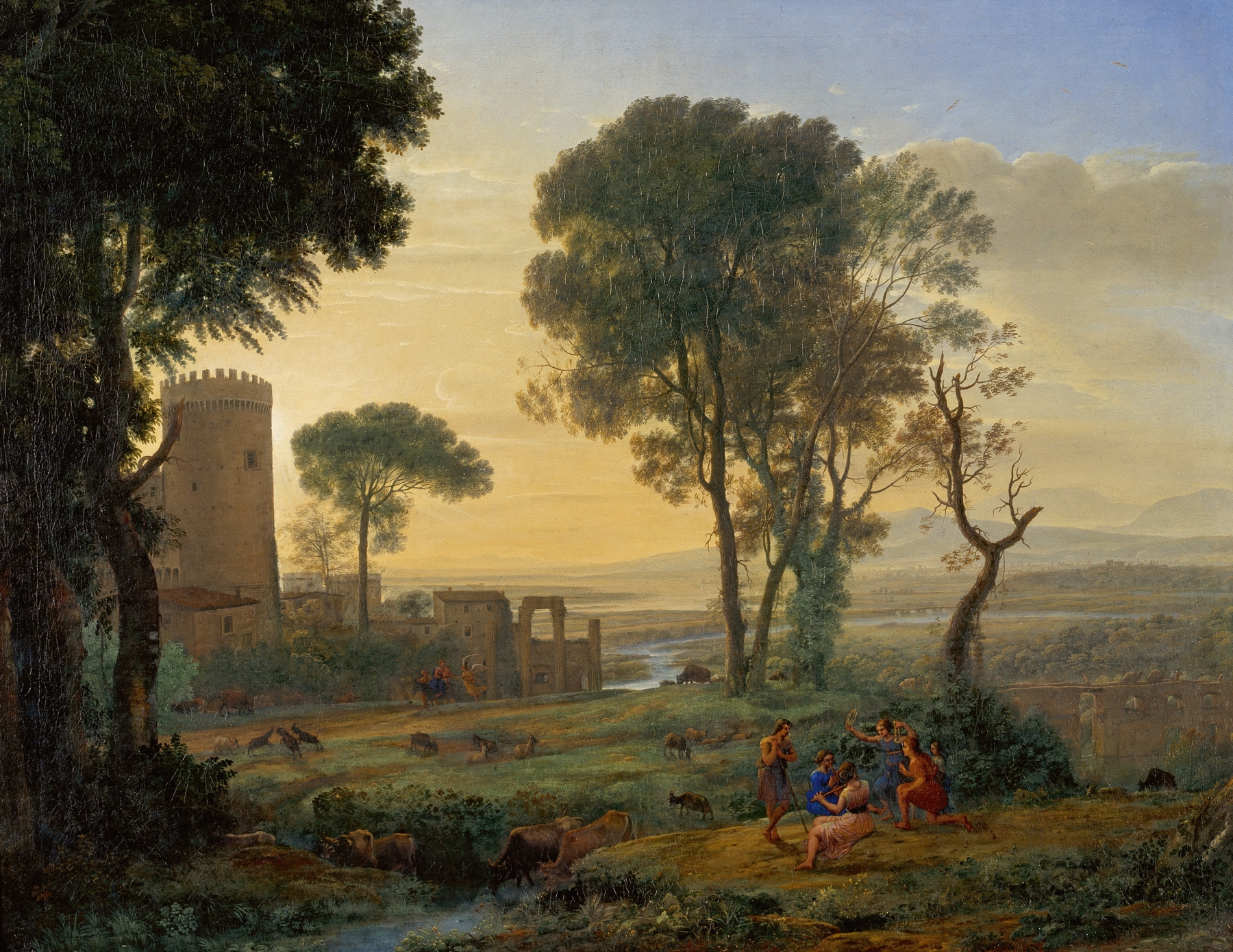
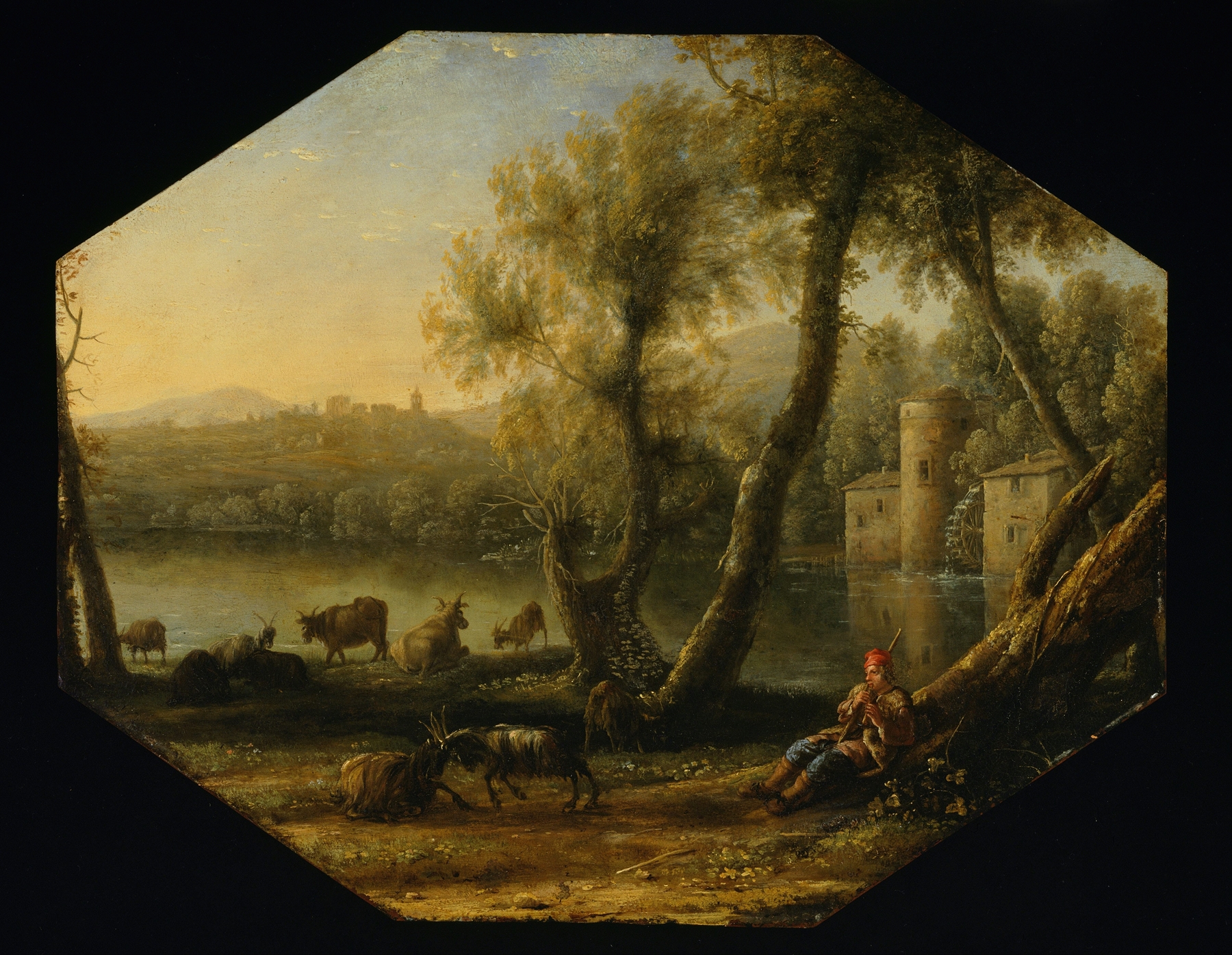
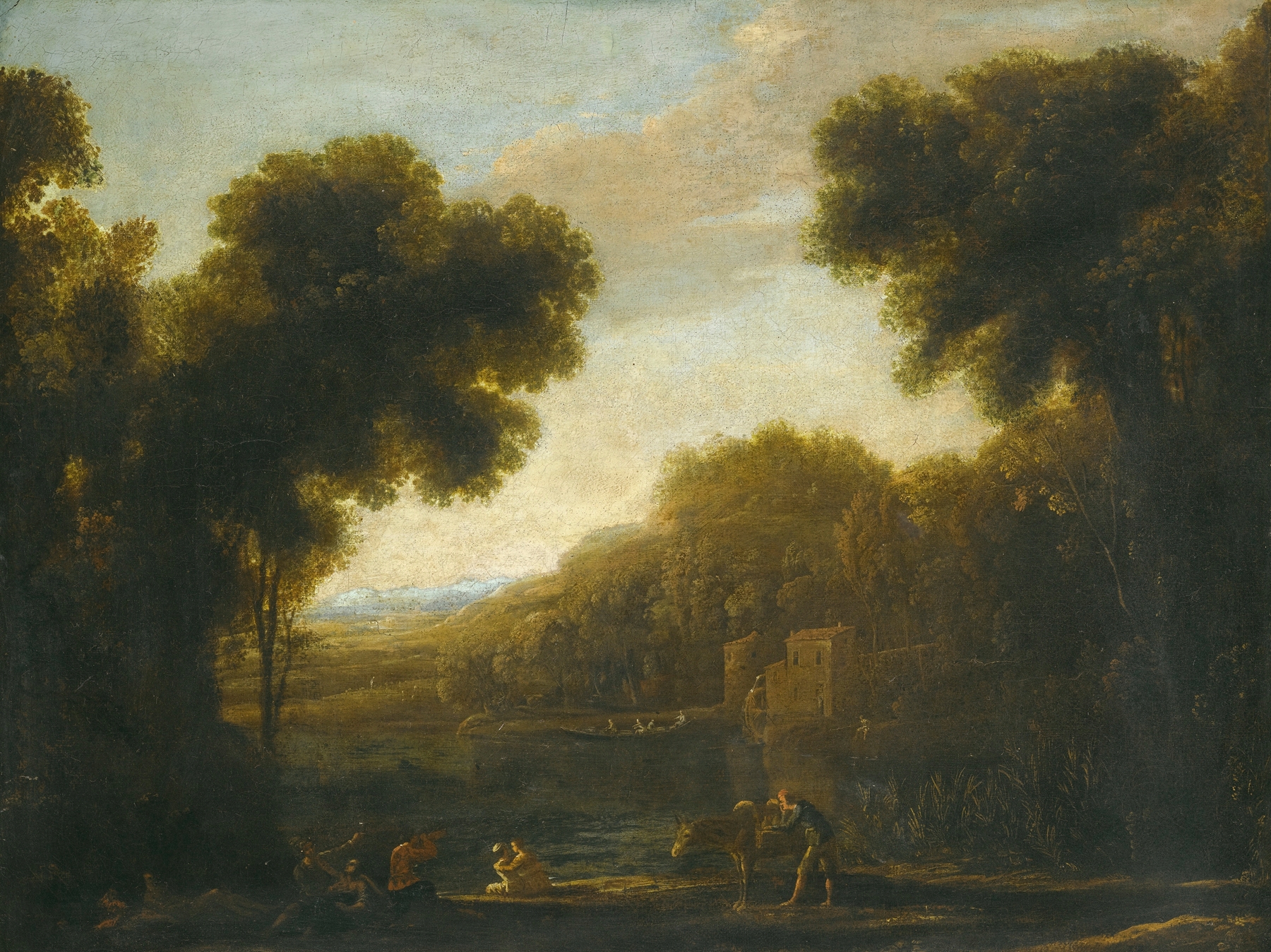
“Between color and silence, truth hides.” In the quiet embrace of twilight, the divine meets the ordinary, enfolding the sacred journey in an ethereal glow. The viewer is invited to explore the depths of a moment suspended in time, where the familiar intertwines with the miraculous. Look to the left at the gentle rise of the hills, softly bathed in golden light. The figures, Mary and Joseph, cradle the infant Christ, who rests peacefully against a backdrop of majestic trees and sweeping skies.
Notice how the warm hues blend seamlessly from ochre to burnt sienna, creating an atmosphere of serenity and warmth. The delicate brushwork captures the interplay of light and shadow, imbuing the scene with a sense of divine presence that hovers just out of reach. In the foreground, the contrasting silhouettes of a shepherd and his flock symbolize the earthly realm, punctuating the sacred with mundane life. The looming clouds above hint at impending trials, while the serene landscape provides solace and refuge.
This juxtaposition reflects the duality of existence—the divine journey intertwined with the earthly experience—capturing a moment of introspection and hope. During the early 1640s, Lorrain was immersed in the Baroque movement, exploring light and landscape in ways that transformed how nature was perceived in art. He painted Rest on the Flight into Egypt while in Rome, a period marked by a shift towards more emotional and narrative-driven works. His mastery of atmospheric effects and ability to fuse natural beauty with biblical narratives positioned him as a pivotal figure in the evolution of landscape painting.