Rocky Coast — History & Analysis
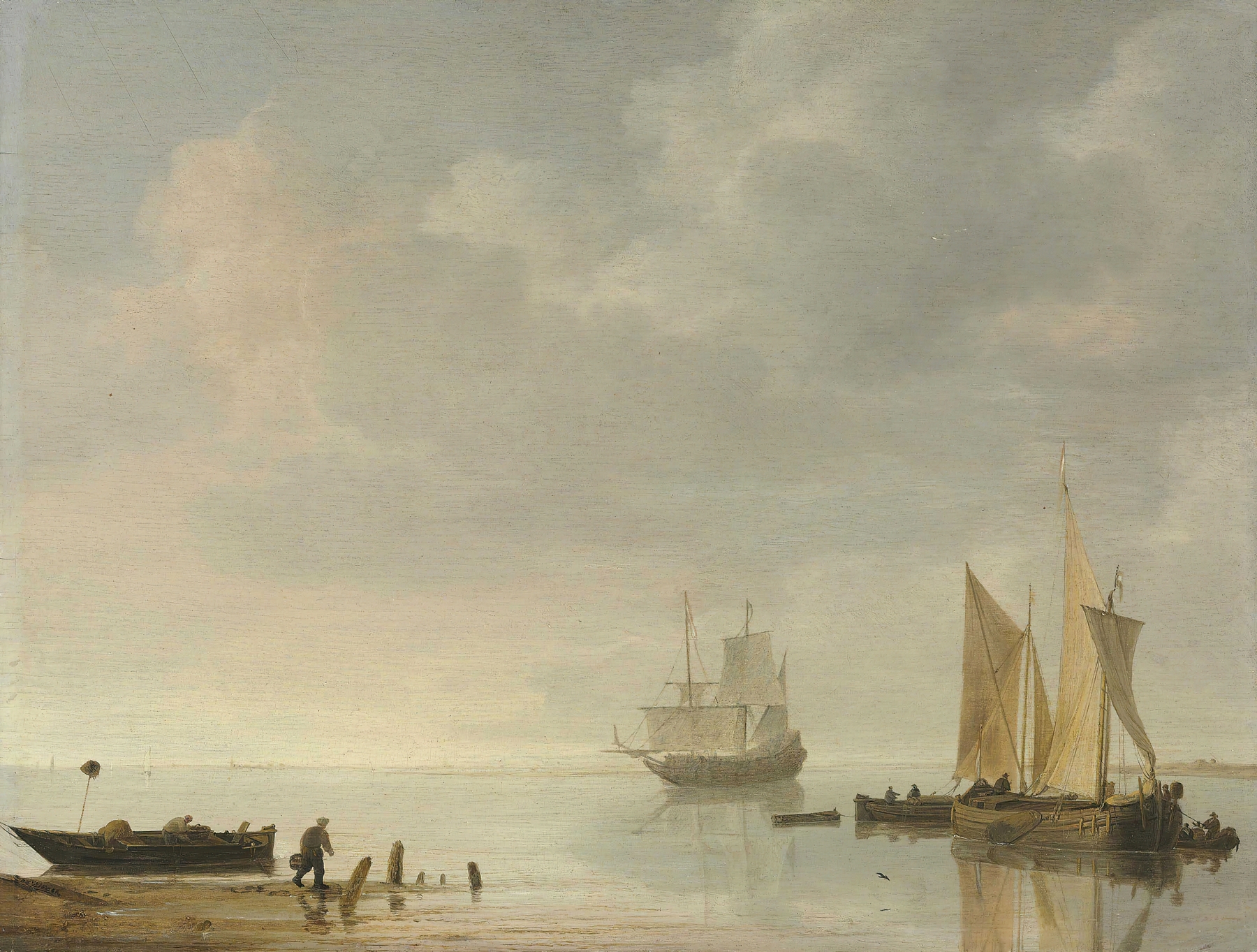
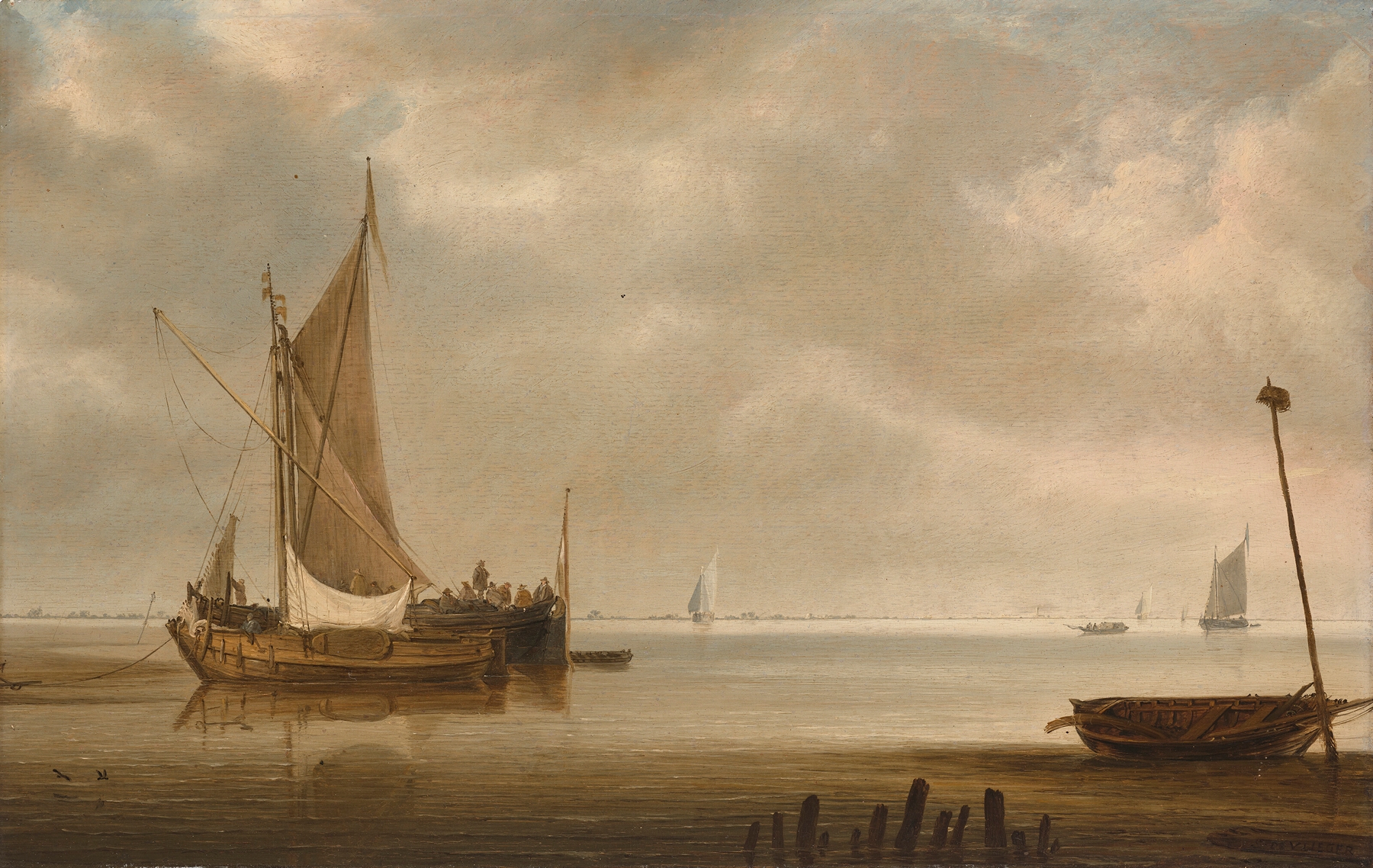
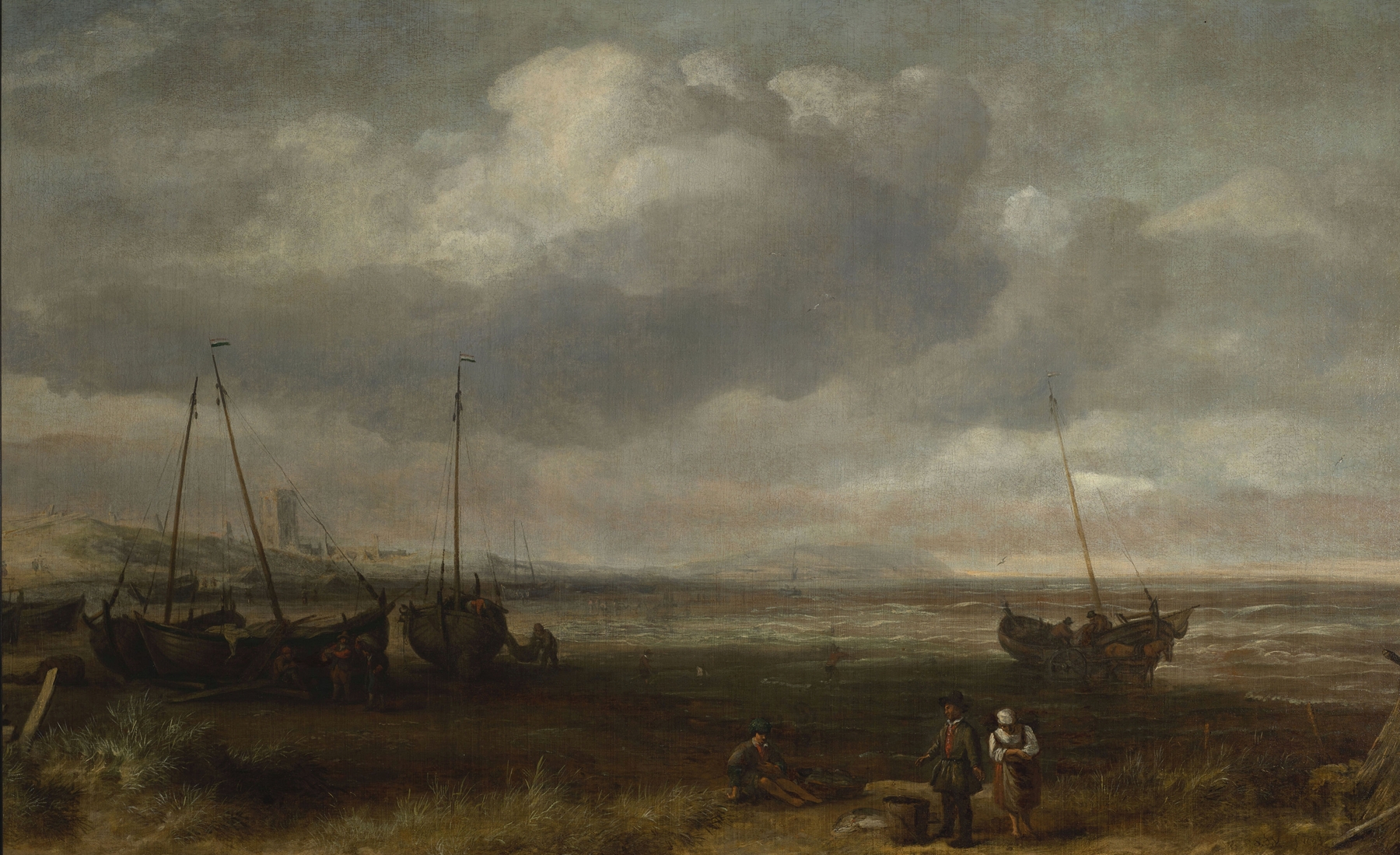
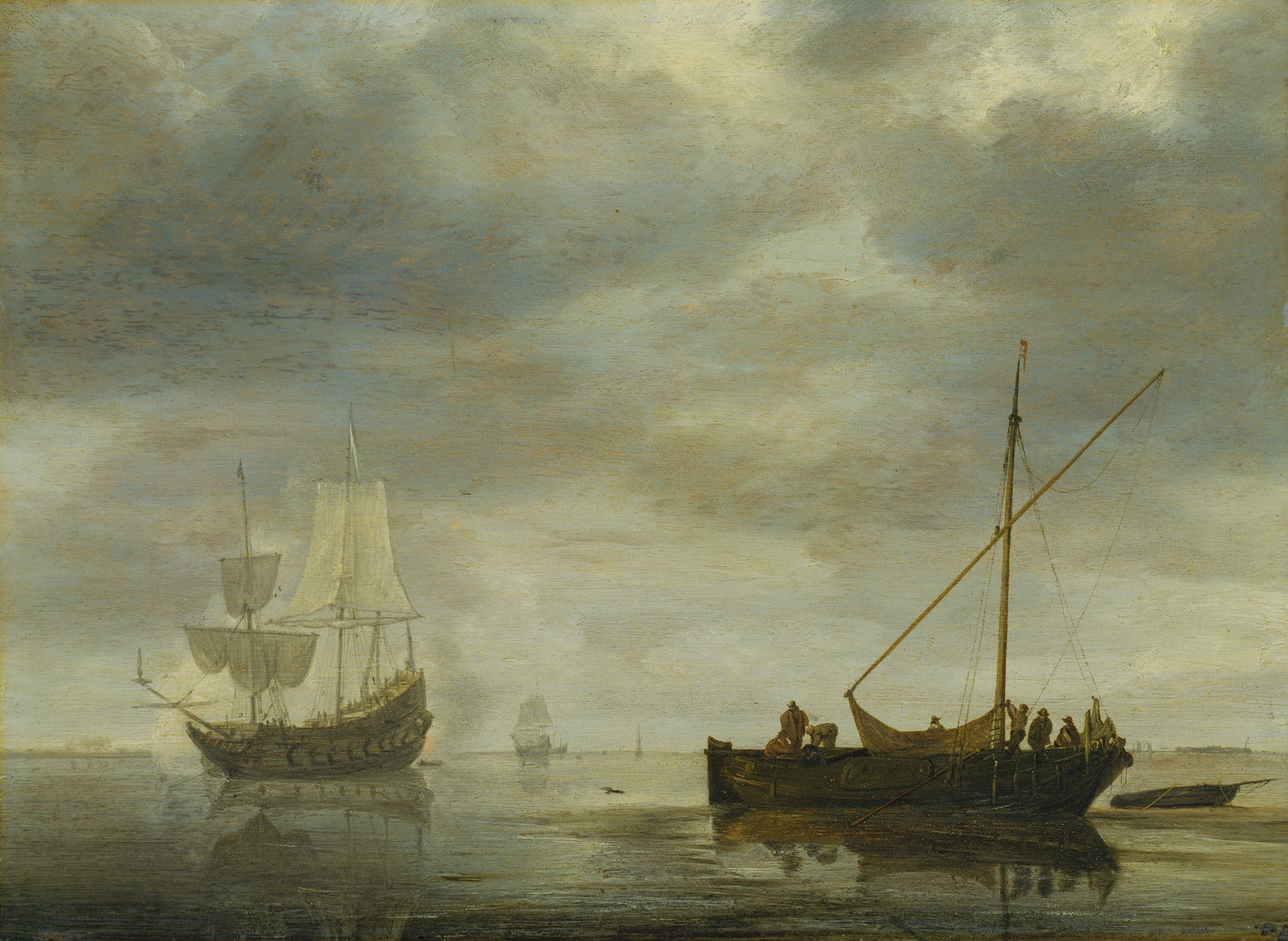
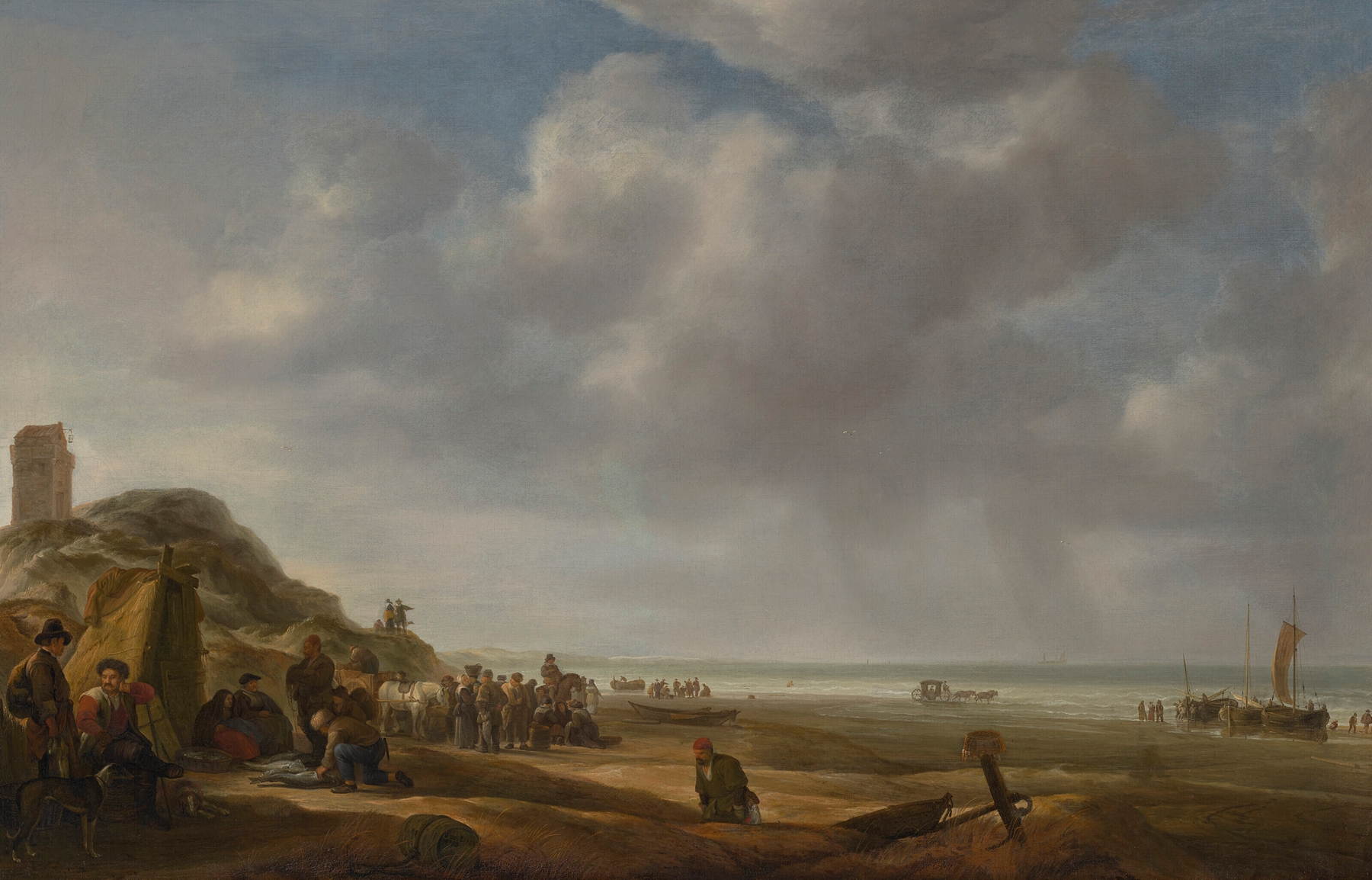
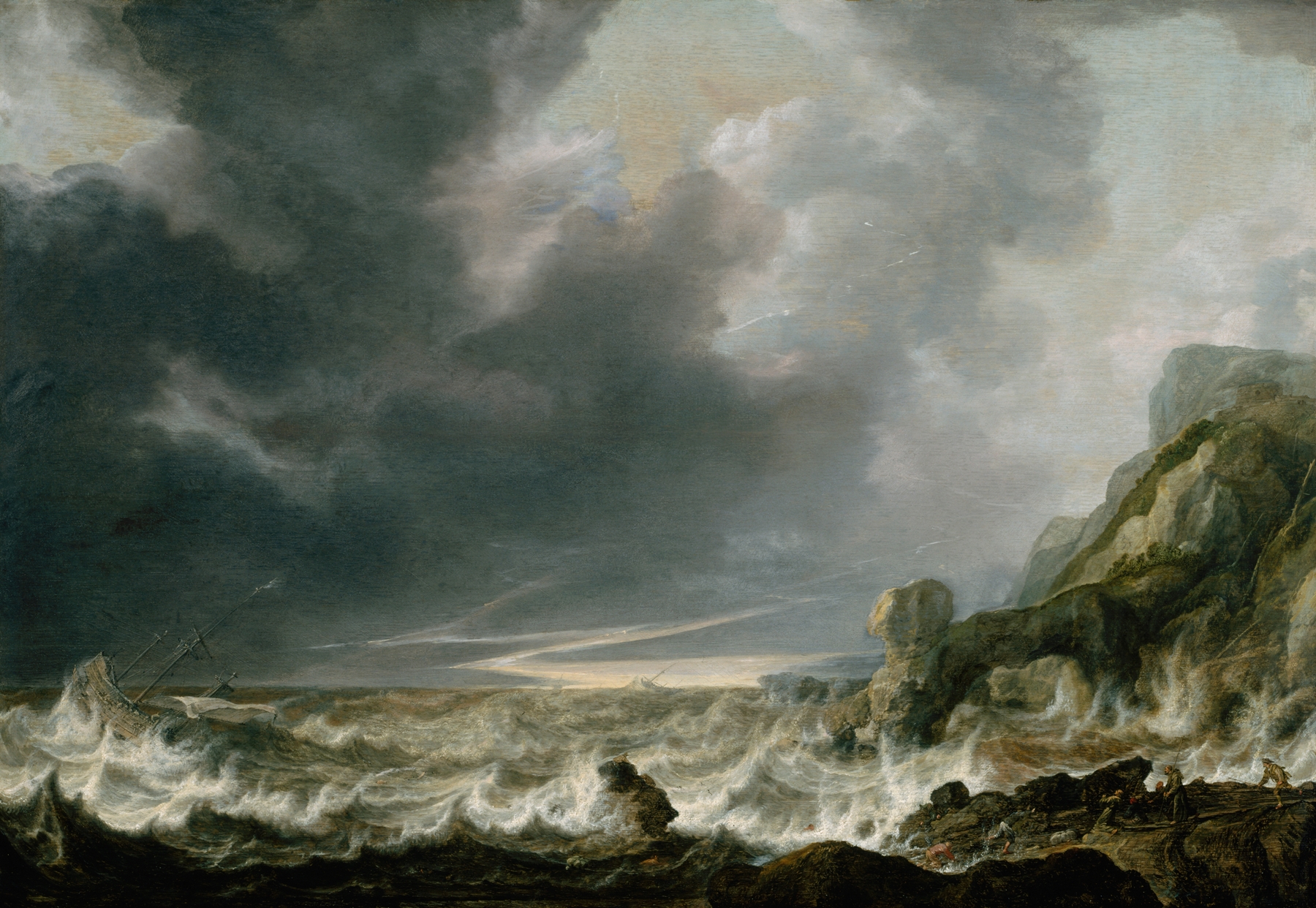
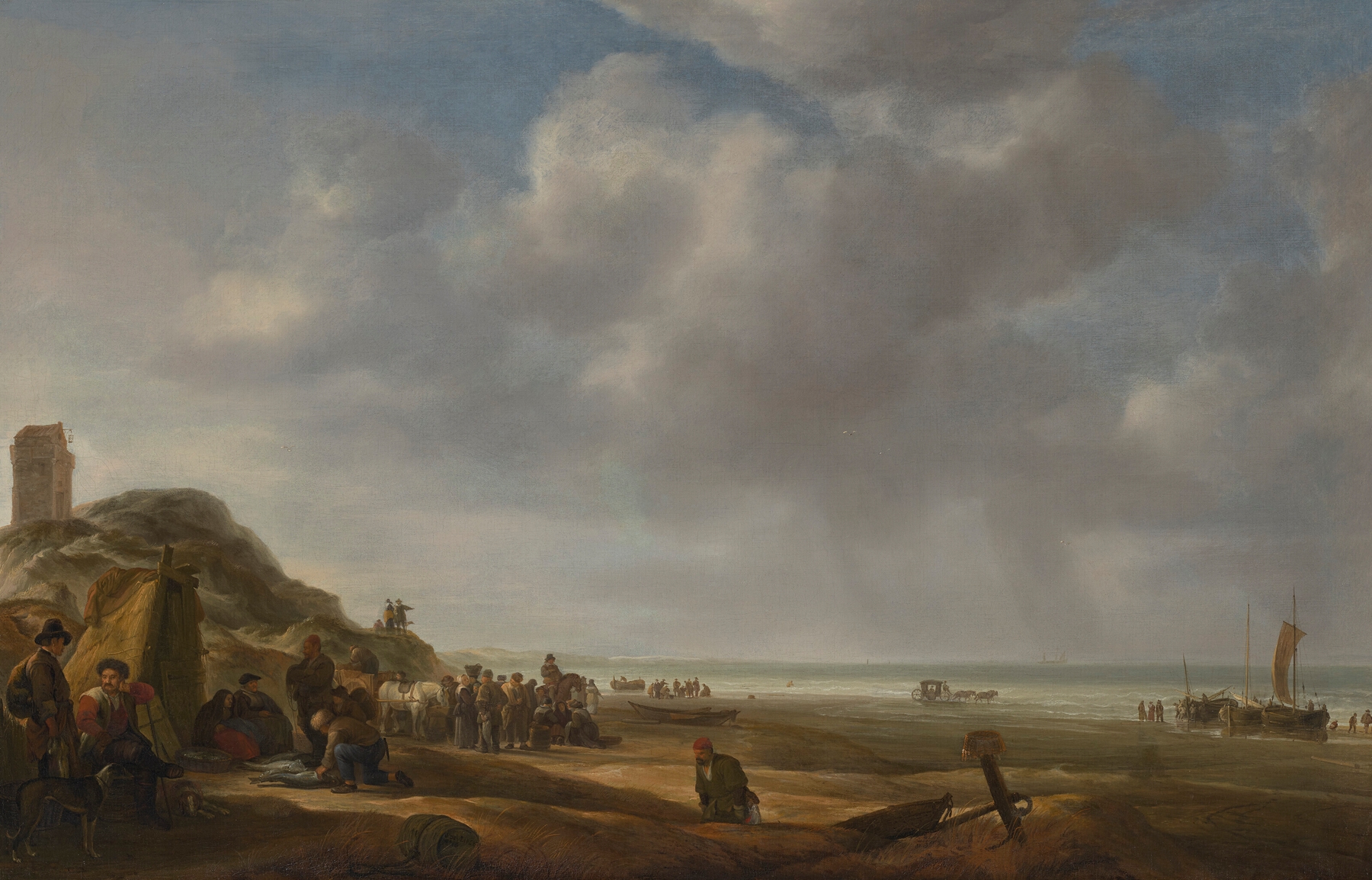
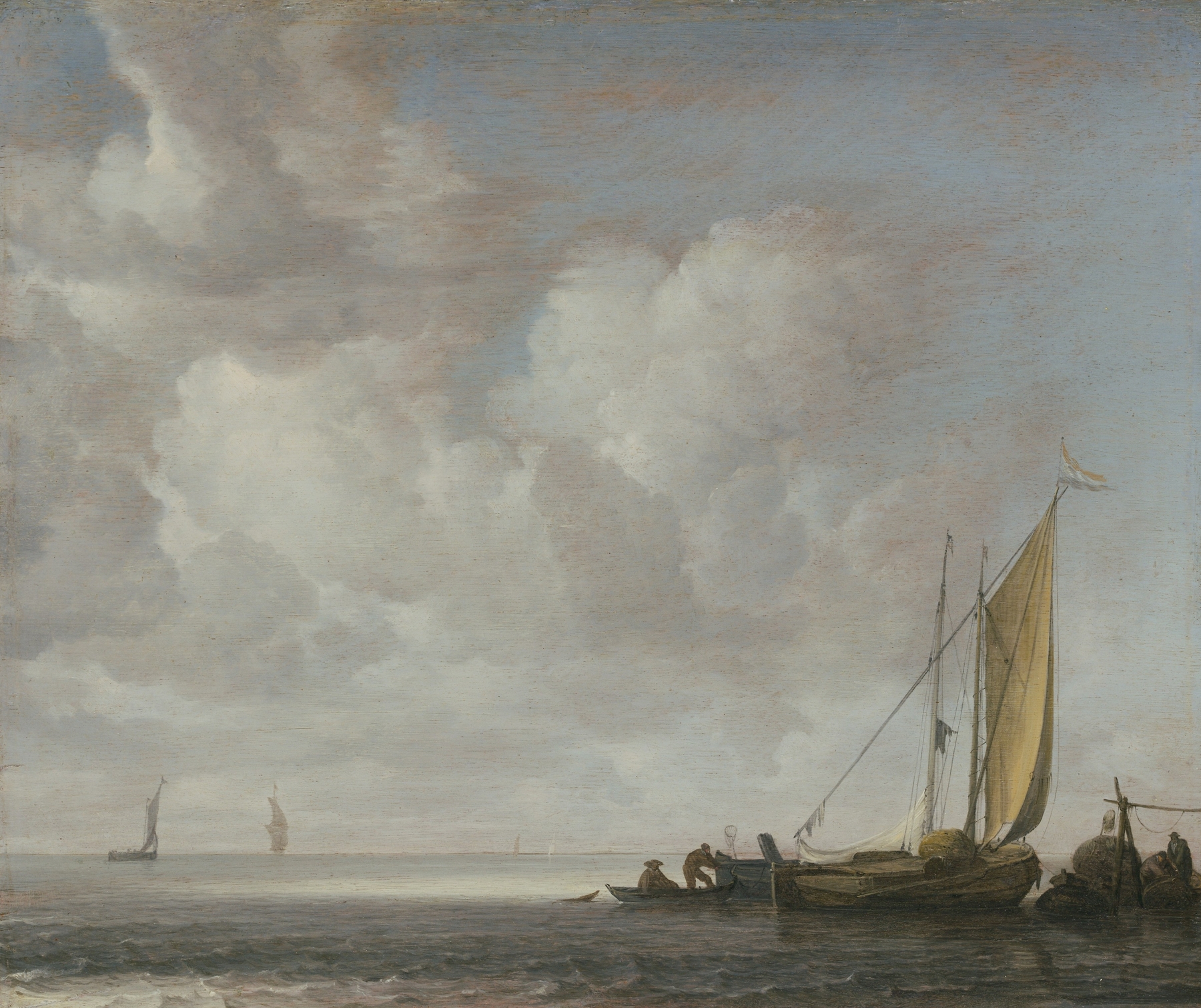
What secret hides in the quiet of the canvas? The stillness of Rocky Coast invites contemplation, where the tranquil harmony of nature seems to whisper its mysteries. Look to the left at the rugged cliffs, their weathered textures intricately painted to evoke a sense of majesty and permanence. Notice how the light dances over the water, creating a shimmering path that draws your gaze toward the horizon.
The color palette, a blend of earthy browns and deep blues, conveys a balance between the solidity of land and the fluidity of sea, emphasizing the delicate equilibrium of nature. Hidden tensions emerge in the contrasts of the composition. The cliffs stand resolute against the gently rolling waves, while the distant sky hints at an impending storm, suggesting the duality of tranquility and turmoil. The sparse presence of boats, almost dwarfed by the overwhelming scale of the landscape, speaks to humanity's insignificance in the face of nature's grandeur, yet they remain poised, hinting at resilience and hope.
Simon de Vlieger painted Rocky Coast between 1630 and 1653, a period marked by his establishment as a master in the Dutch Golden Age. Active in Rotterdam and later in the heart of Holland’s maritime commerce, he was influenced by the burgeoning interest in seascapes. This was a time of both personal and artistic exploration for him, as he navigated the complex waters of his own artistic identity amidst the thriving landscape of Dutch art.