Rue du Cloître Notre Dame — History & Analysis
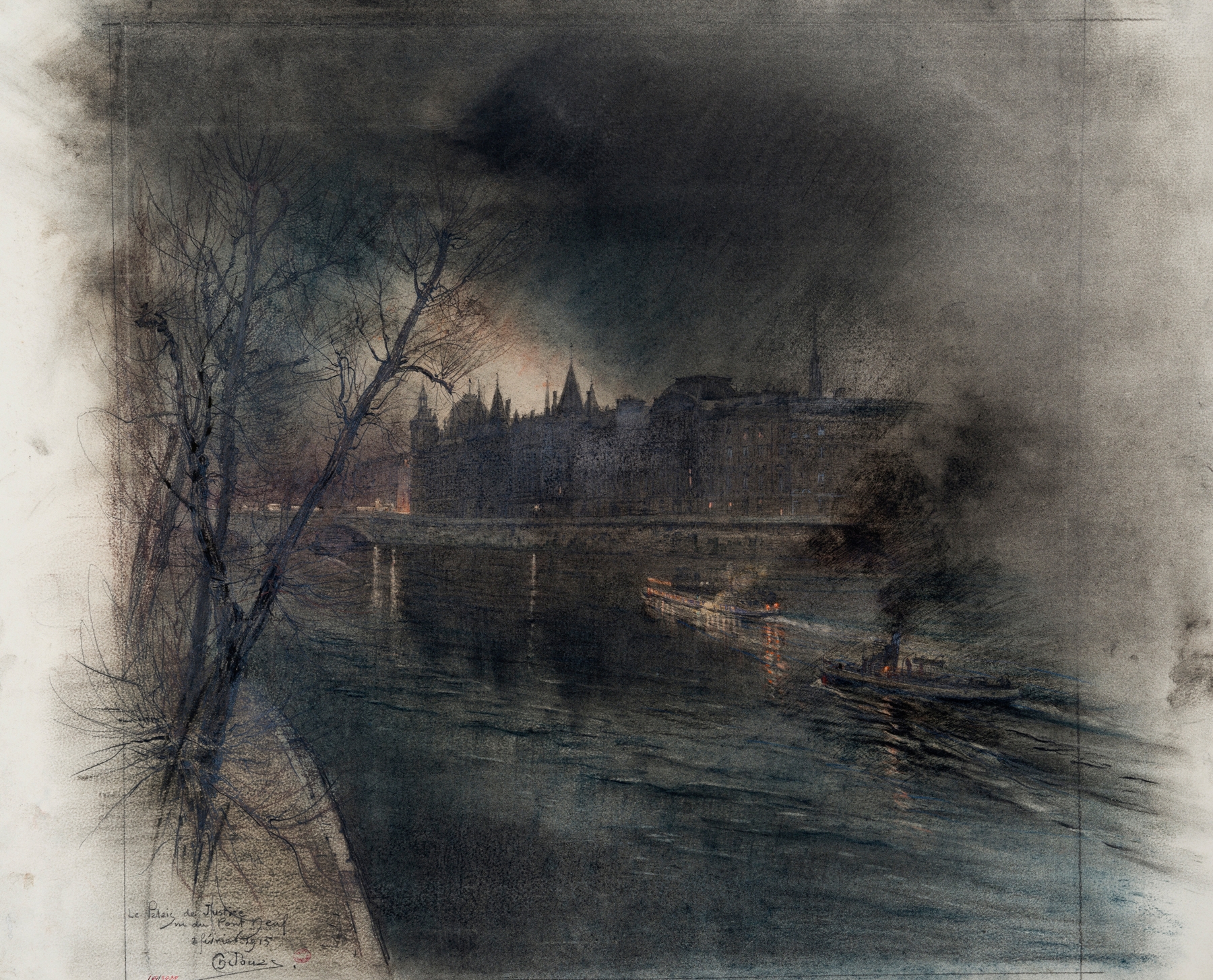
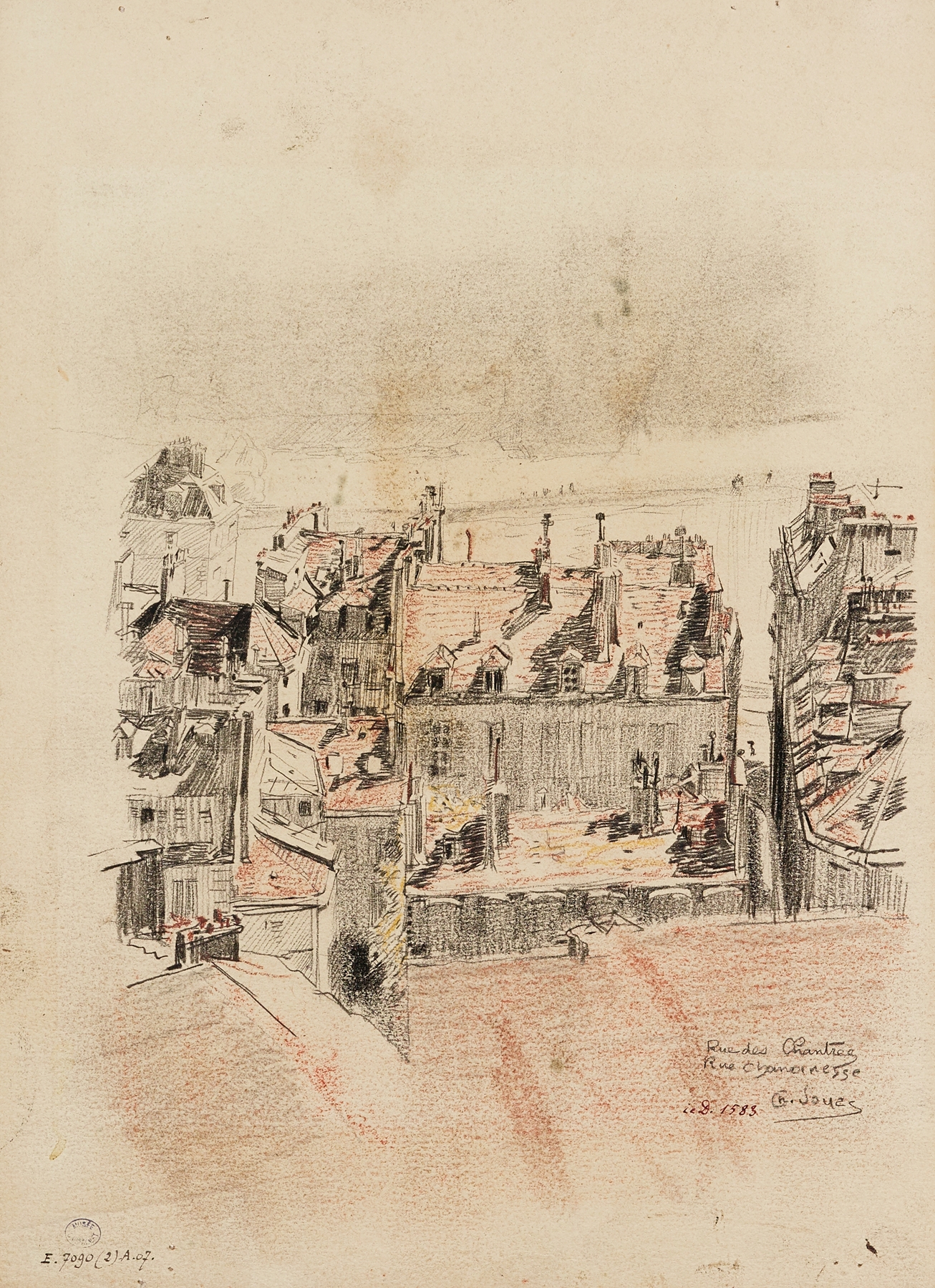
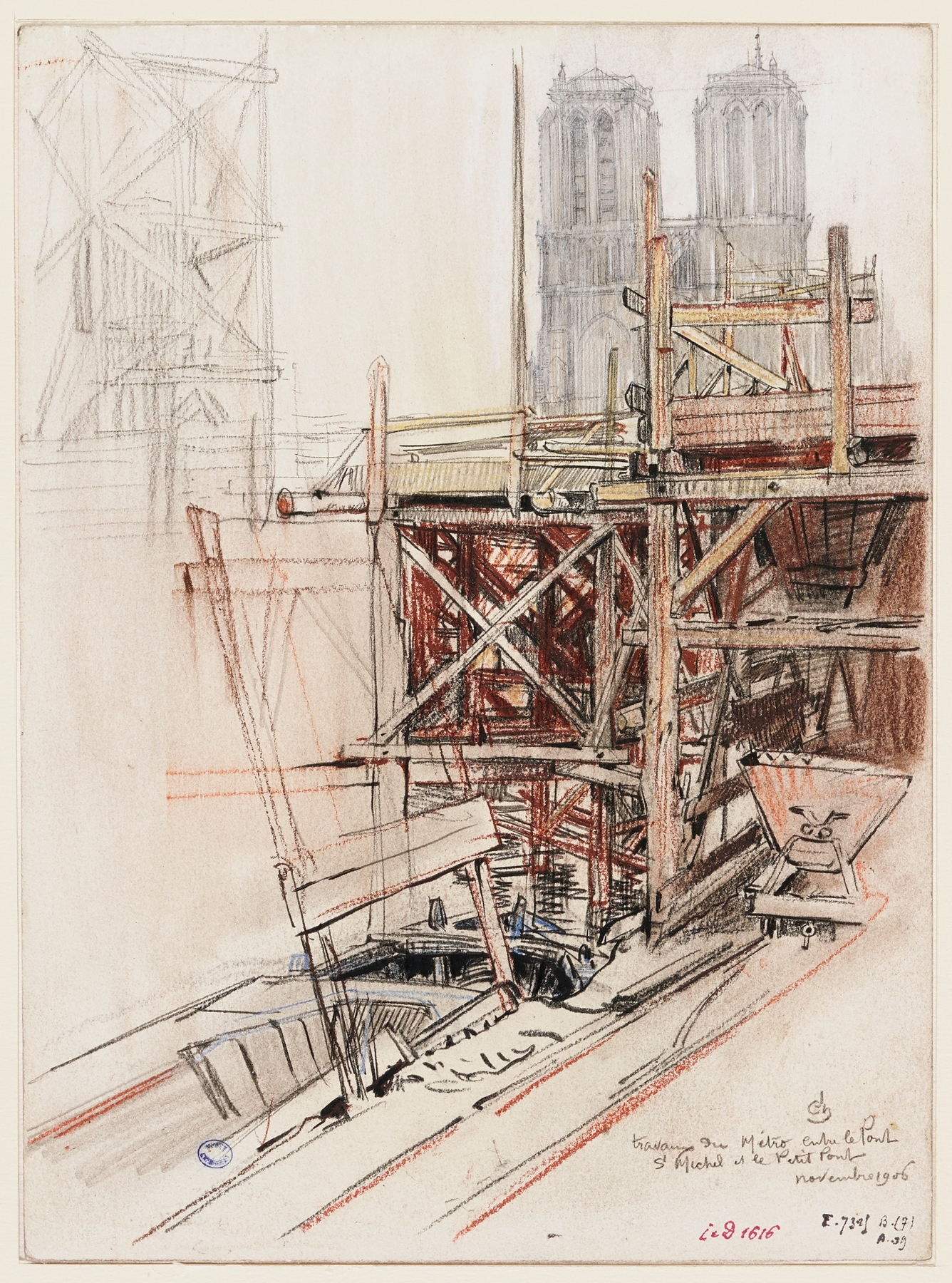
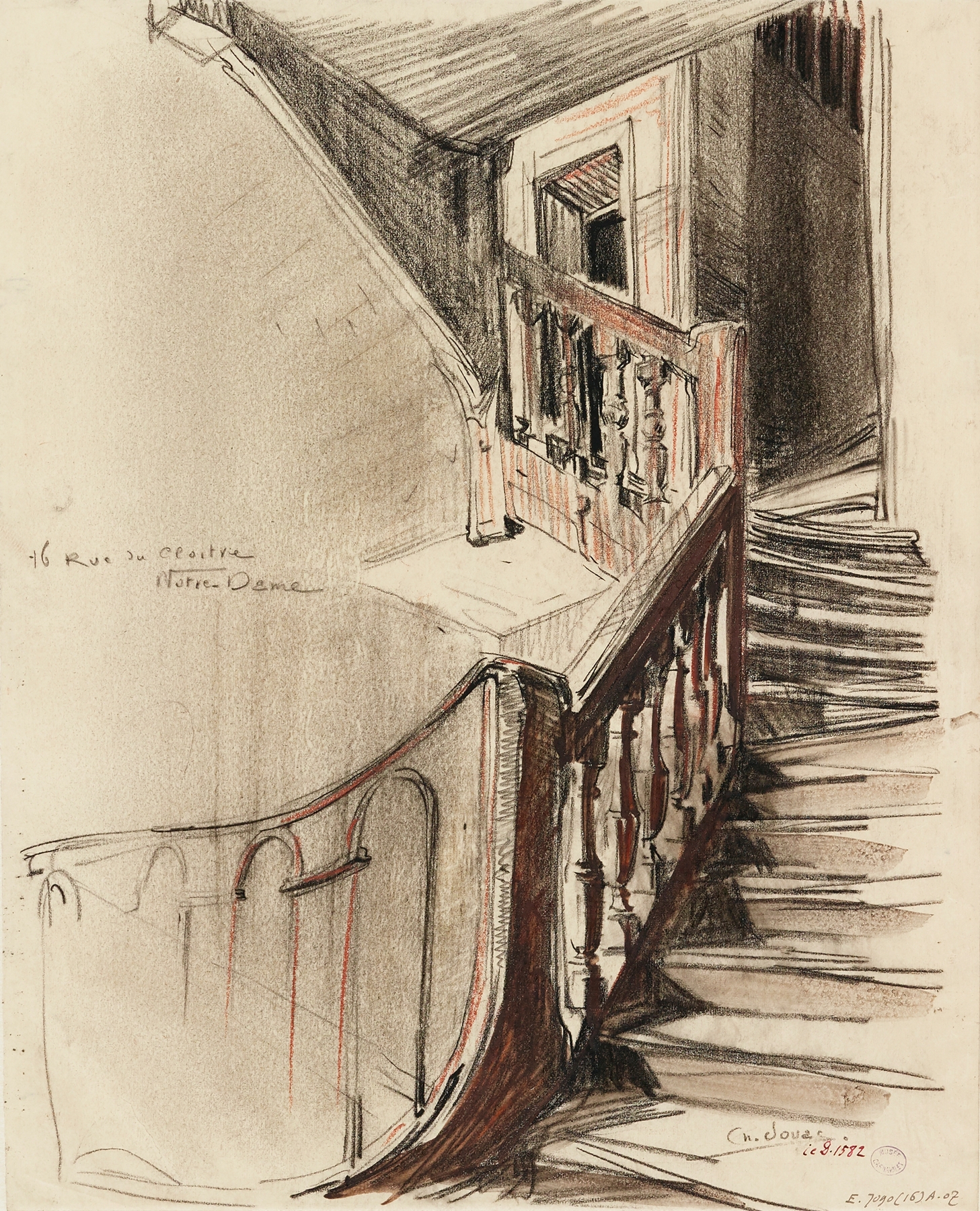
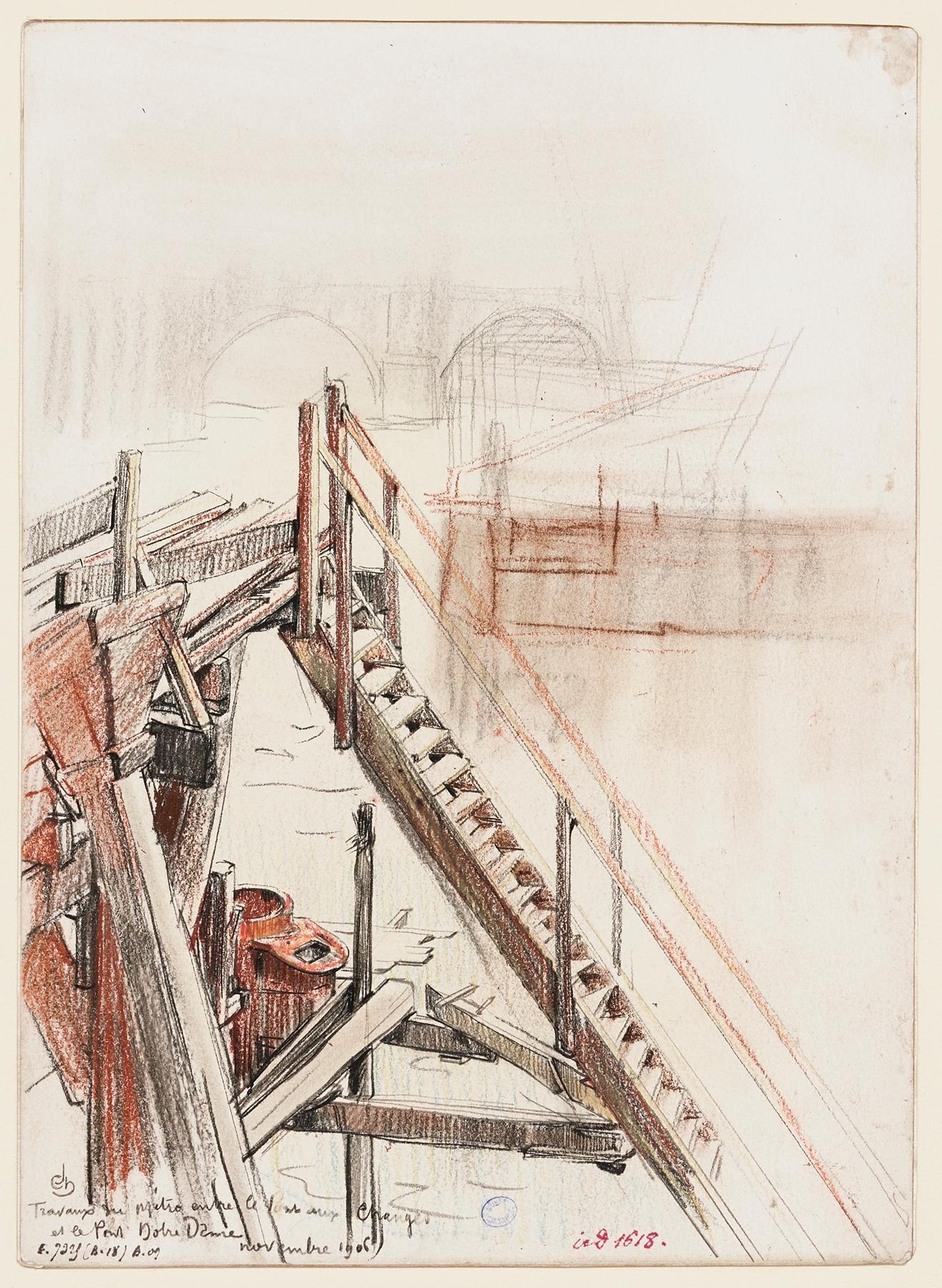
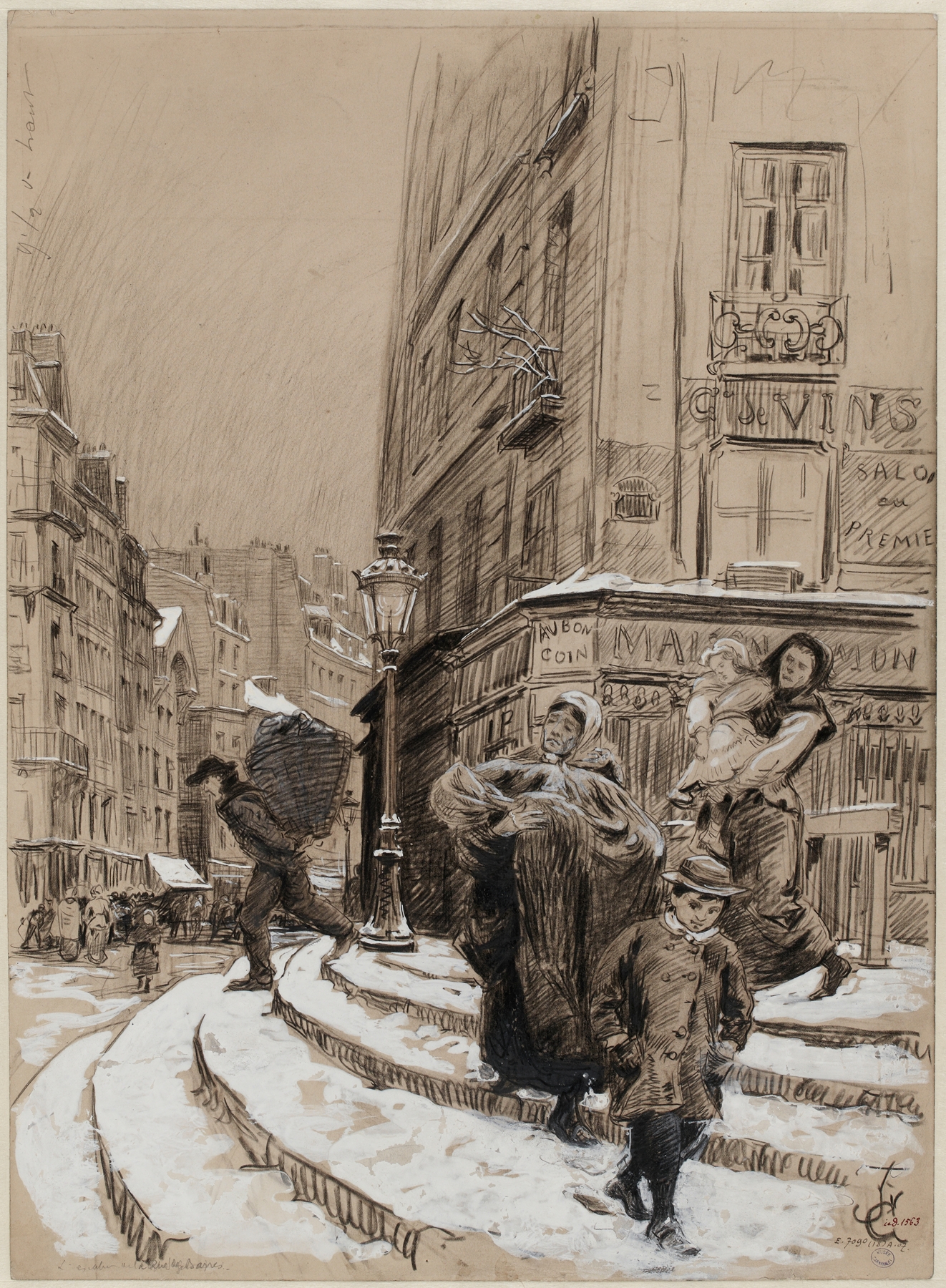
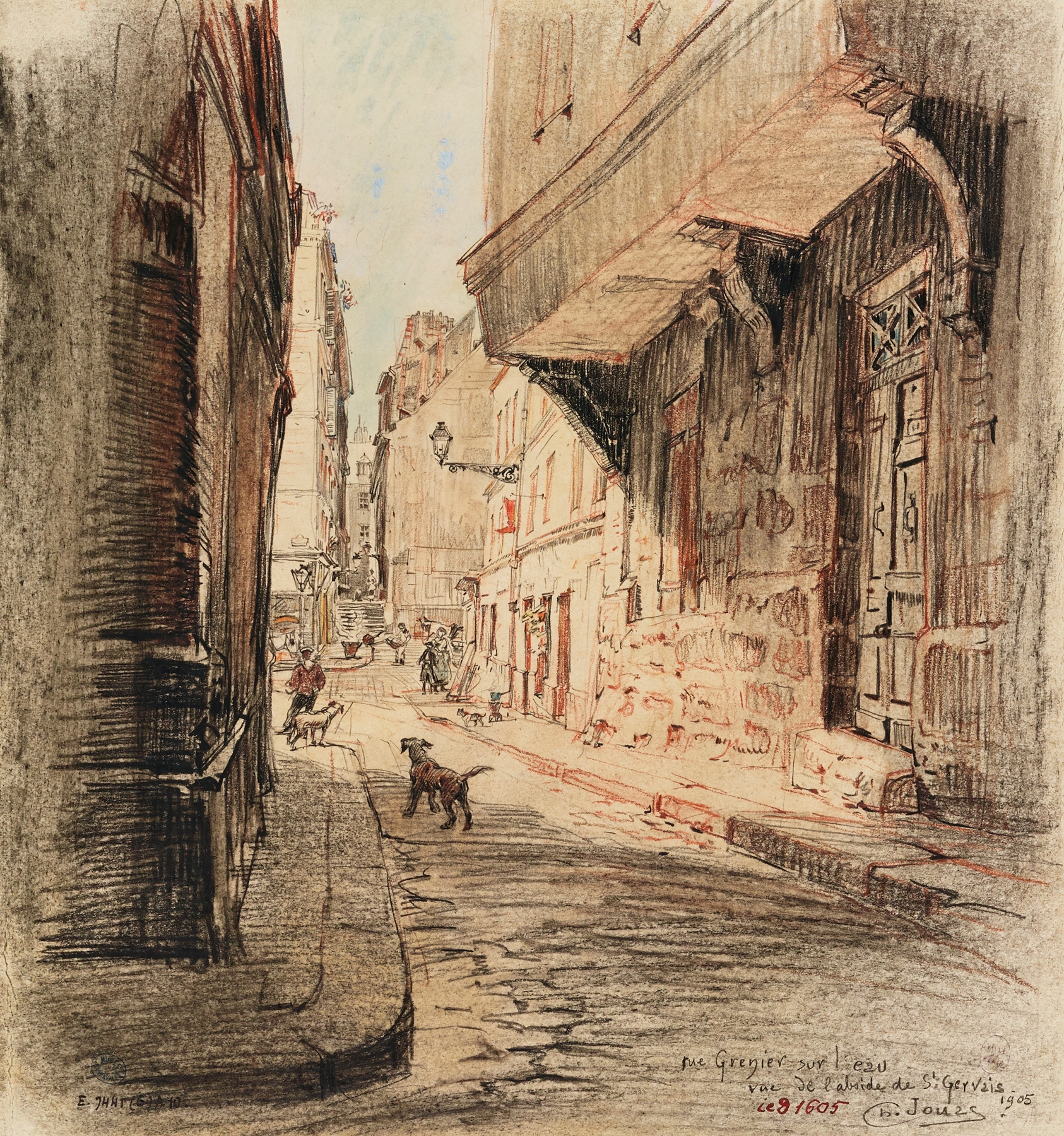
“To paint is to remember what time wants us to forget.” Light dances through the narrow streets of a Parisian quarter, softly illuminating cobblestones that have borne witness to centuries of stories. Each flicker and shadow in Rue du Cloître Notre Dame whispers secrets of the past, inviting the viewer into a world where history breathes through every hue and texture. Focus first on the gentle interplay of light and shadow that shapes the buildings, drawing your eyes toward the distant spires of the cathedral. Notice how the warm tones envelop the stone facades, creating an intimate atmosphere.
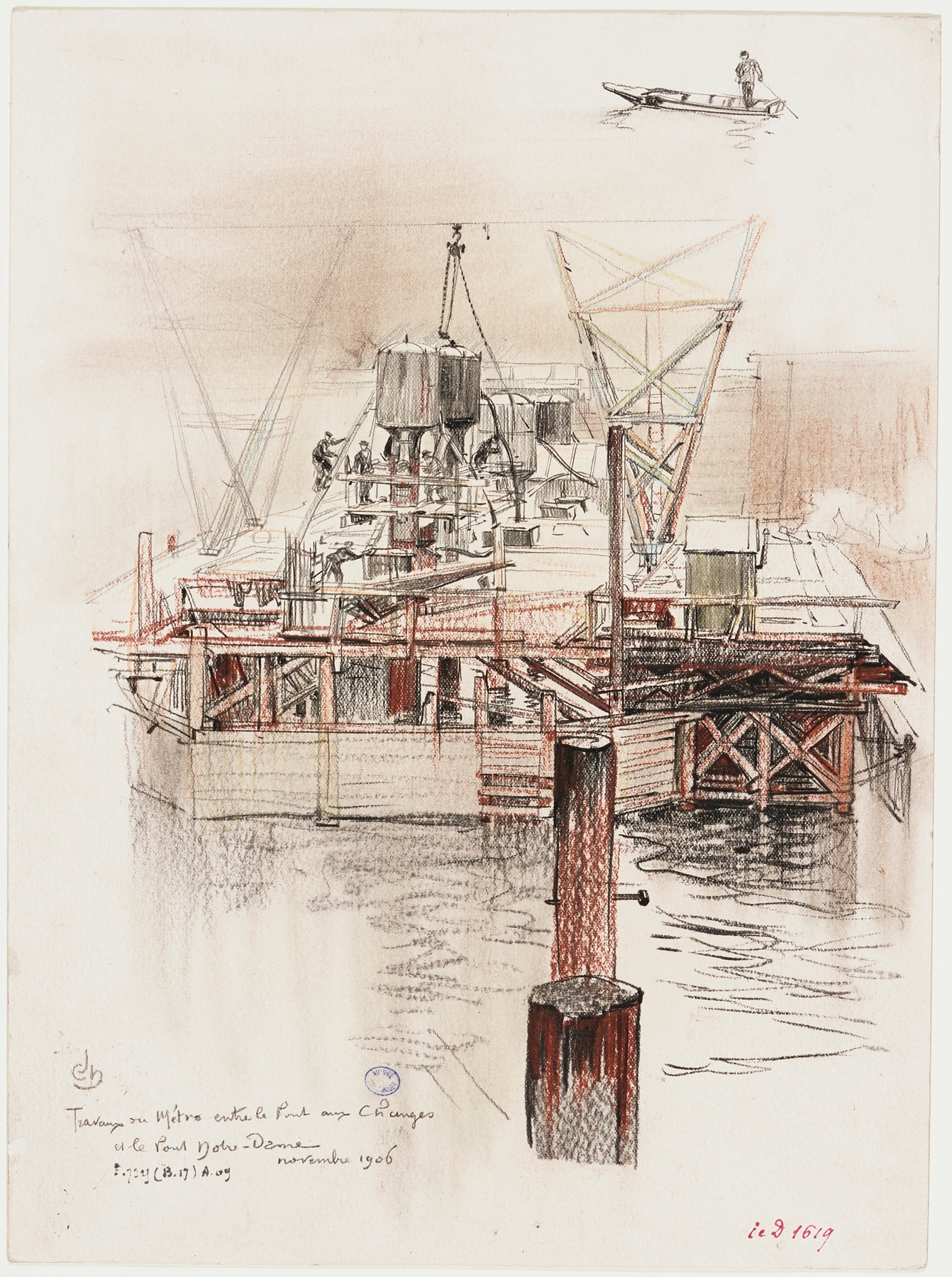
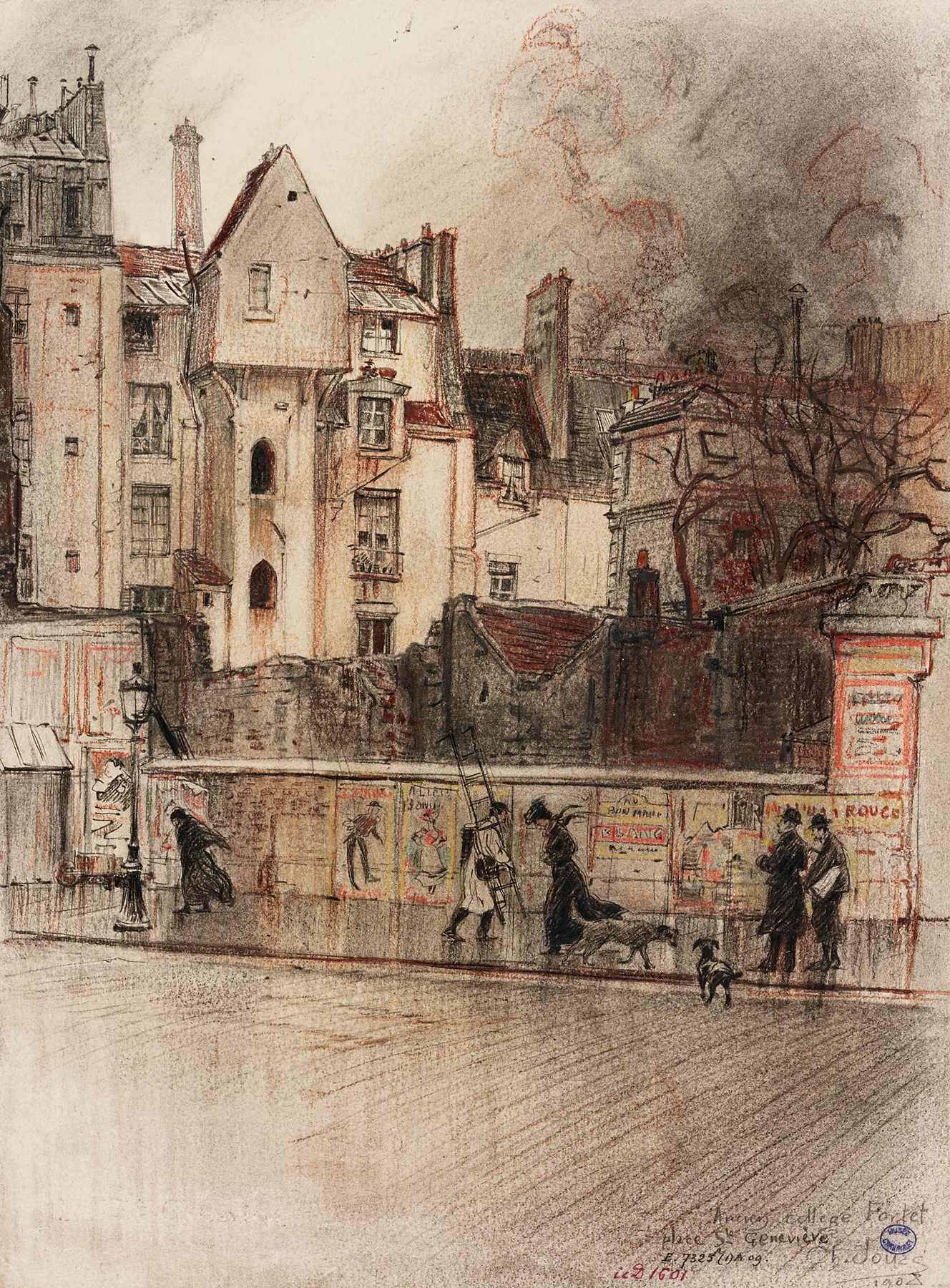
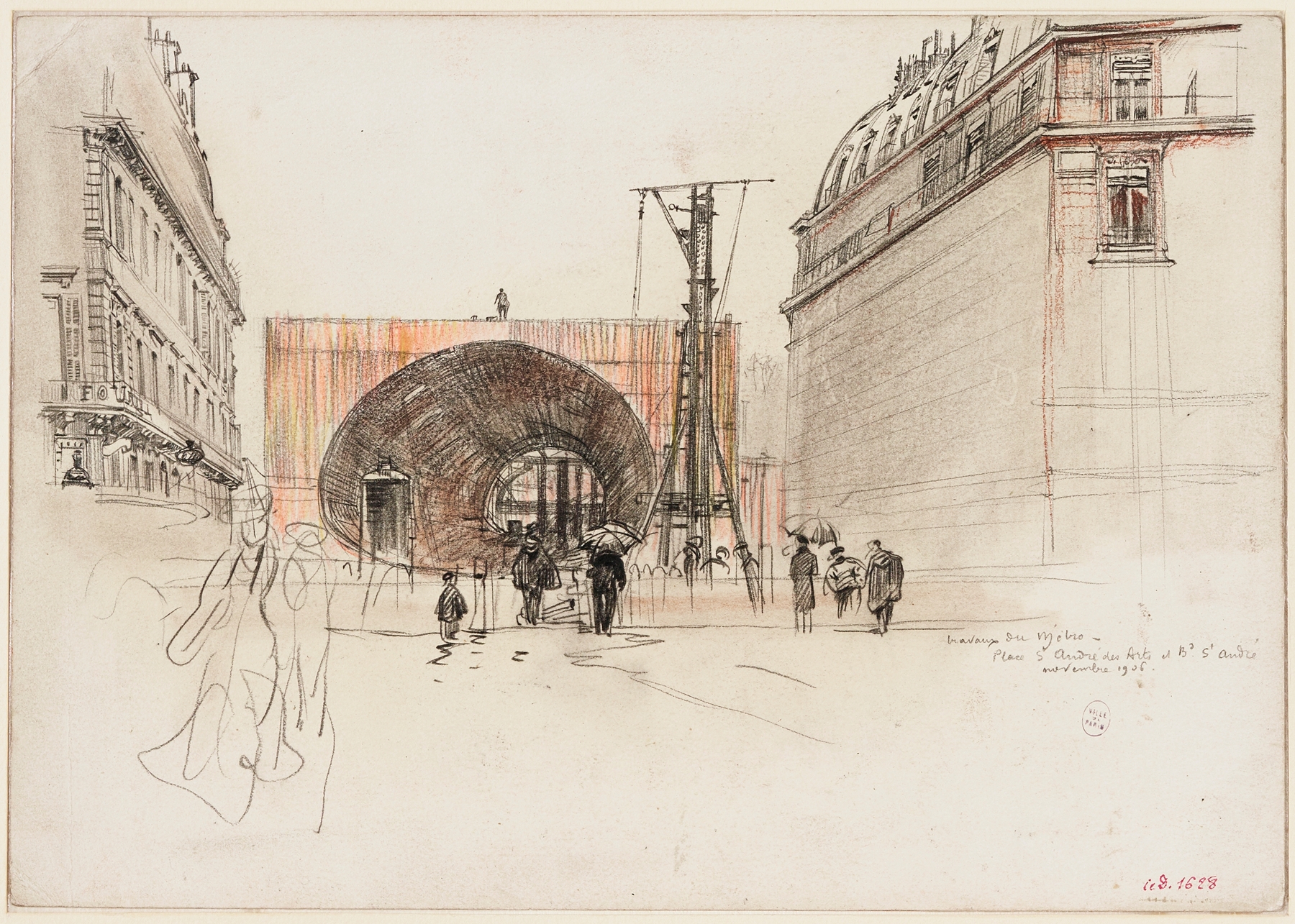
The artist’s brushwork suggests an almost ethereal quality, blending realism with an impressionistic touch that captures fleeting moments—clouds drifting past, people lost in thought—while the muted palette underscores a sense of nostalgia. The contrasting elements in this work deepen its emotional resonance. The warm light juxtaposes the cool shadows, representing the coexistence of memory and oblivion. Look closer at the figures barely visible, evoking a sense of anonymity that reflects the universality of human experience, reminding us that these streets hold countless untold stories.
Jouas invites contemplation on the passage of time and the beauty found within its ephemeral nature. Charles Jouas painted this piece in the late 19th to early 20th century, a time when Paris was experiencing significant social and artistic transformations. As a member of the École de Paris, he was influenced by the changing dynamics of urban life and the Impressionist movement. His explorations of light and atmosphere in Rue du Cloître Notre Dame illustrate his quest to capture the essence of a rapidly evolving world, offering a poignant reminder of the fleeting beauty of everyday scenes.