Rue Grégoire de Tours — History & Analysis
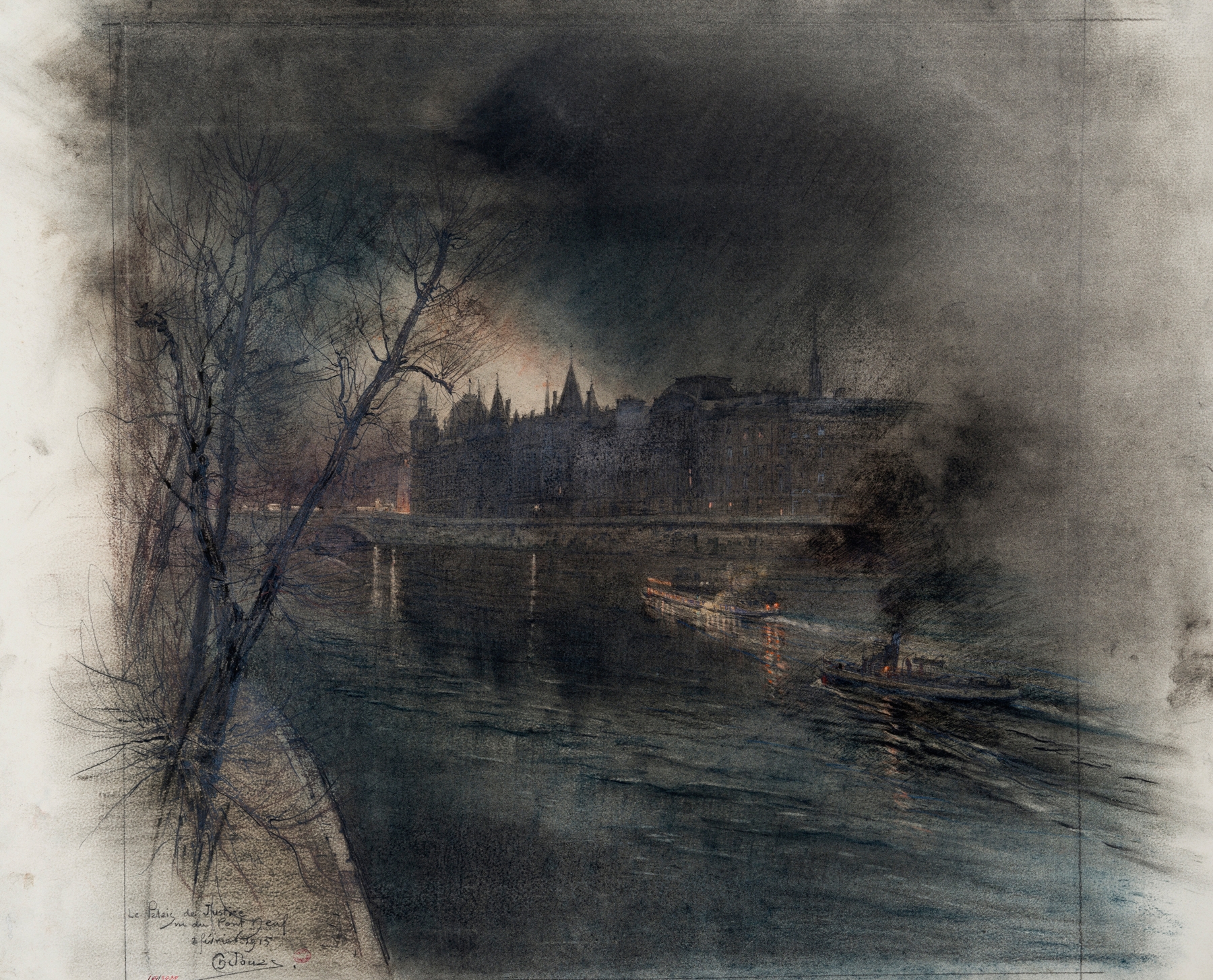
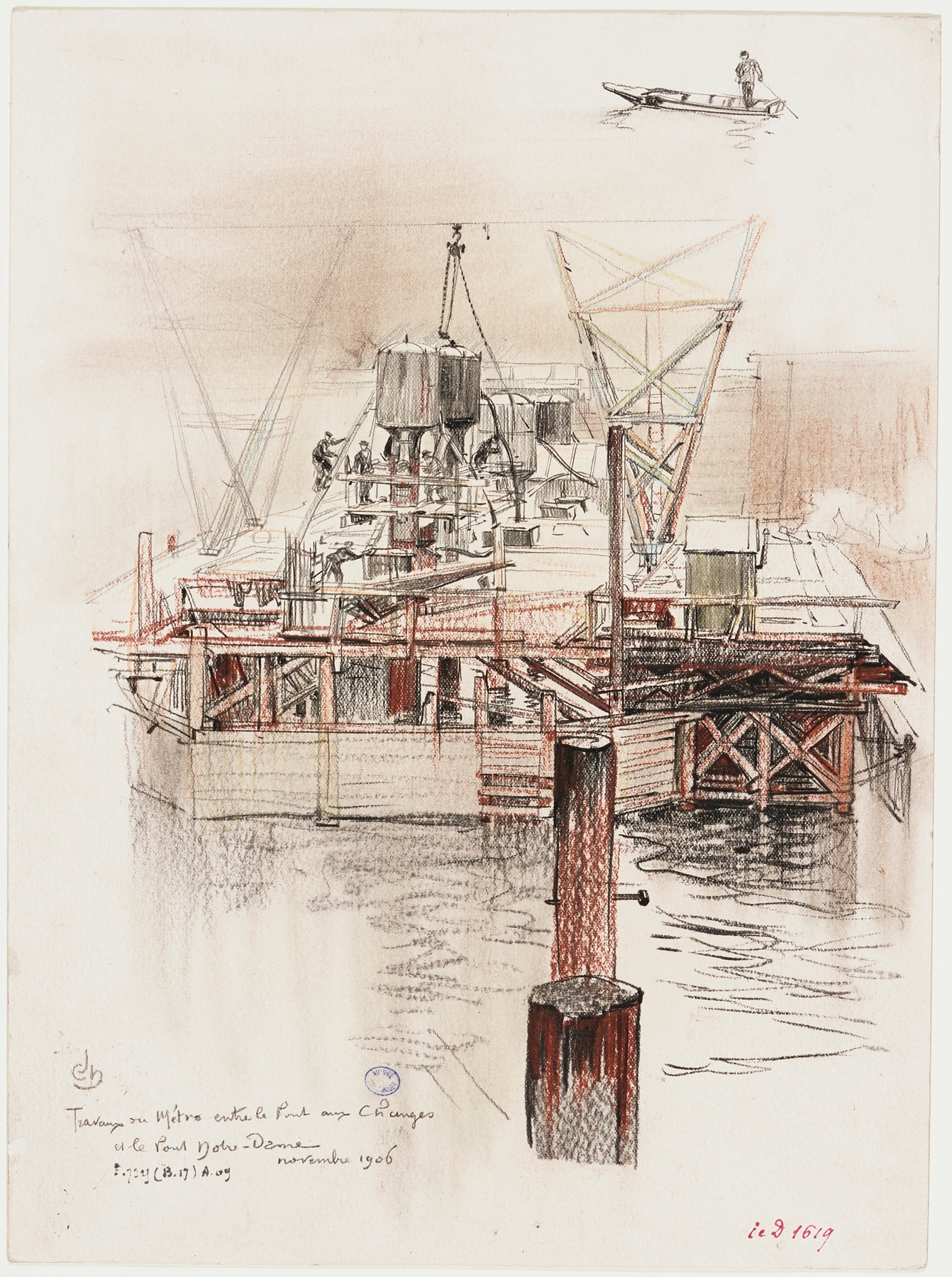
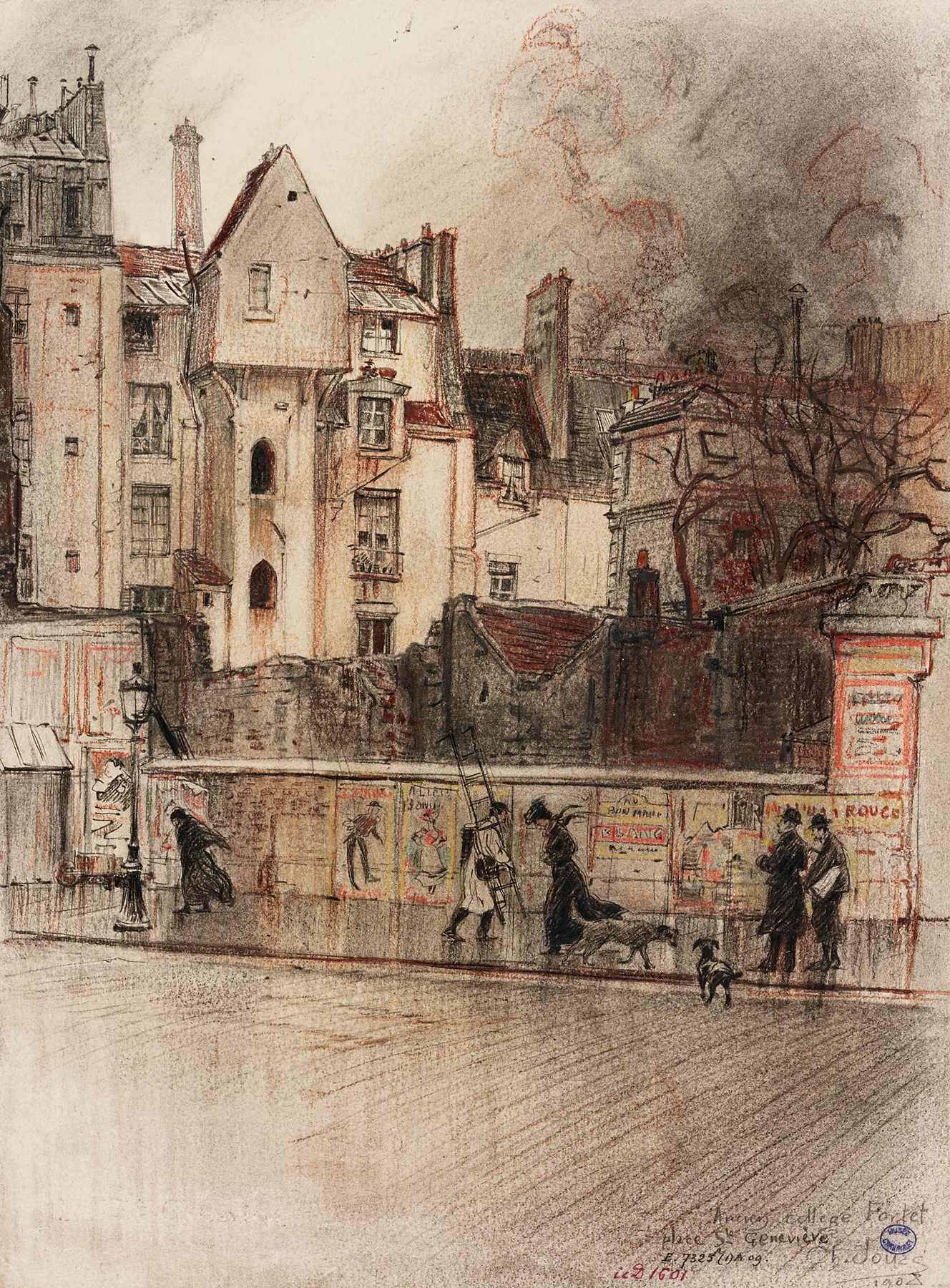
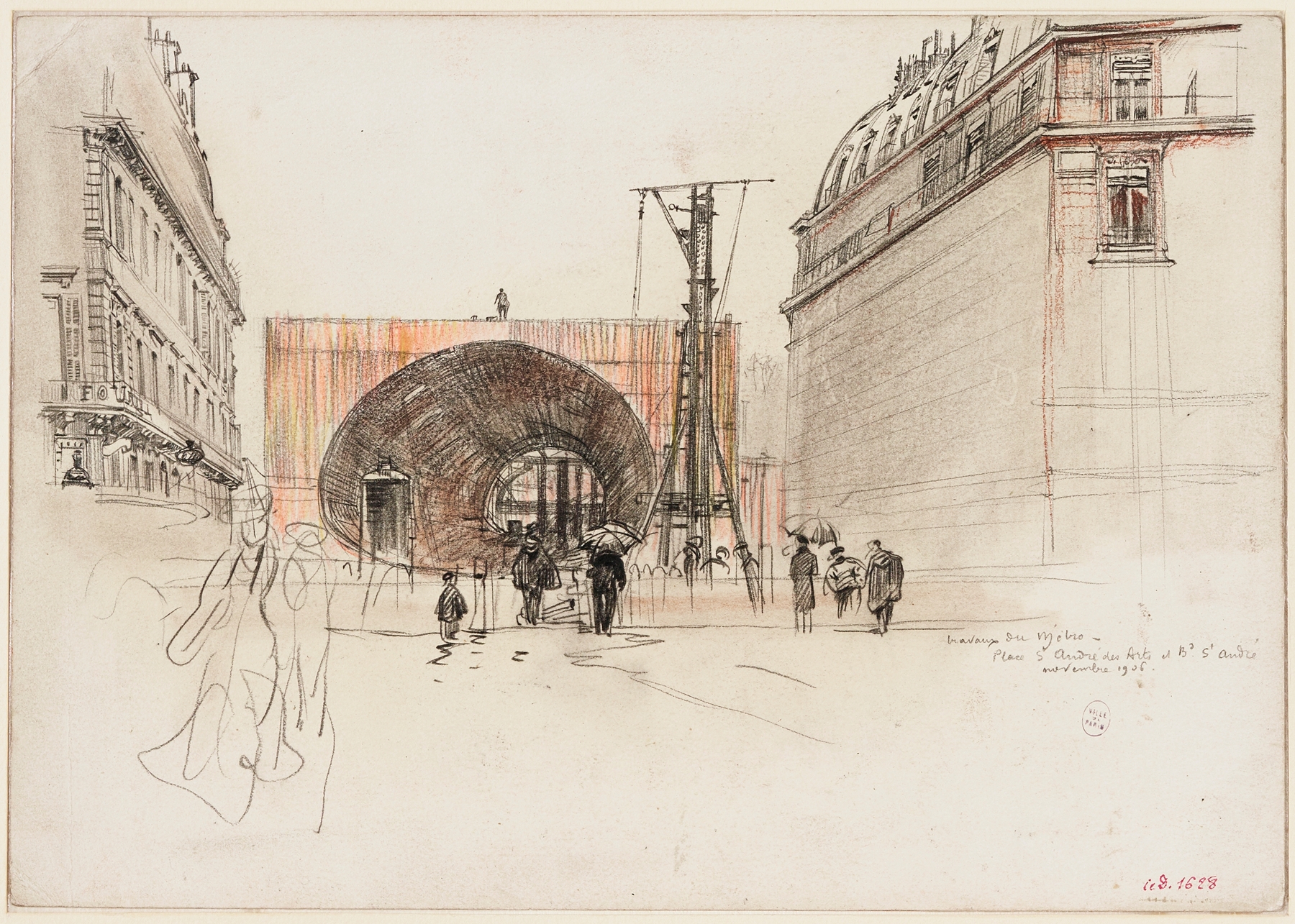
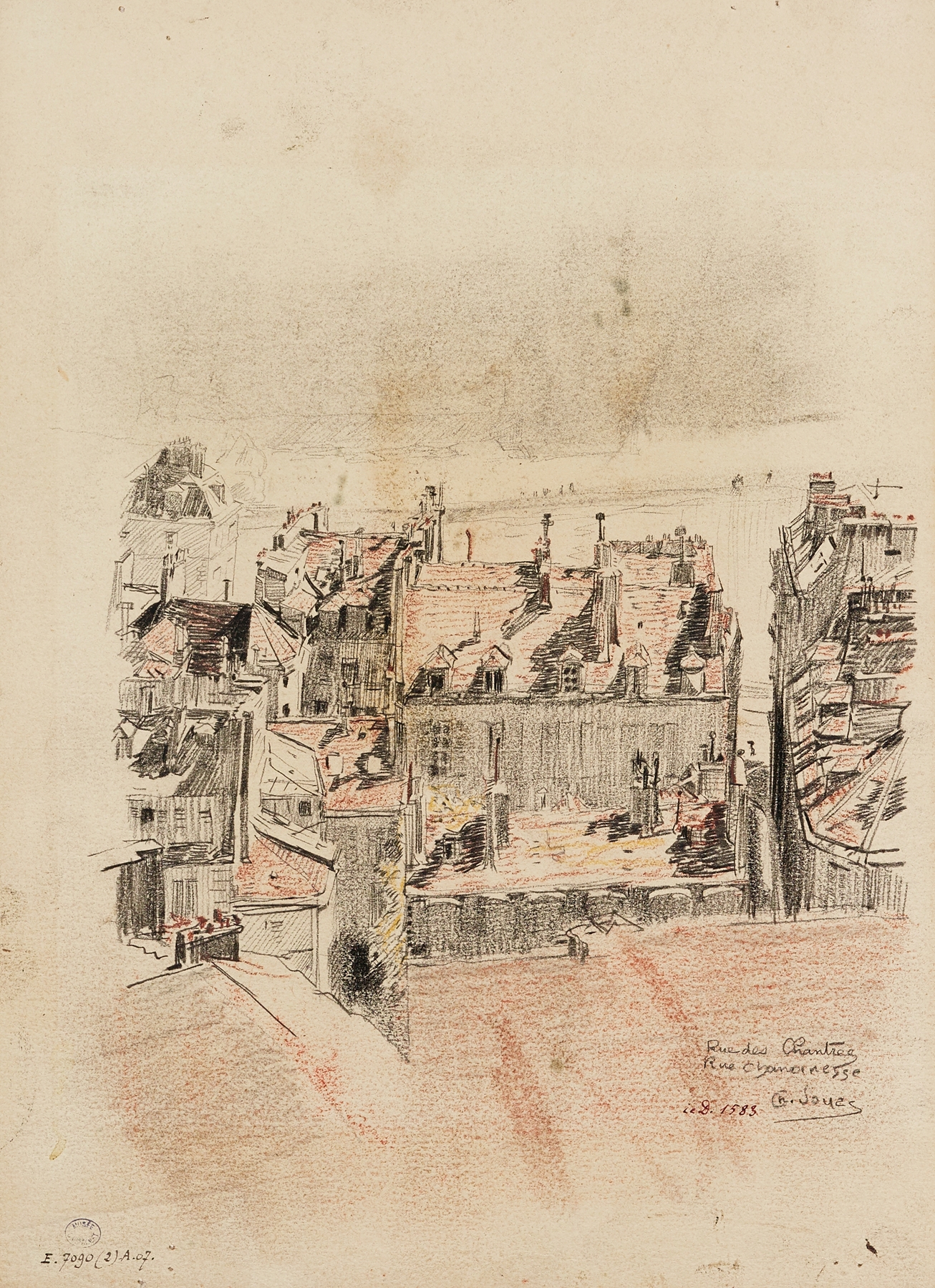
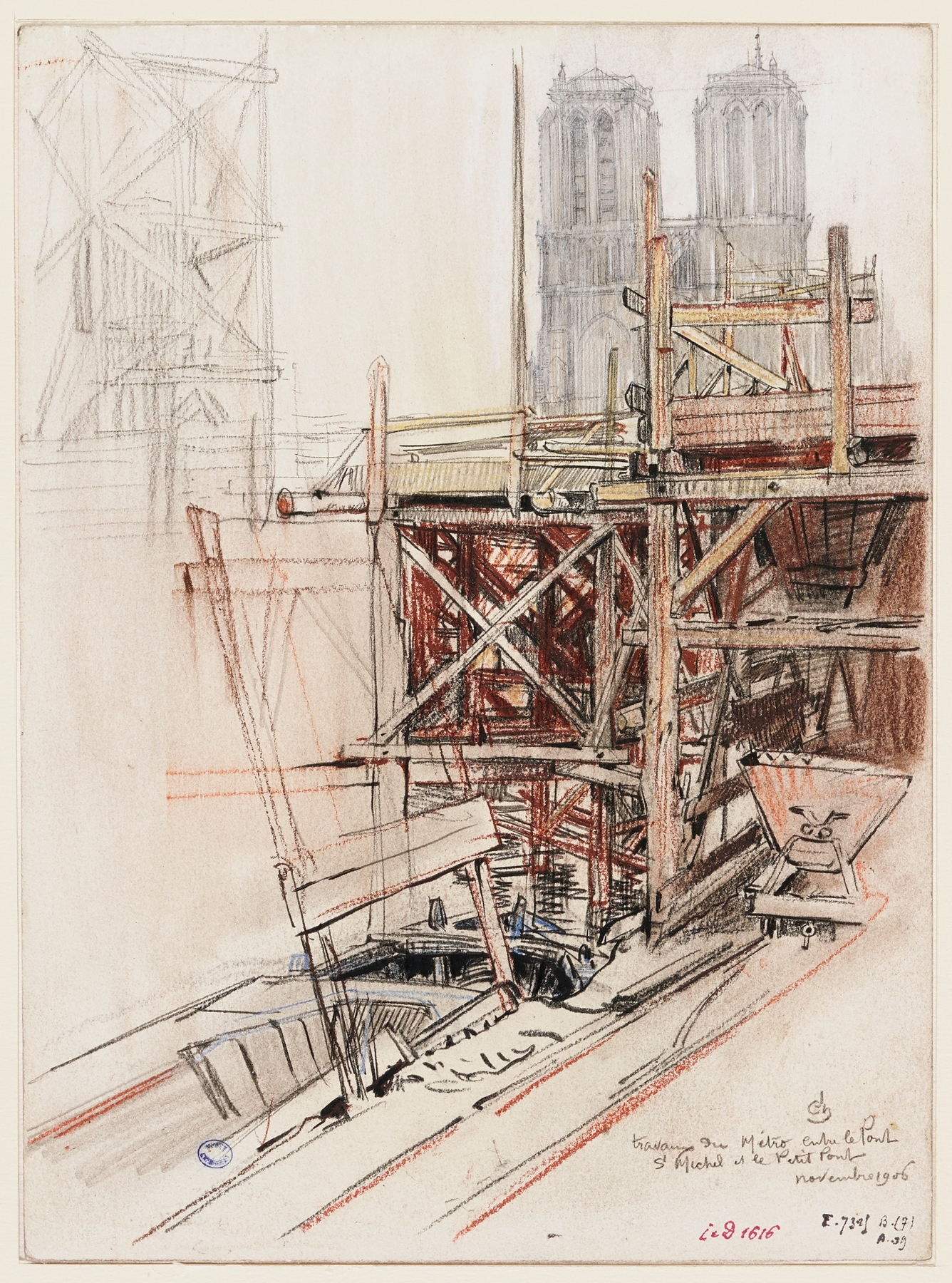
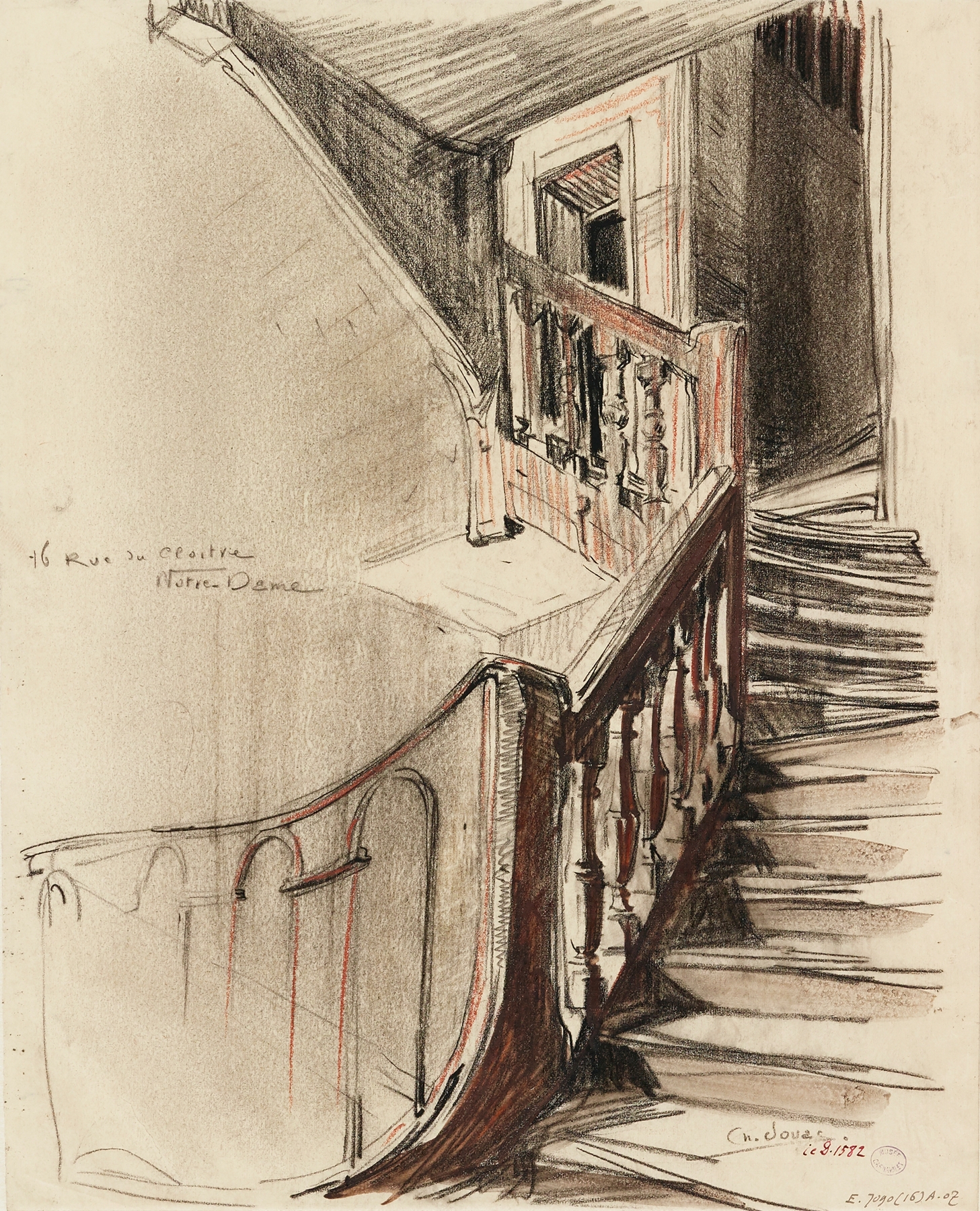
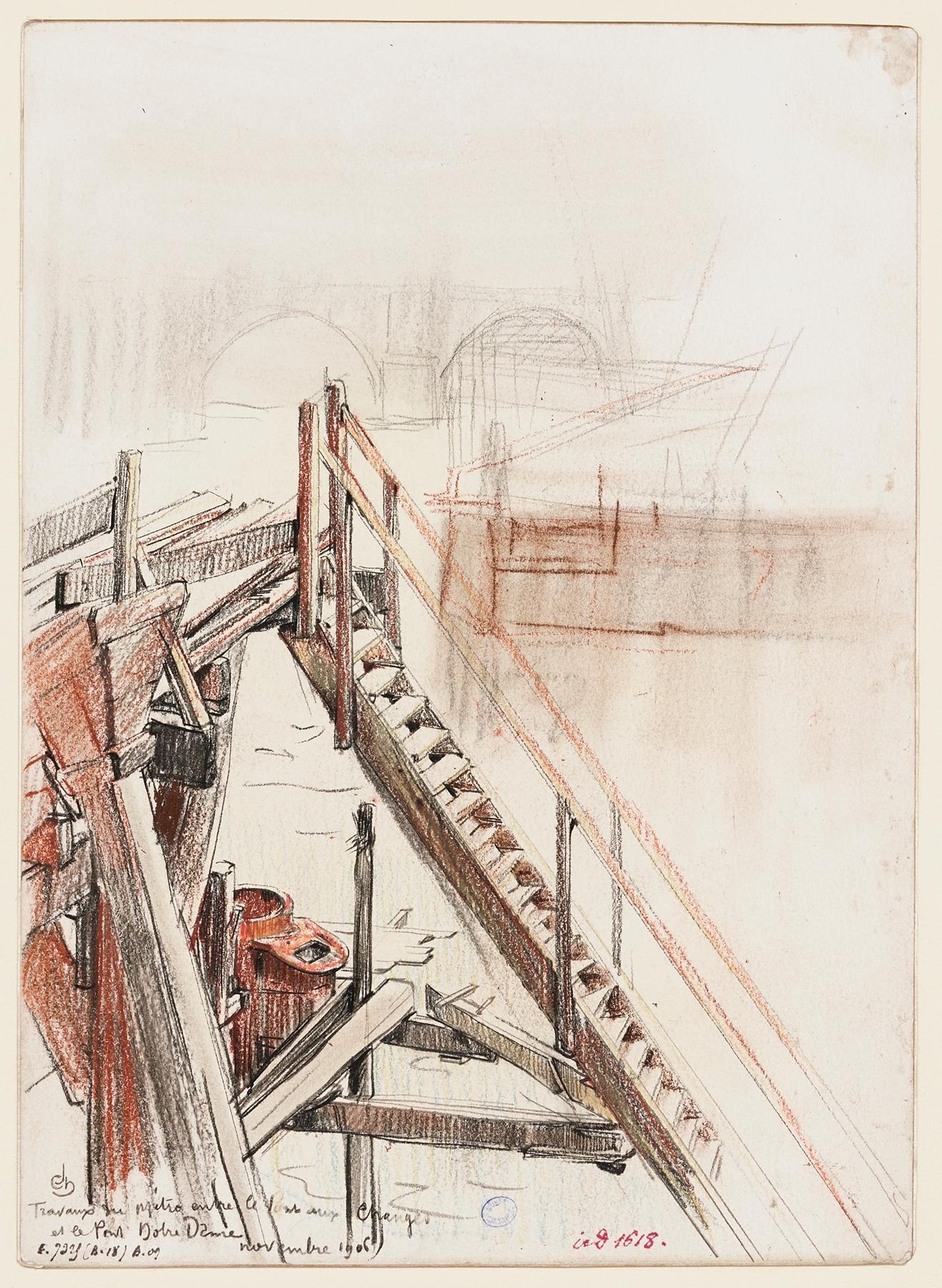
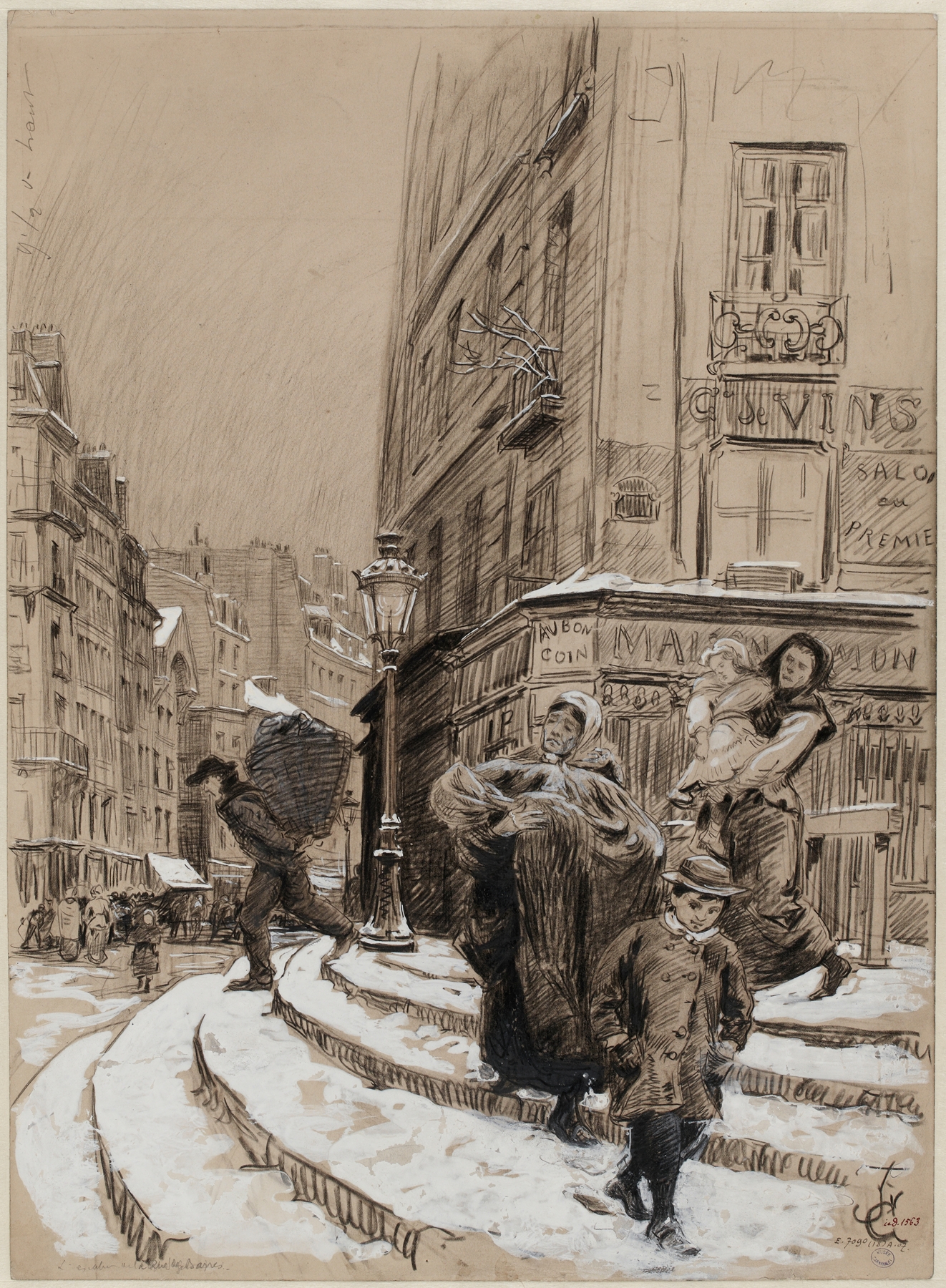
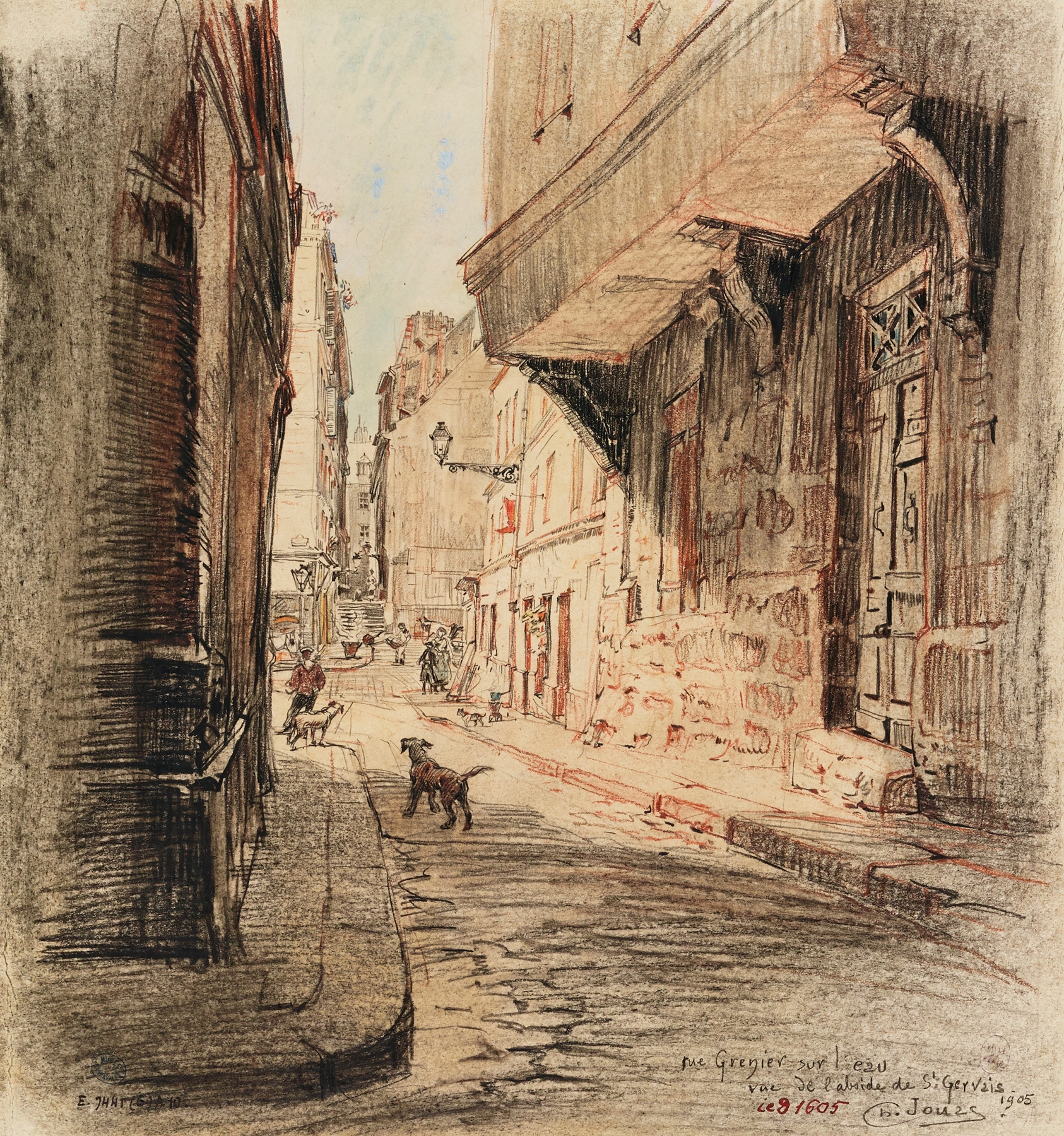
Could a single brushstroke hold eternity? In Rue Grégoire de Tours, one finds the answer nestled within the delicate chaos of urban life, where every color and contour whispers the threads of destiny. Look closely at the vibrant brushwork that draws your gaze to the left side of the canvas, where a cluster of figures bustle along the cobblestone street. The subtle blending of browns and grays evokes the weight of history, while splashes of ochre breathe life into the scene.
Notice how Jouas captures the interplay of light and shadow, the sun filtering through tree branches, casting dappled patterns that seem to dance across the pavement, imbuing it with a pulse of movement and urgency. The composition creates a sense of perspective that invites viewers to step into this world, to feel the rhythm of the street. Dig deeper, and you'll uncover a narrative of contrasts: the ordinary against the backdrop of an extraordinary moment in time. Each figure carries a story, yet they fade into a collective anonymity, suggesting the fleeting nature of human connection amidst the bustling city landscape.
The interplay of warm and cool tones may symbolize the juxtaposition of hope and despair—a reflection of the tumultuous era in which it was painted, capturing the essence of destiny swirling through the lives depicted. Created during the tumultuous years between 1915 and 1945, Jouas painted this piece while navigating the complexities of a world rife with conflict and change. As European cities bore the scars of war, this artwork emerged from a place where the interplay of light and shadow became a metaphor for the human experience, reflecting Jouas's keen observation of urban life and his desire to convey the stories hidden within the streets of Paris.