Rue Ravignan, Paris — History & Analysis
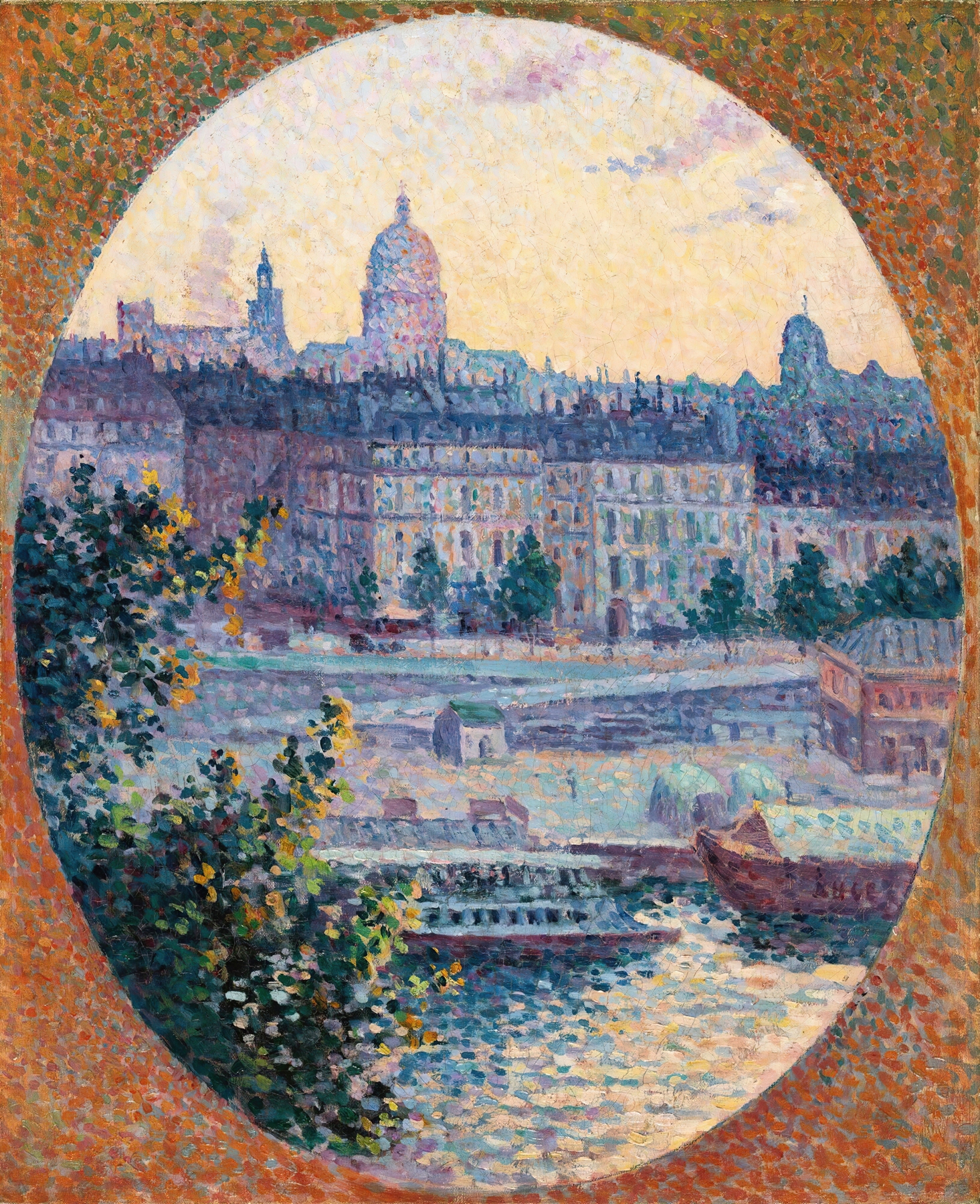
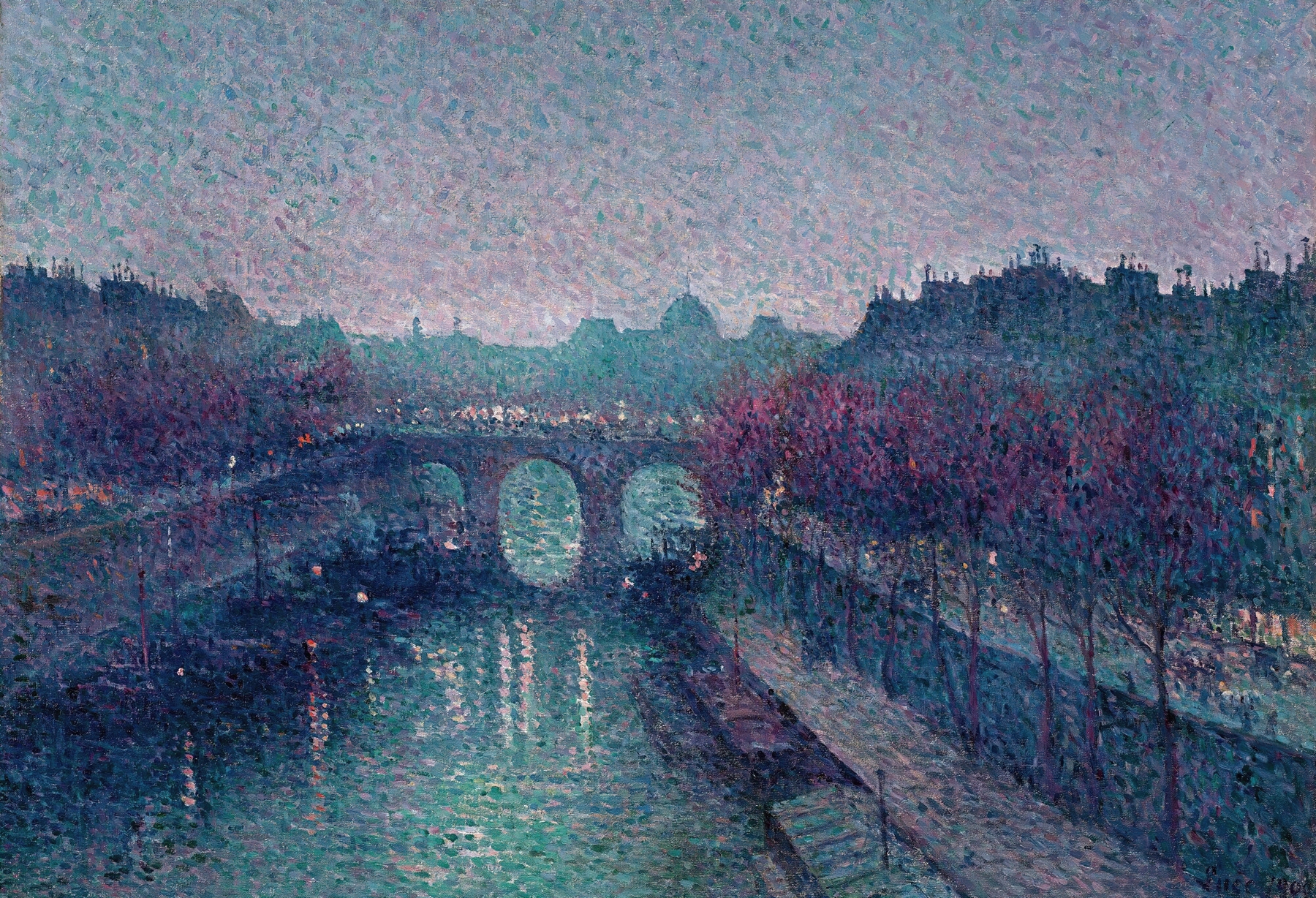
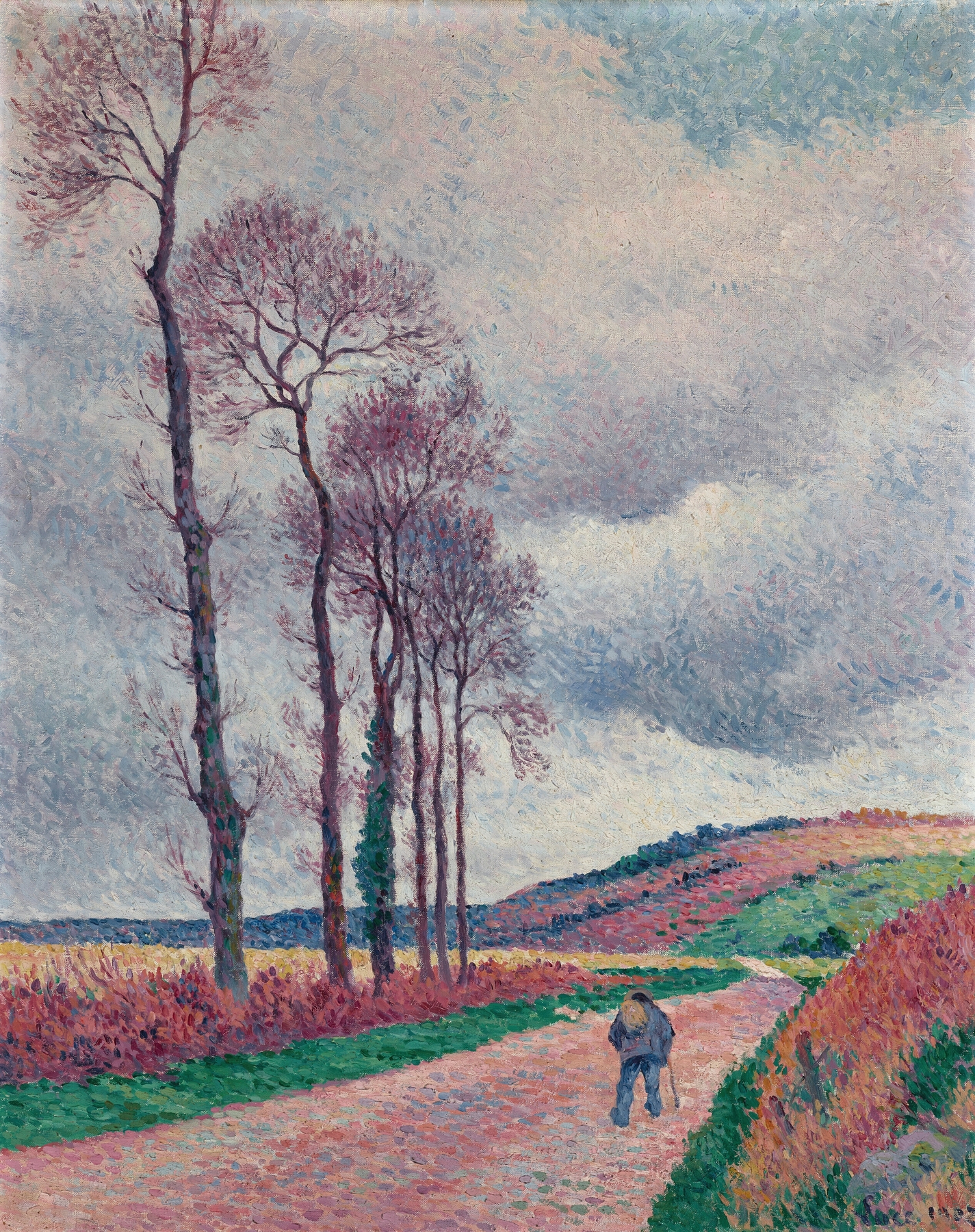
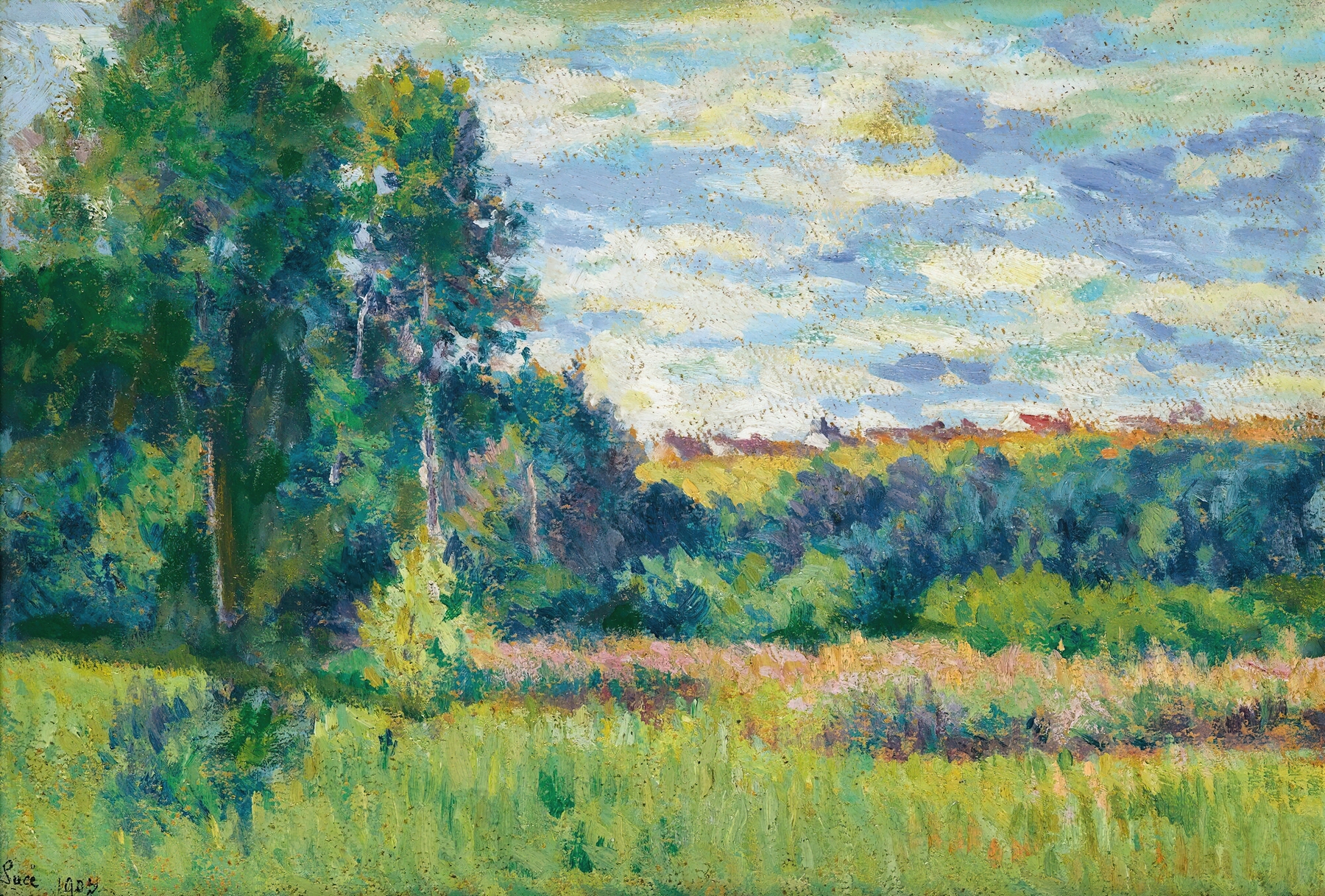
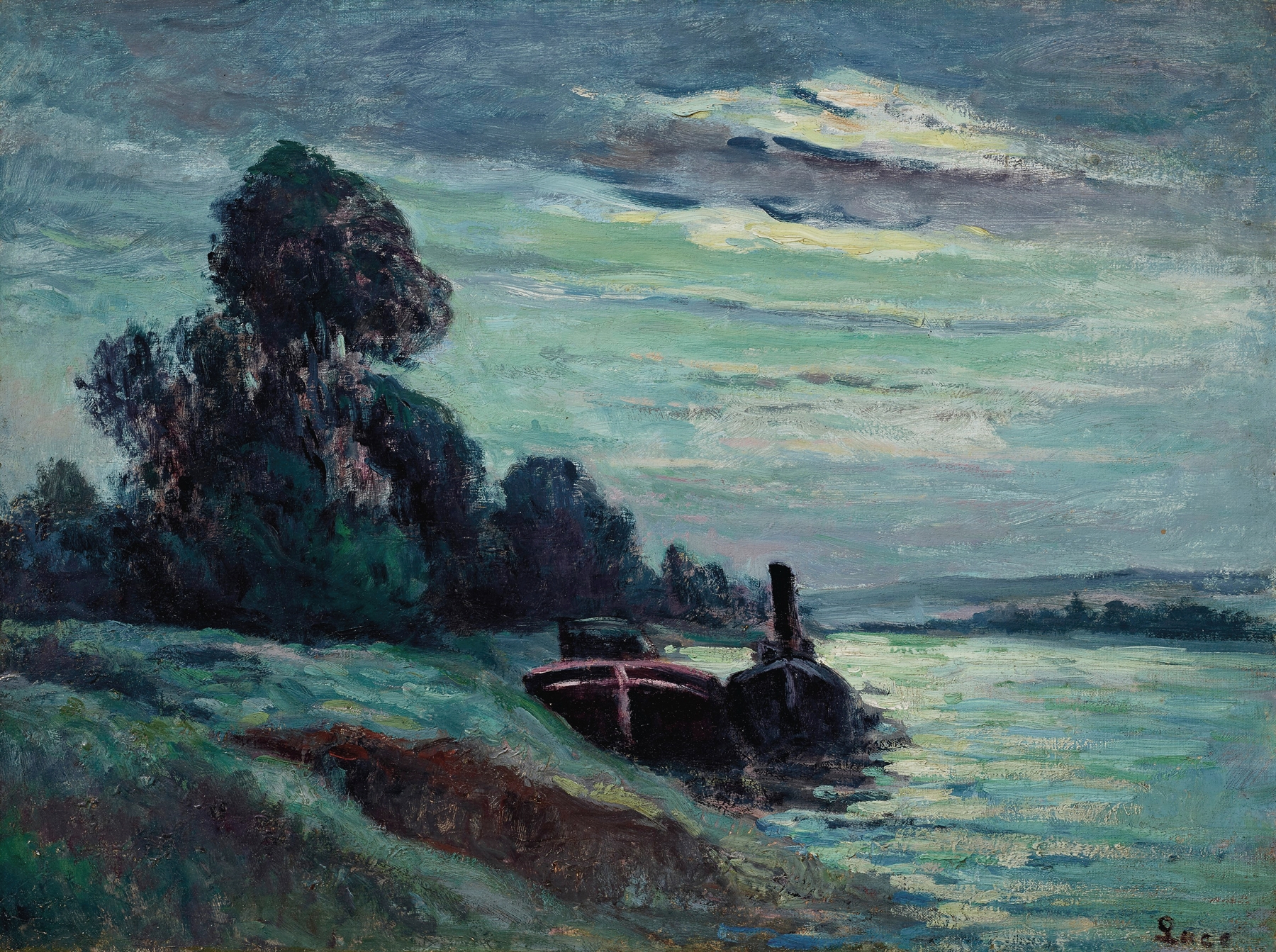
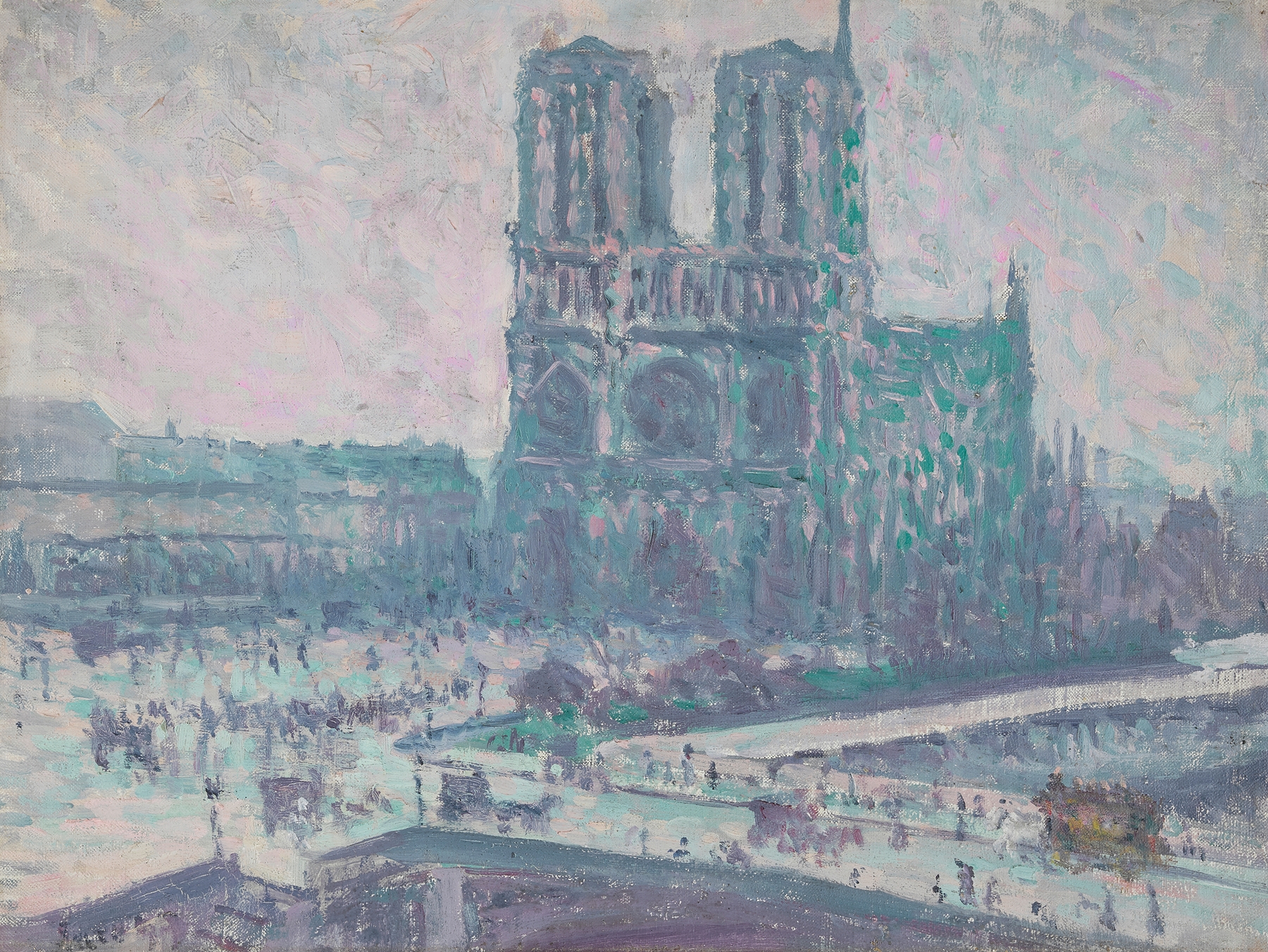
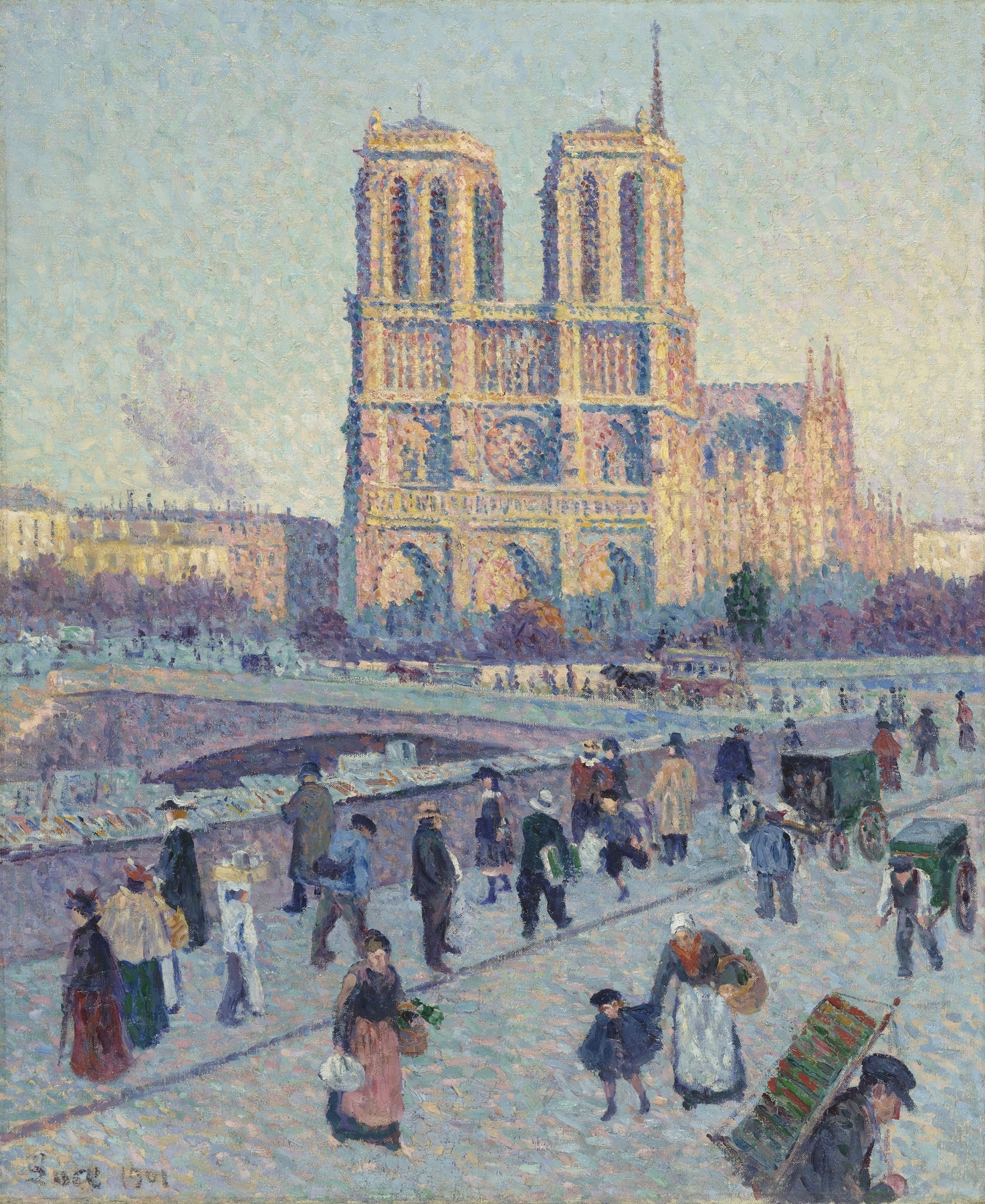
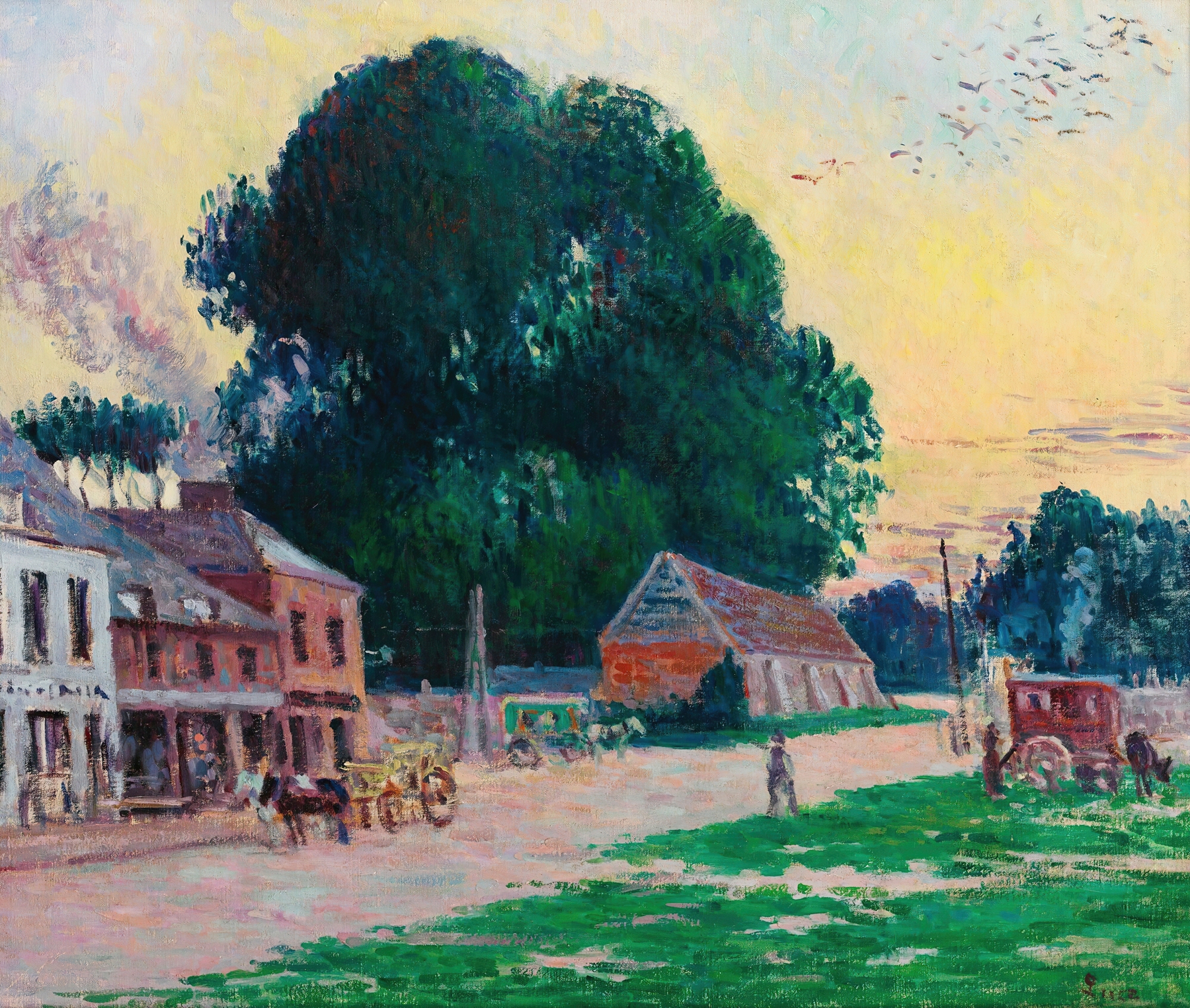
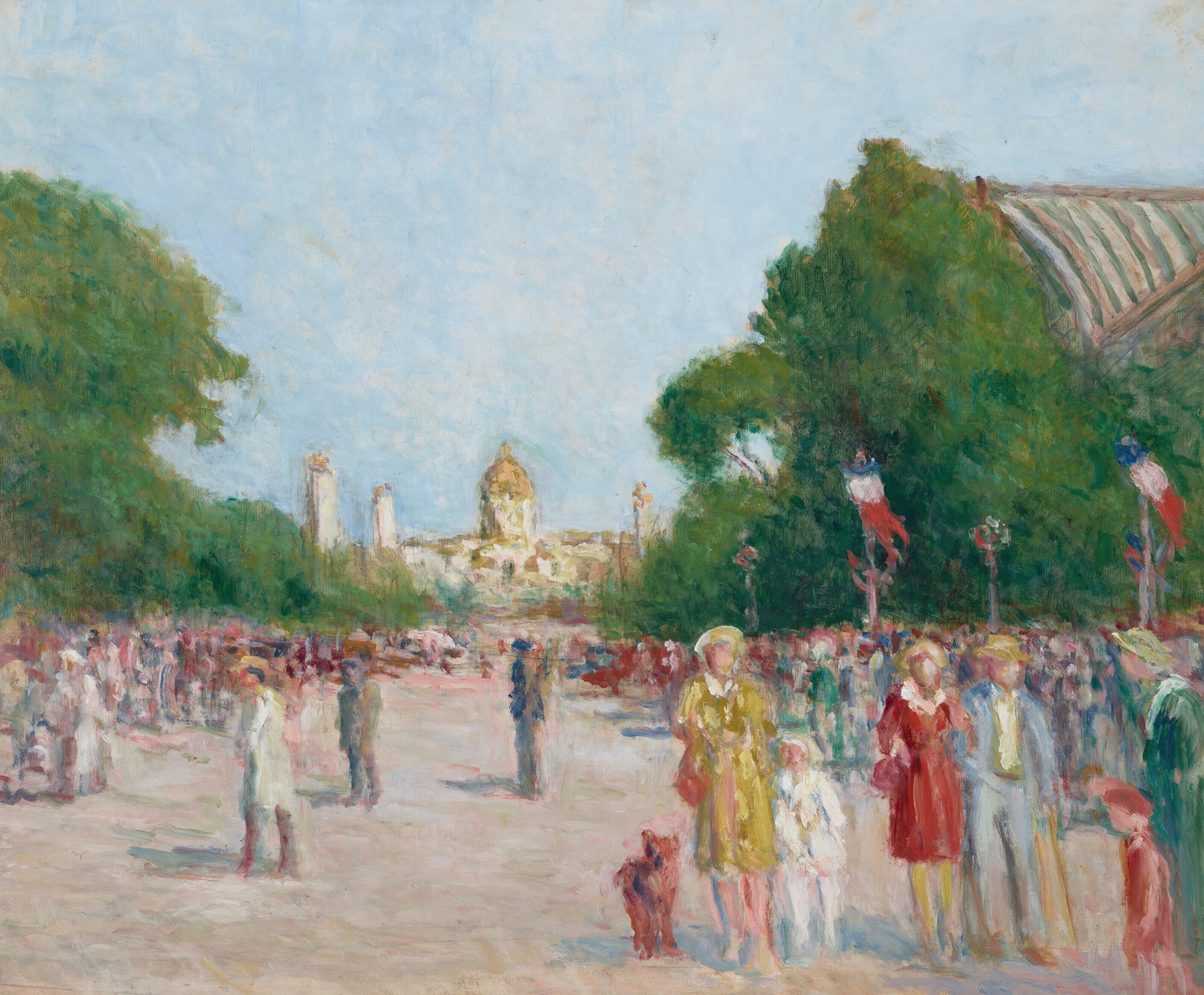
“To paint is to remember what time wants us to forget.” The lively hues of the canvas breathe life into a moment, capturing not just a street, but the essence of memory itself. Look to the bottom left where vibrant strokes of green and blue intermingle, forming a lush foreground of trees and foliage. Notice how the sun-dappled light spills like liquid gold onto the cobblestones, beckoning you to wander down the path. The composition draws your gaze upward, where the buildings, rendered in soft ochres and warm whites, rise elegantly against the sky. The masterful interplay of color and brushwork envelops the scene, creating a rhythm that invites exploration. Amidst the vibrant chaos, subtle contrasts emerge; the animated figures on the street pulse with energy, while the architectural forms stand resolute, embodying permanence against fleeting human activity. Each stroke encapsulates both the joy of daily life and a sense of nostalgia for moments that are both ephemeral and eternal. The colors seem to whisper secrets of the past, hinting at the stories of those who walked these very paths. In 1893, Luce painted this piece during a period of significant transformation in Paris, a city alive with the fervor of modernity. The artist was deeply influenced by the Impressionist movement, yet he sought to infuse his own vision with a vibrant color palette and a focus on the urban experience. As he explored the streets of Montmartre, the pulse of a changing society ignited his creativity, leading him to immortalize the charm of this bustling Parisian street.