Rue Saint Jacques — History & Analysis
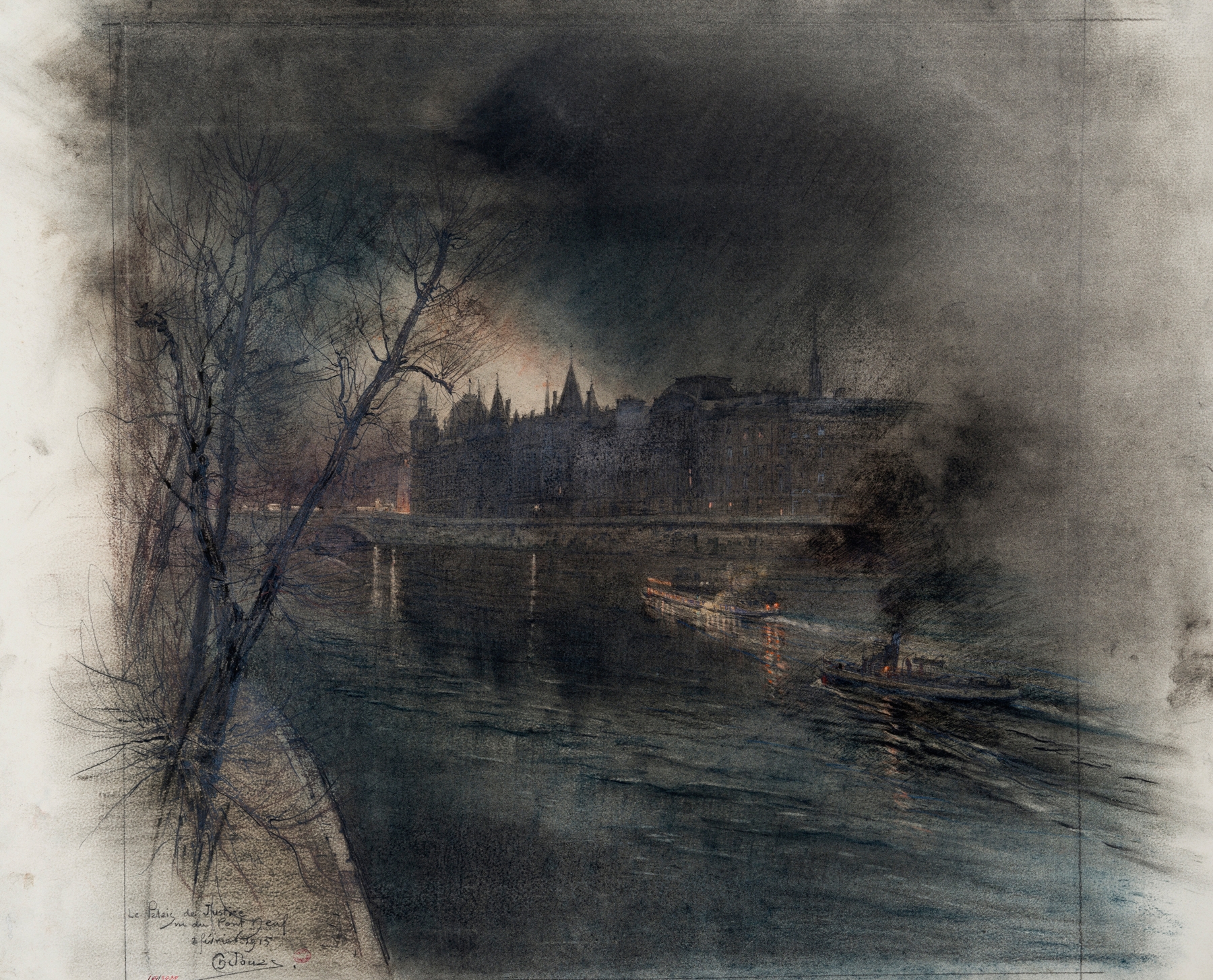
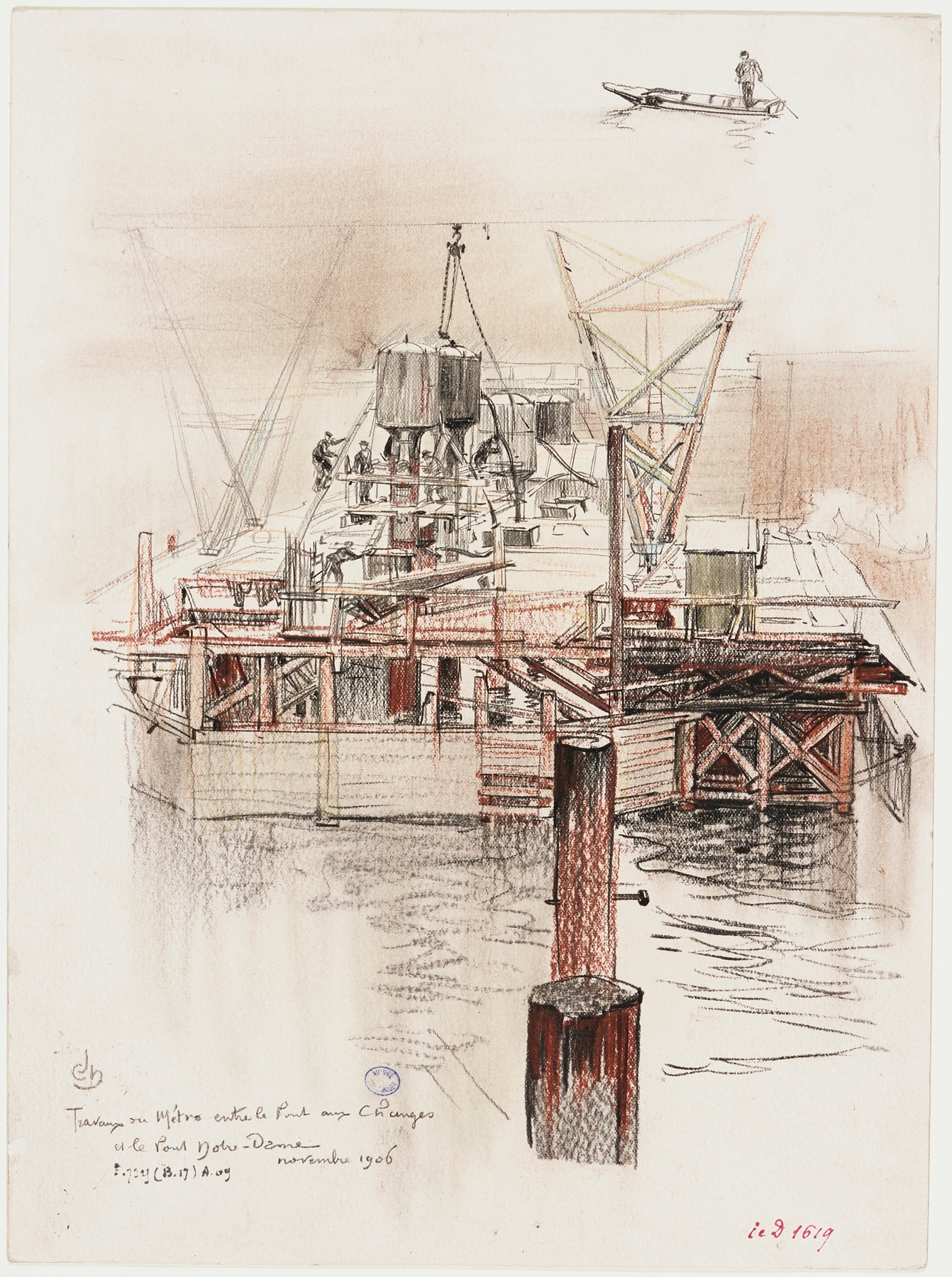
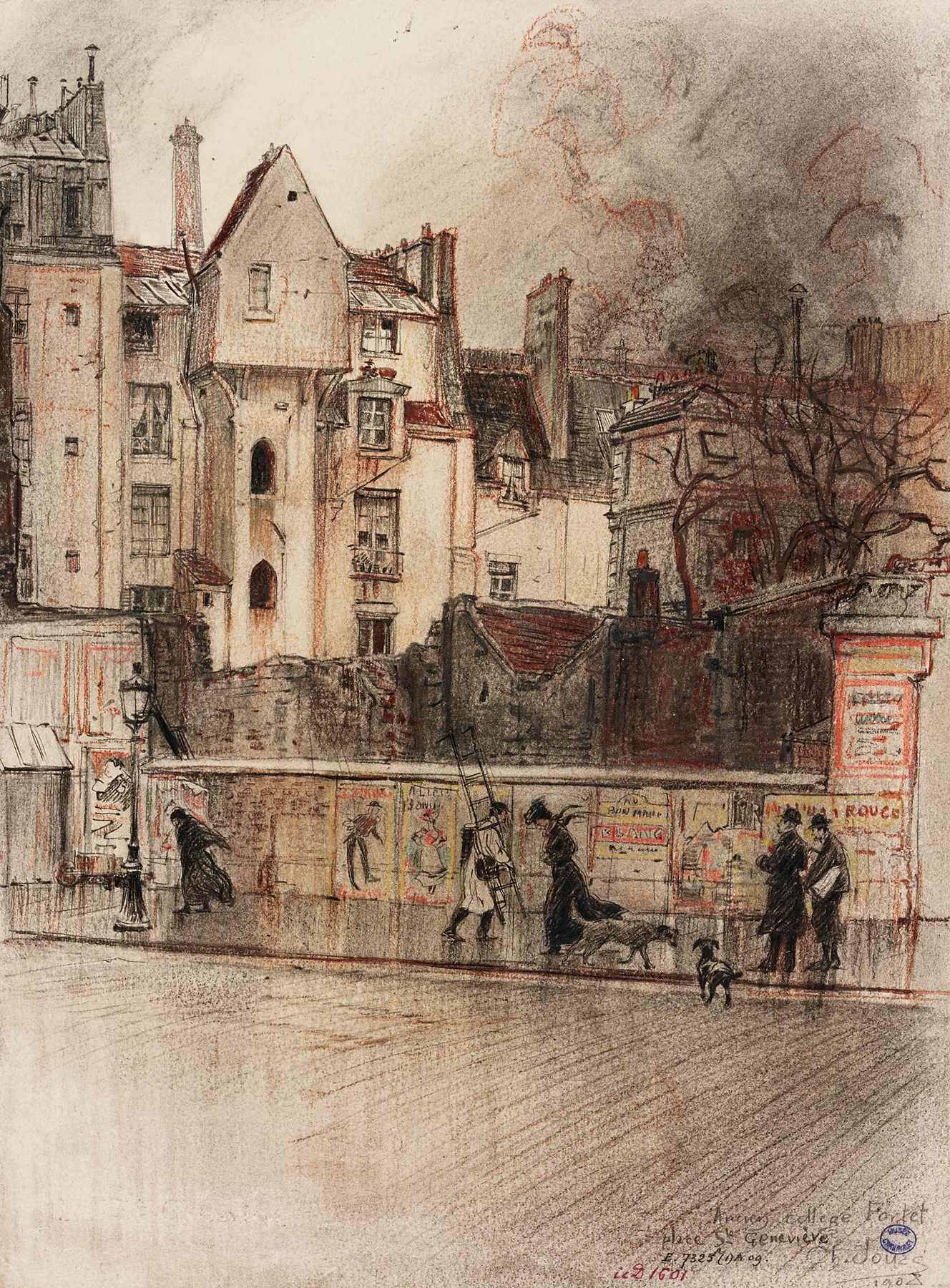
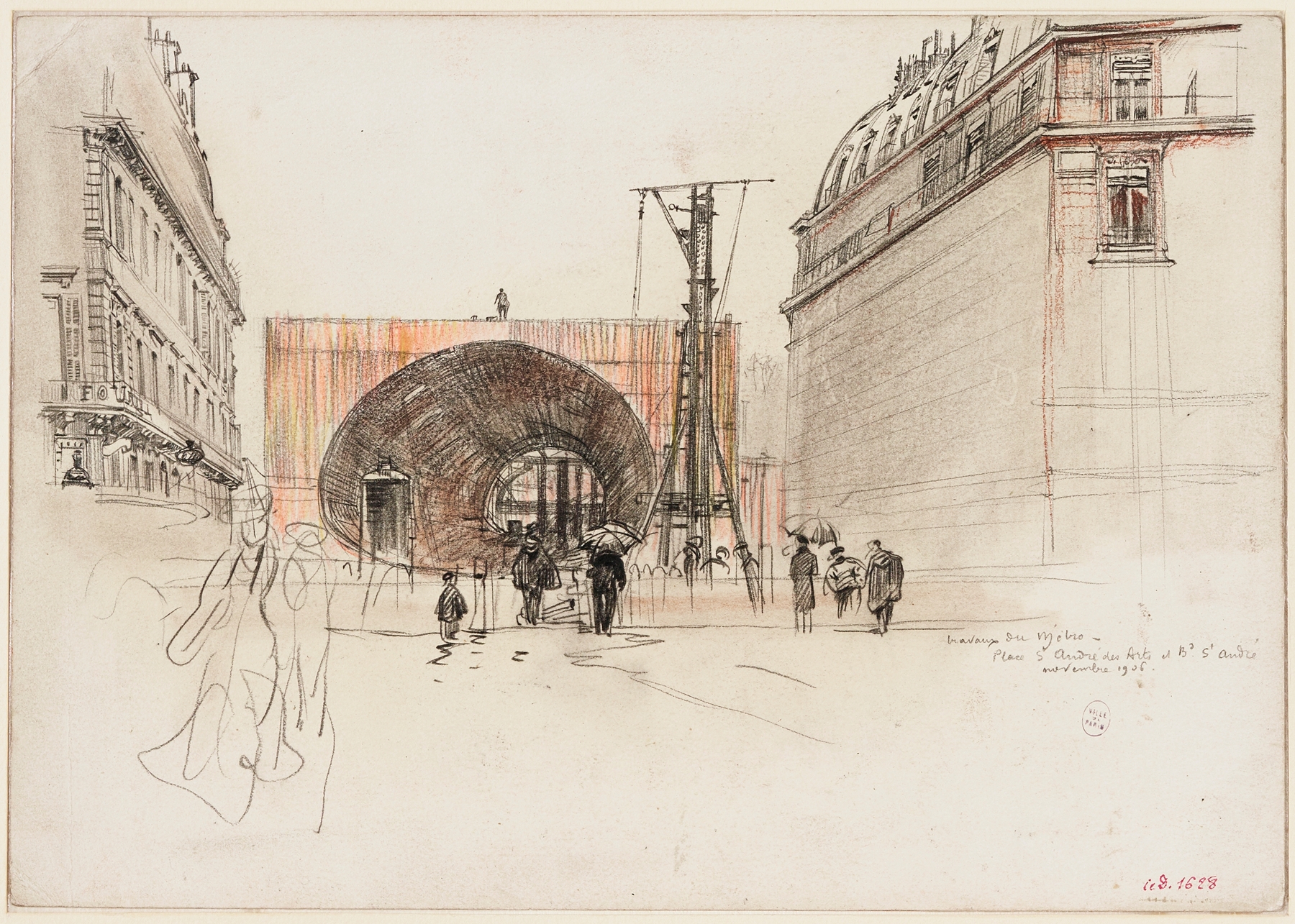
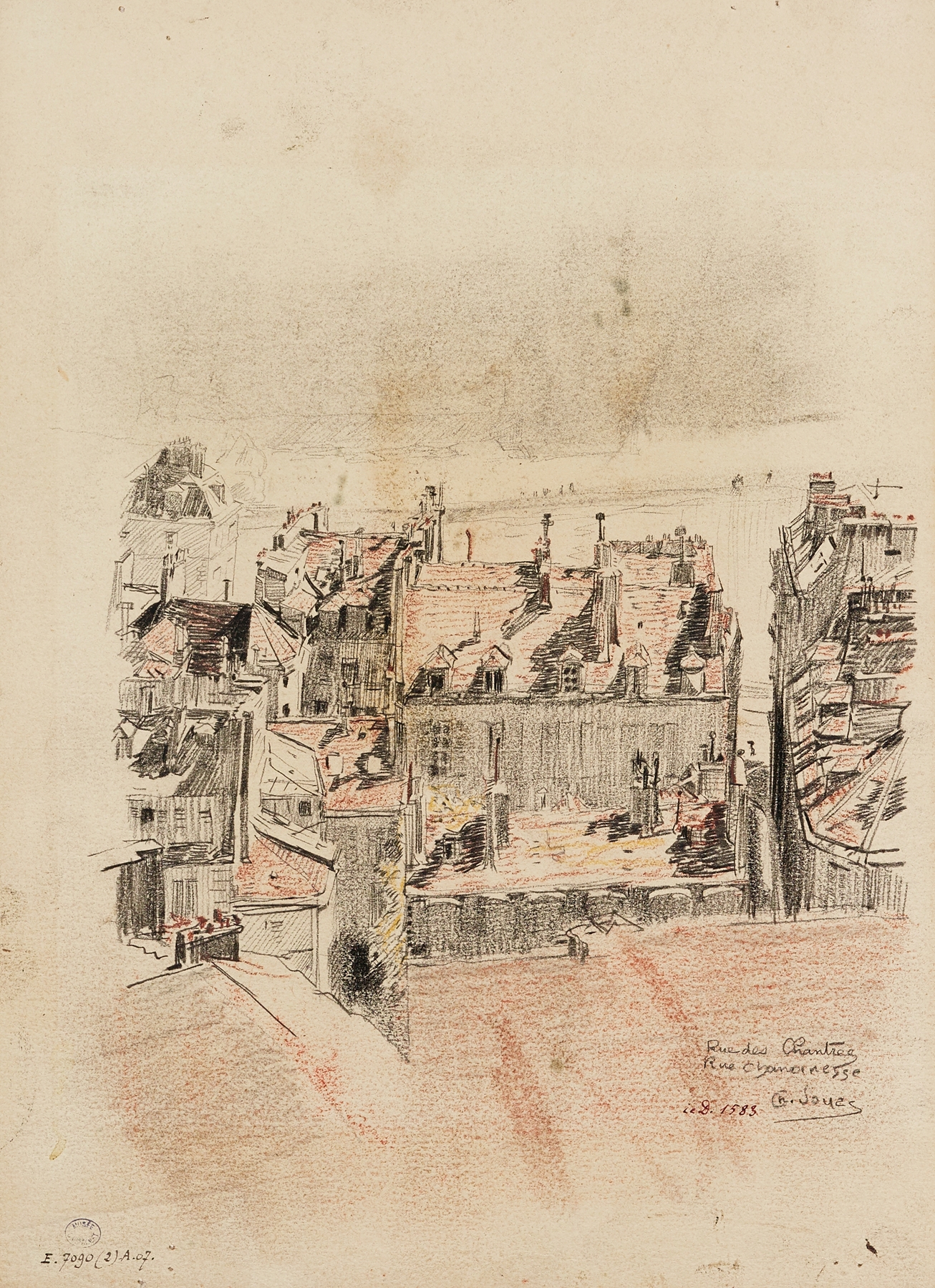
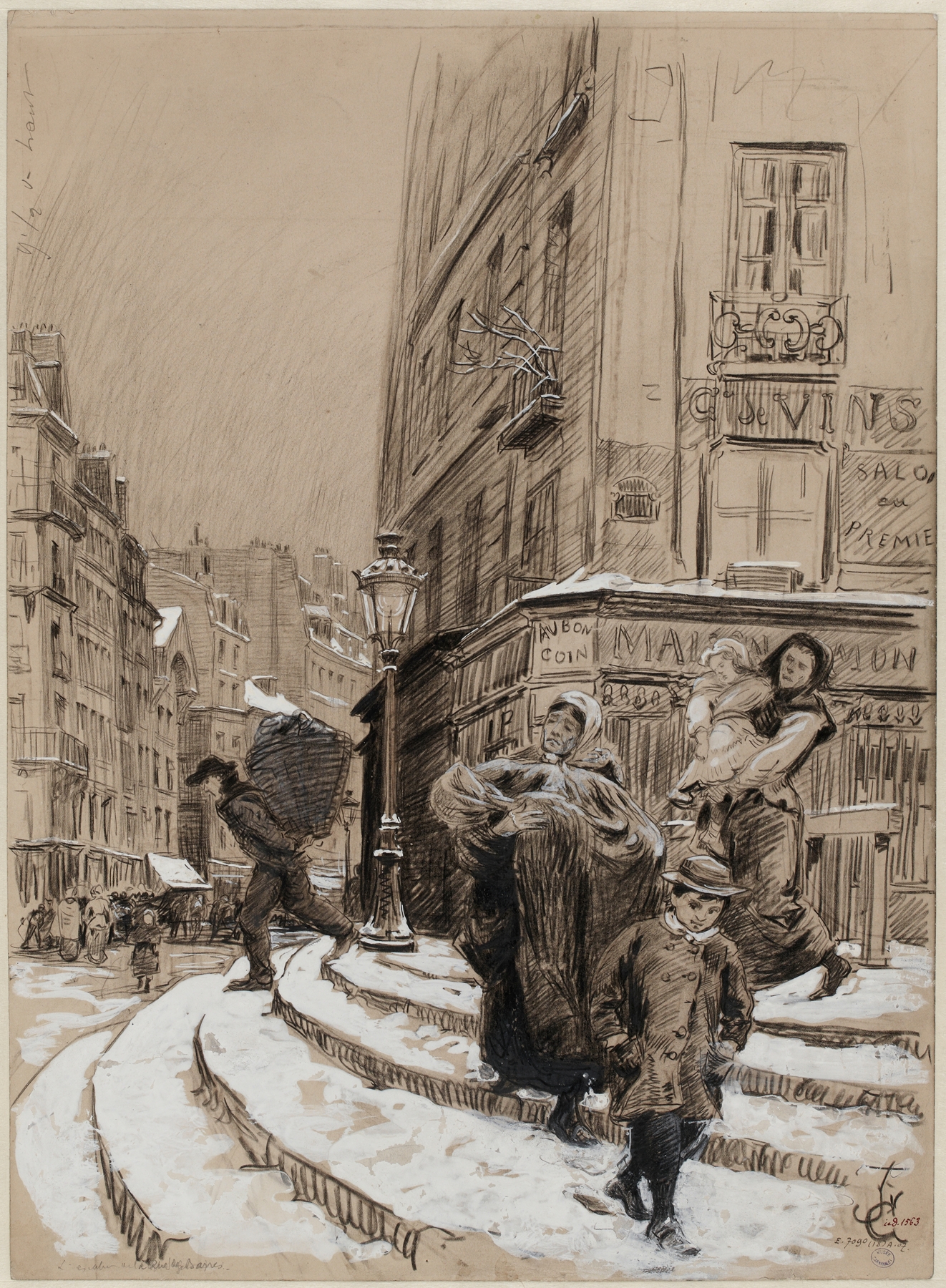
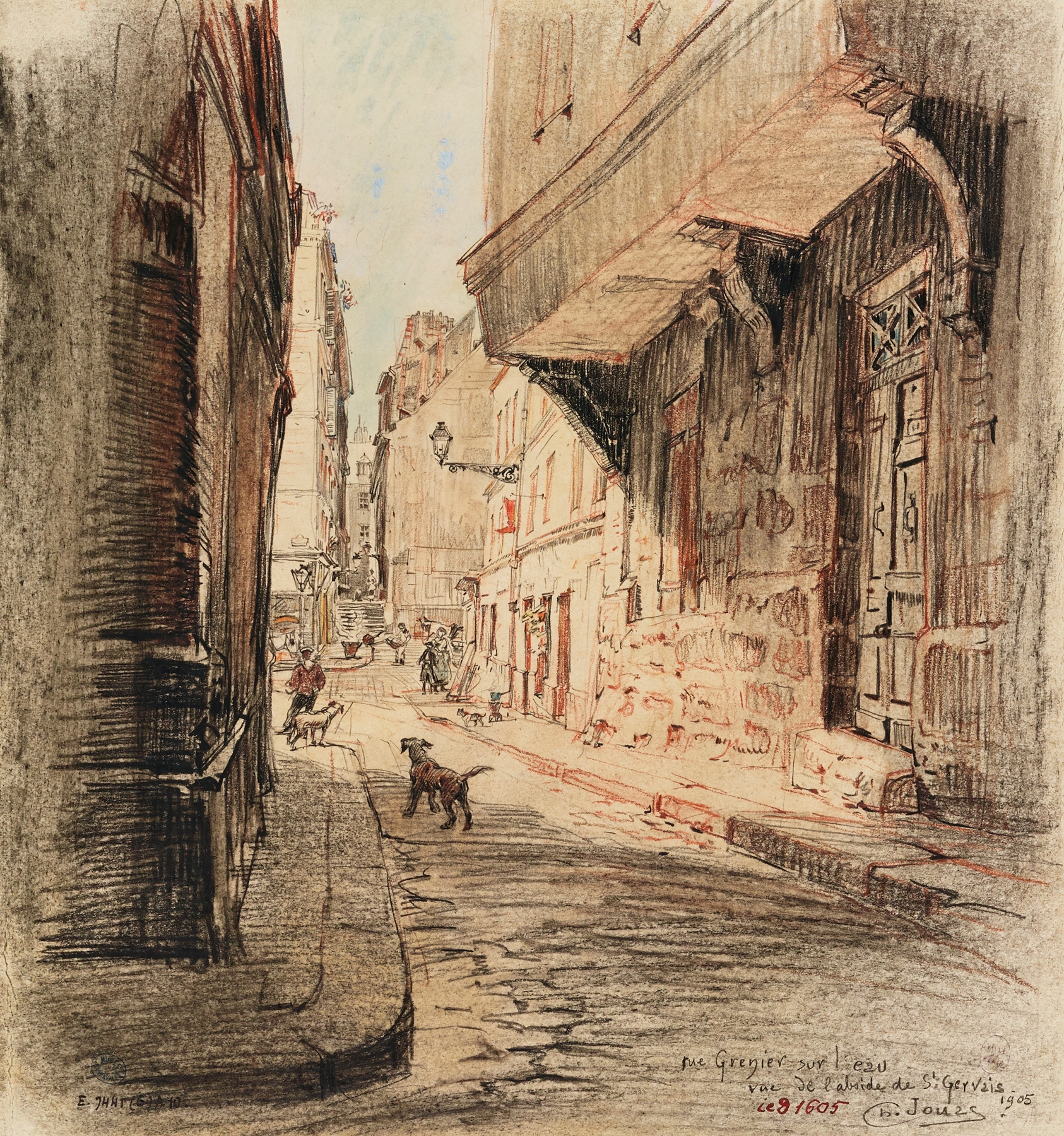
“Under the brush, chaos becomes grace.” This notion reverberates through every stroke of Jouas’s work, where dreams meld with reality in a delicate dance. Look closely at the foreground, where vibrant strokes of color weave through the cobblestone street. The buildings, rendered in soft pastels, cradle the scene, their windows reflecting a warmth that beckons to the viewer. Notice how Jouas expertly captures a moment suspended in time; the figures, though seemingly distant, pulse with life, caught in a tranquil yet evocative journey along the Rue Saint Jacques.
The palette, a symphony of blues and yellows, invites a sense of nostalgia, evoking both longing and serene contentment. As you absorb the scene, consider the contrasts within: the lively movement of pedestrians against the stillness of the architecture, the interplay of shadow and light that suggests both day and dream. Each brushstroke captures fleeting moments — the potential for connection and the isolation of urban life. The gentle curves of the street draw the eye deeper into the composition, hinting at the unseen stories that lie just beyond the canvas.
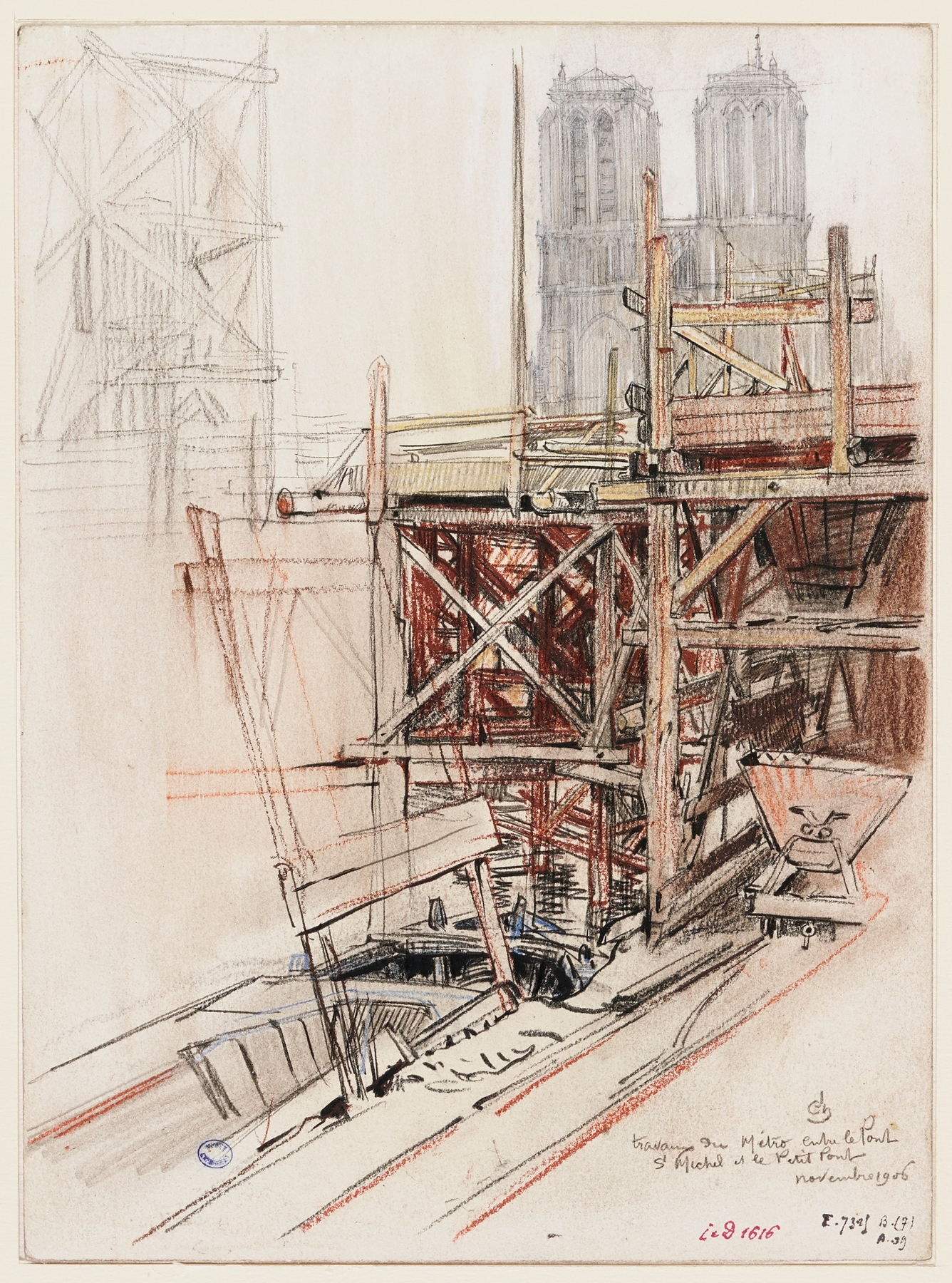
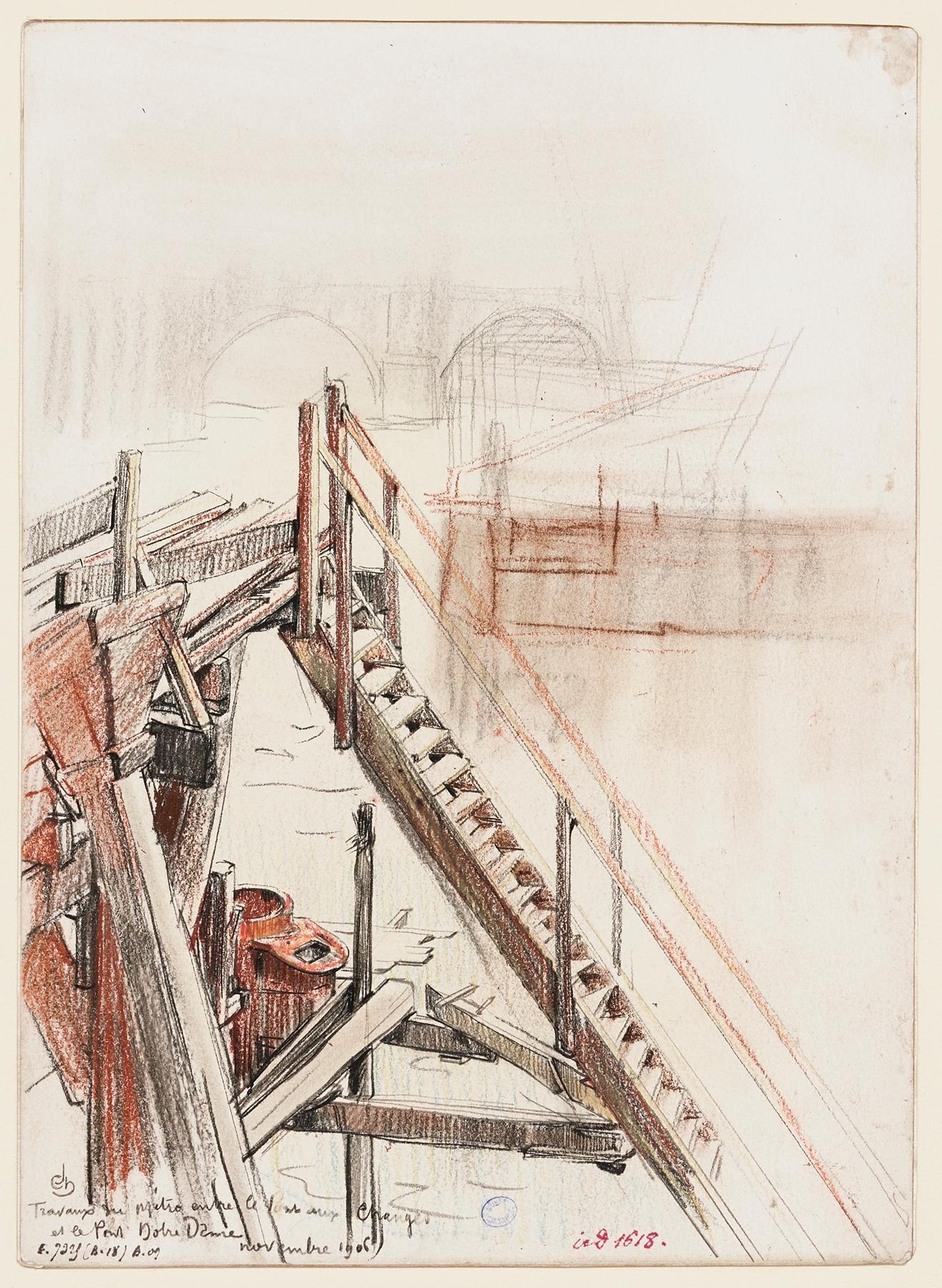
In 1906, Jouas was immersed in the zeitgeist of the Fauvist movement, painting from his studio in Paris as the world around him buzzed with innovation and change. His dedication to color and form signified a shift toward expressive abstraction, reflecting his desire to convey emotion over realism. This was a transformative period in art, where boundaries were pushed, and Jouas’s vision of the streets was an intimate portrayal of a vibrant Parisian life that embraced both the mundane and the extraordinary.