Ruined Archway — History & Analysis
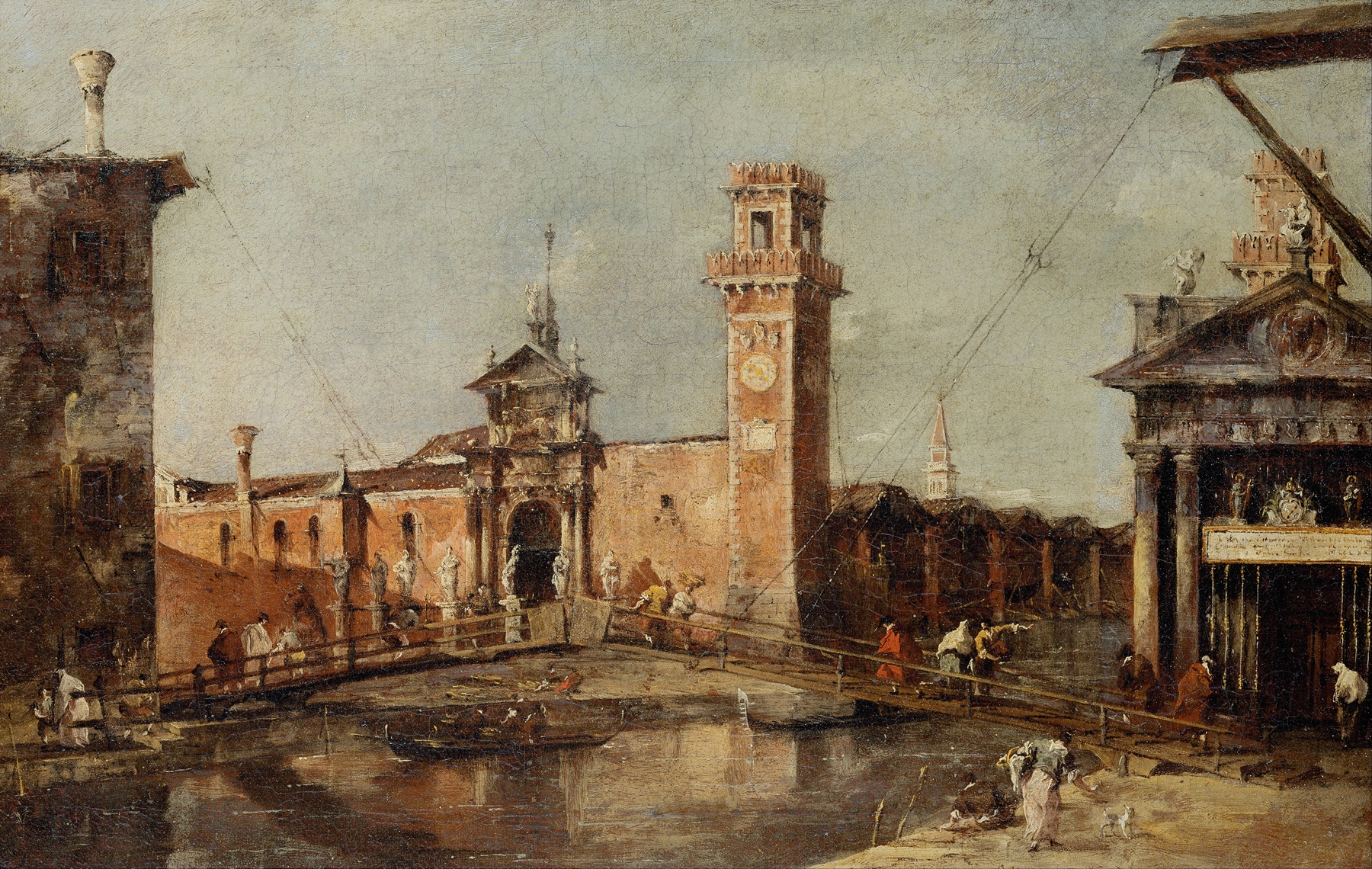
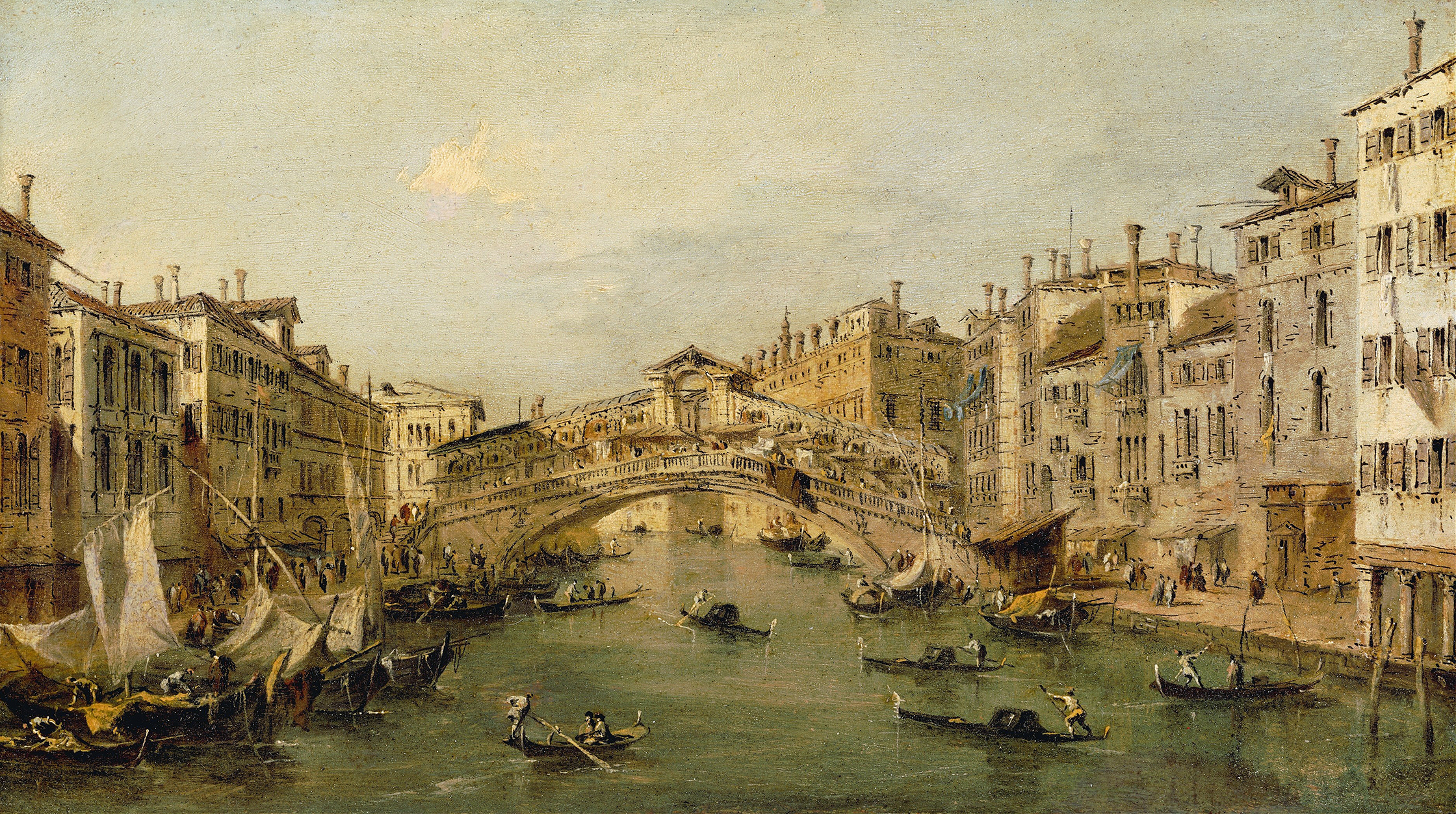
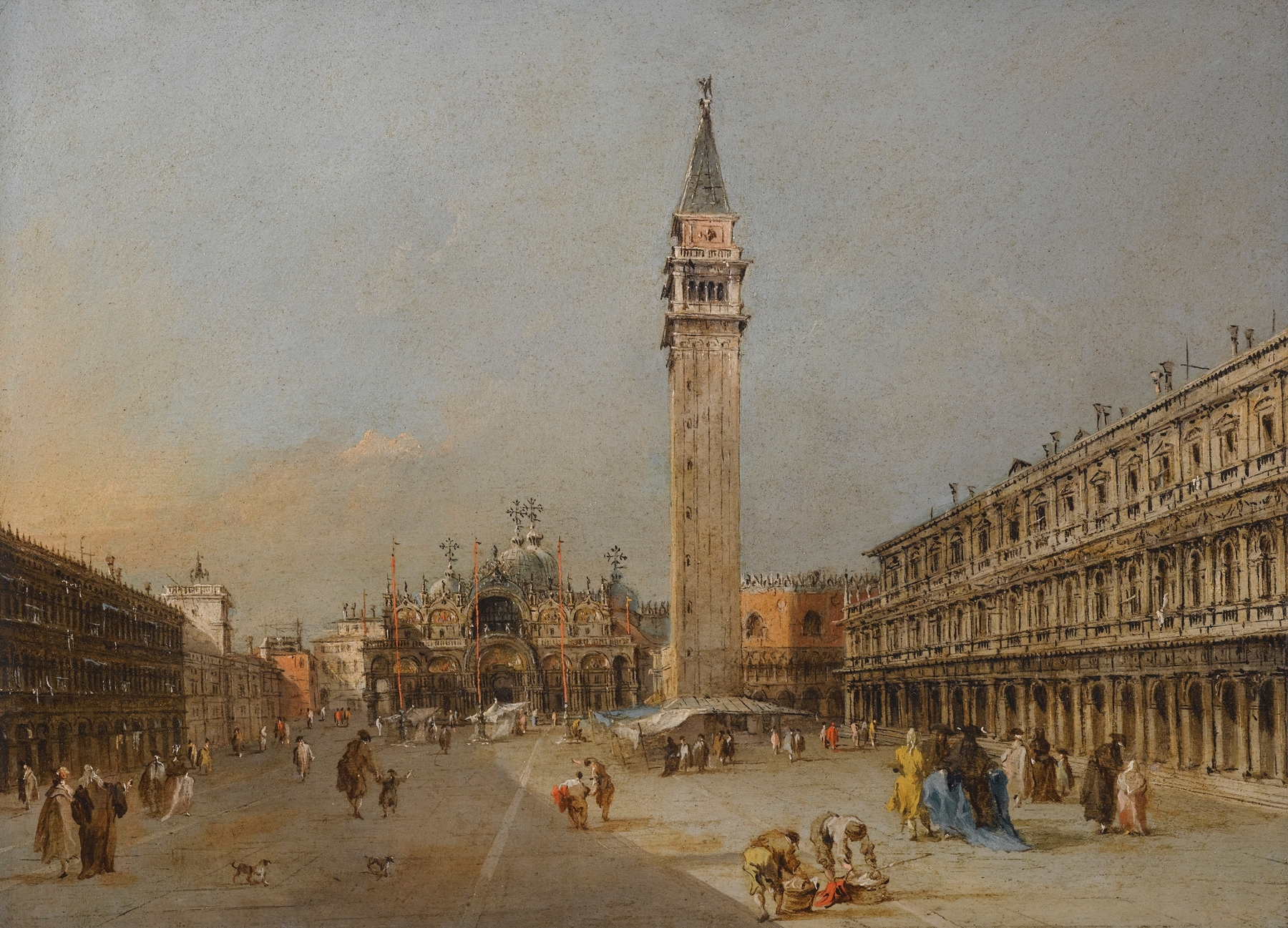
When did color learn to lie? Within the crumbling forms of a once-grand archway, desire intertwines with decay, revealing the bittersweet allure of a forgotten past. Focus on the archway's weathered stones, where soft hues of ochre and muted grays beckon the eye. The light dances delicately across the surface, illuminating the textures that tell tales of time and memory. Look closely at the shadows that pool beneath the arch, suggesting both depth and emptiness.
The composition invites the viewer to explore the interplay of light and shadow, crafting a narrative that transcends its physical form. Hidden meanings linger like echoes in the ruins. The archway symbolizes aspirations lost to time—its fragmented structure reflecting the fragility of human desire. One can sense the yearning for restoration, a longing that pervades the atmosphere of the piece.
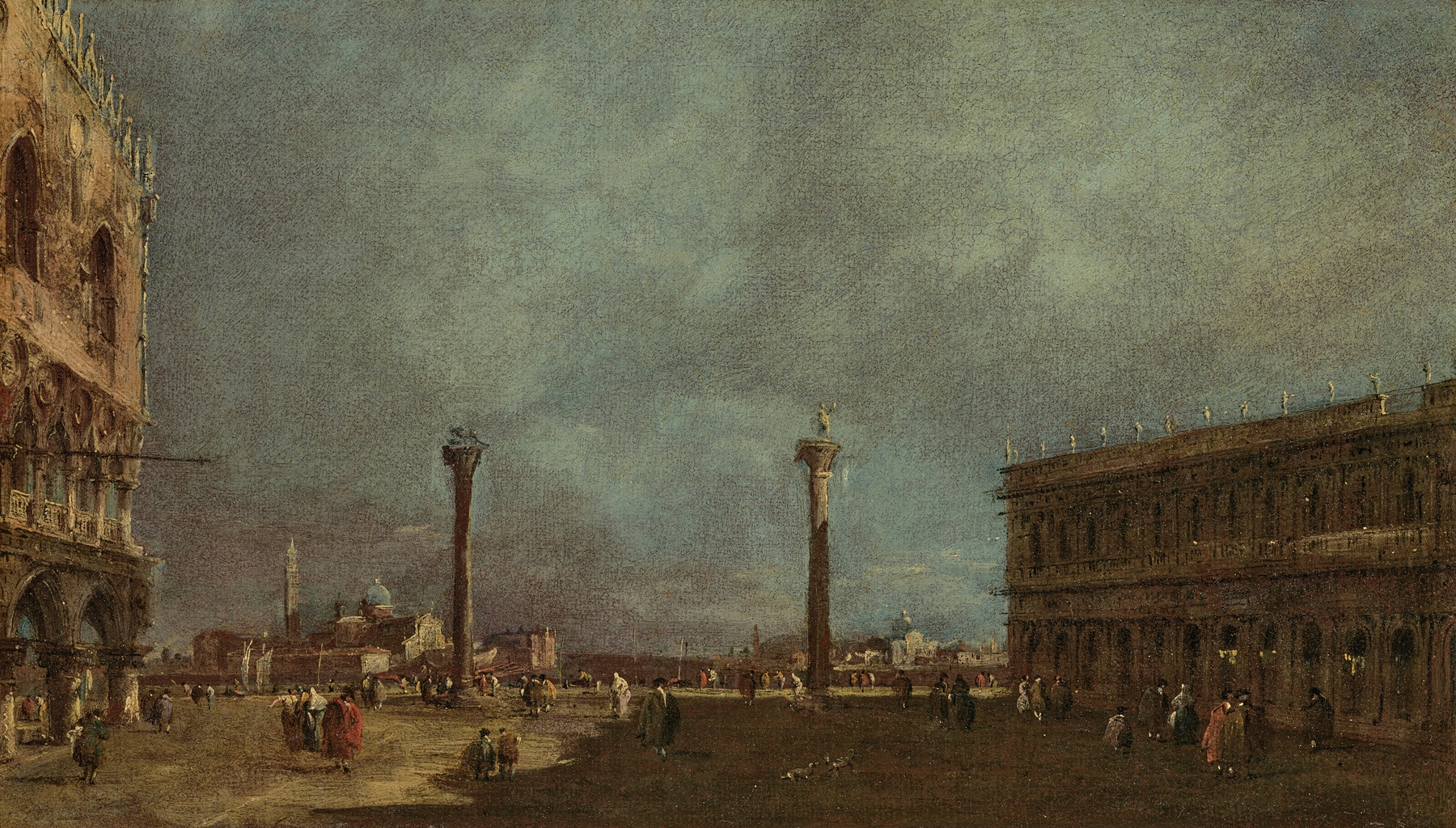
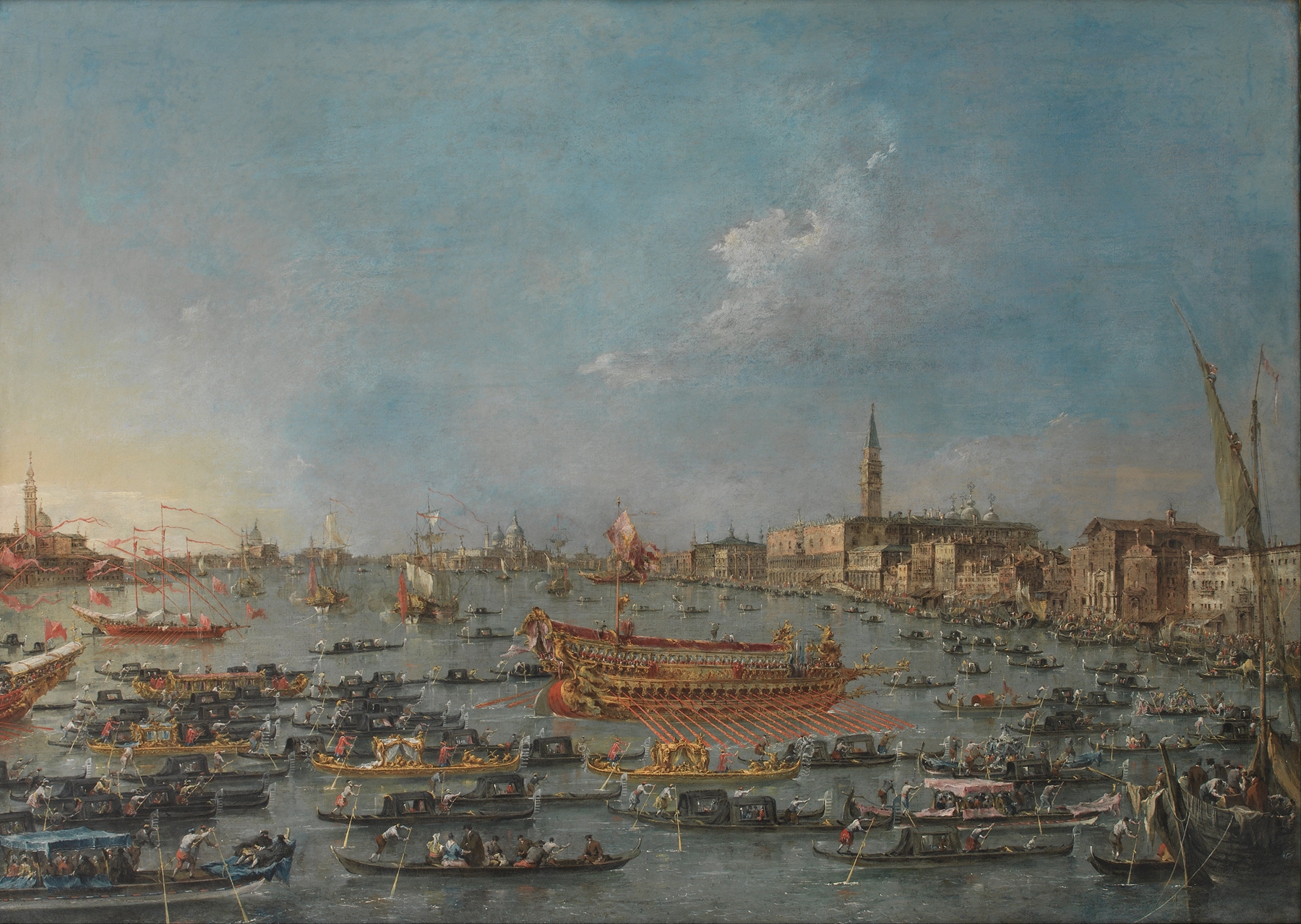
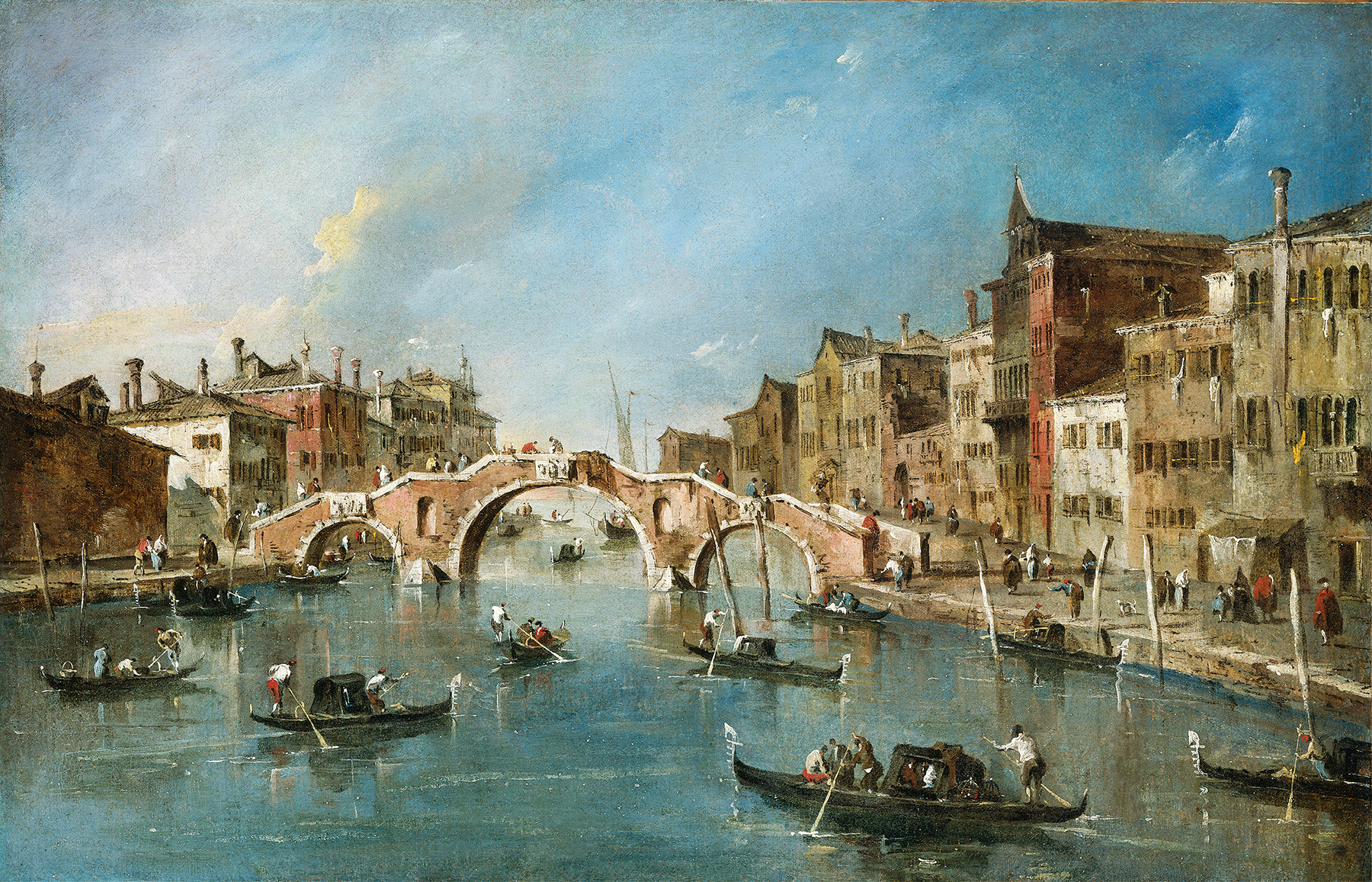
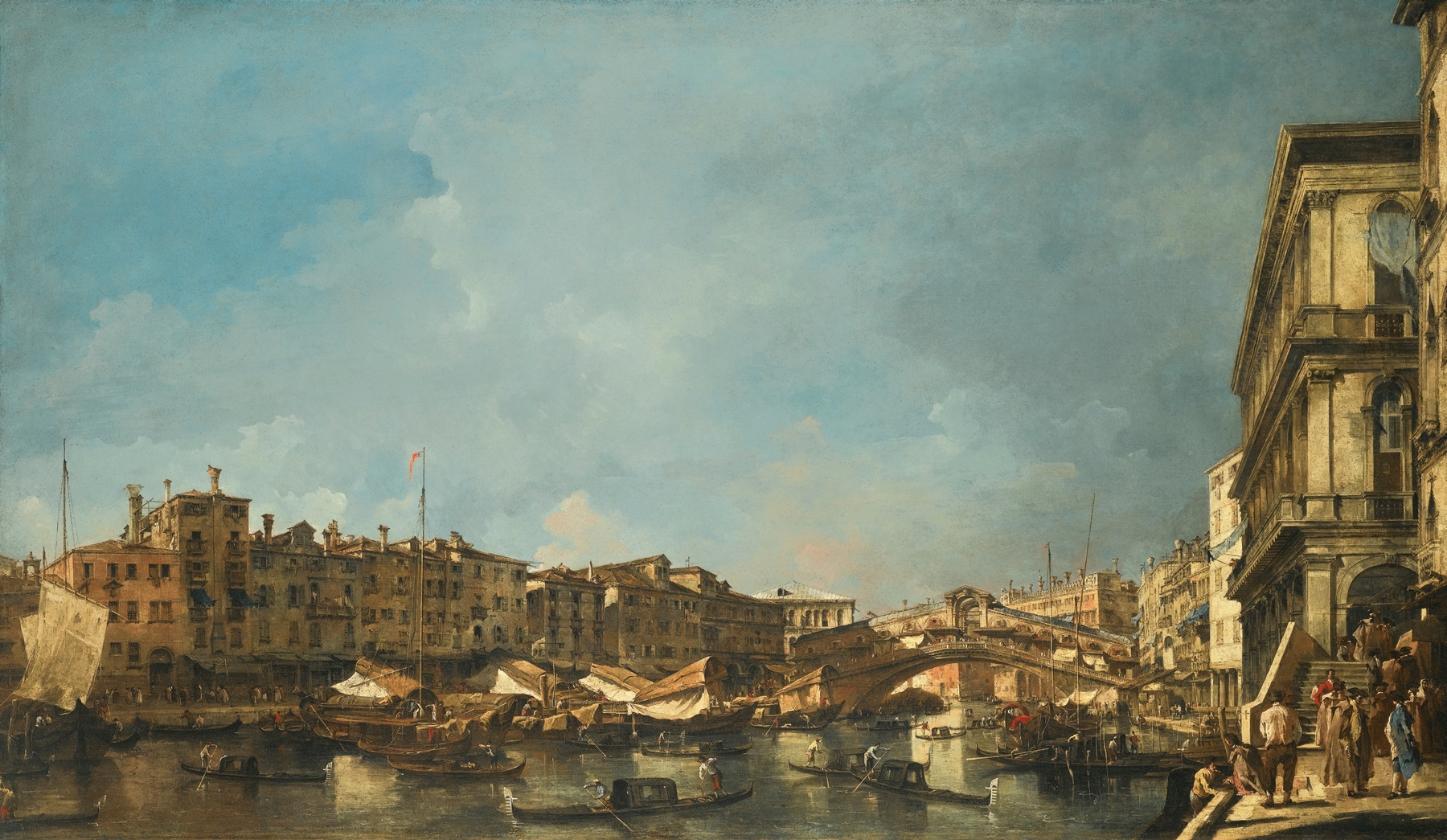
Furthermore, the vibrant touches of color amidst the desolation evoke a complex tension between beauty and neglect, reminding us that what once thrived can fade into silence. In the late 18th century, during a period of artistic transition in Venice, the artist captured Ruined Archway while navigating the emerging influences of Romanticism. Francesco Guardi painted this work between 1775 and 1793, a time when he observed a changing city and an evolving art world. The atmospheric quality of his landscapes mirrored the shifting sentiments of his contemporaries, as the yearning for nostalgia began to crystallize into the very essence of his artistry.