Venice, A View Of San Giorgio Maggiore — History & Analysis
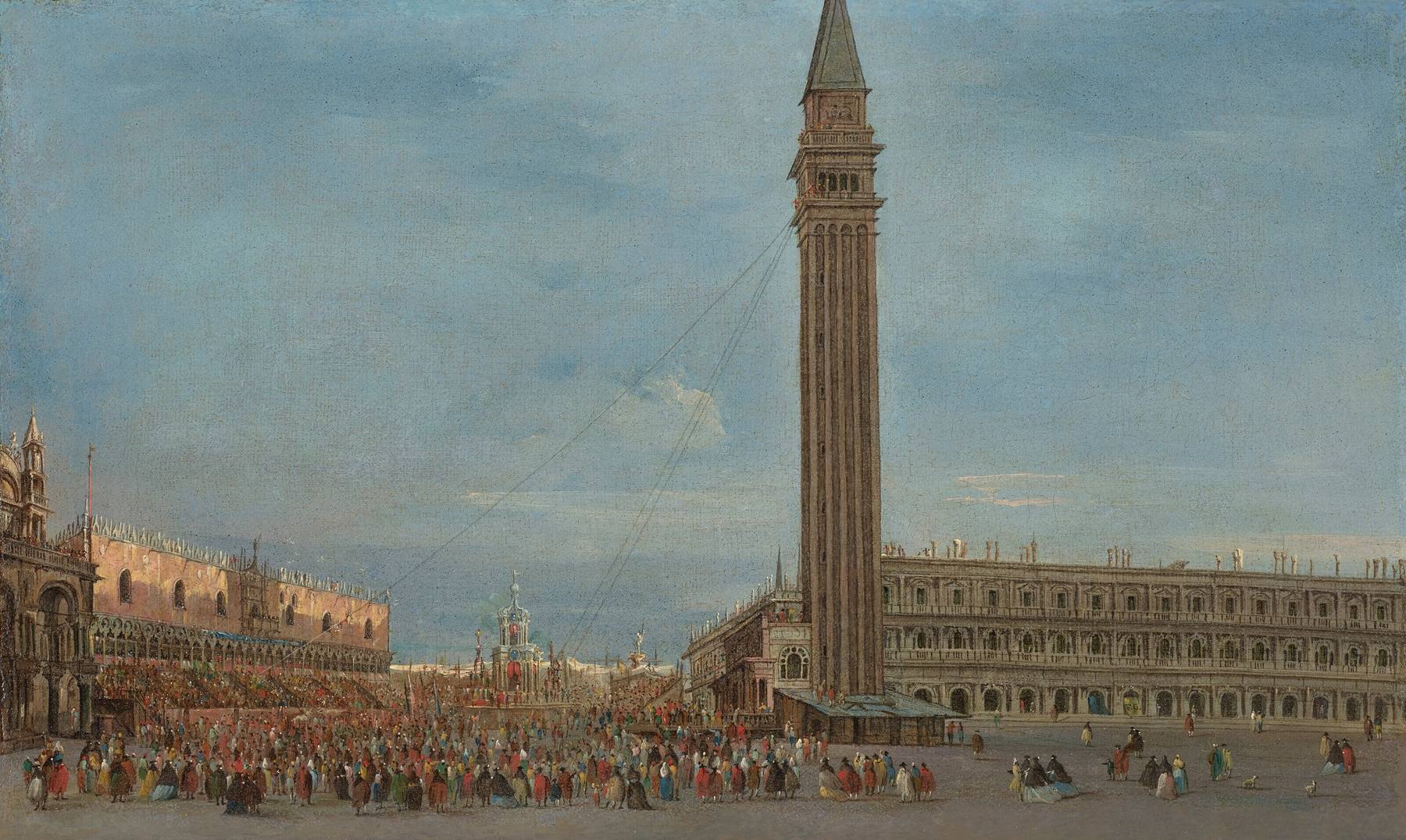
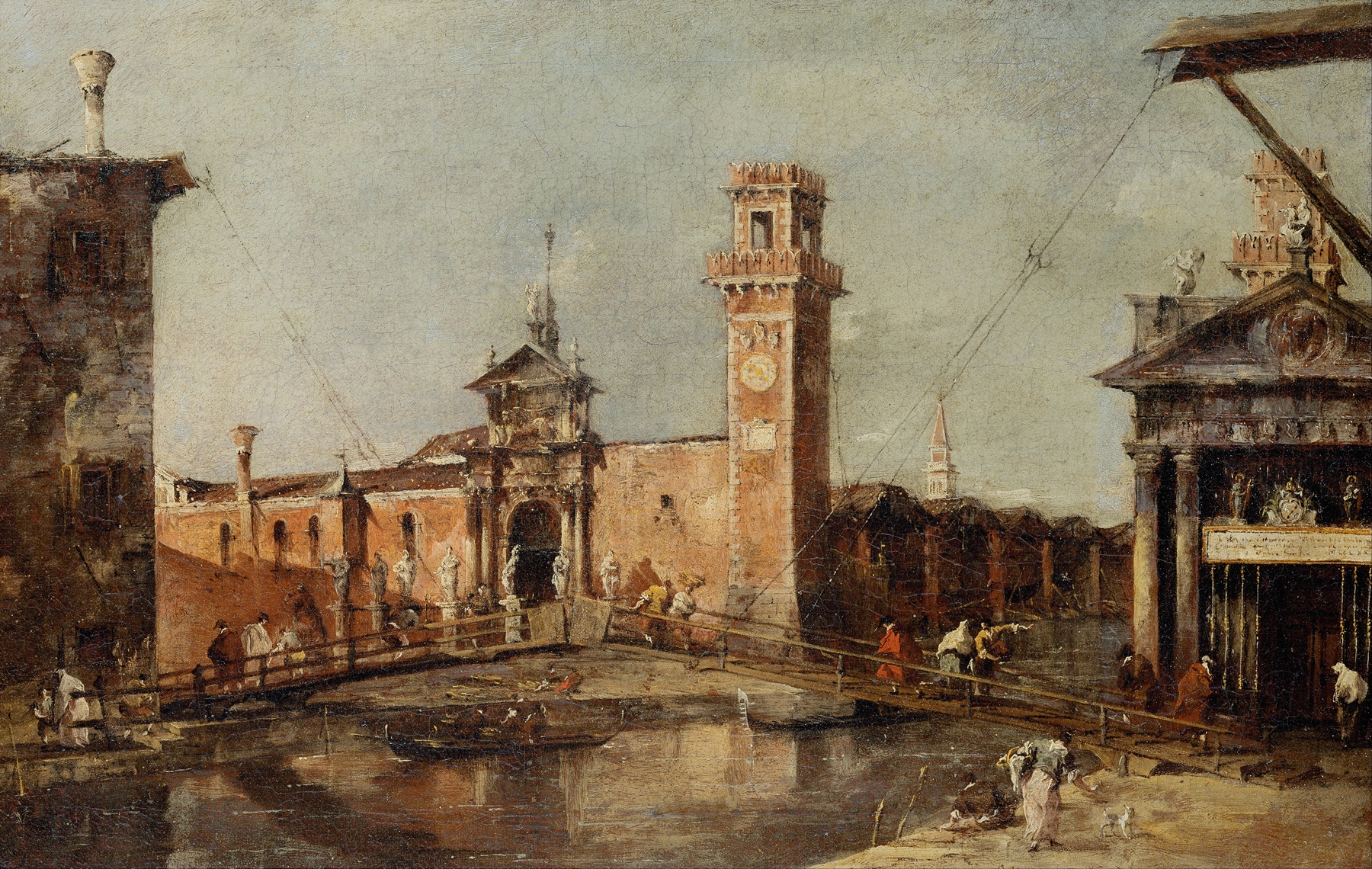
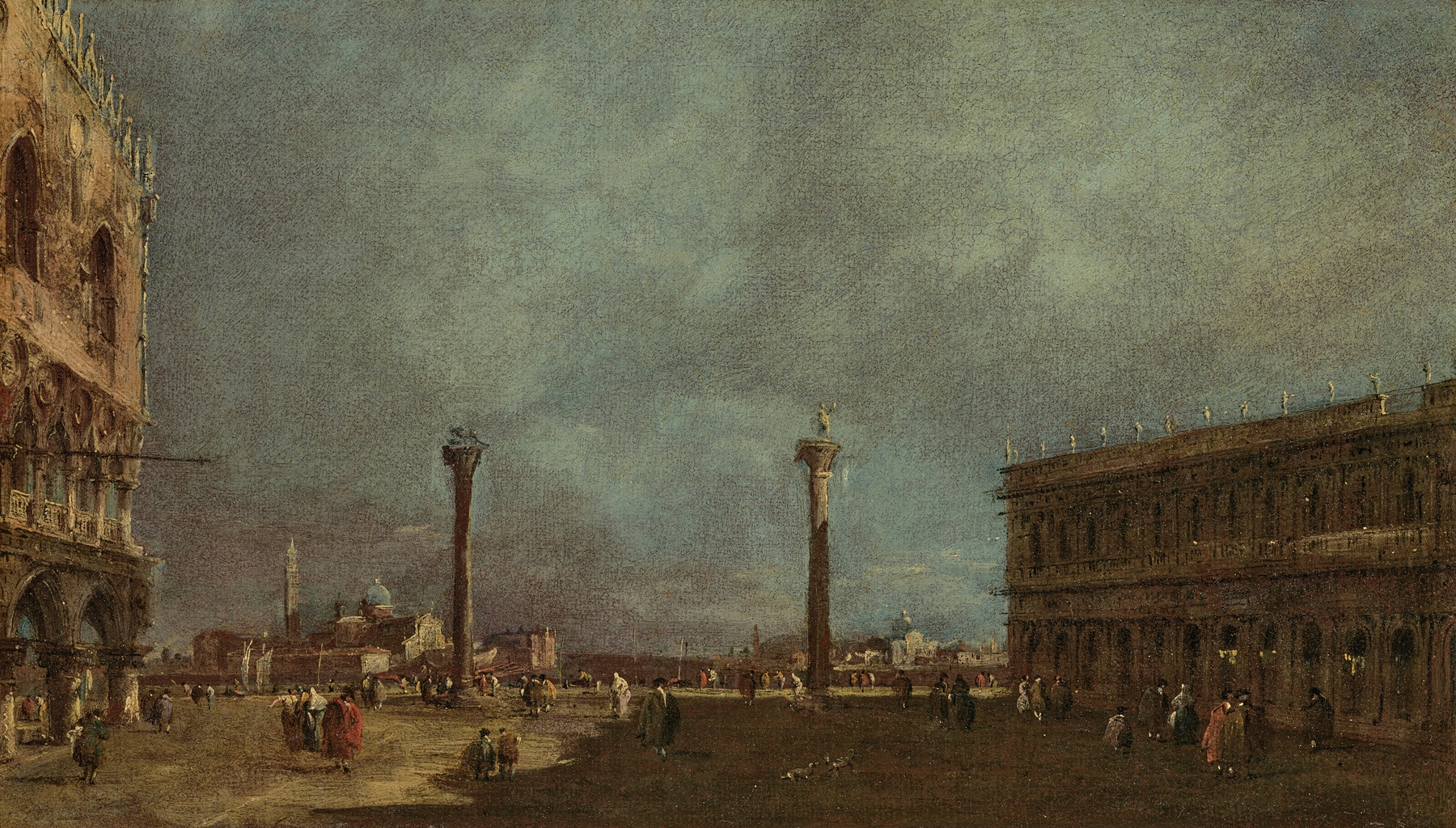
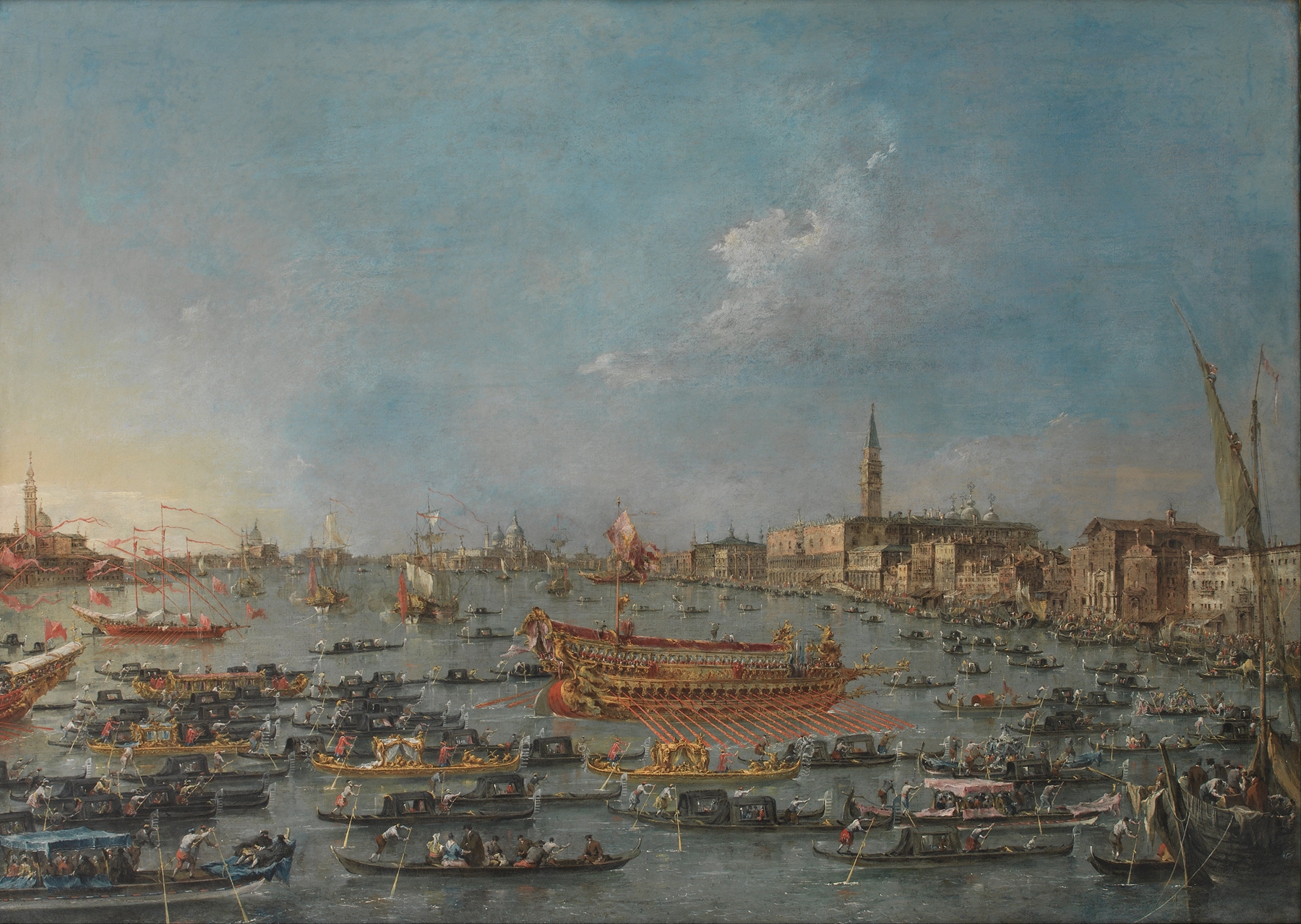
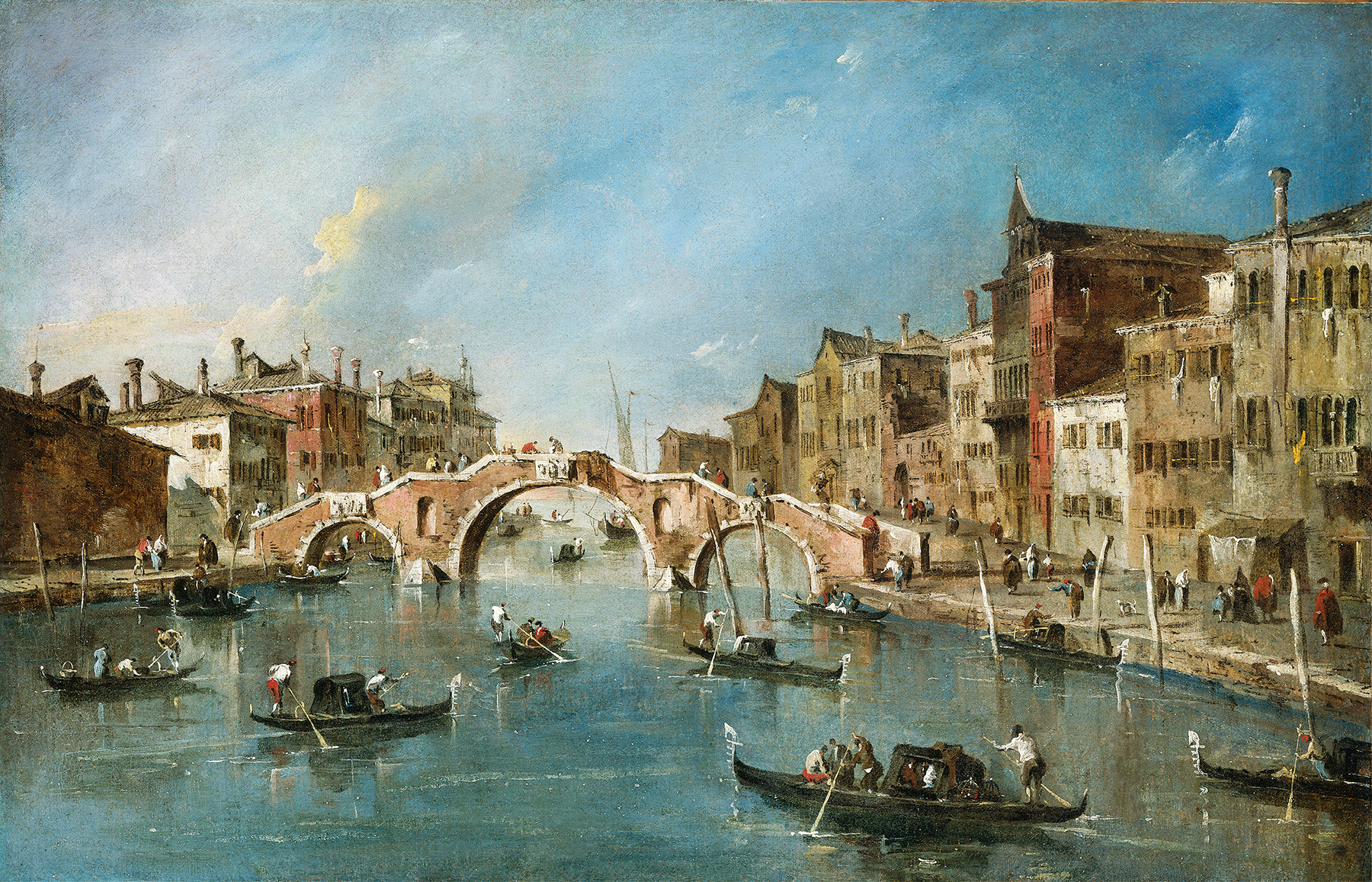
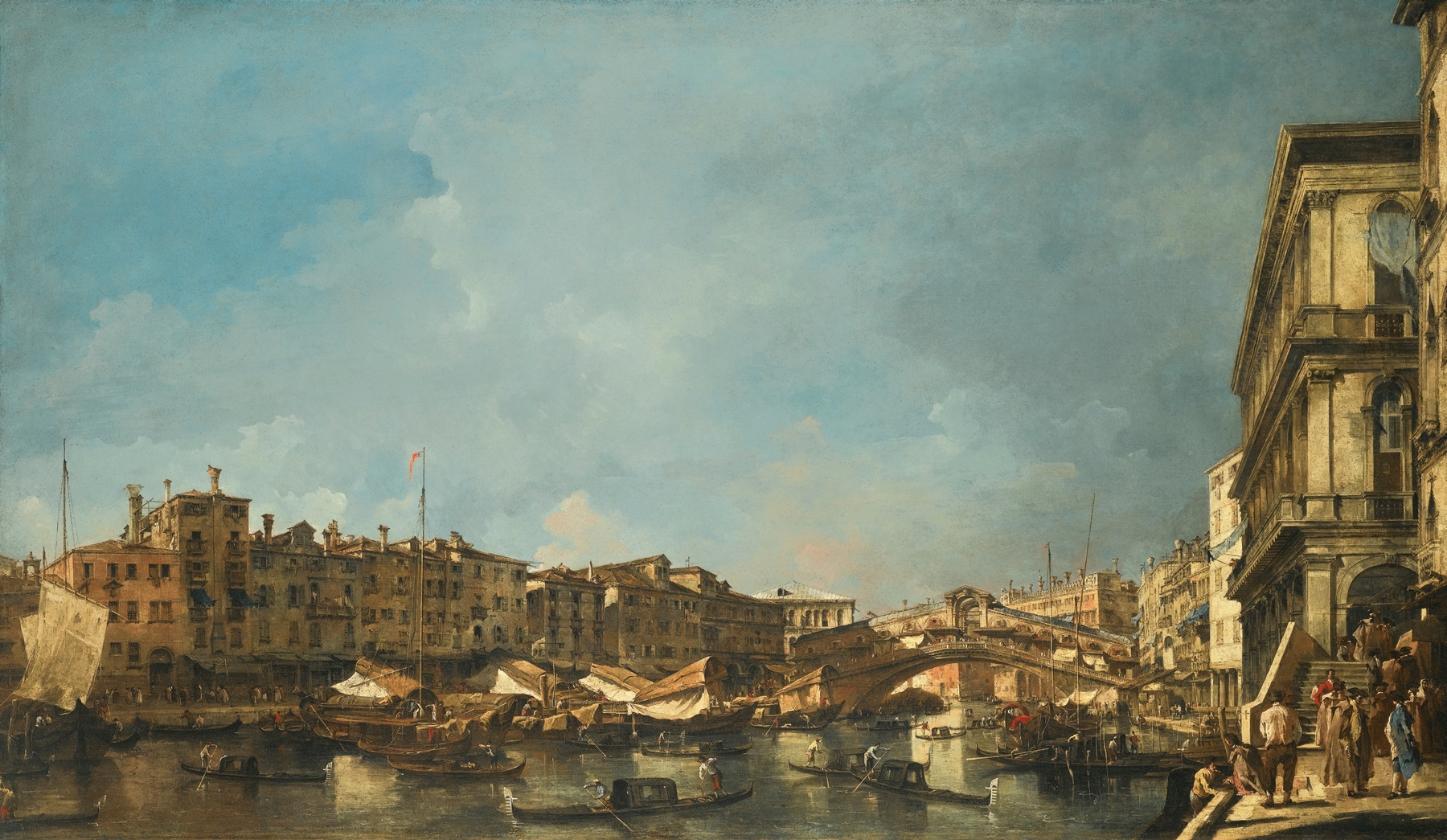
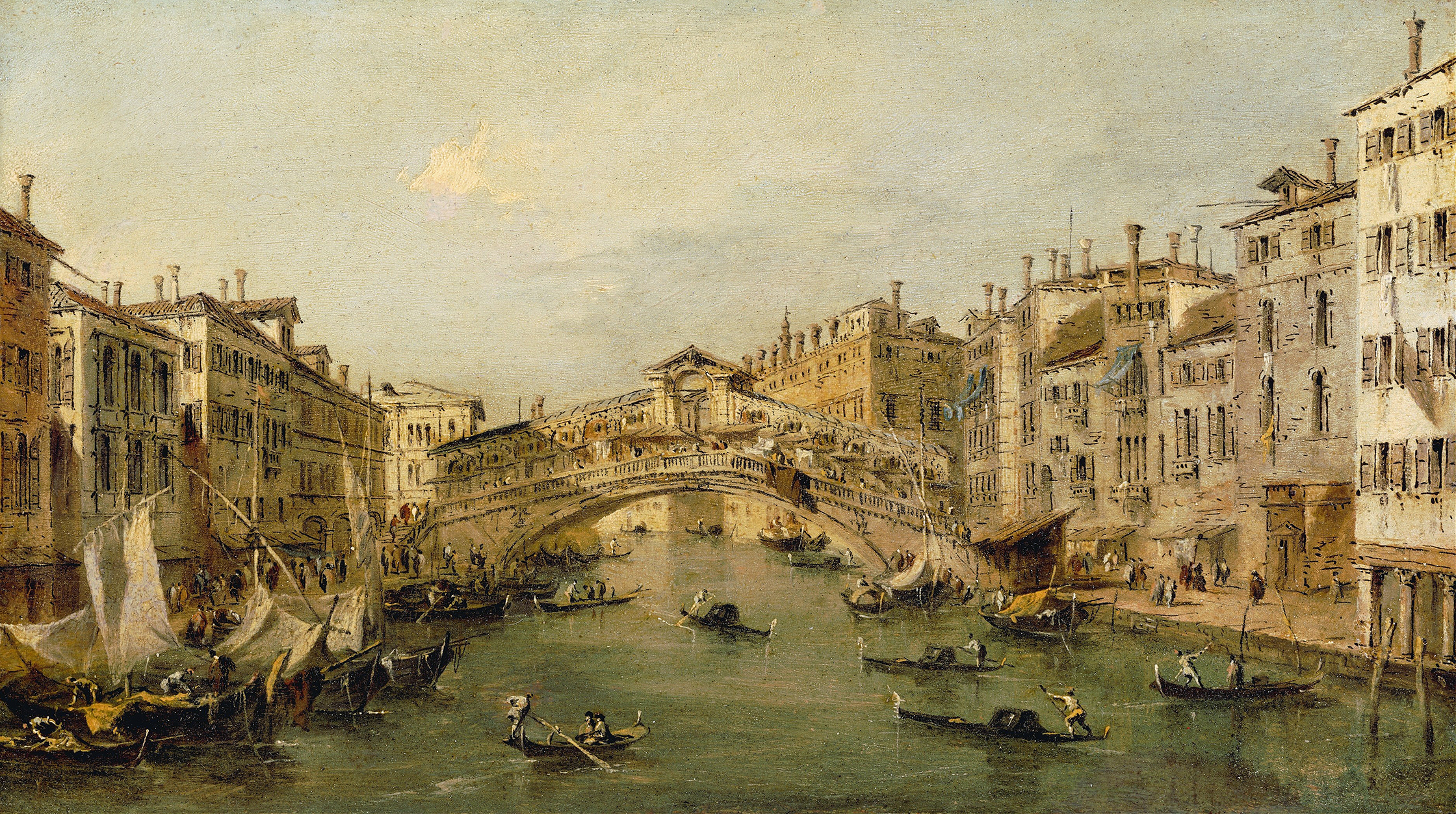
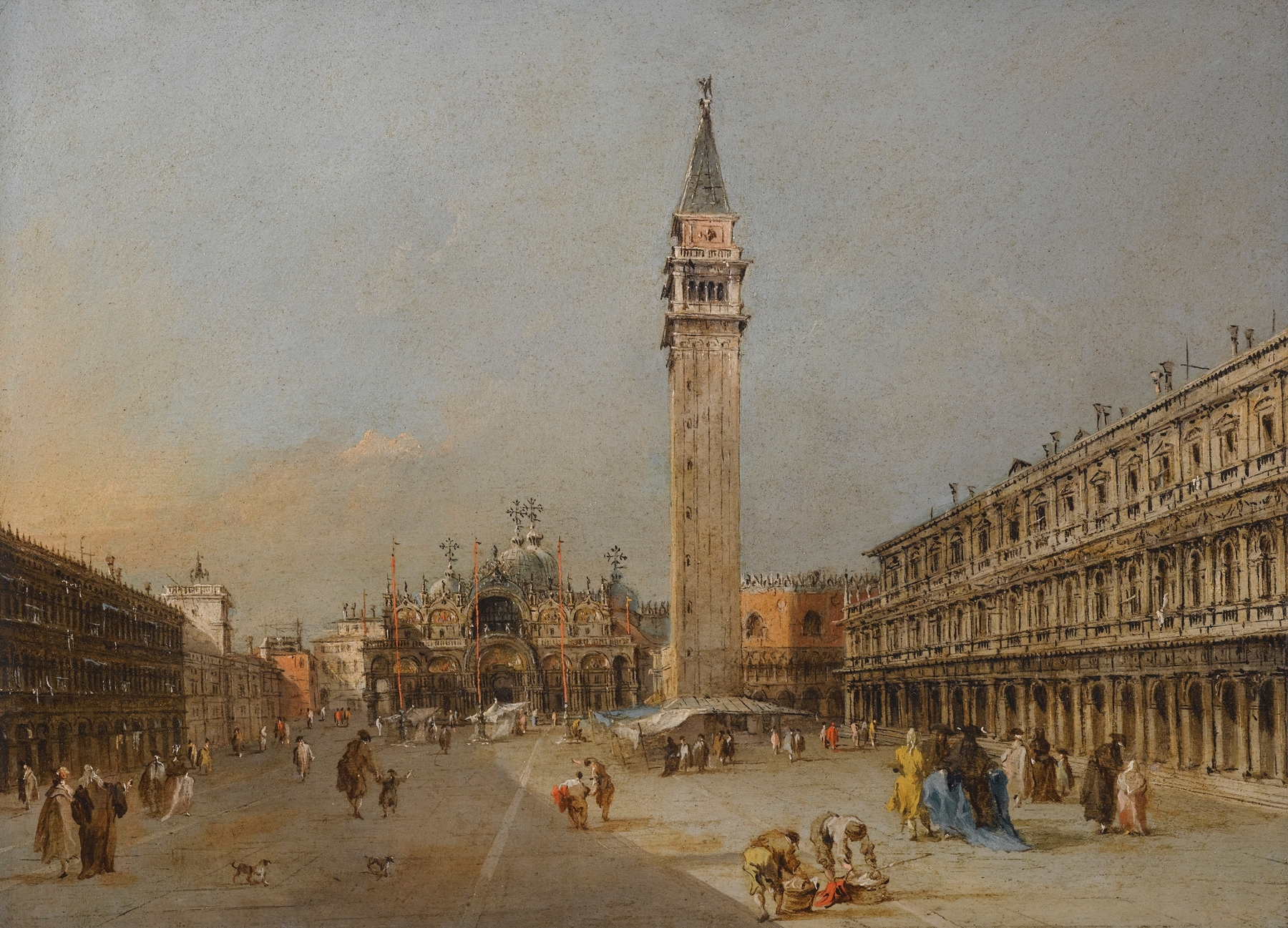
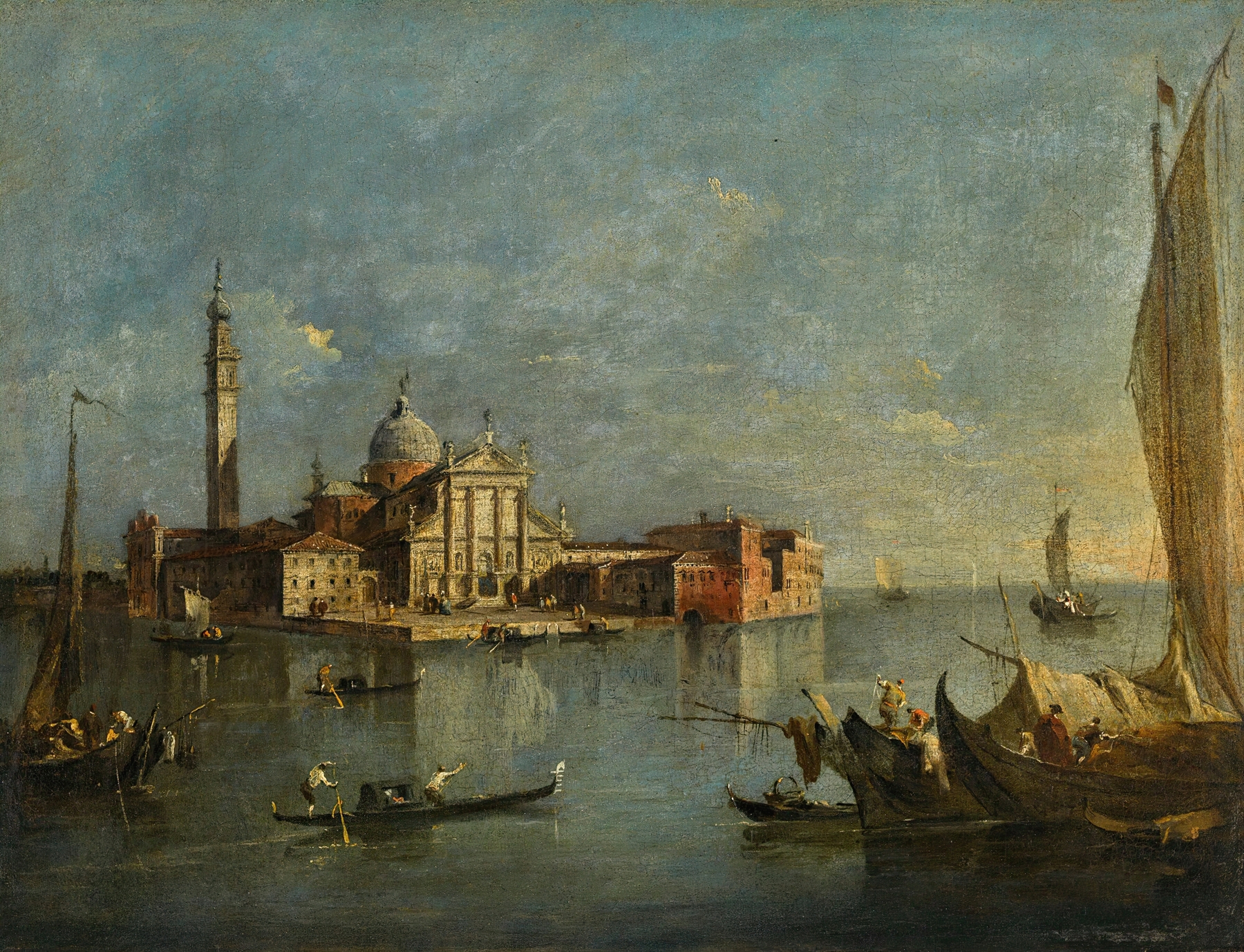
“Every brushstroke is a heartbeat remembered.” In *Venice, A View Of San Giorgio Maggiore*, innocence dances upon the canvas with a delicate touch that invites reflection and nostalgia. Look to the left at the serene waters that cradle the iconic silhouette of San Giorgio Maggiore, softly illuminated by the golden embrace of a waning sun. The painter employs a palette of warm pastels, blending ethereal blues and gentle ochres, to evoke a sense of tranquility that permeates the scene. As your gaze wanders across the horizon, you can almost feel the caress of the Venetian breeze, the atmospheric depth masterfully crafted through layers of translucent paint, guiding your eye to the radiant church that stands sentinel over the lagoon. Within the painting, the contrast between light and shadow symbolizes the duality of memory and identity, hinting at the fleeting nature of beauty and innocence. The playful ripples in the water suggest a lightheartedness, yet beneath the surface lies an undercurrent of melancholy, as if the moment captured is a whisper of a bygone era. Hidden figures in boats add an element of life, yet they remain distant, embodying the subtle longing for connection amid the vastness of the scene. Guardians of Venice, including *Francesco Guardi*, were at the forefront of the veduta genre during the 18th century, capturing the city’s splendor as the Republic began to wane. Created during a time marked by political and social transitions, this piece reflects not just his artistic evolution but also the collective memory of a city steeped in innocence and grandeur, a fragment of history forever preserved in paint.