The Entrance to the Arsenal in Venice — History & Analysis
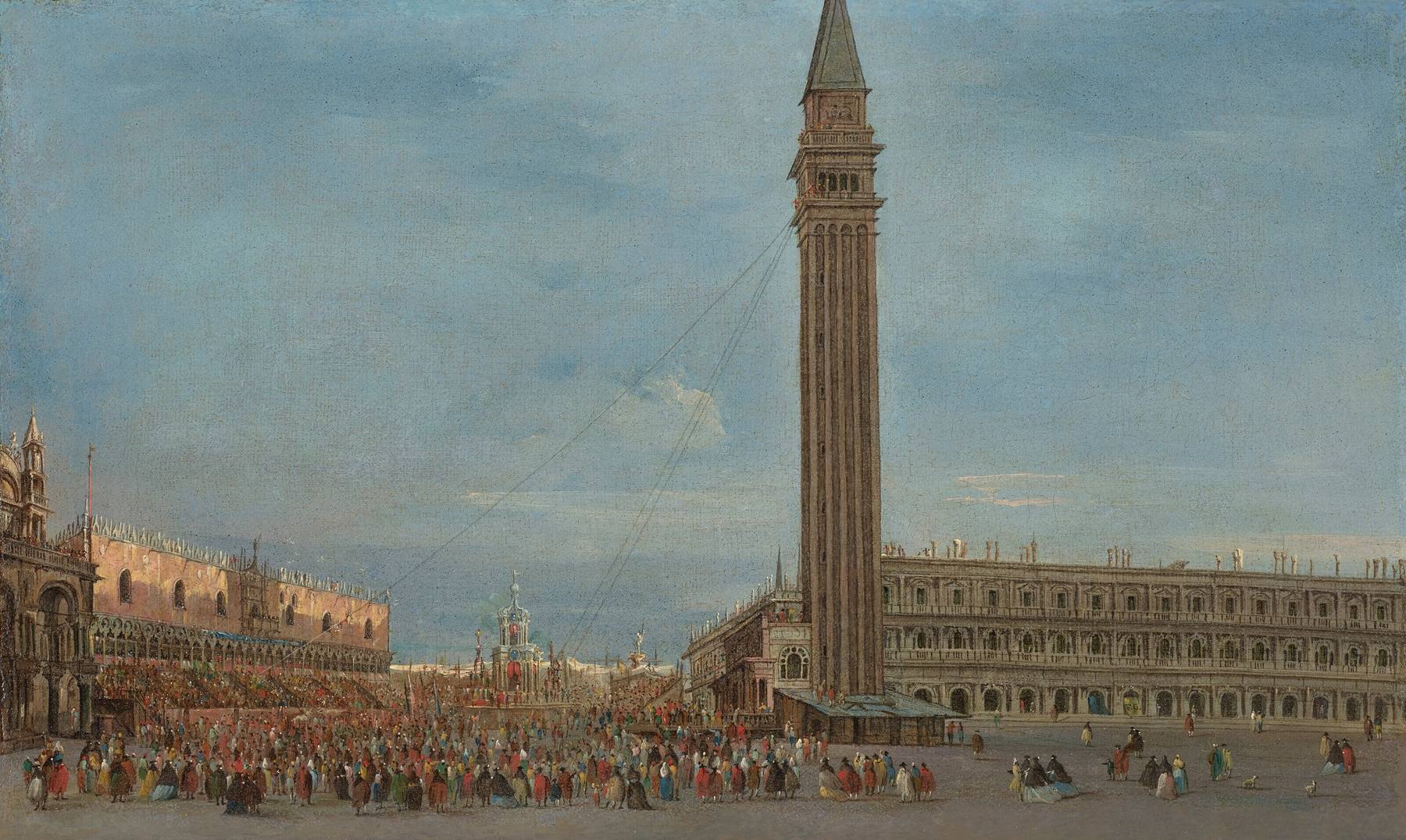
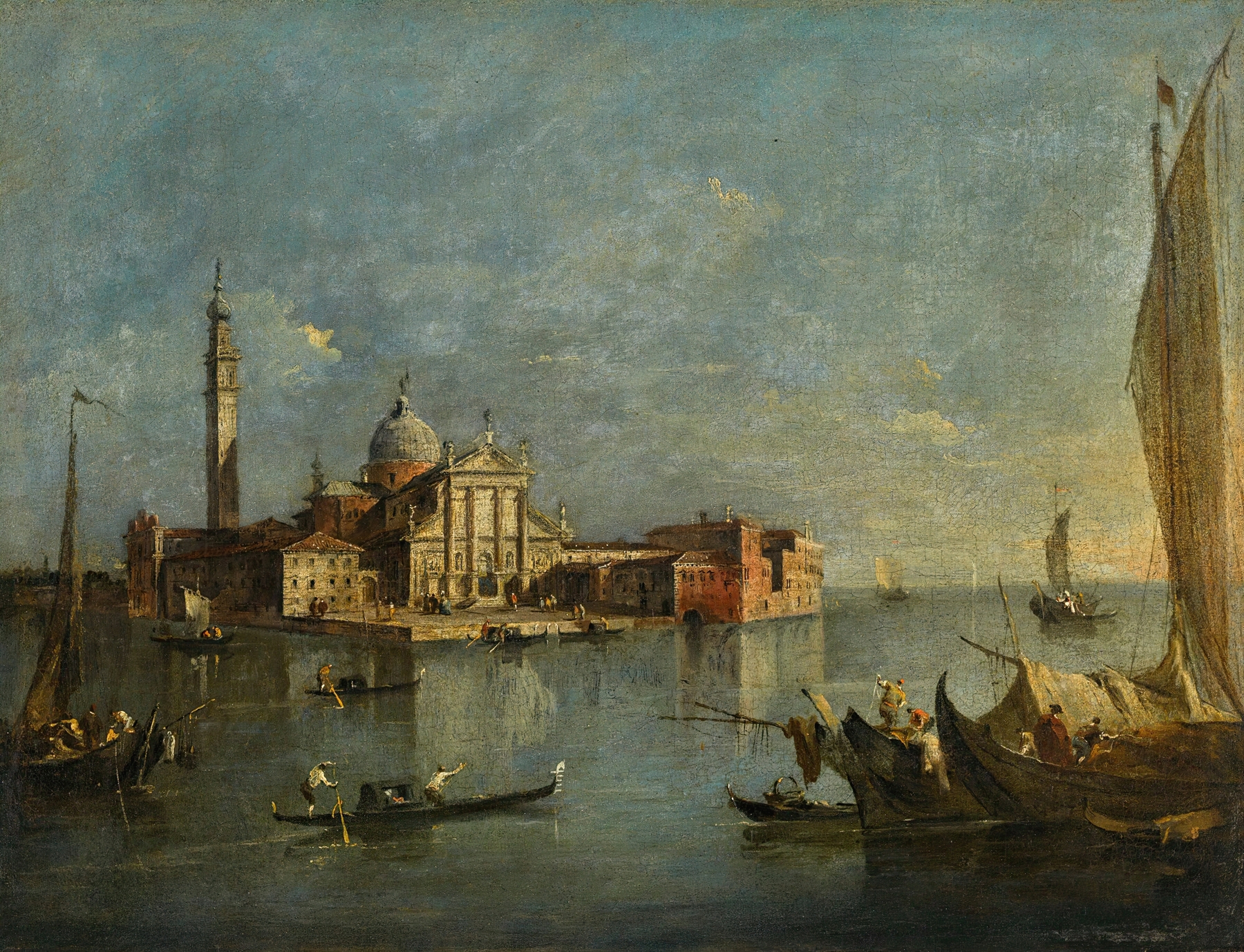
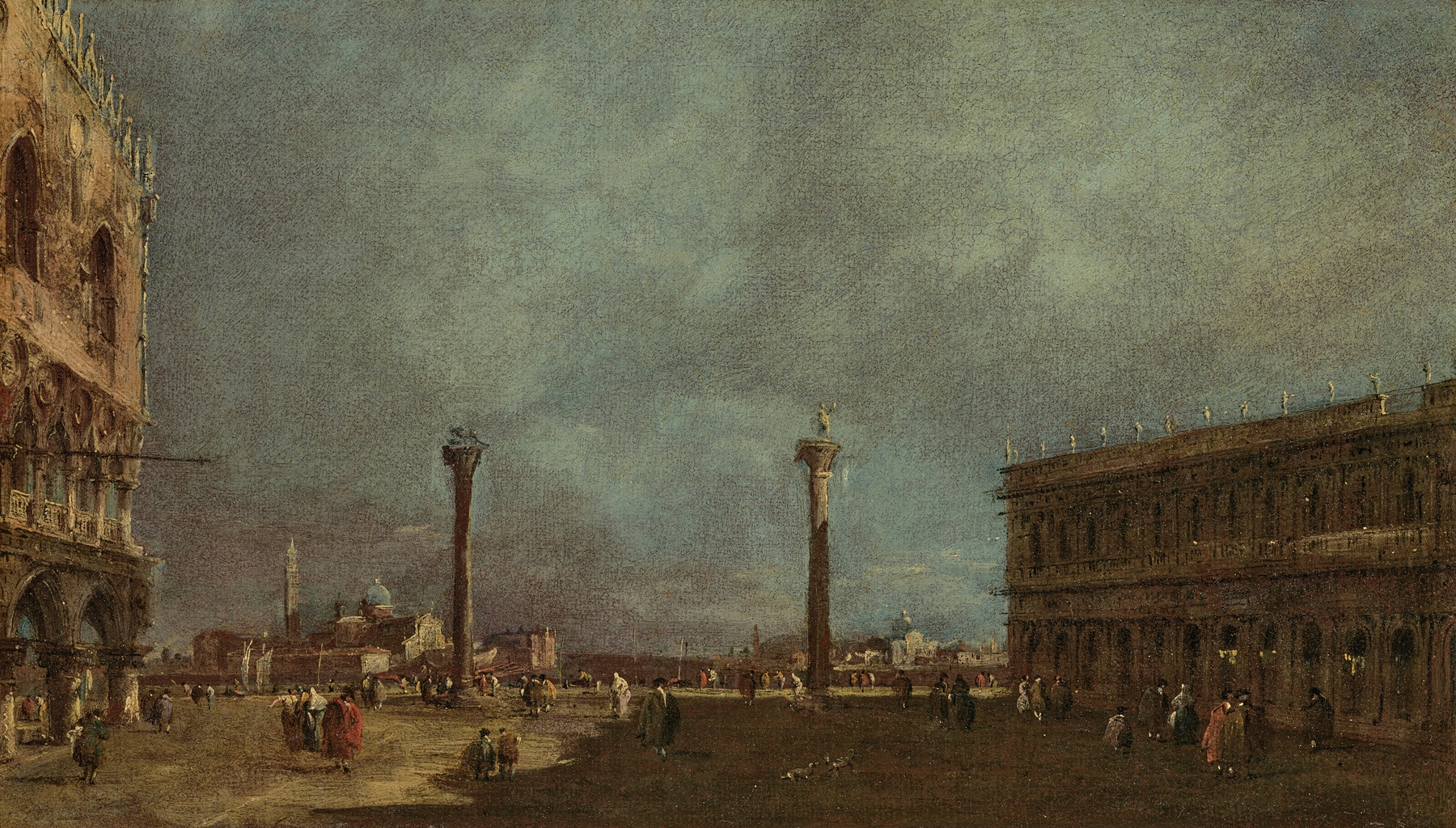
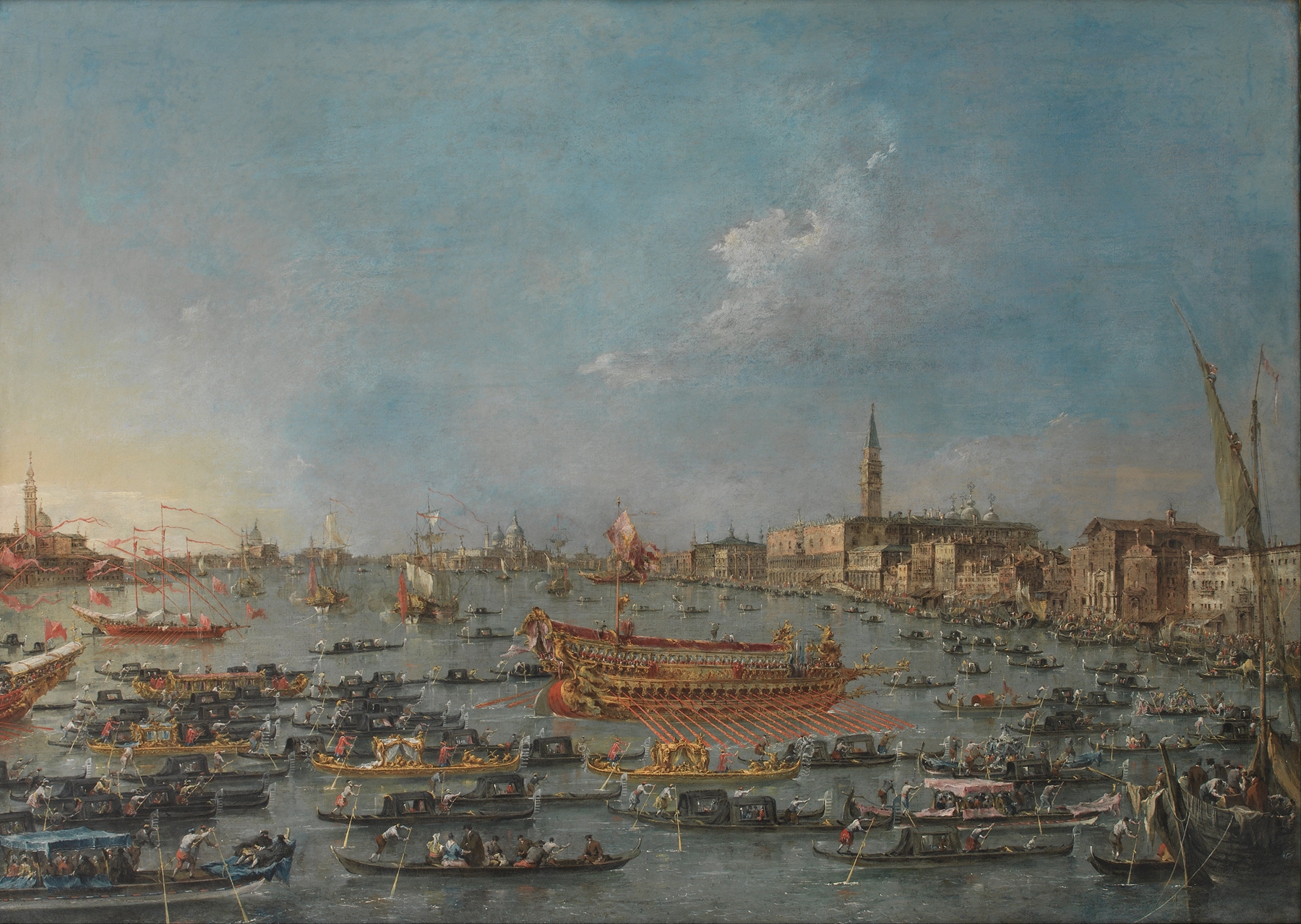
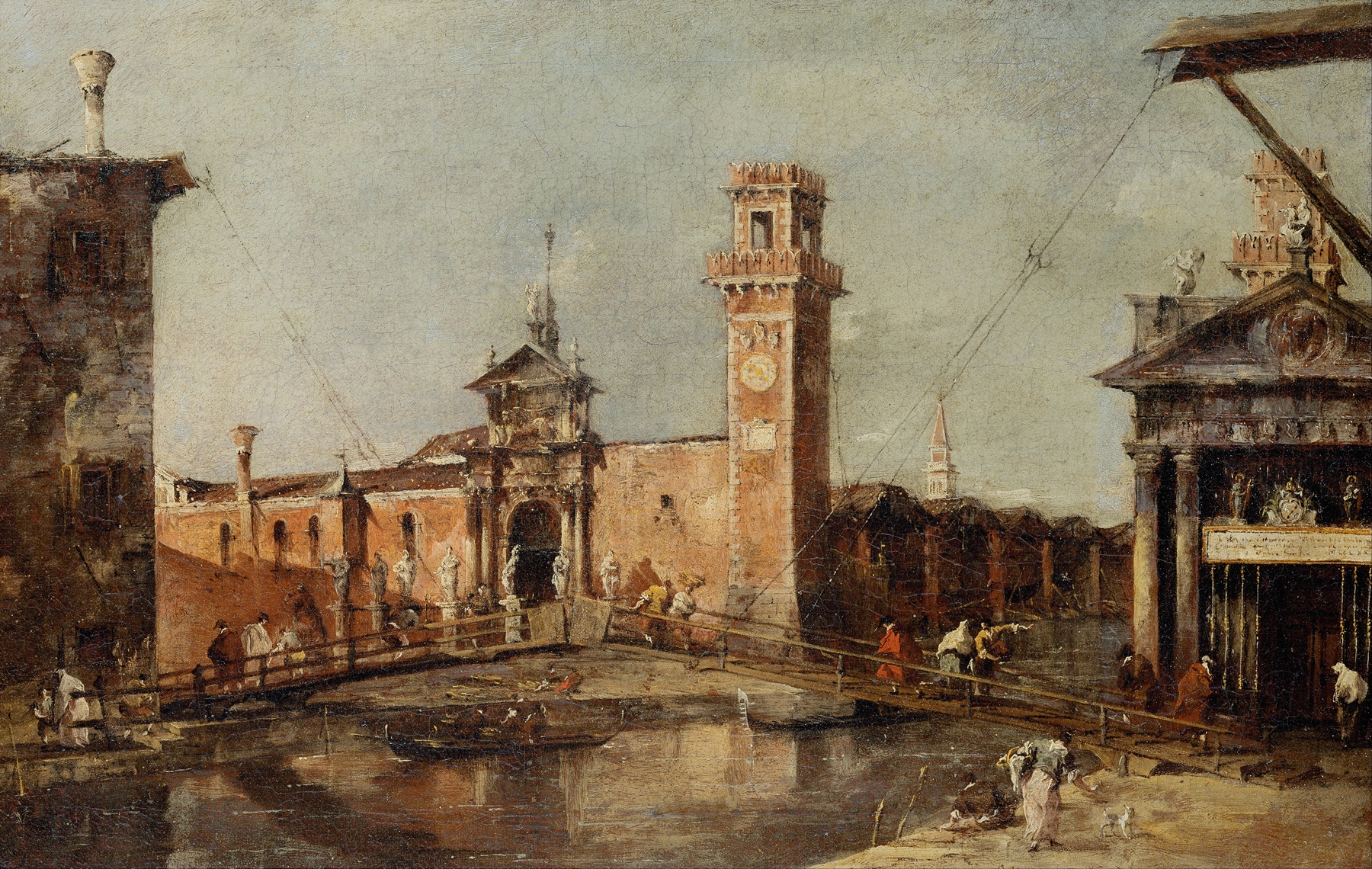
“Art reveals the soul when the world turns away.” In a fleeting moment captured on canvas, truth emerges against the backdrop of history and time's passage. The layers of existence peel back to expose a view that invites reflection and contemplation. Focus on the intricate details in *The Entrance to the Arsenal in Venice*. Look to the left, where the grand archway frames the scene, inviting the eye into a bustling harbor. The warm, golden hues of the sunlit buildings juxtapose against the deep blues of the water, creating a vivid atmosphere that resonates with life. Notice the delicate brushstrokes that depict the rippling waves, their movement seeming to echo the rhythmic pulse of the city itself. Each figure, carefully rendered, contributes a sense of dynamism to the tranquil setting. Yet, beyond the picturesque scenery lies a deeper narrative. The convergence of commerce and art in the painting hints at the broader human experience—where ambition meets the relentless passage of time. The figures, engaged in their daily endeavors, embody the tension between the picturesque and the mundane, reflecting a society on the brink of transformation. The subtle play of light and shadow reveals this contrast, suggesting both the beauty and fragility of Venice’s maritime legacy. Francesco Guardi created this piece during the 18th century, a period marked by the decline of the Venetian Republic and the rise of neoclassicism. Living in a world of shifting power dynamics and artistic evolution, he focused on capturing the essence of Venetian life, ultimately preserving its spirit in a way that resonates even today. This painting stands as a testament to an era, inviting viewers to contemplate their connection to history through art.