The Bucintoro Festival of Venice — History & Analysis
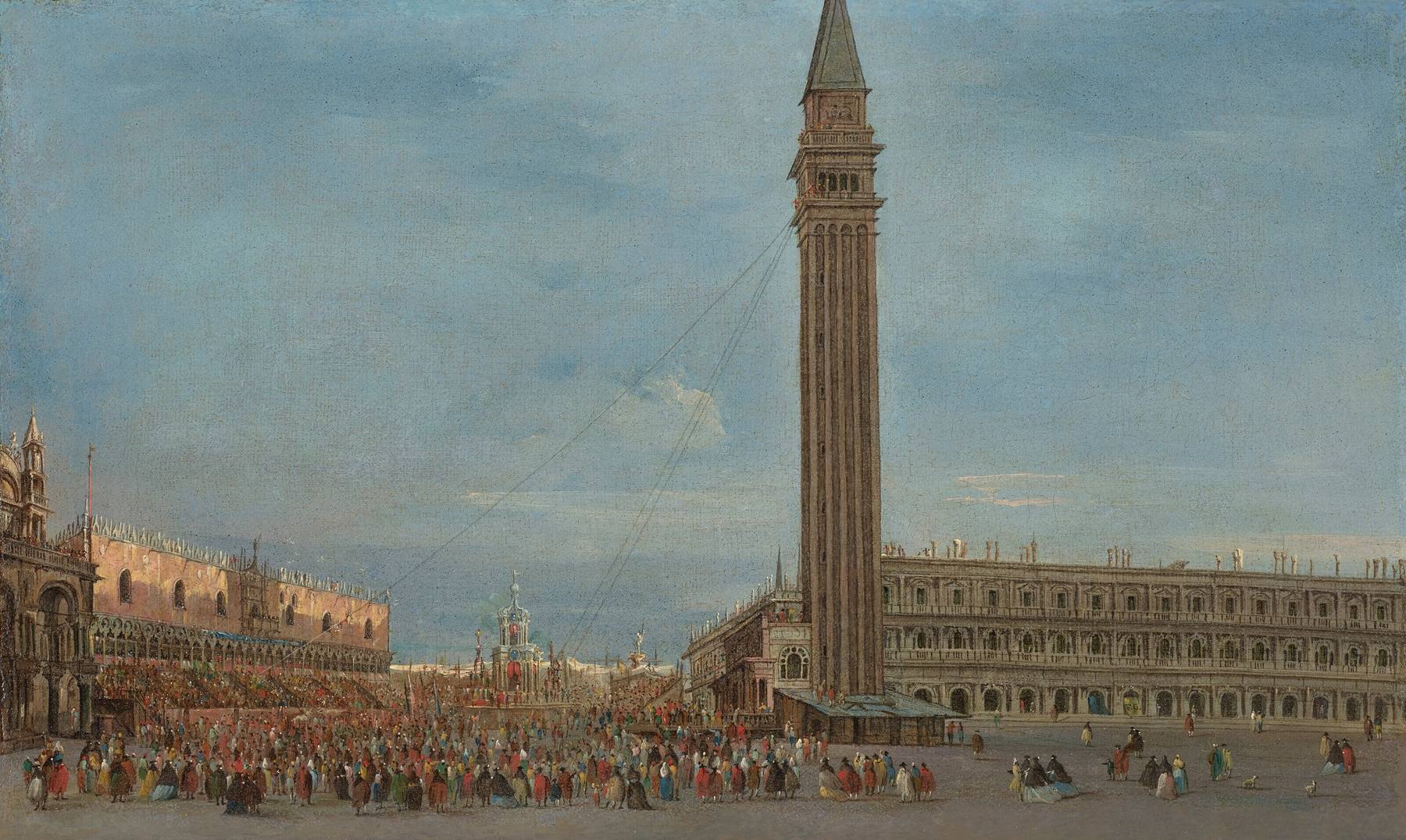
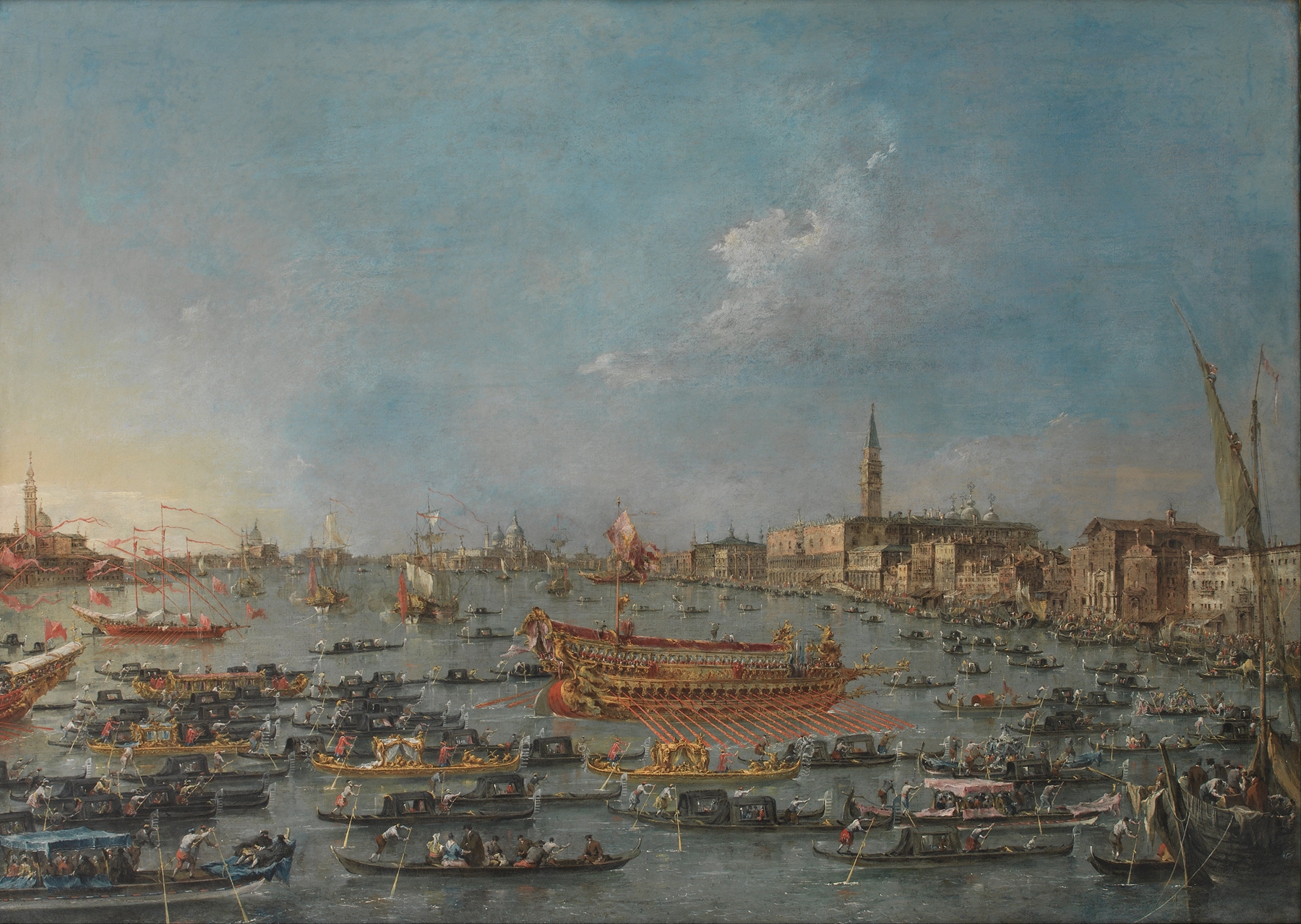
Can beauty exist without sorrow? As the vibrant colors swirl in a tangle of movement on the canvas, the answer teeters on the brink of the viewer's contemplation. *The Bucintoro Festival of Venice* captures the essence of celebration, yet it whispers of a deeper narrative beneath the surface gaiety. Look to the center of the painting where the majestic Bucintoro, the Doge's ceremonial barge, commands attention amidst a flurry of smaller vessels. Notice how the artist employs a rich palette of blues and golds, creating a sense of opulence that glimmers under the Venetian sun. The shimmering water reflects the exuberance of the figures aboard, while the delicate brushwork suggests the lively energy of the festivities. Each stroke conveys a sense of motion, inviting the viewer to feel as if they are part of the vibrant scene unfolding before them. Yet, beneath this facade of joy lies a tension between the fleeting nature of celebration and the impermanence of beauty. The gathering of people, their faces animated with laughter, can be seen as a fleeting moment suspended in time—a reminder that such revelries are often overshadowed by the passage of life. Additionally, the contrast between the brilliant hues of the festival and the muted tones of the distant architecture encapsulates a struggle between joy and melancholy, drawing the viewer into a deeper reflection. This work emerged during a transformative period for Francesco Guardi, likely painted in the late 18th century when he was in Venice, witnessing the decline of the Republic. The city was navigating changes that would alter its identity, and Guardi, deeply entrenched in the bustling art scene, sought to capture its beauty and essence while subtly acknowledging the underlying shifts in society. His brush movements not only document a celebration but also encapsulate the ephemeral nature of joy amidst impending change.