The Piazza San Marco With The Basilica And Campanile — History & Analysis
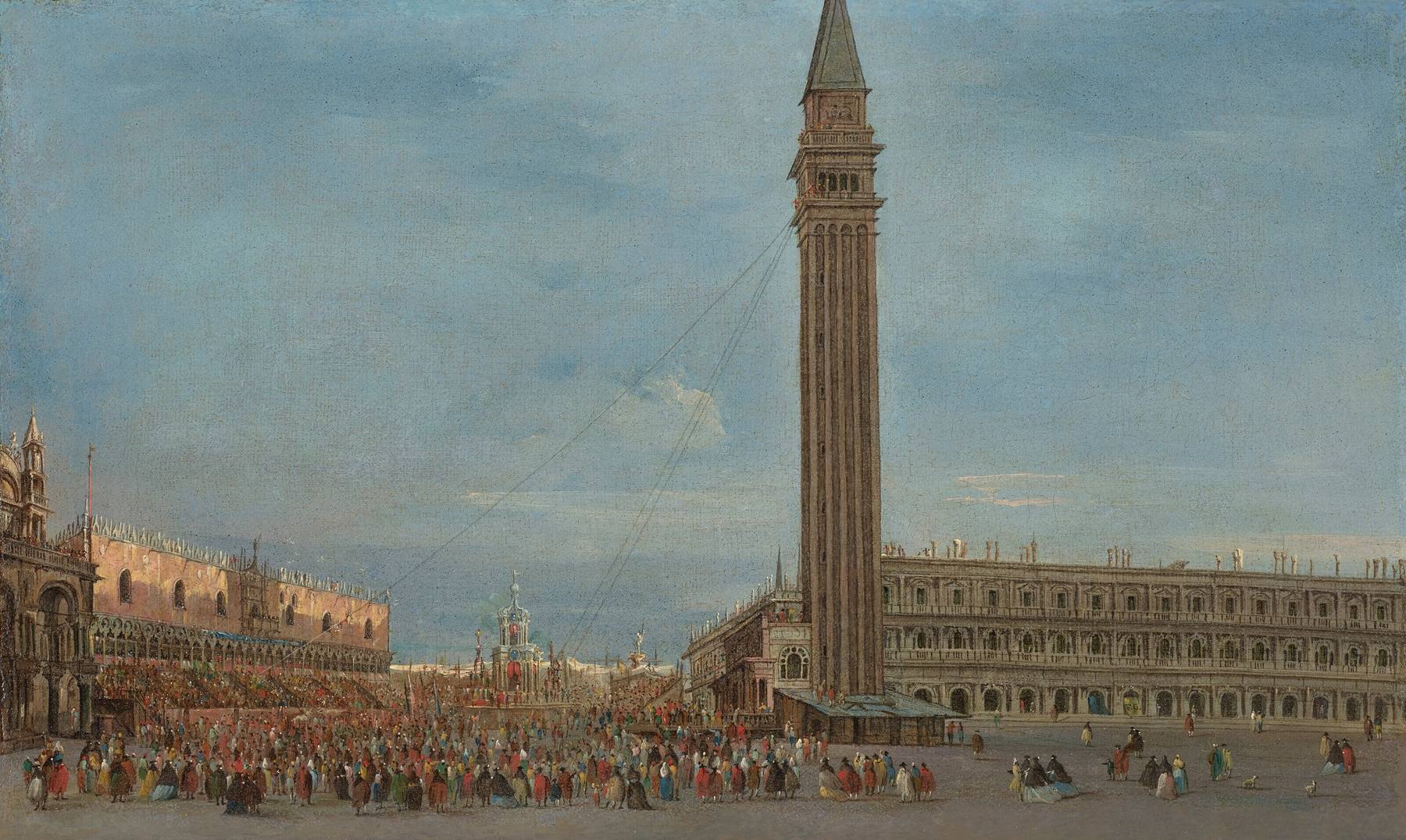
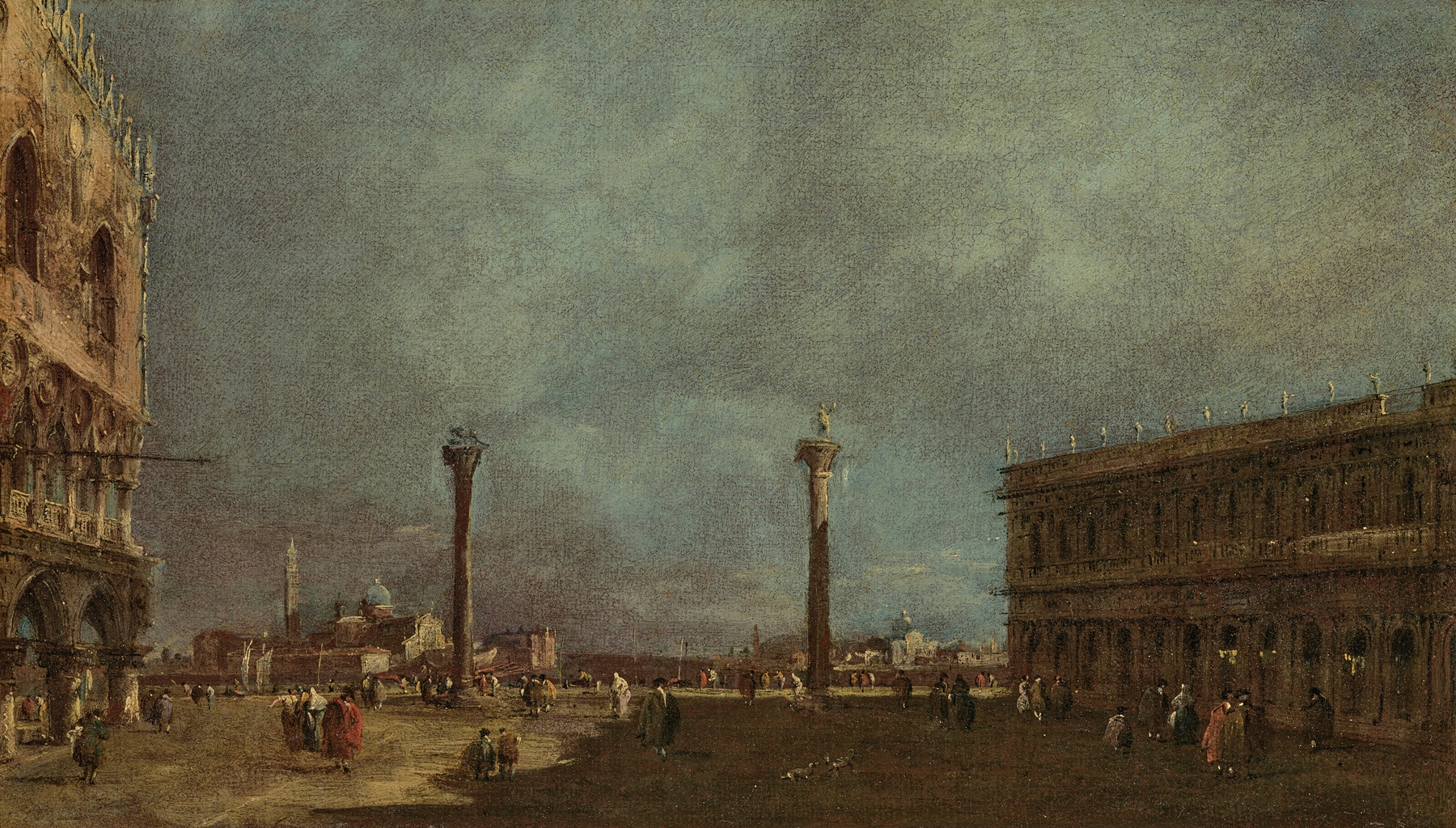
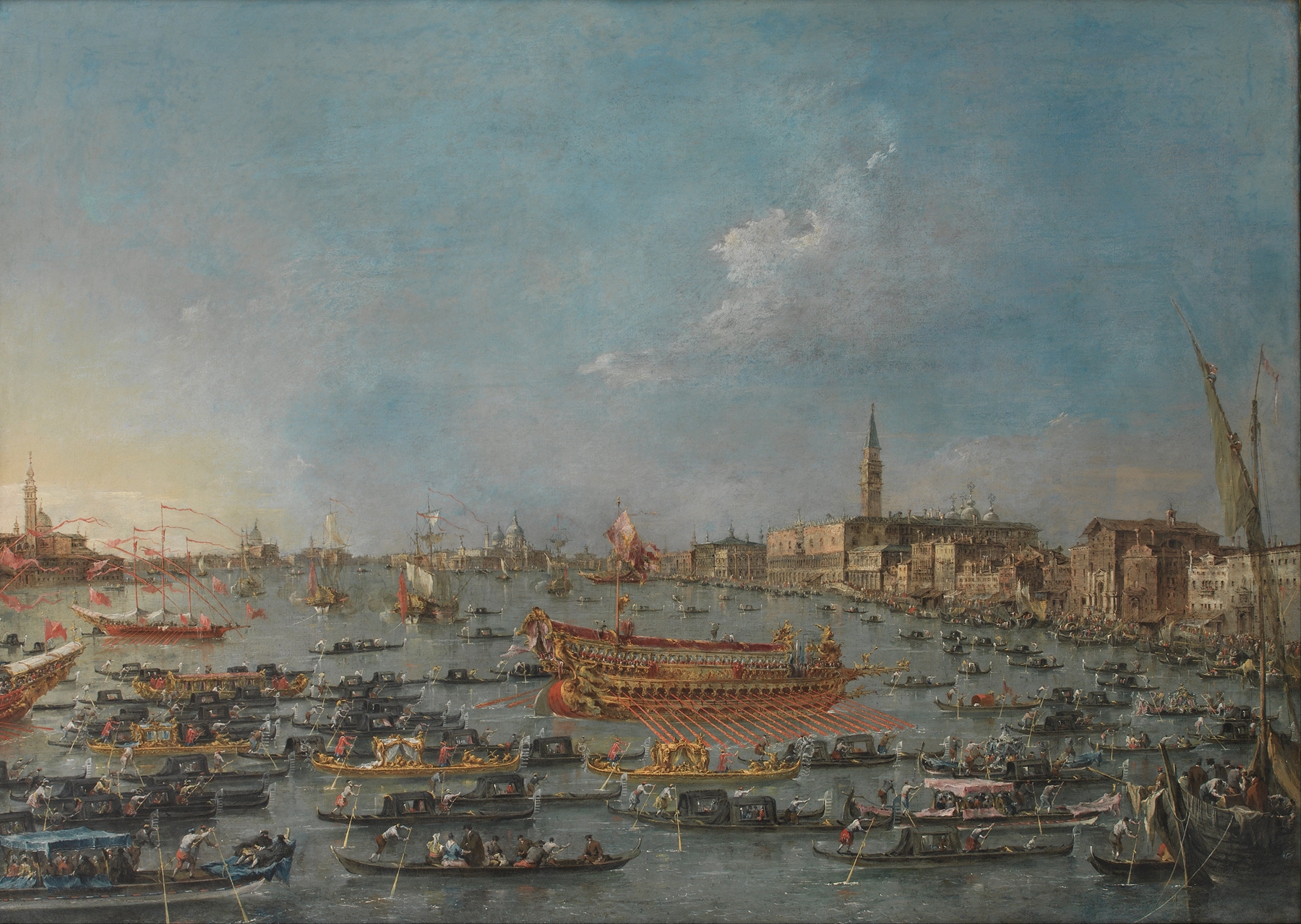
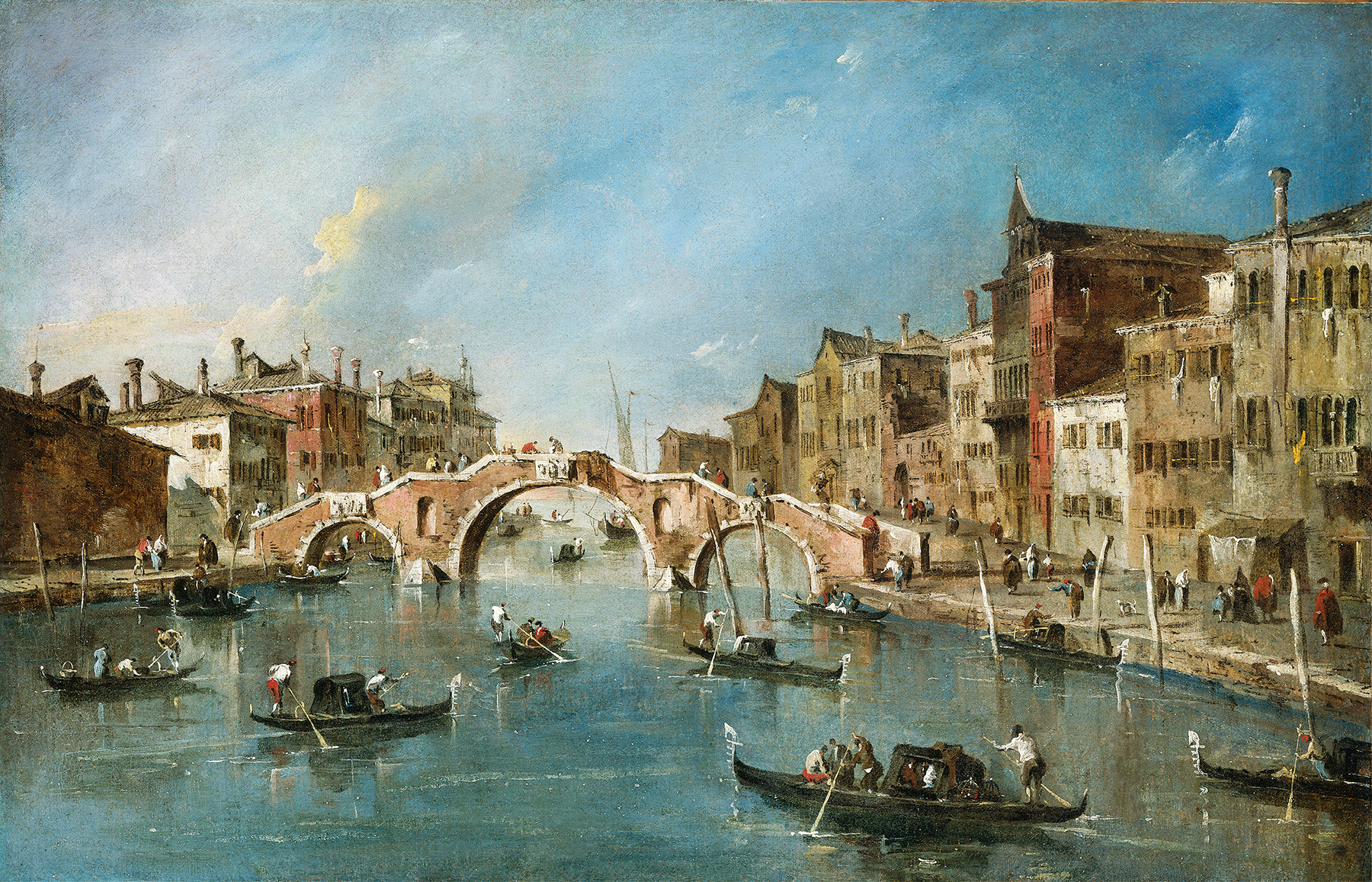
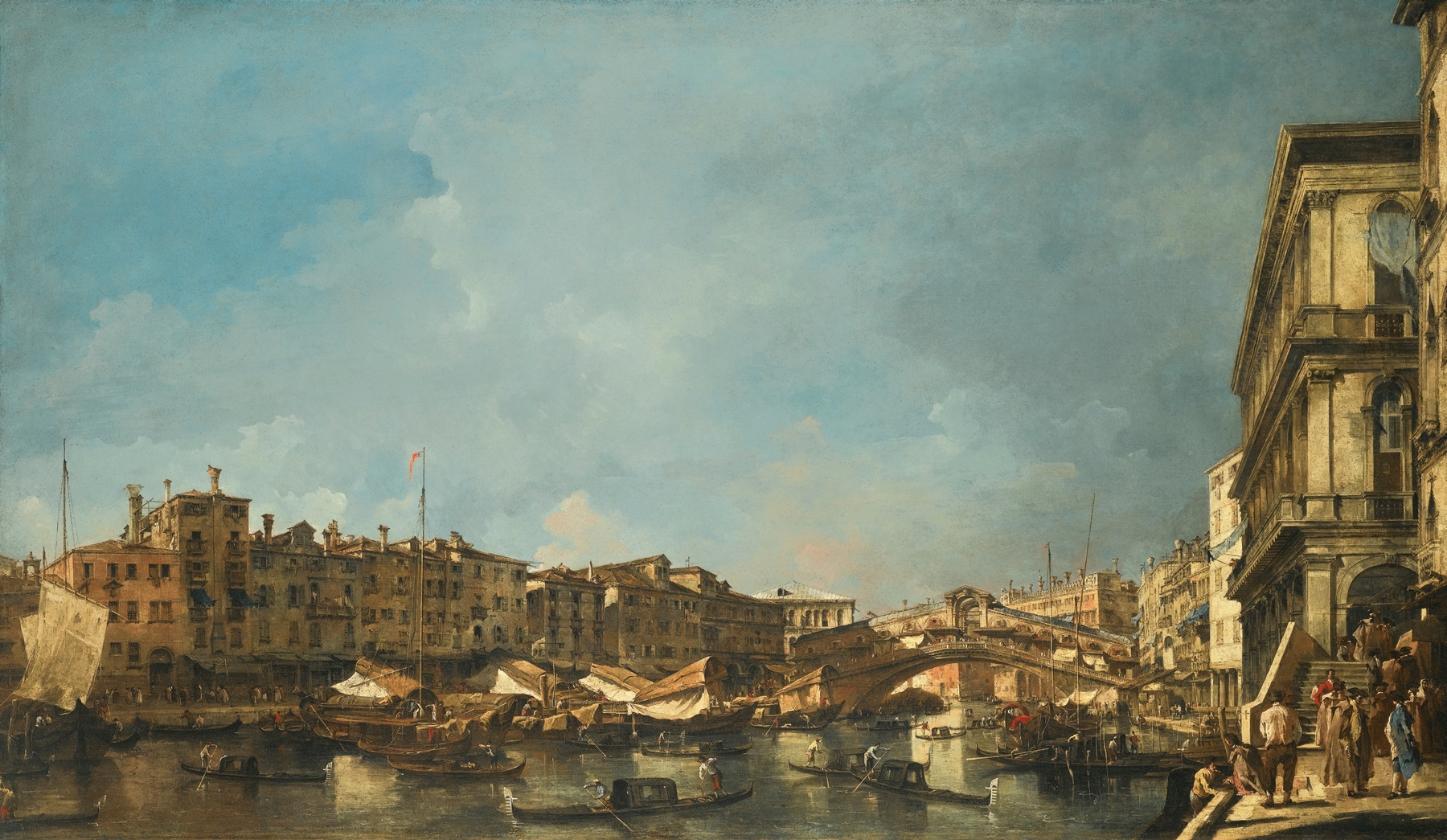
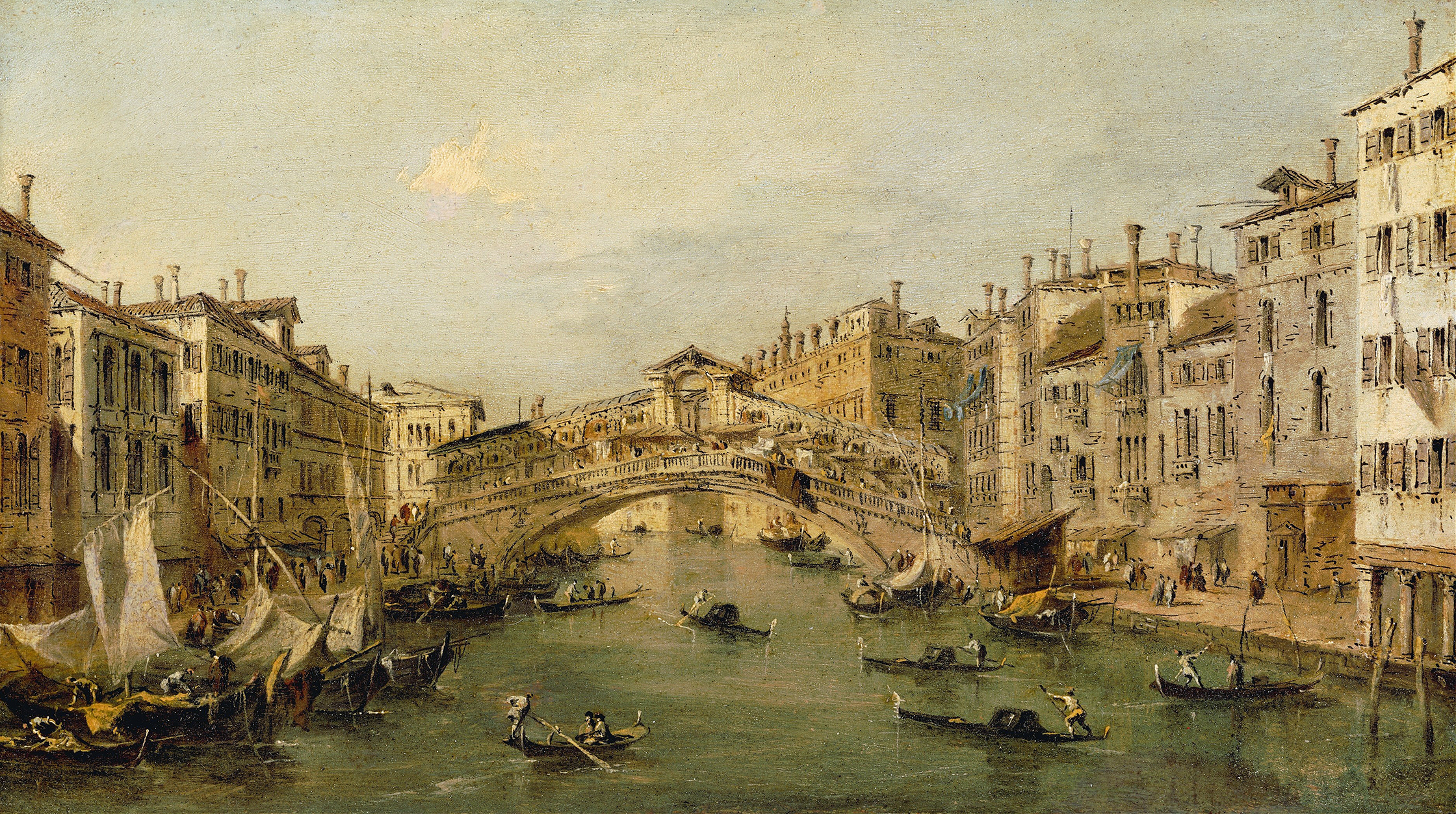
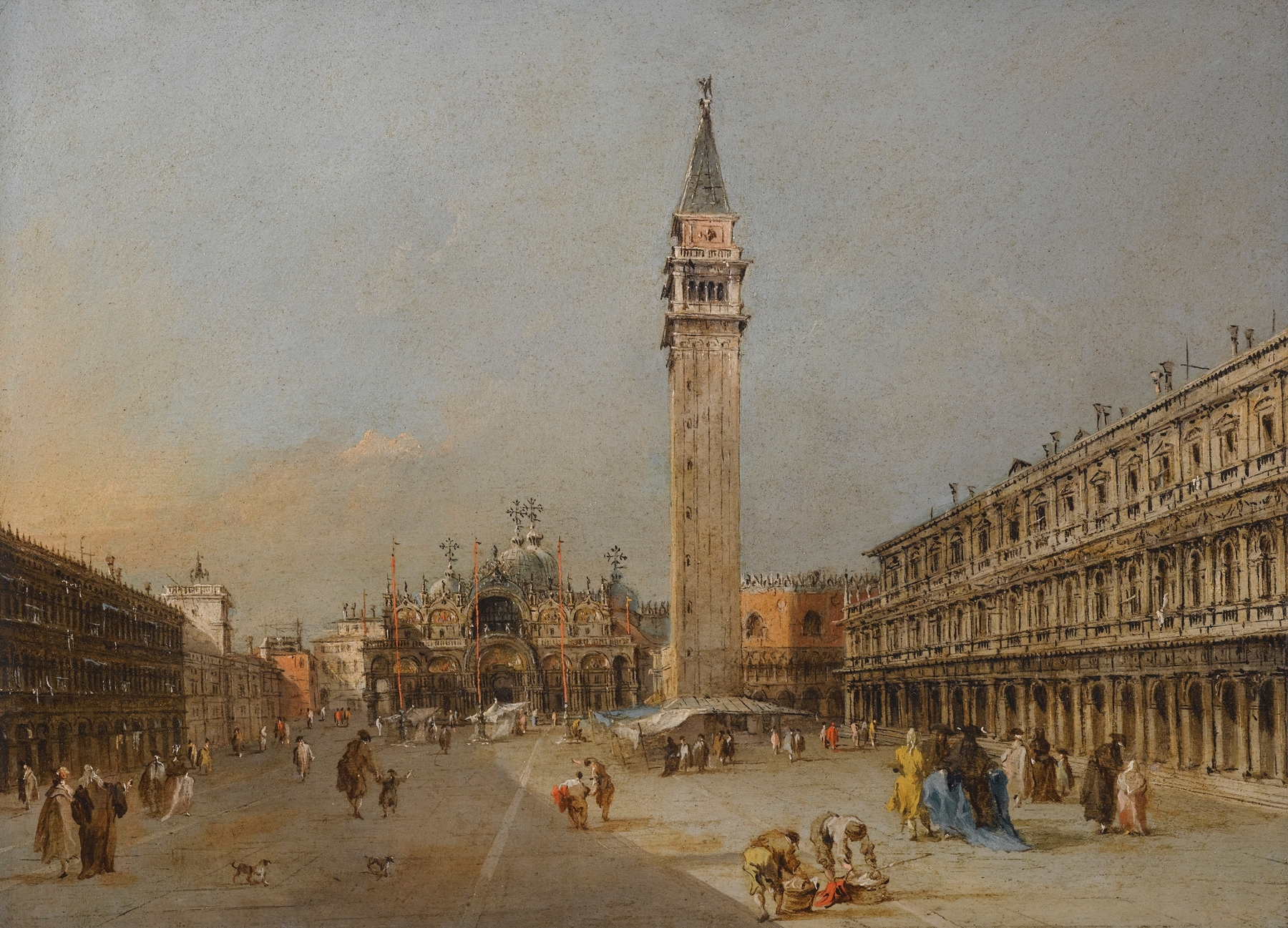
When did color learn to lie? In the hands of a master, hues transform mere moments into vibrant illusions, whispering secrets of a world both seen and imagined. Look to the left at the intricate façade of the Basilica, its golden domes shimmering under a sky filled with brushstrokes of blue and white. Notice how the artist captures movement through the soft blurs of figures meandering across the piazza, their energy contrasting with the stillness of the architectural grandeur that surrounds them. The delicate application of paint gives a sense of fluidity, as if the scene is alive, inviting the viewer to step into its embrace. Beneath the surface, there is an exploration of contrasts — the solemnity of the Campanile standing tall against the ephemeral nature of the human figures, each lost in their own reverie. The light plays a crucial role, reflecting the vibrancy of life yet hinting at a profound void, a subtle commentary on the separation between the physical and the intangible. It beckons us to contemplate the essence of beauty and the fleeting moments that define our experiences. During the late 18th century, Francesco Guardi painted this piece amidst a shift in Venice’s artistic scene, where the allure of the picturesque began to overshadow the grand historical narratives. This period marked a transition toward landscapes that celebrated everyday life over monumental history, allowing the artist to capture the essence of Venice through a lens of intimacy and nostalgia. Guardi's technique, characterized by an atmosphere of spontaneity, reflected a growing interest in the interplay between light and shadow, enriching the vibrant tapestry of the art world at the time.