Ruins of a Cloister, by the Sea — History & Analysis
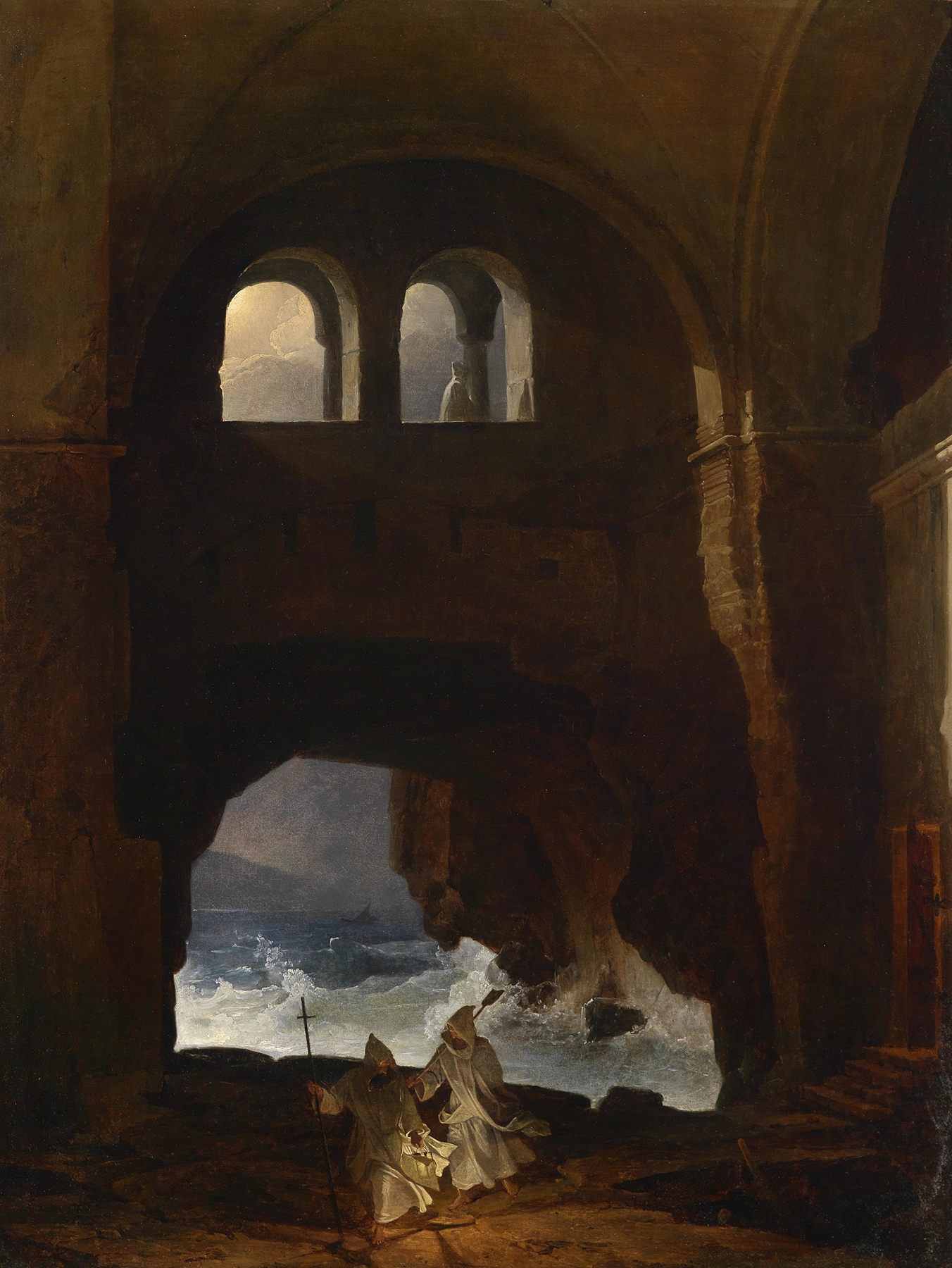
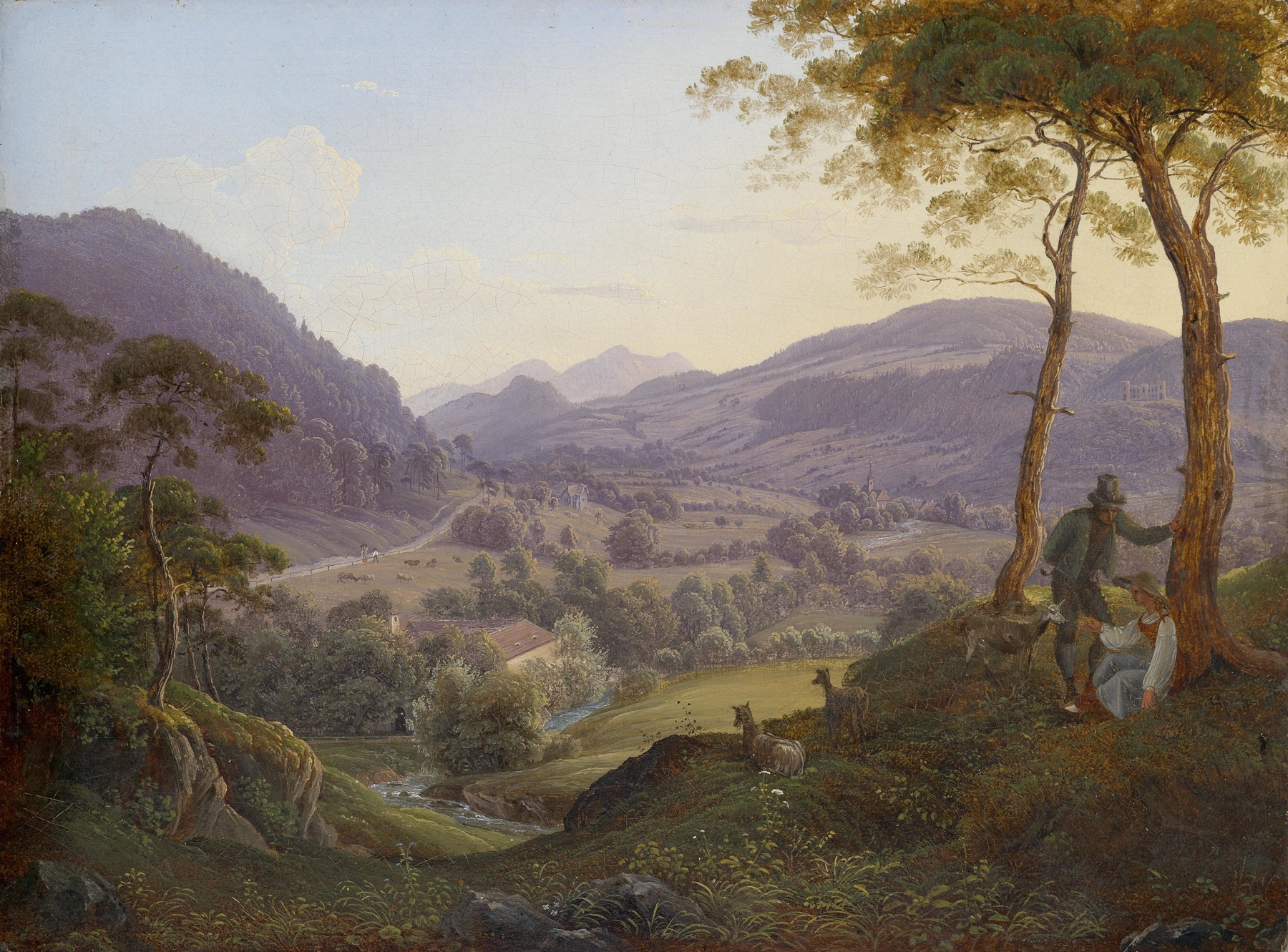
“Art reveals the soul when the world turns away.” In a landscape where ruins whisper forgotten stories, the yearning for connection and remembrance breathes life into decay. Focus on the weathered stone cloister nestled against the backdrop of the sea, where muted blues and grays evoke a poignant sense of nostalgia. Notice the sun’s soft glow illuminating the arches, casting intricate shadows that dance along the crumbling walls. The juxtaposition of the cloister’s solemnity against the vibrant, tumultuous waves hints at the relentless passage of time, as nature reclaims its dominion over man’s creations.
Hidden within the artwork's layers lies a deep emotional tension. The cloister, once a site of contemplation and community, now stands in solitude—the remnants of a sacred space yearning for the laughter and prayers that once filled its halls. The restless sea plays both antagonist and confidant, embodying the eternal struggle between the permanence of nature and the fleeting moments of human existence. Each crack in the stone tells a tale of loss, inviting viewers to reflect on their own journeys of longing and remembrance.
Created between 1825 and 1835, this piece emerged during a period of romanticism in art, when the interplay of nature and human emotion took center stage. Franz Ludwig Catel was deeply influenced by his time spent in Italy and the changing perceptions of ruins as symbols of beauty and fragility. Amidst the backdrop of burgeoning industrialization, his work captures a moment of quiet reflection on the remnants of a past that continues to resonate within the present.