Blick auf Amalfi aus der Vorhalle des Doms — History & Analysis
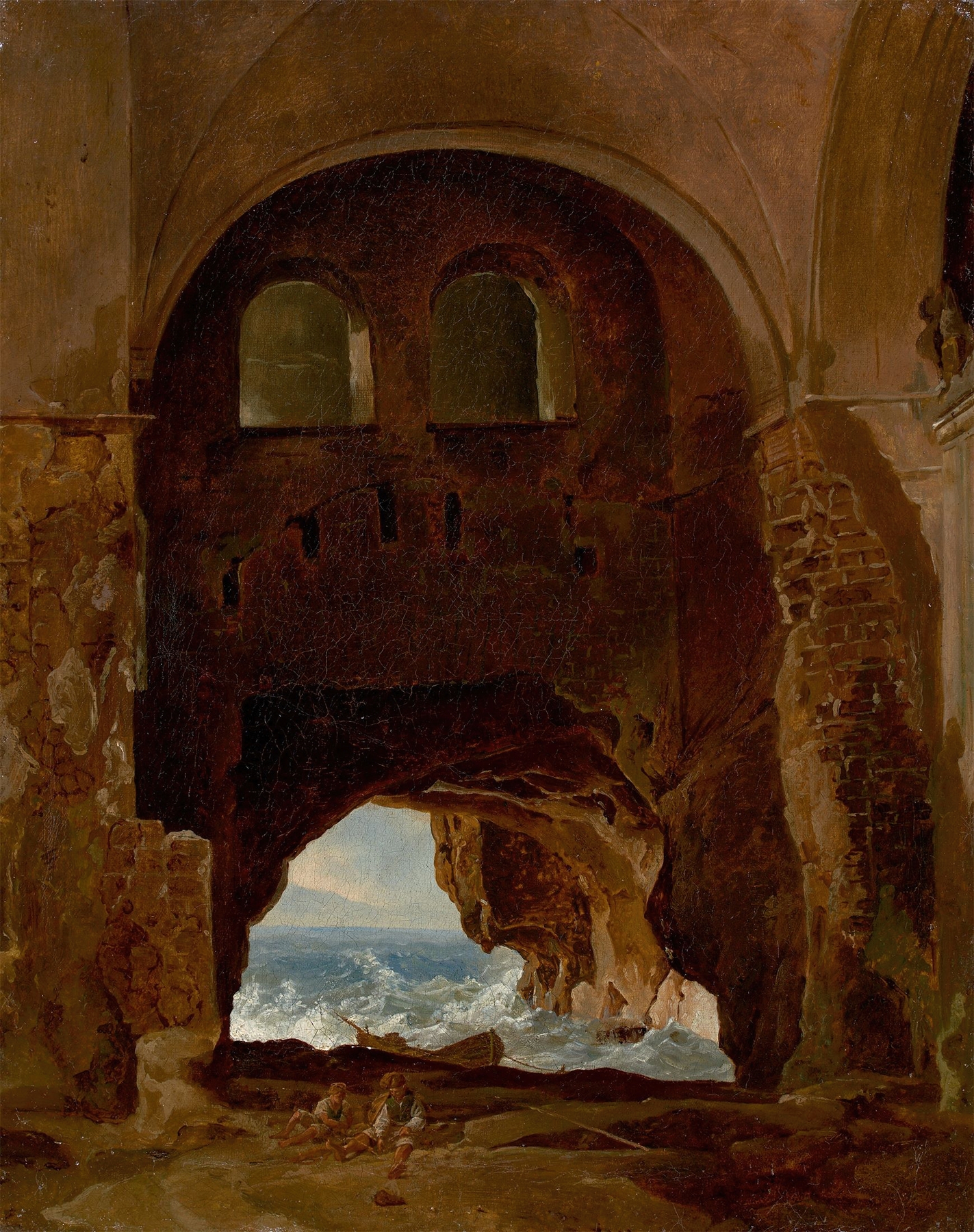
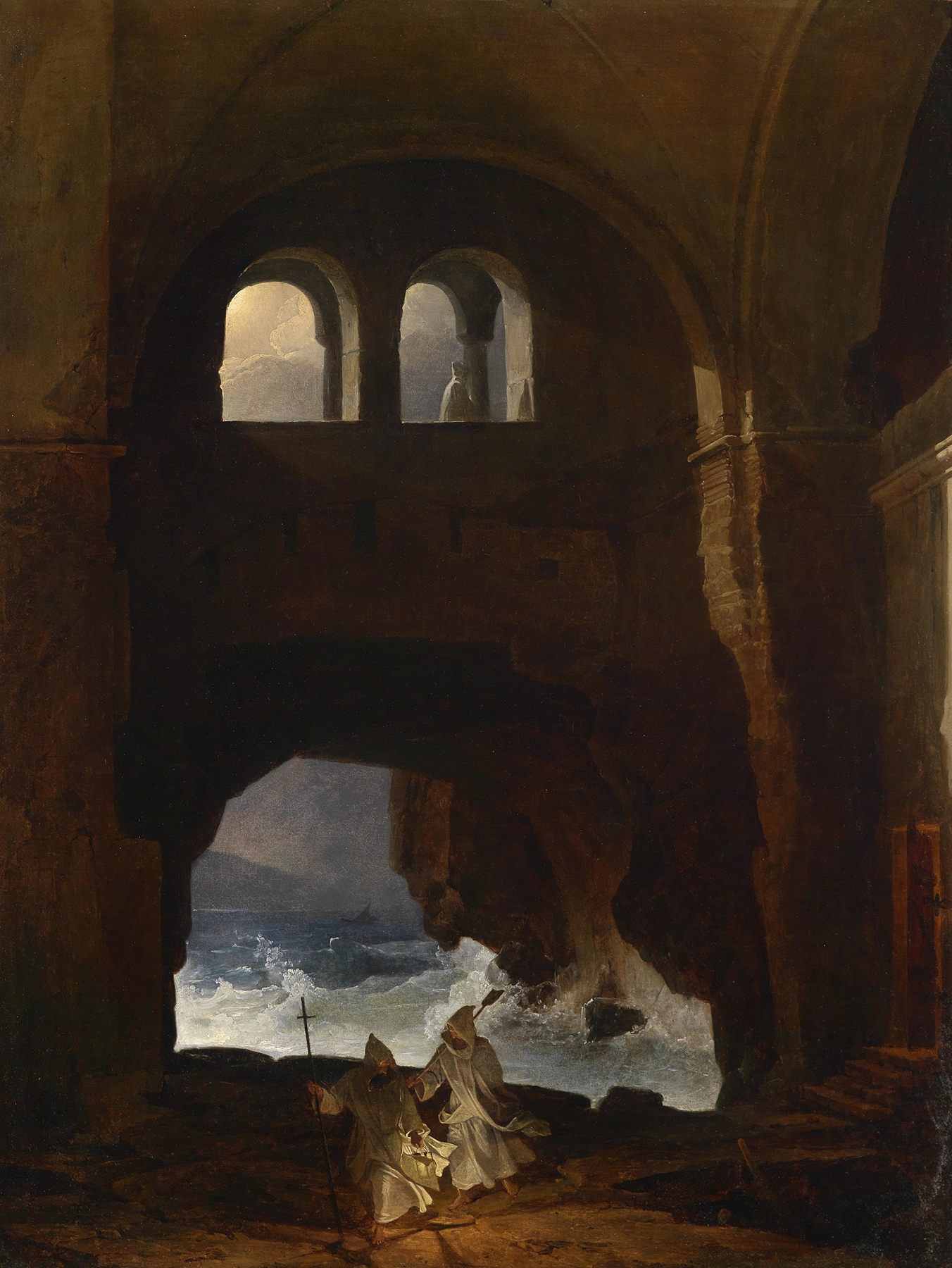
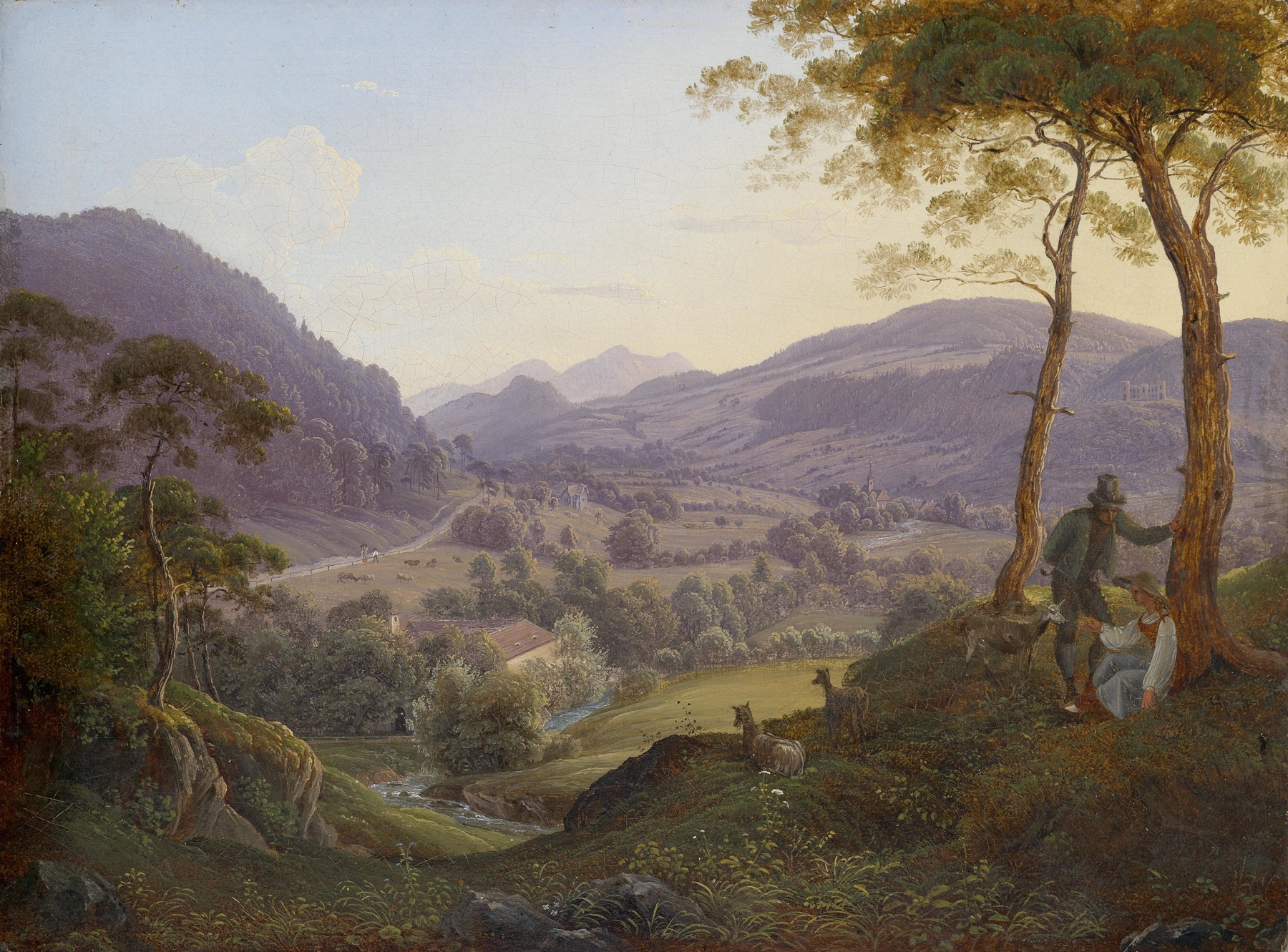
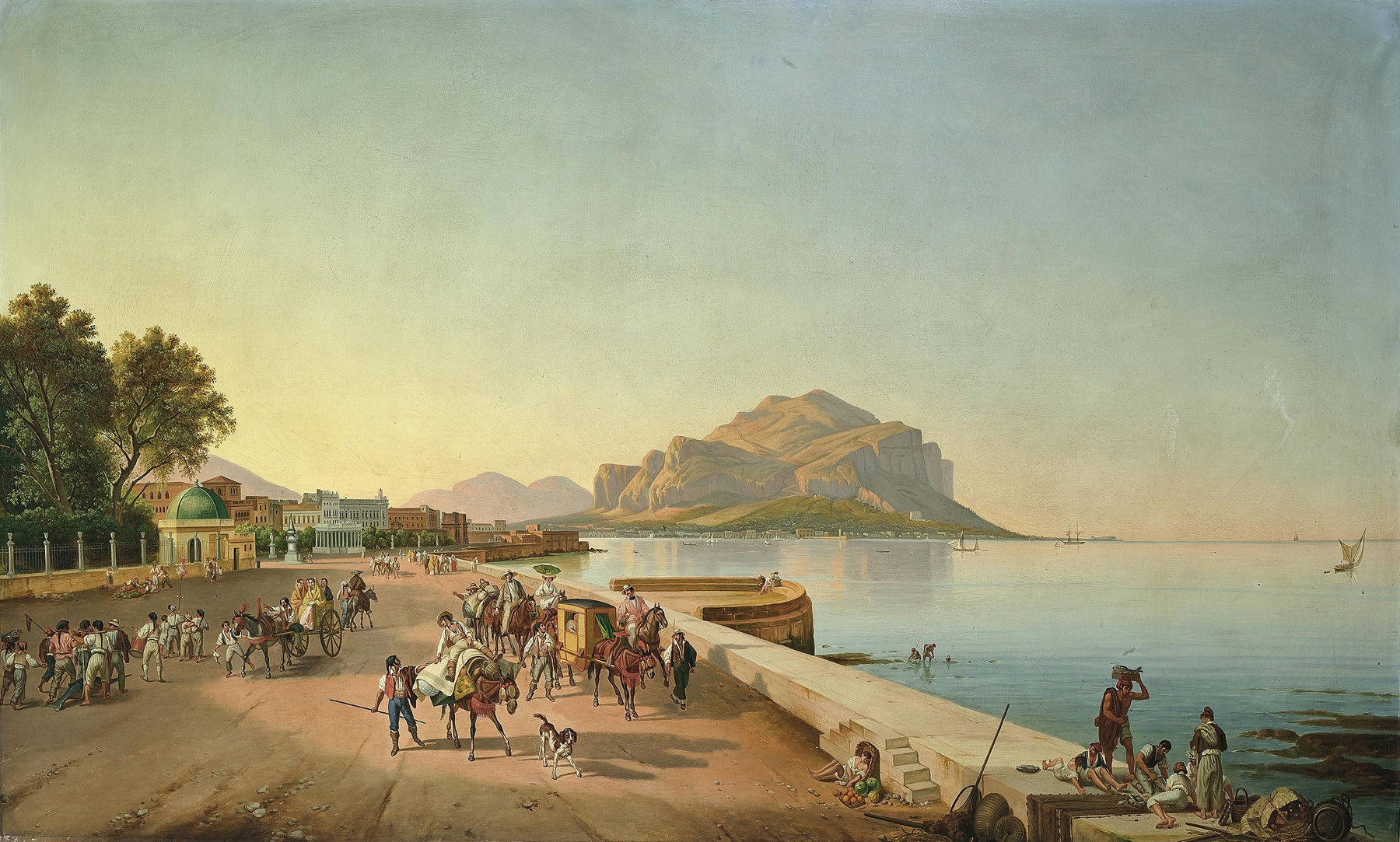
Did the painter know this moment would outlive them? In a world so often marred by violence and discord, the quiet beauty of a landscape can seem like a fragile act of defiance, whispering of peace amidst chaos. Focus on the shimmering coastline on the left, where the soft hues of blue and green merge into the sea. The artist’s delicate brushwork captures the light dancing upon the water’s surface, inviting you to feel its gentle caress. Notice how the architectural forms of the church frame the vista, creating a dialogue between human craftsmanship and nature's splendor.
The warm tones in the foreground contrast beautifully with the cooler shades in the background, producing a sense of depth and inviting contemplation. Yet beyond the idyllic view lies a tension. The serene landscape and the grand dome suggest aspirations of harmony, but the structural lines hint at a more complex narrative—one that acknowledges the encroaching shadows of history. Perhaps it's a reminder of the fragility of beauty, overshadowed by the potential for violence lurking just beyond the frame.
The juxtaposition of serenity and the spectral echoes of conflict serves as an invitation to reflect on the duality of existence. Franz Ludwig Catel painted this work during a period of romanticism in the early 19th century, likely around his time in Italy, where the lush landscapes captivated many artists. Amidst the backdrop of national upheaval and artistic exploration, Catel sought to capture the essence of the Italian scenery while also confronting the realities of his time. His brush sought to immortalize a moment that, while peaceful, resonates with the complexities of a turbulent world.