Inside the Colosseum — History & Analysis
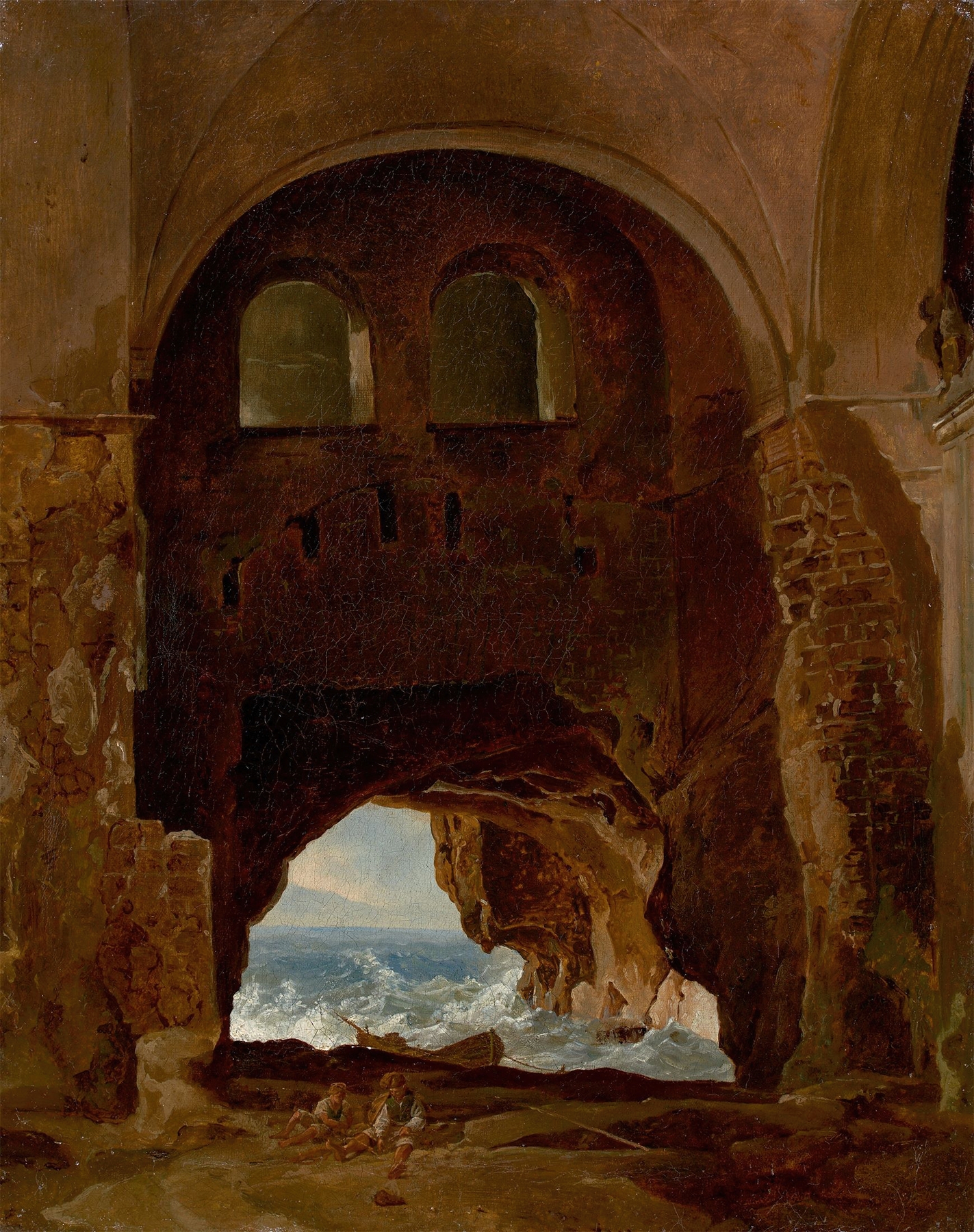
“The canvas doesn’t lie — it simply waits.” The vibrant hues of ochre and burnt sienna within Inside the Colosseum evoke the weight of history, inviting us to explore the echoes of time. Each brushstroke breathes life into the ancient stones, reminding us of the countless stories held within this colossal arena. Look to the left at the sun-drenched arches that rise like sentinels, their warm colors contrasting with the cooler tones lurking in the shadows. Notice how Catel skillfully captures the play of light streaming through the open spaces, illuminating the fragmented textures of the walls.
The figures of visitors, small yet essential, enhance the grandeur of the scene, their presence grounding the monumental architecture while celebrating the historical vibrancy of the Colosseum. Delve deeper into the scene, where the juxtaposition of the ruins and the lively spectators embodies the tension between preservation and decay. The radiant colors suggest a lingering warmth, perhaps a nostalgic longing for a bygone era, while the encroaching shadows whisper of the passage of time. Here, Catel masterfully balances the majesty of ancient Rome against the fleeting nature of existence, evoking a profound sense of both awe and melancholy.
Created around 1823, this work reflects Catel’s experiences in Rome, where he was captivated by the city’s storied past during a period of artistic revival. He was part of a larger movement that sought to reengage with classical themes, using color and form to evoke emotion and connect with viewers. This painting stands as a testament not only to his talent but also to the enduring fascination with ancient history during the early 19th century.