A View of Naples through a Window — History & Analysis
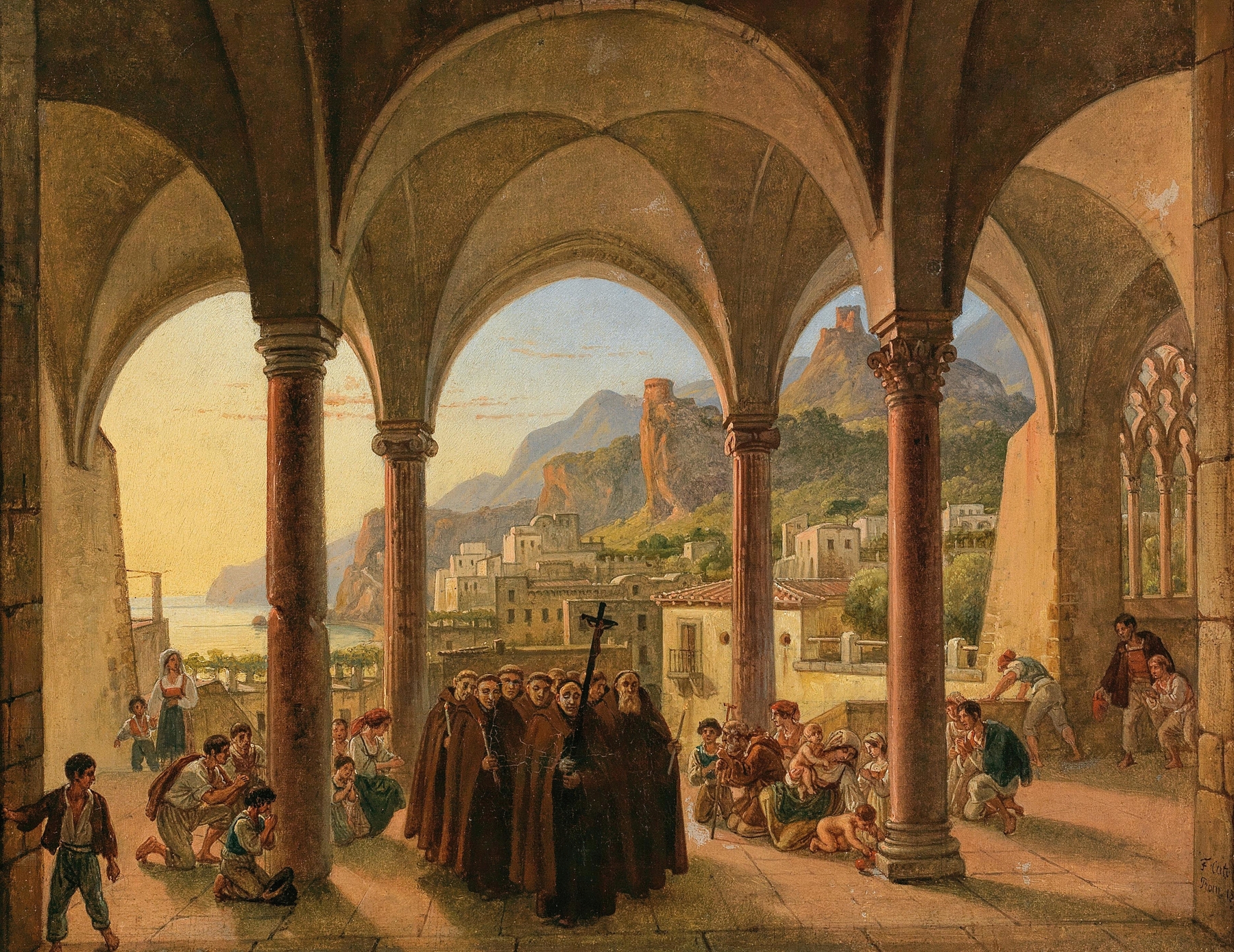
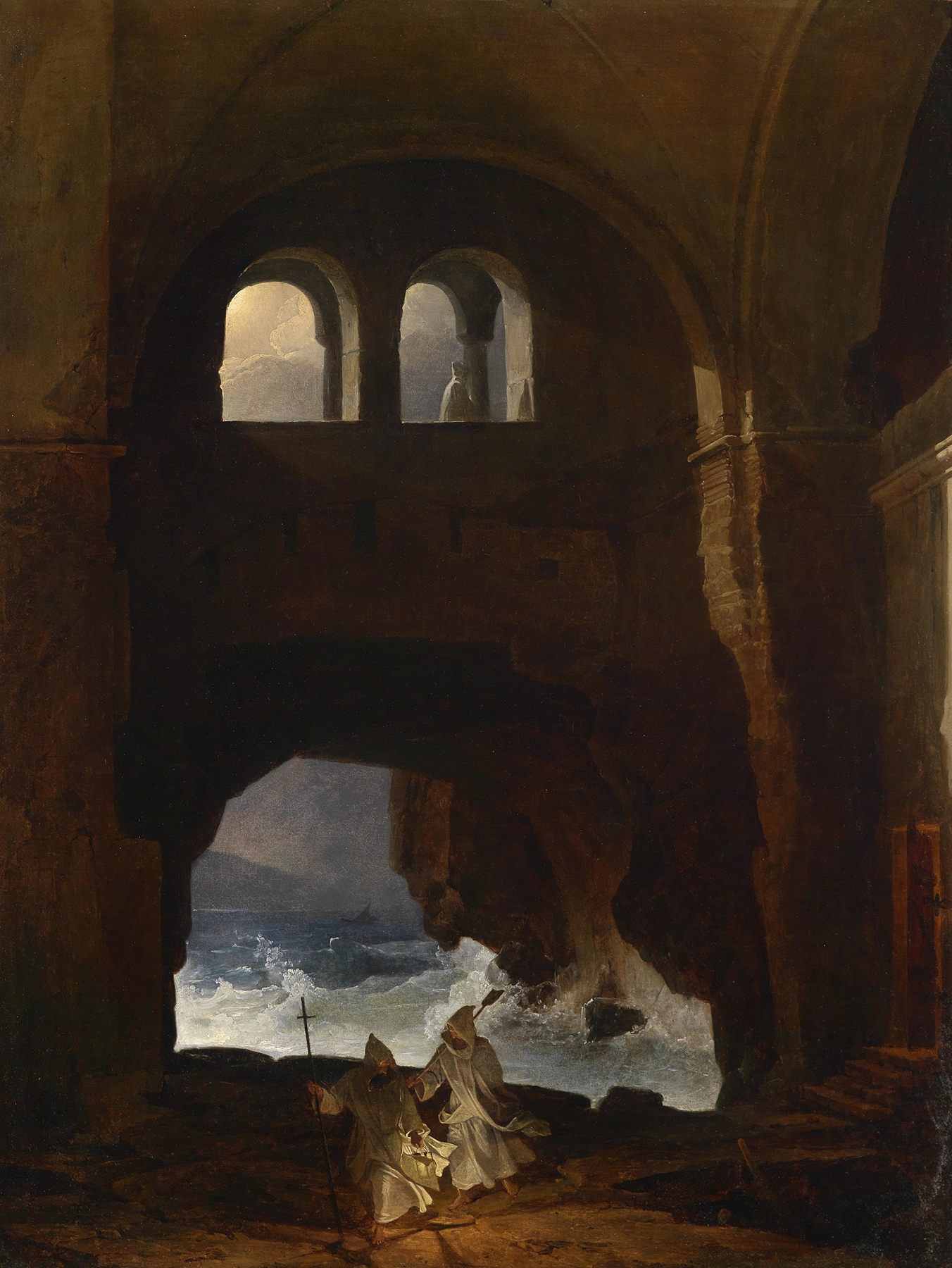
Did the painter know this moment would outlive them? In A View of Naples through a Window, a delicate balance is struck between the ephemeral nature of life and the enduring beauty of the scene captured. Look to the right at the soft, inviting glow of the sunset hues, bathing the landscape in warm shades of gold and coral. The window frame directs your gaze to the bustling city below, where life unfolds with an energy palpable even in paint.
Notice how the artist employs a harmonious blend of earthy greens and azure skies, creating an enchanting contrast that draws the viewer's eye towards the horizon, where Vesuvius stands as a silent sentinel over the city. In this piece, layers of meaning entwine like the vines seen in the foreground. The juxtaposition of the solid window frame against the fluidity of the landscape reflects the tension between the stability of architecture and the dynamic life just beyond it. The open window symbolizes opportunity, allowing viewers to ponder what lies beyond their own confines.
In this way, Catel encapsulates not just a moment, but an entire narrative of life, movement, and the bittersweet passage of time. Created in 1824, this work emerged during a period of great change in Europe, where Romanticism was blossoming. Catel, based in Italy at the time, was deeply influenced by the picturesque landscapes and cultural vibrancy of Naples. His focus on the interplay of light and environment marked a shift towards more personal expressions in the art world, reflecting a broader transition in both his life and contemporary artistic endeavors.