Inside the Colosseum — History & Analysis
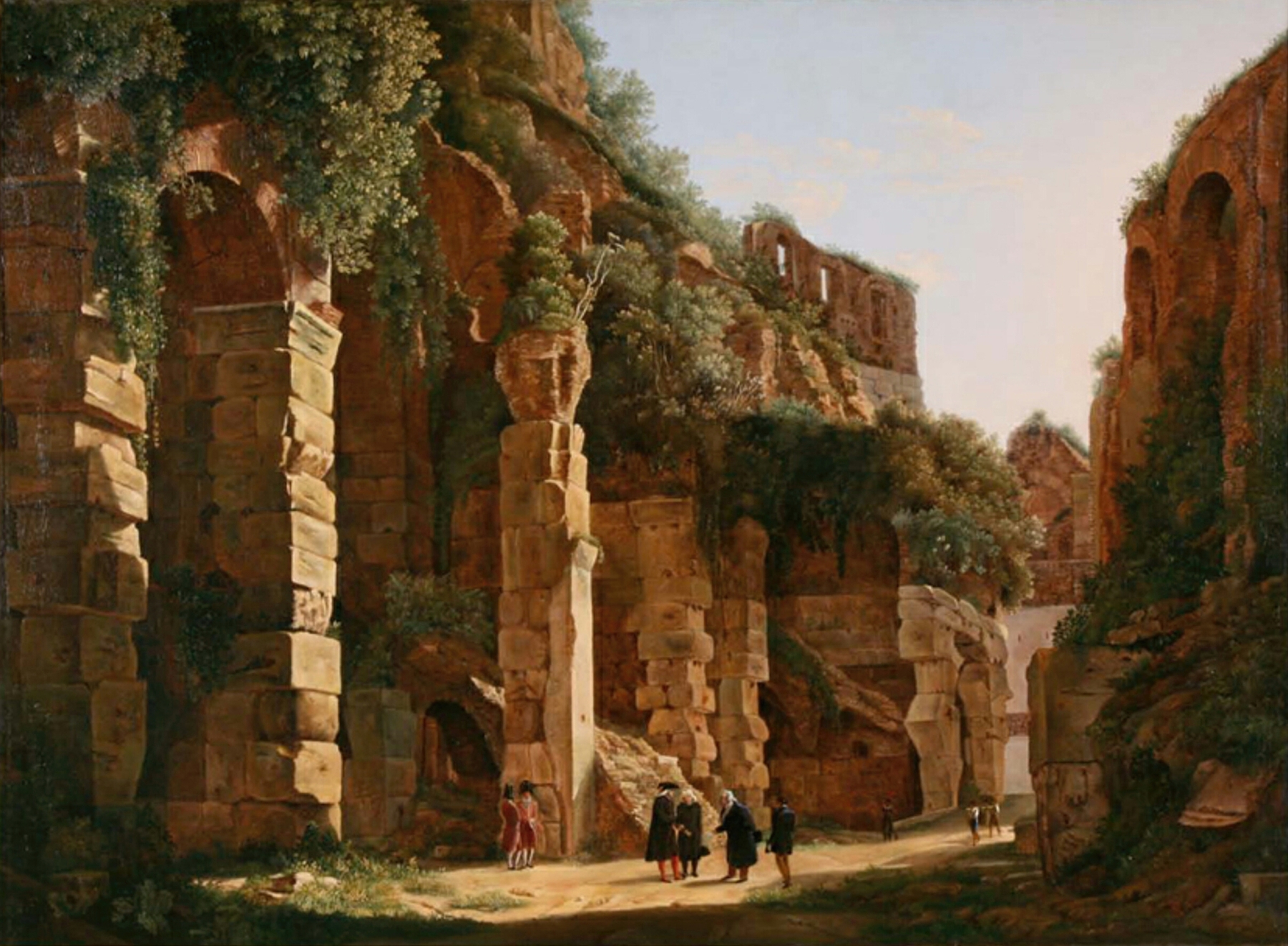
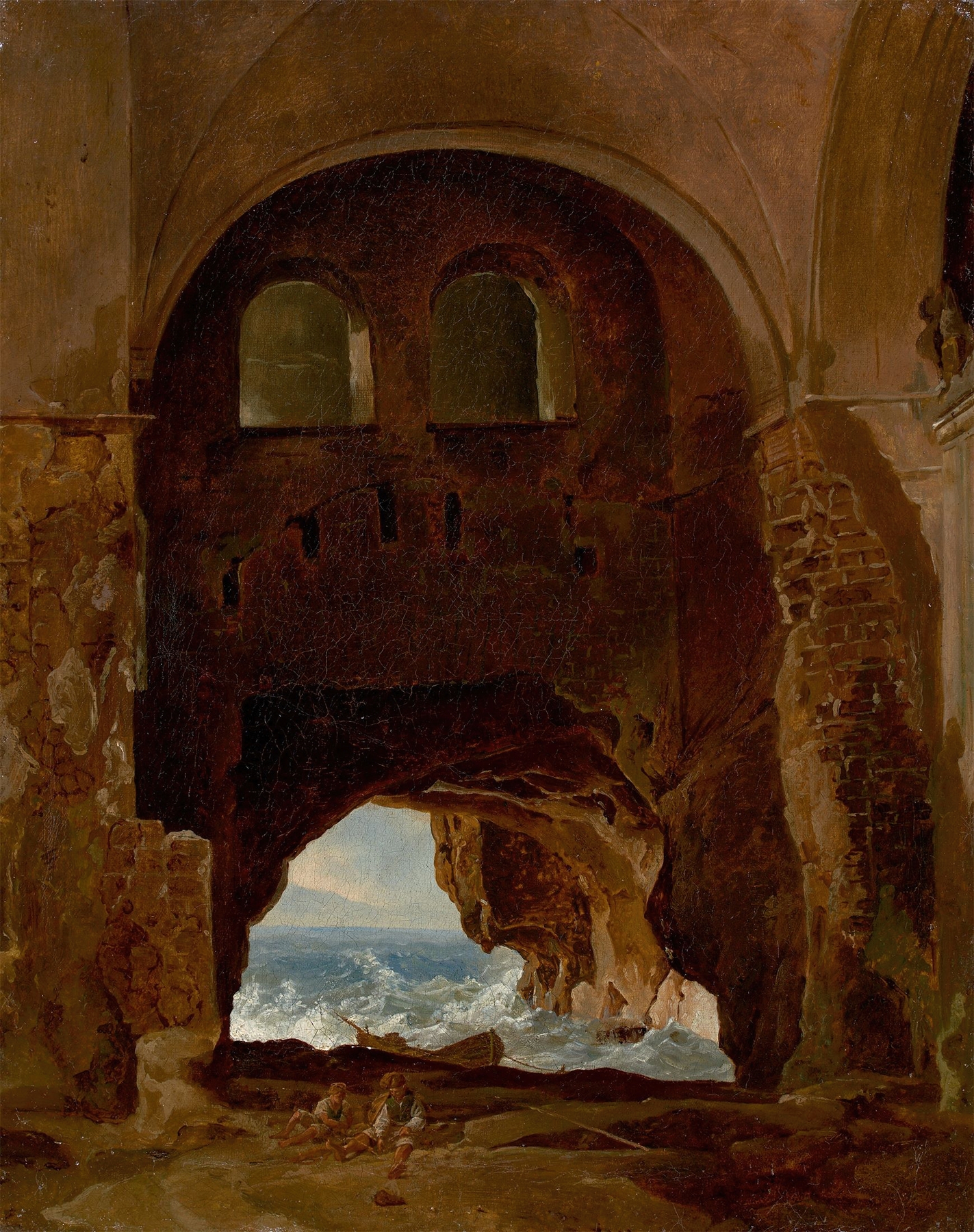
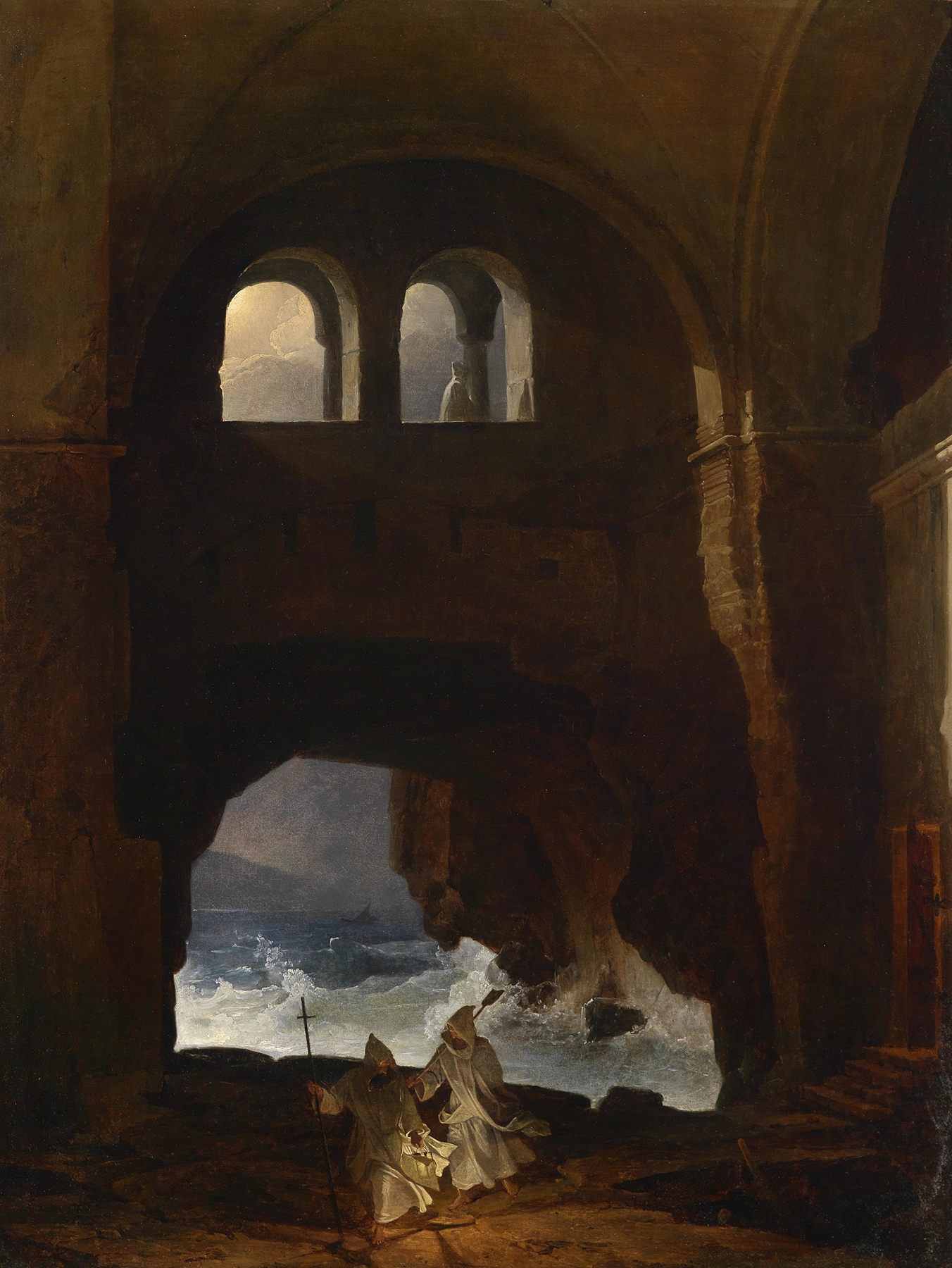
“Every brushstroke is a heartbeat remembered.” In the stillness of time and shadow, the past lingers, weaving stories within the walls that once roared with life. Focus on the shadows cast by the towering arches of the Colosseum, where the dim light reveals a sepulchral beauty. The artist captures the interplay between the sun and the ancient stone, inviting you to trace the outlines of crumbling pillars, where history breathes through cracks and crevices. The palette, a blend of muted earth tones and soft grays, evokes a sense of nostalgia, while the delicate brushwork lends a whispering quality to the scene.
Yet, amidst the grandeur, tension simmers beneath the surface. The juxtaposition of light and shadow hints at the duality of the Colosseum’s legacy — a monument to both entertainment and suffering. Look closely at how the figures stand in contemplation, reinforcing a dialogue between the living and the echoes of the past. Their stillness invites reflection, urging us to confront the memories that dwell in the very stones beneath our feet.
Around 1823, the artist found himself deeply inspired by the classical ruins of Rome, where he painted this evocative piece. During this period, the neoclassical movement thrived, as artists looked to ancient forms to express contemporary ideals. Catel, immersed in the rich cultural tapestry of his surroundings, sought to illuminate the forgotten narratives held within these monumental structures, bridging the past with the present through the language of shadow and light.