Saint Vincents, near West Malling, Kent — History & Analysis
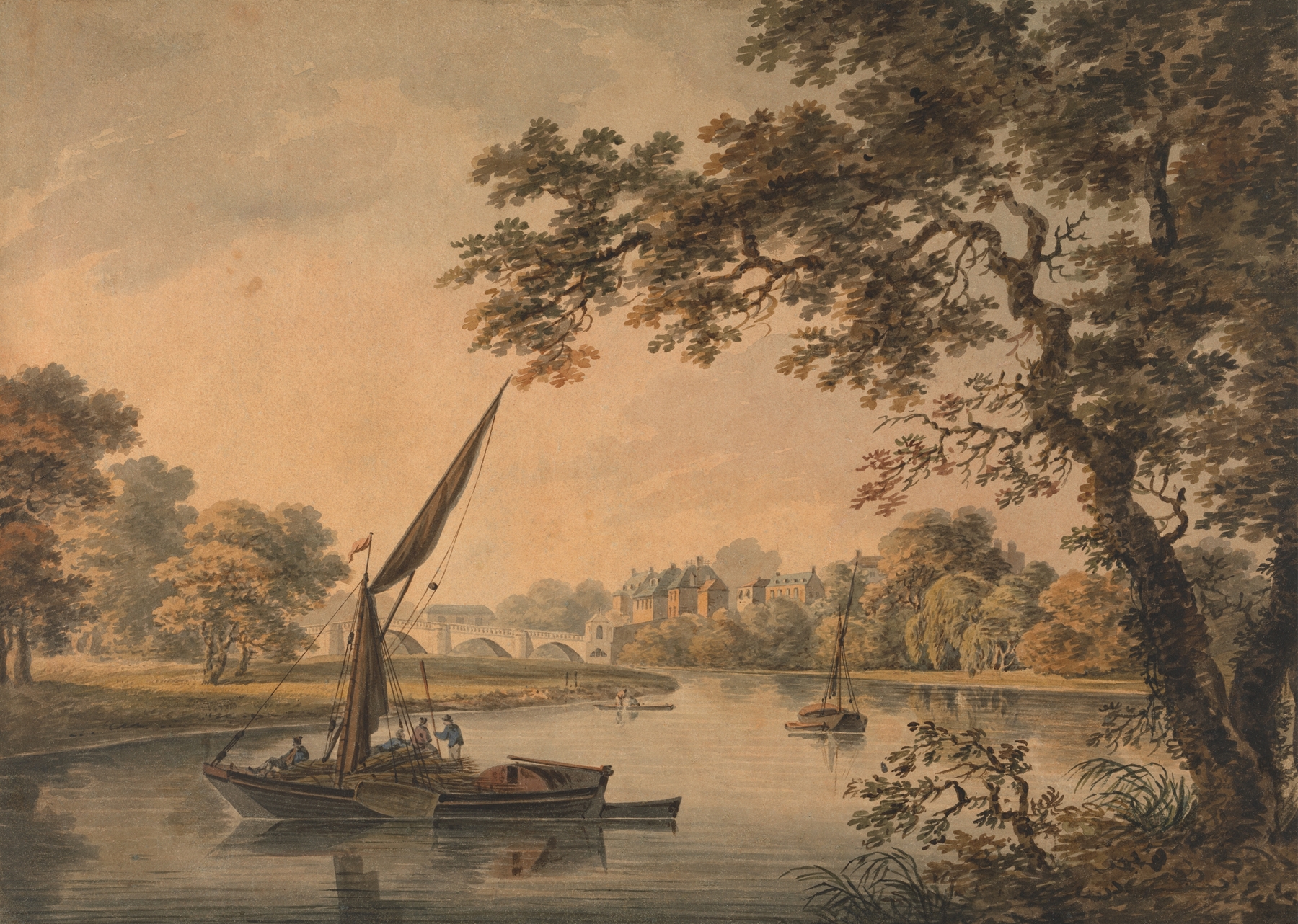
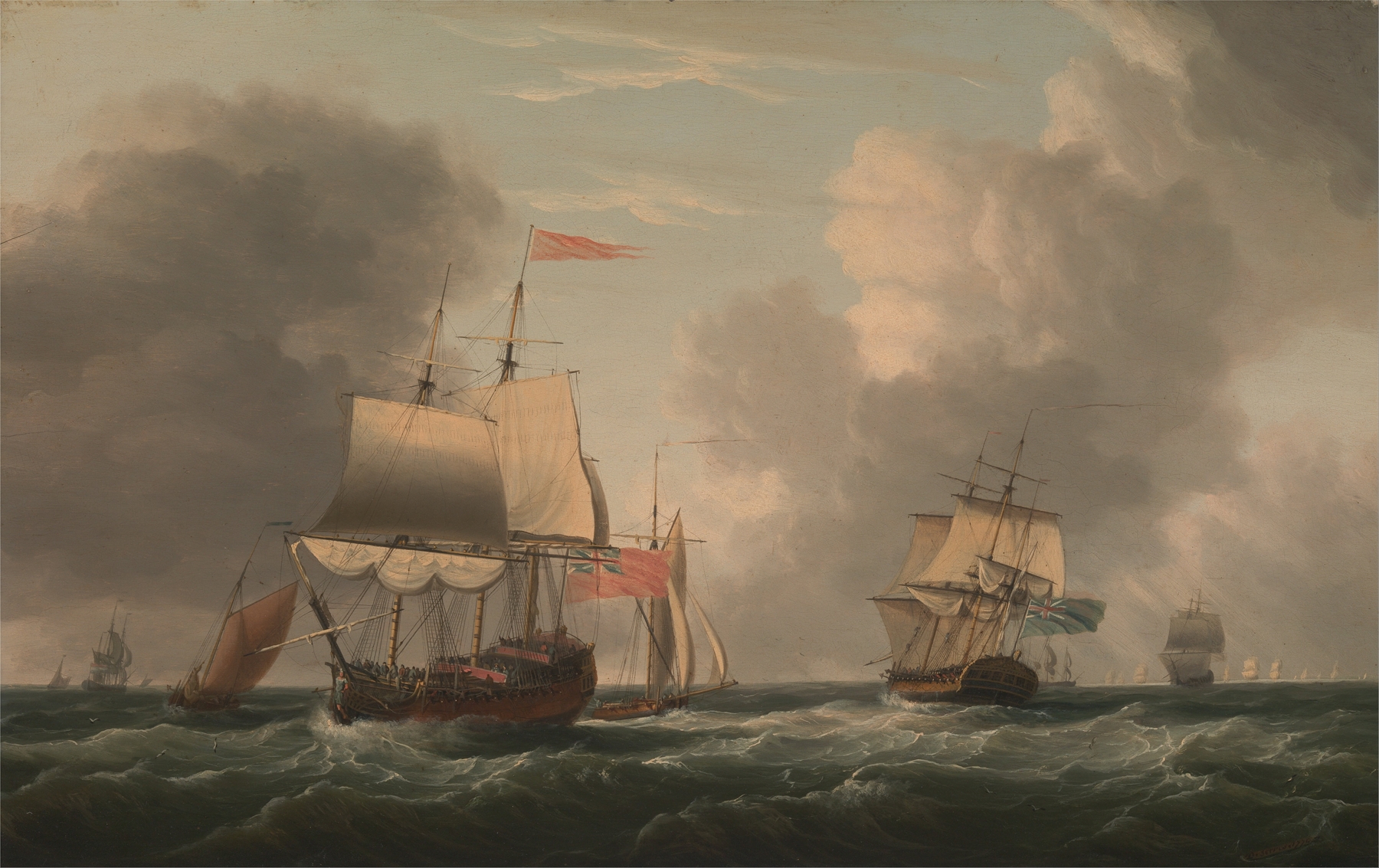
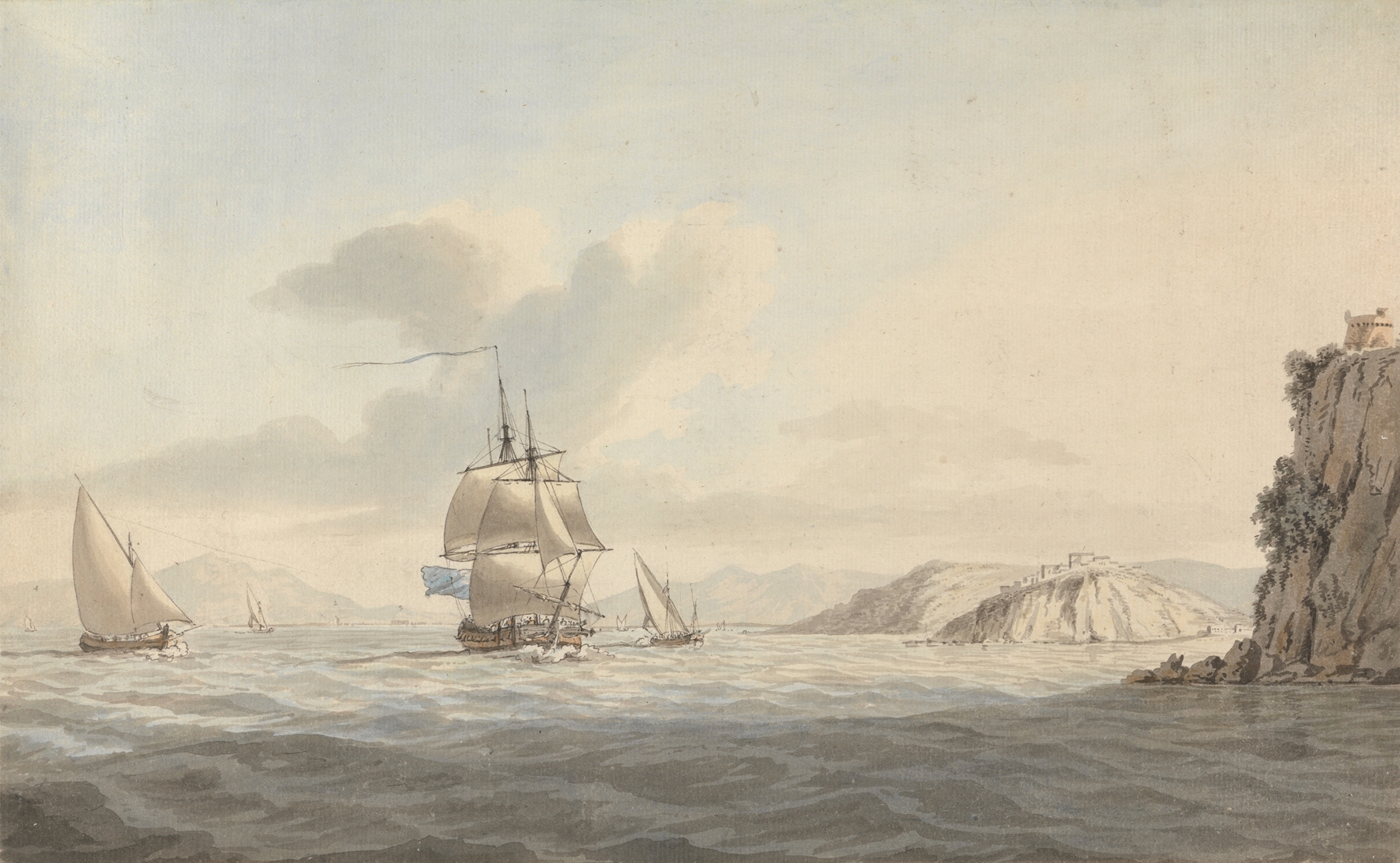
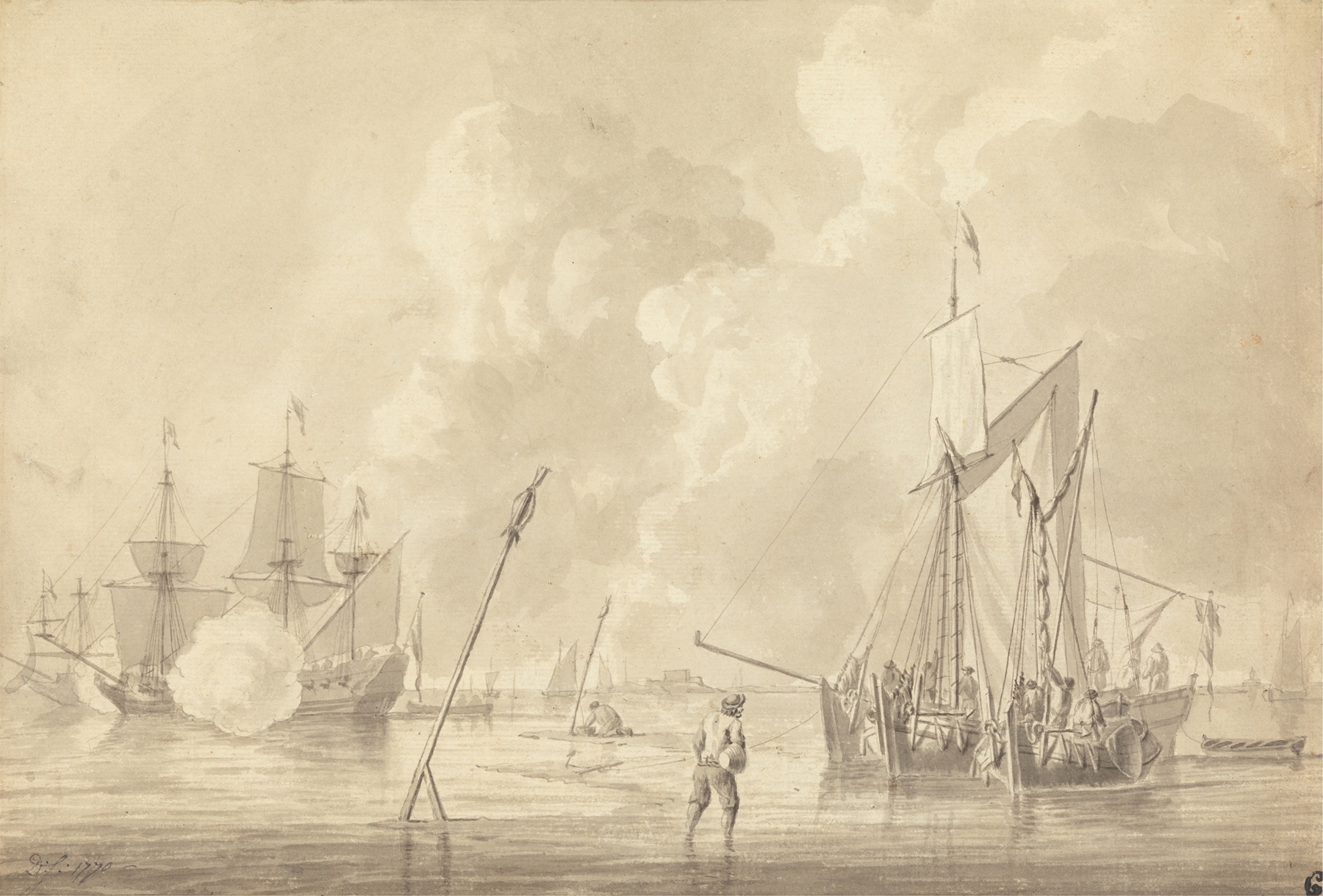
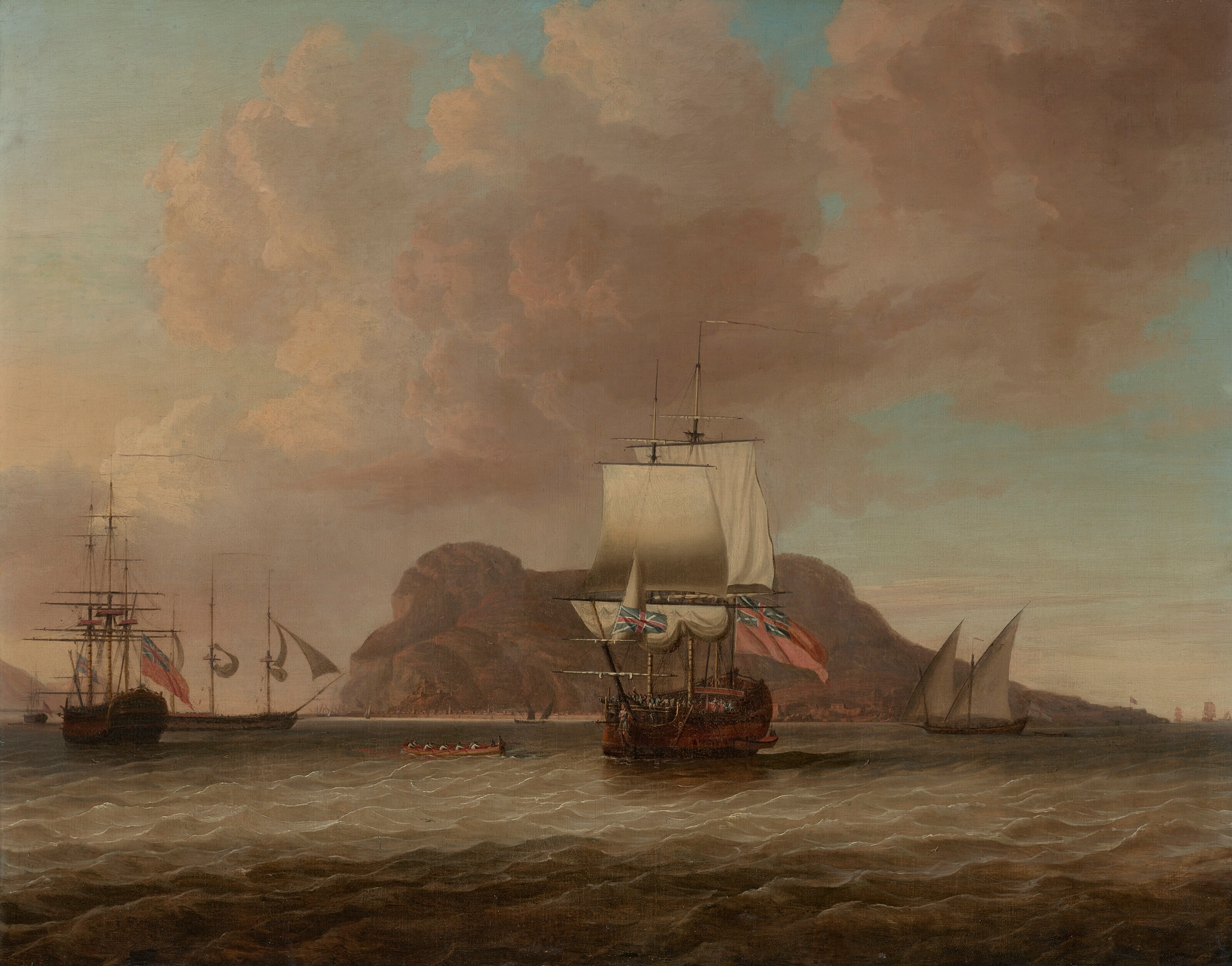
Could beauty survive in a century of chaos? In the hands of Dominic Serres, the answer resonates in the gentle strokes and harmonious colors of his landscape. Look to the foreground, where the soft greens of the grass blend seamlessly with the vibrant blues of the sky. The trees stand tall, their trunks sturdy against a backdrop of rolling hills. The play of light and shadow serves to accentuate the contours of the landscape, while a delicate interplay of warm and cool hues invites you deeper into the scene.
Each brushstroke feels deliberate, creating an ethereal quality that transforms the ordinary into the sublime. As you explore the painting further, notice the subtle tension between nature and the encroaching chaos of the world. The tranquility of the scene is juxtaposed with the looming uncertainty of the era. The serene presence of the trees and fields speaks of permanence and solace, while the distant clouds hint at change and disruption.
This duality evokes a sense of longing for peace amidst turmoil, inviting contemplation on the resilience of beauty. Dominic Serres painted this work during a time of significant upheaval in the 18th century, characterized by political and social turmoil throughout Europe. While artistic academies were emerging and shifting the landscape of art, Serres found solace in the natural world. His commitment to capturing the sublime aspects of nature reflected both his personal search for tranquility and the broader human desire for transcendence in an unstable era.