Sandy Cliff — History & Analysis
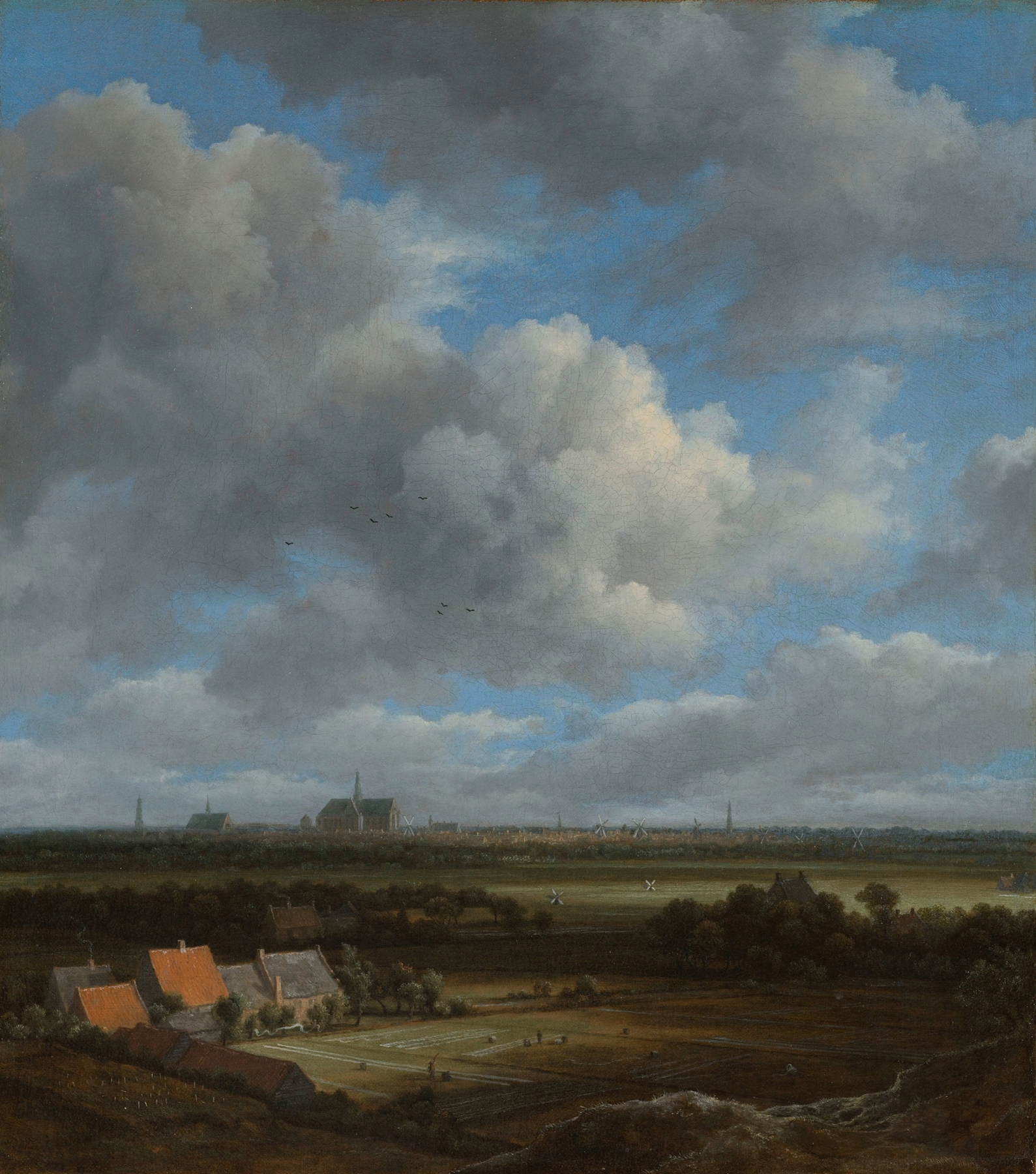
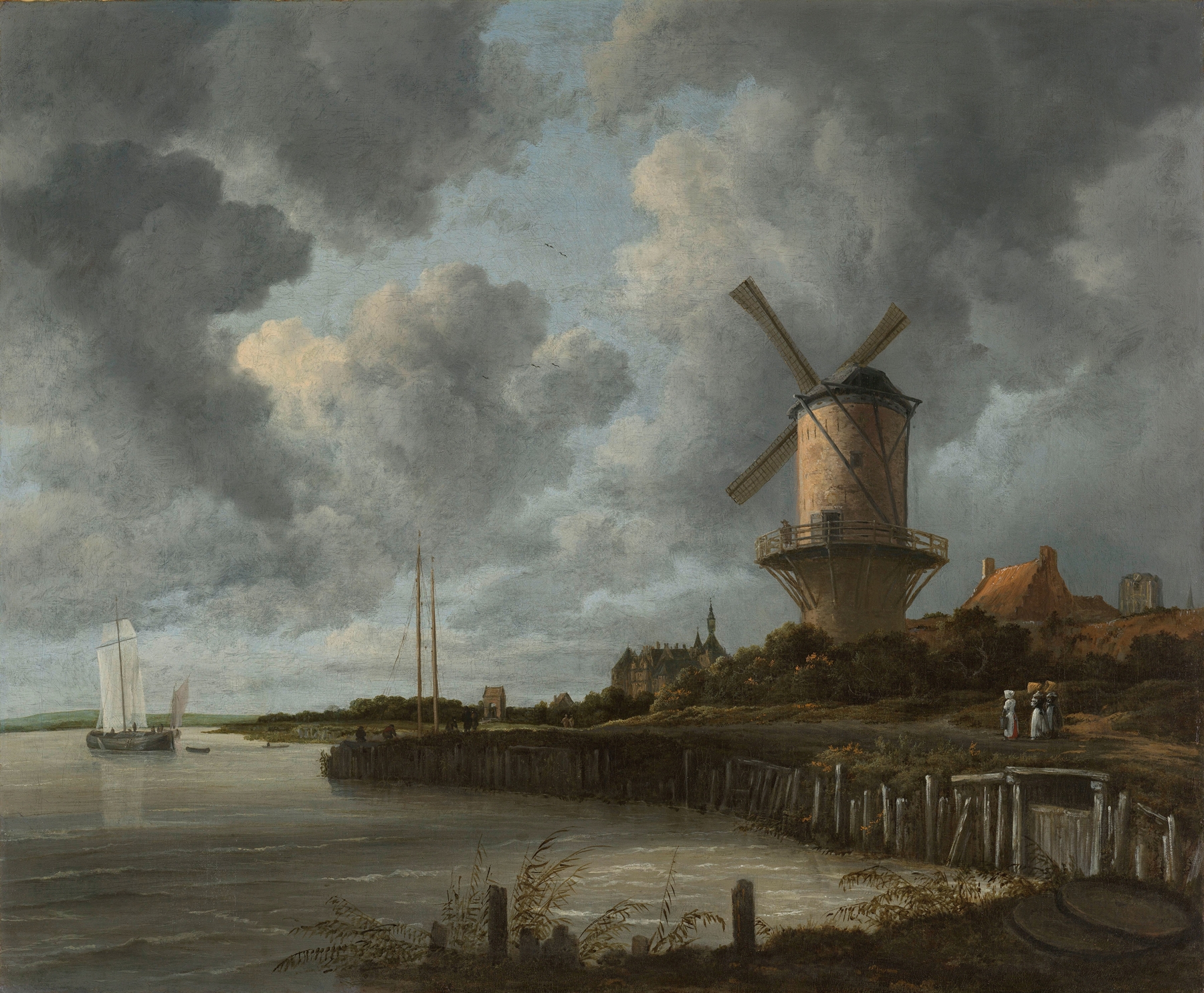
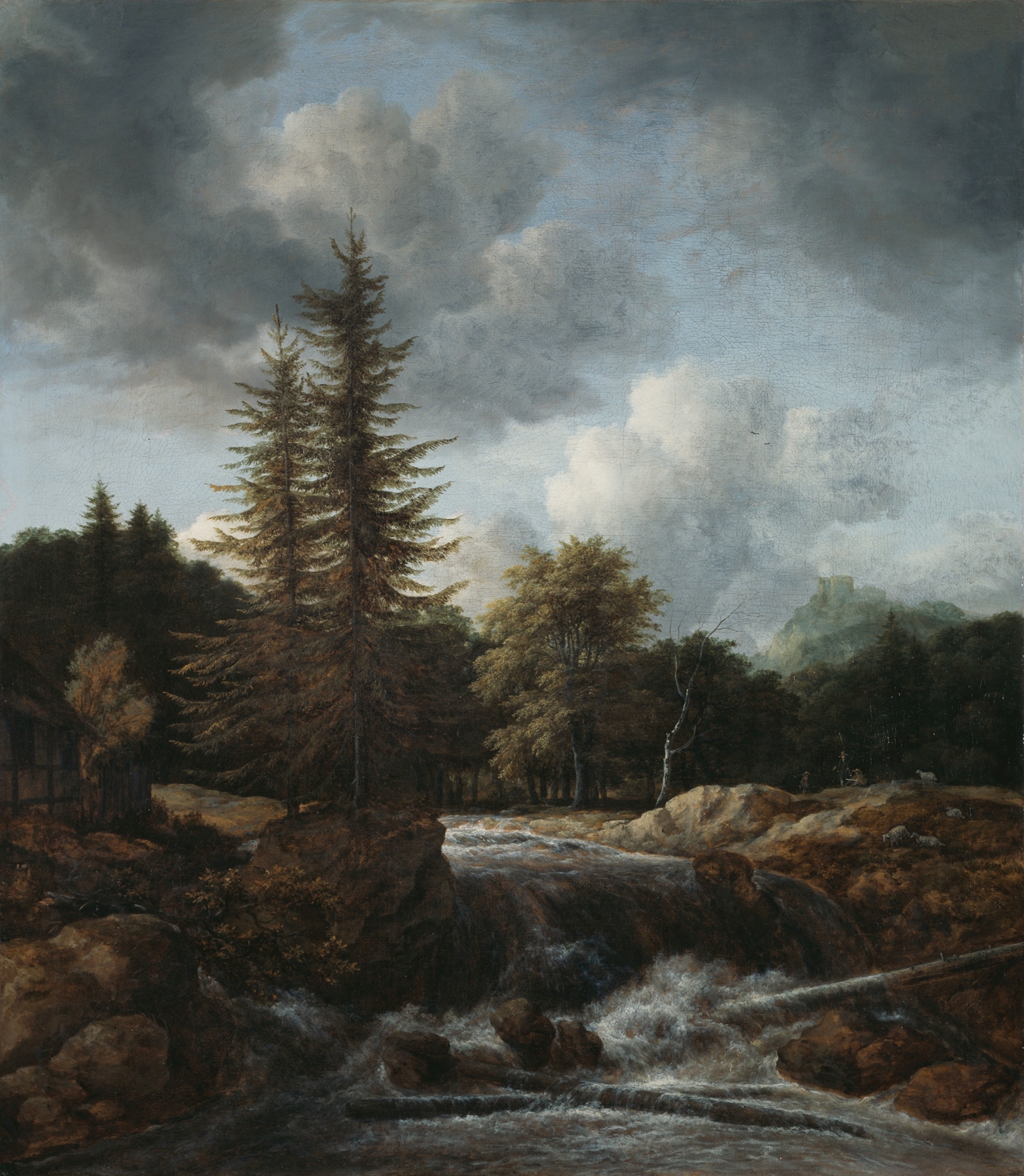
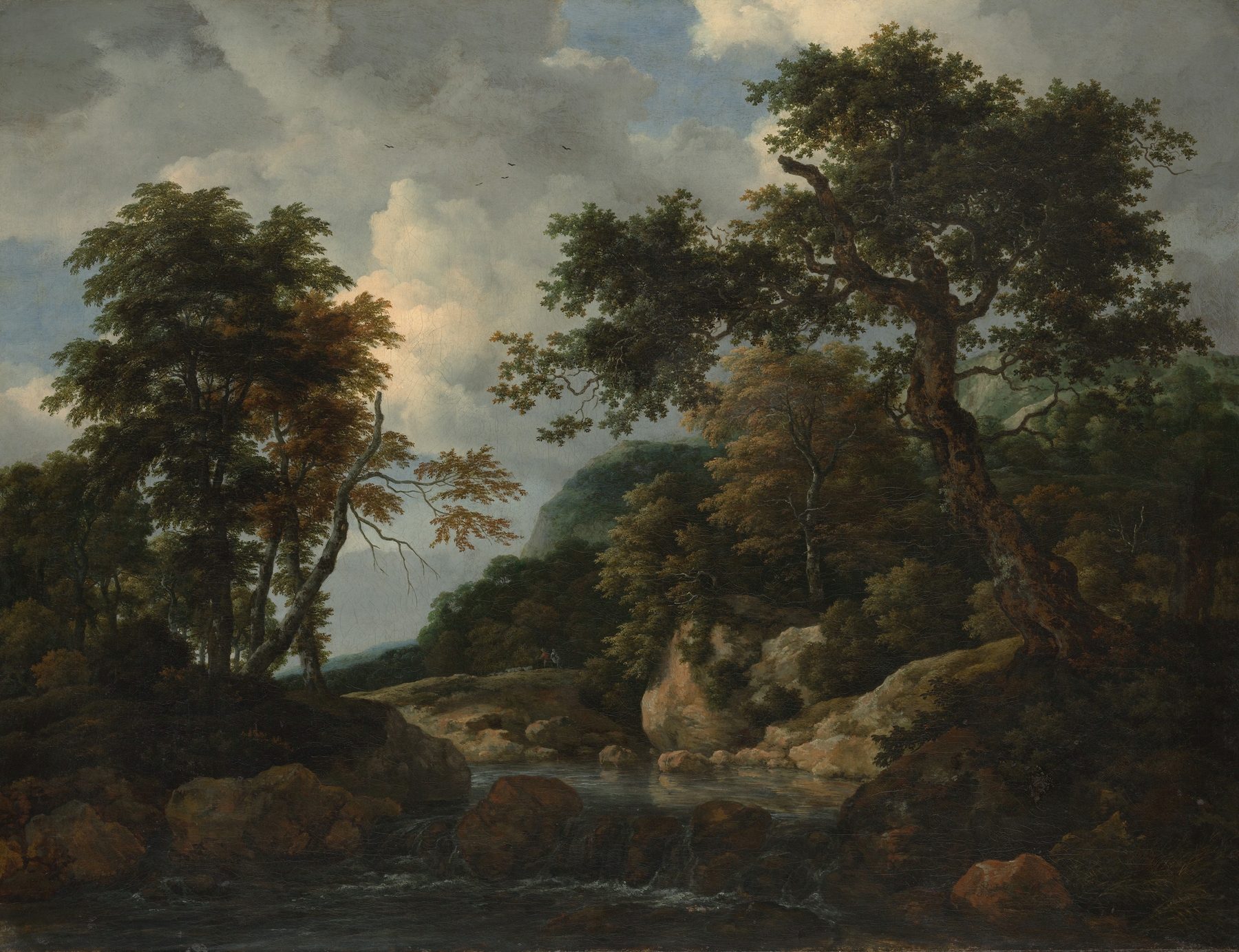
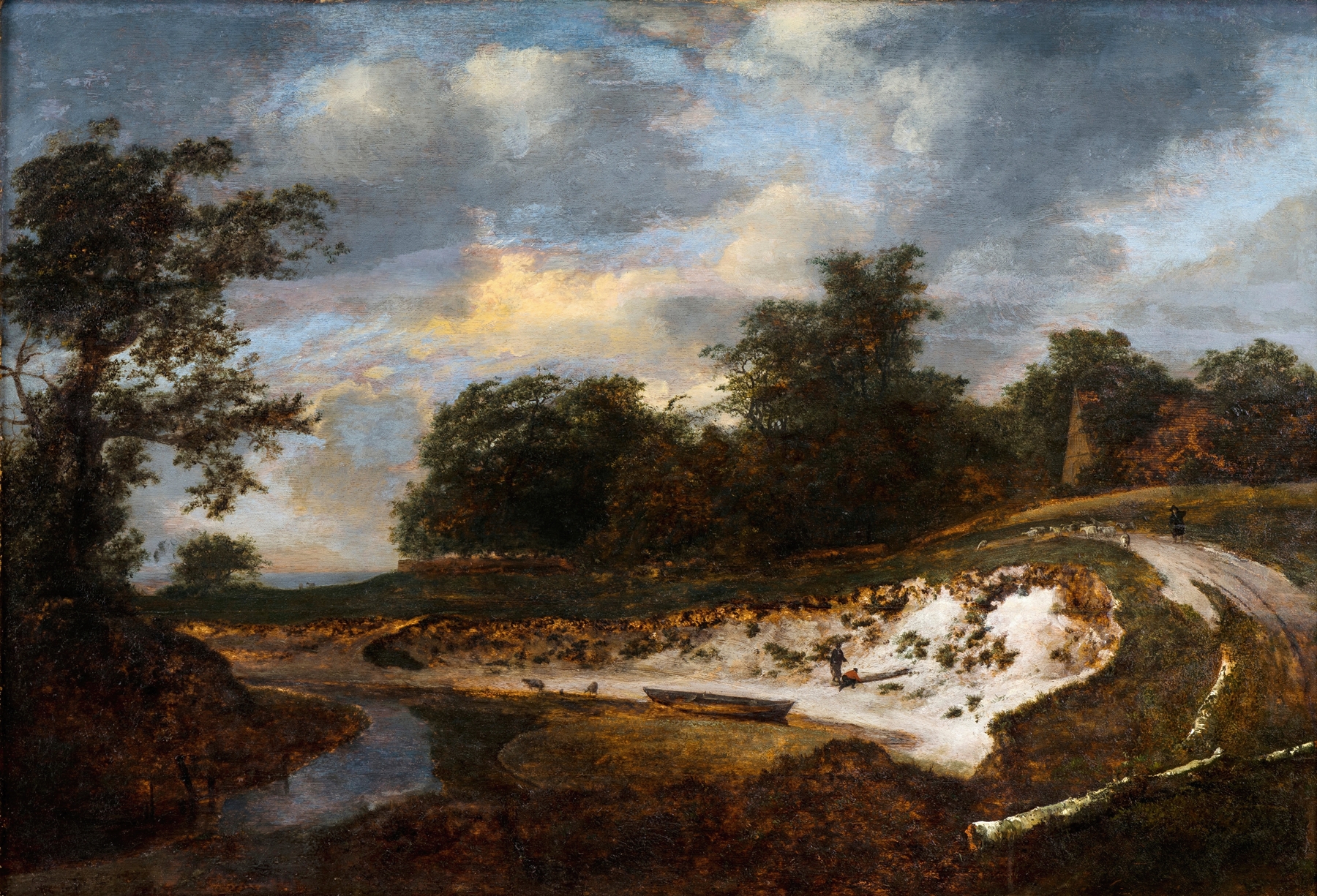
Can paint confess what words never could? In Jacob van Ruisdael's Sandy Cliff, a profound silence envelops the landscape, allowing the viewer to confront the weight of solitude nestled within its vast emptiness. Look to the left at the towering sandy cliff, rising majestically against the pale sky. The texture of the sand contrasts with the muted greens of the surrounding vegetation, inviting an exploration of the rugged terrain.
Notice how the light delicately caresses the irregular edges, casting shadows that dance across the surface, while the delicate brushwork evokes a sense of movement within stillness. The horizon stretches far and wide, pulling the eye toward the vanishing point, a promise of infinity that hangs in the air. Within this landscape lies a poignant conversation between nature's grandeur and the ache of desolation. The cliff stands as a monument to isolation, while the sparse trees suggest a struggle for life amidst the harsh environment.
The interplay of light and shadow reveals an internal conflict—an invitation to ponder the human experience of longing and the allure of the unattainable, nestled in the embrace of nature's indifference. In 1647, when this piece was created, Ruisdael was navigating his artistic voice amidst the Dutch Golden Age, a time marked by a flourishing of landscape painting. The world around him was in flux, with a growing fascination for the natural world and its portrayal. His exploration of the emptiness felt in the landscape mirrored the period's complex relationship with identity and nature, capturing the essence of both beauty and solitude in one masterful composition.