Scotch Highlands — History & Analysis
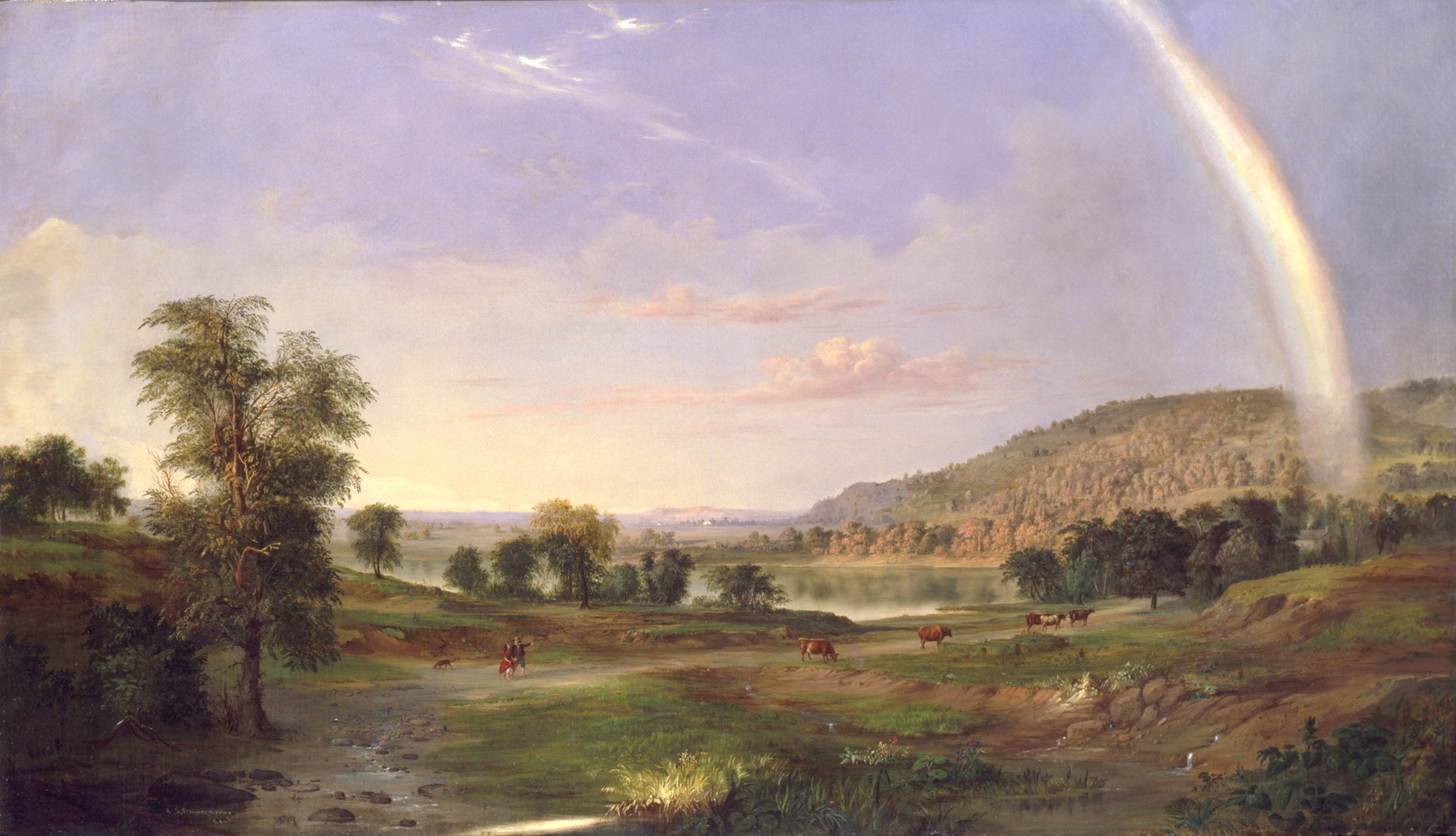
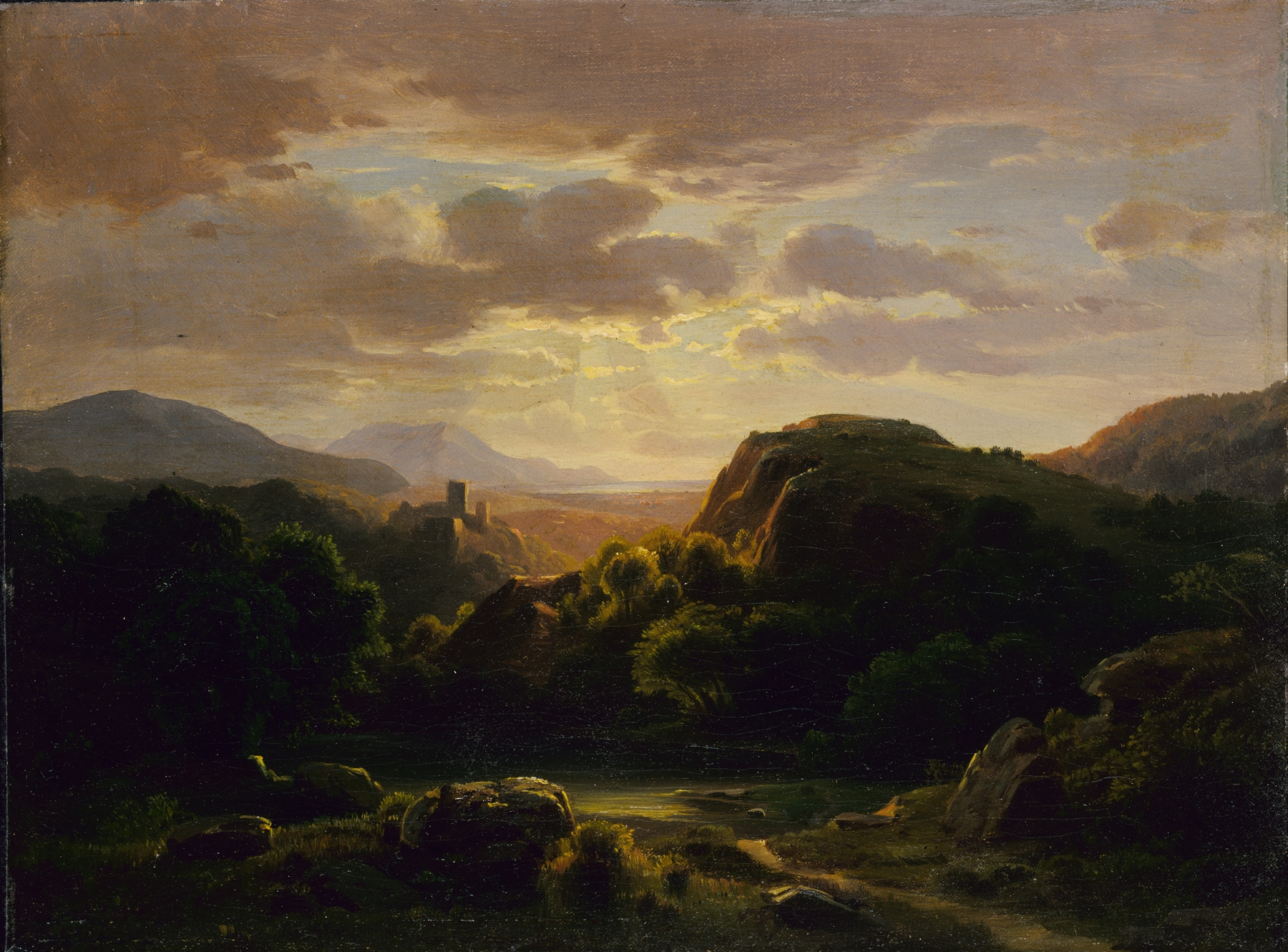
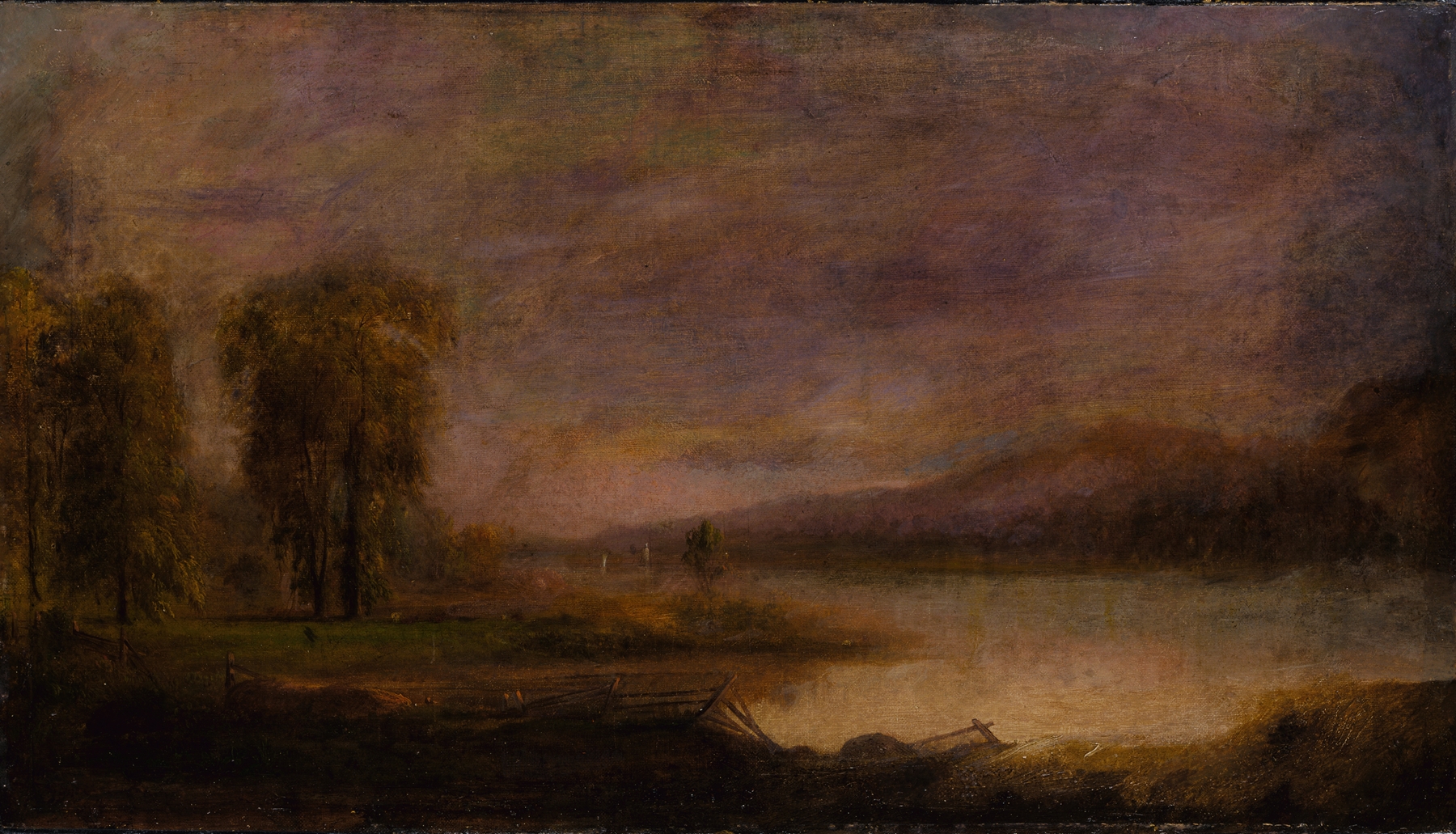
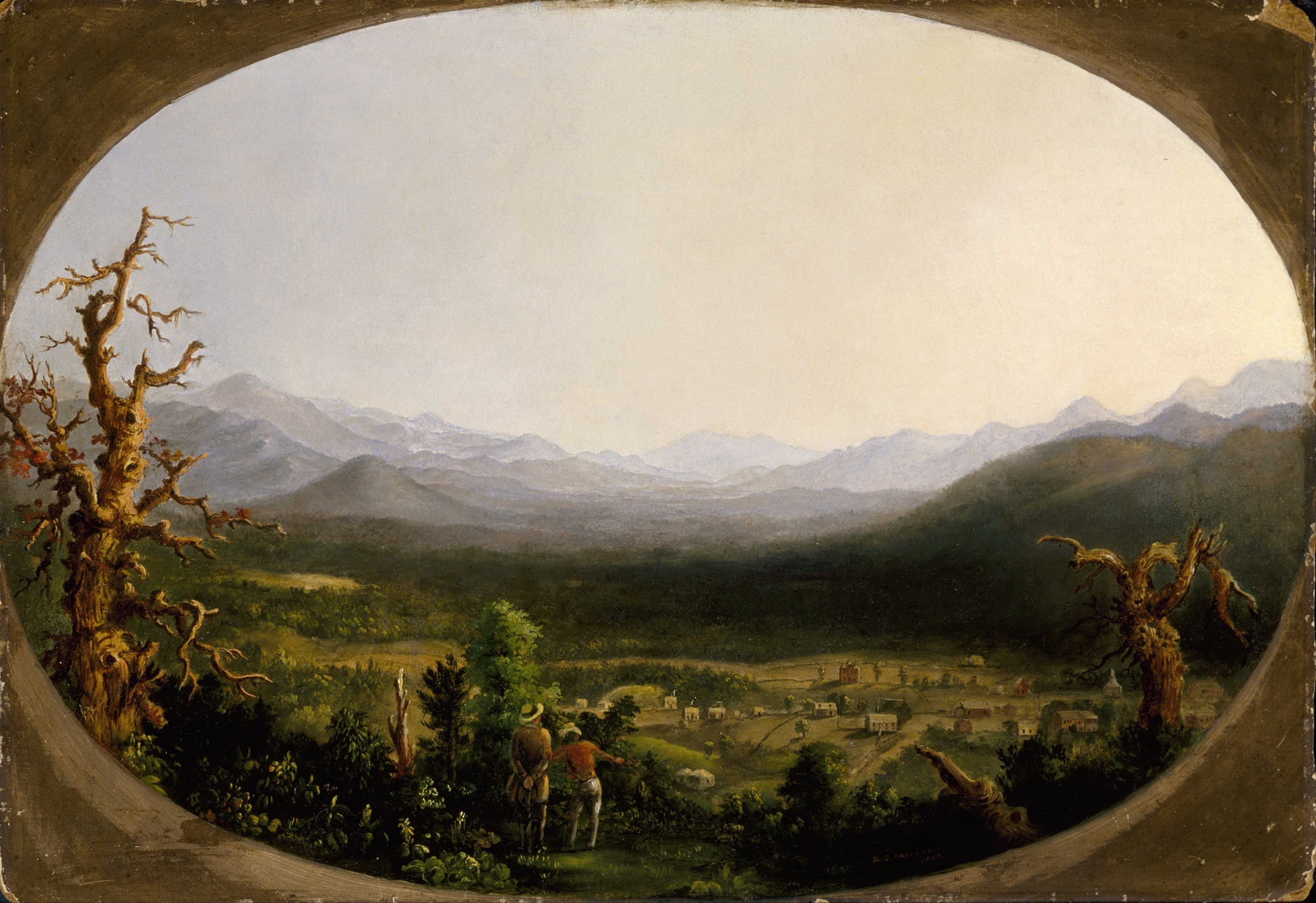
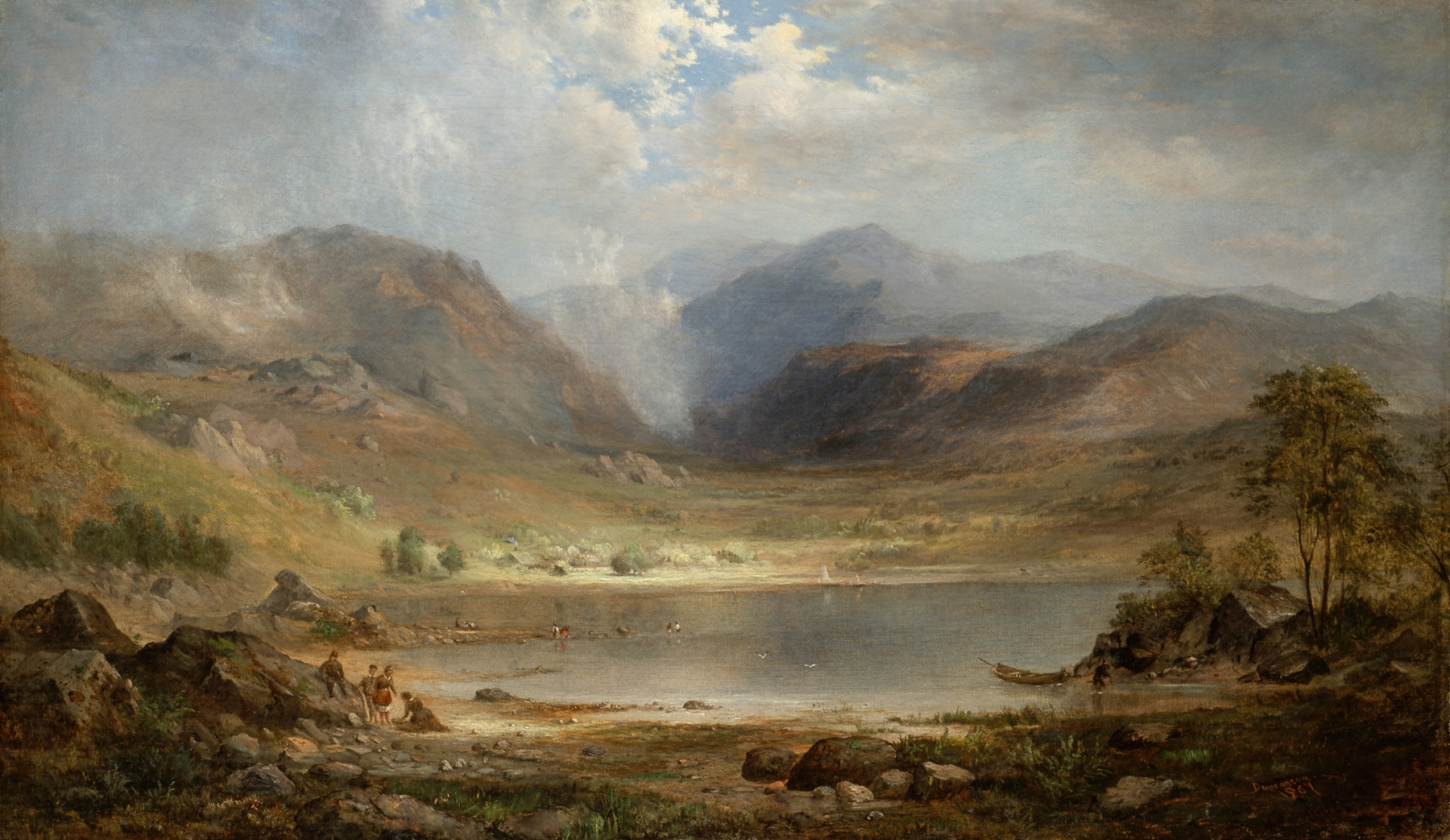
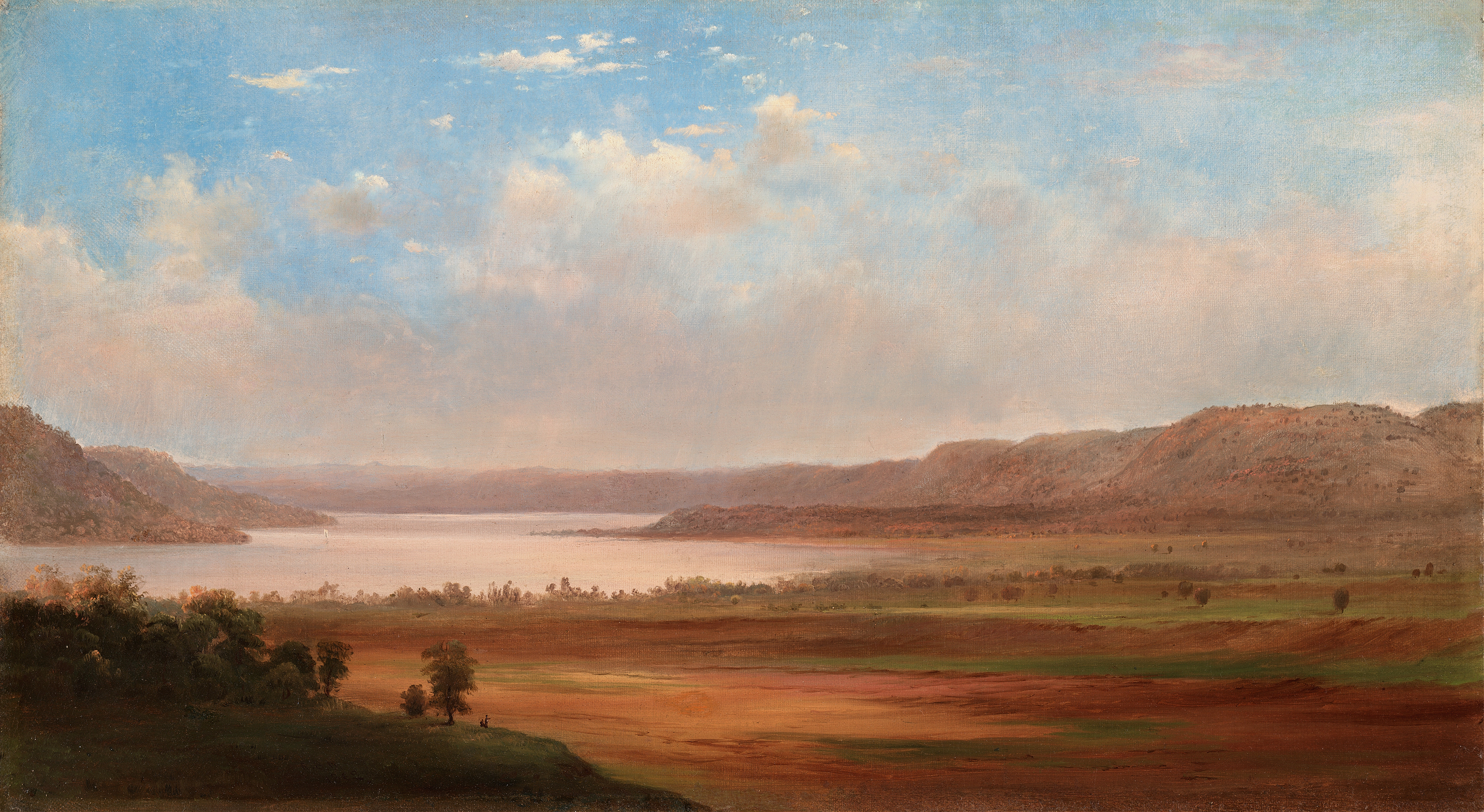
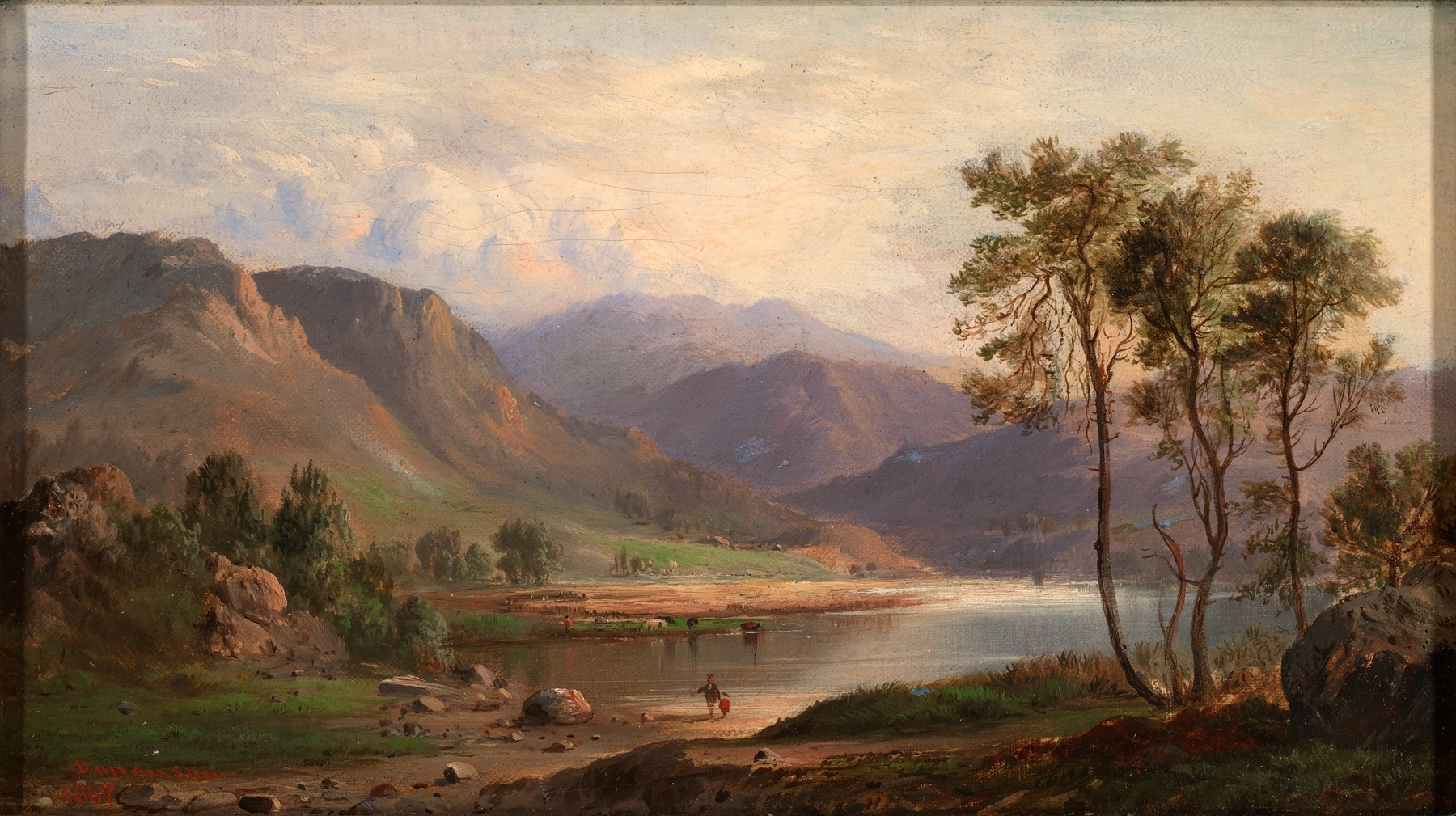
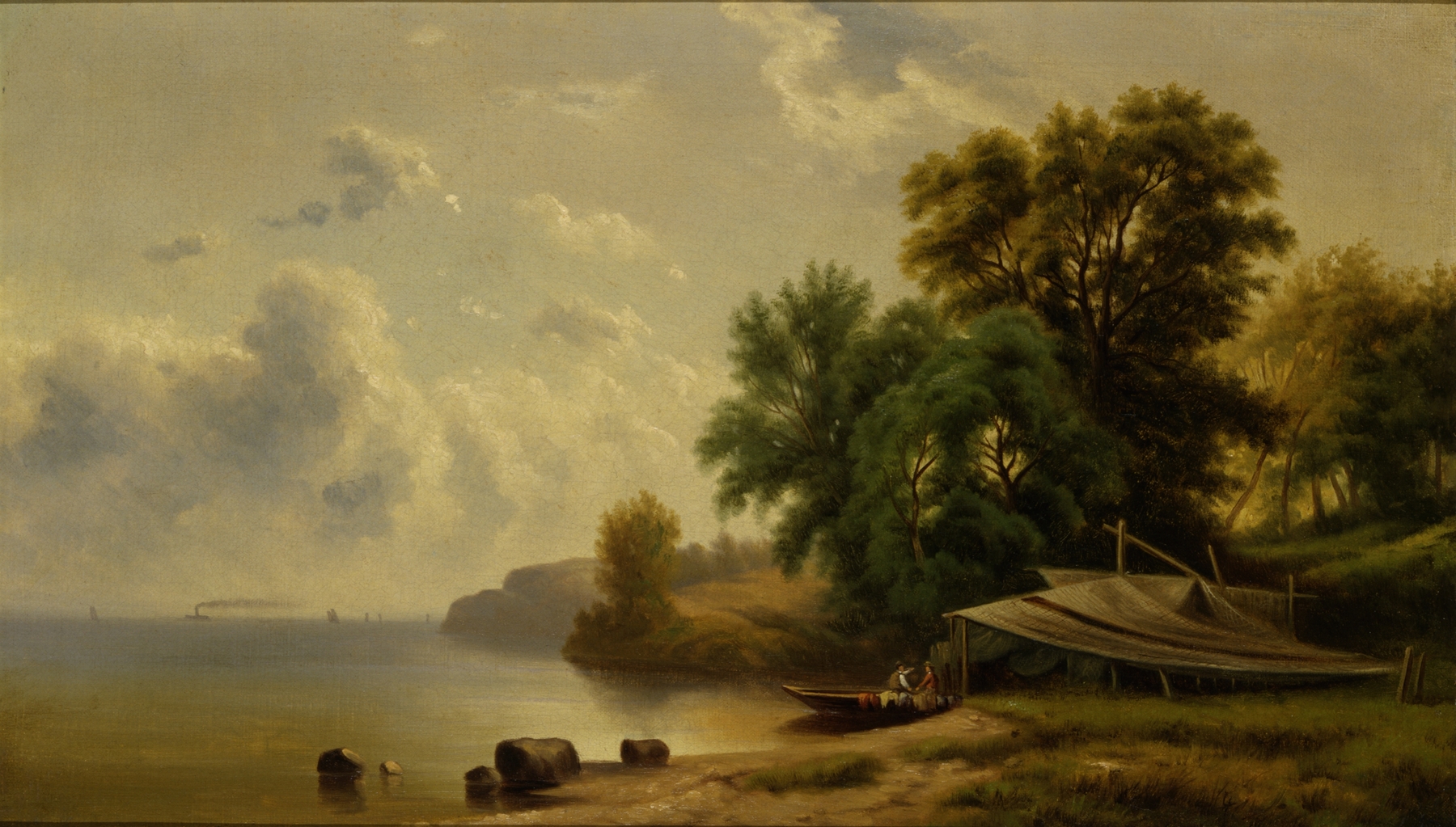
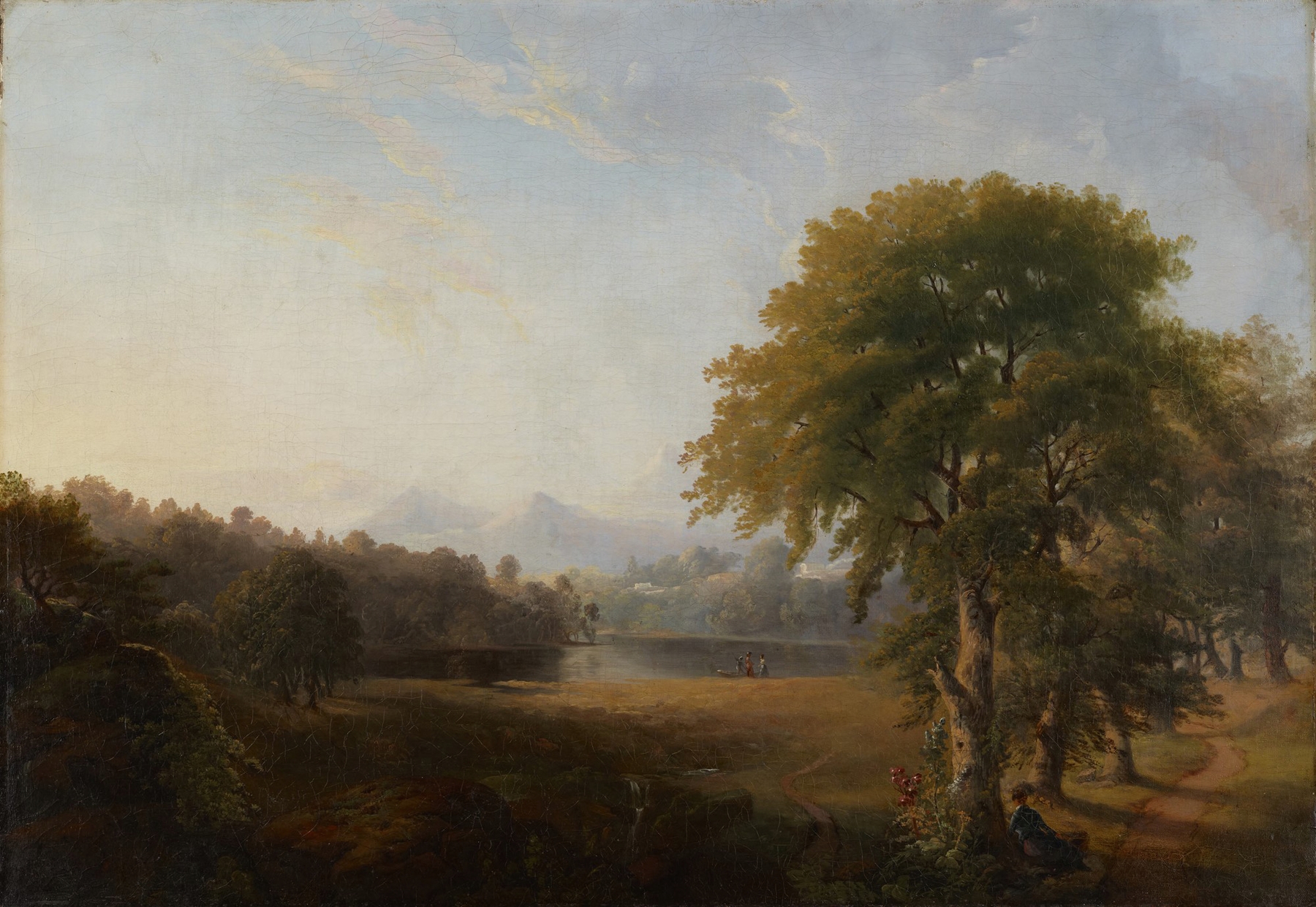
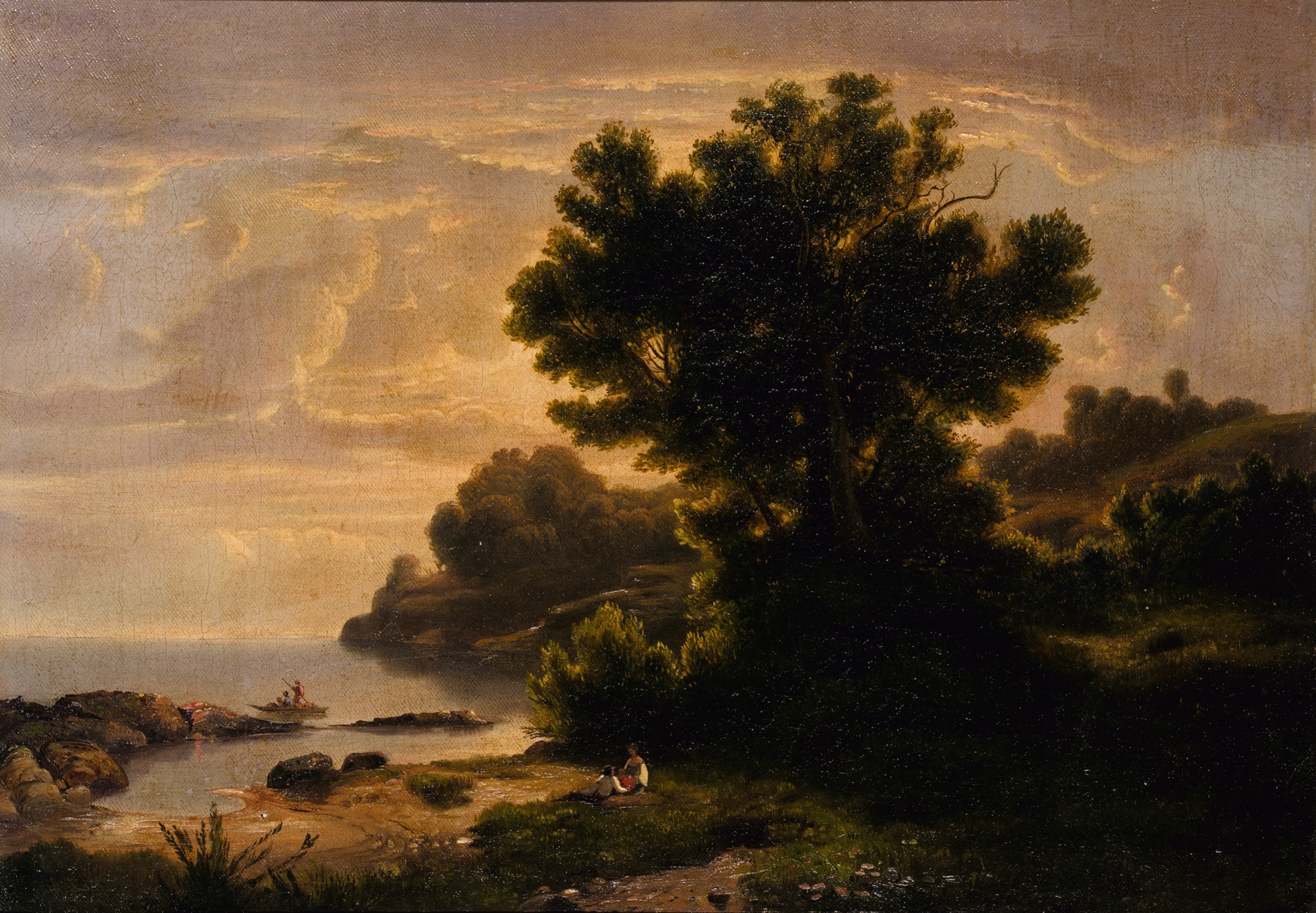
Who listens when art speaks of silence? In Scotch Highlands, tranquility envelops the viewer, inviting contemplation in its serene embrace. Look to the rolling hills that nestle under an expansive sky, where soft greens blend seamlessly into the dusky blues of twilight. The gentle undulation of the landscape is punctuated by a solitary tree, its gnarled branches reaching toward an ethereal horizon. Notice how the light bathes the scene — a delicate interplay of shadow and illumination that whispers of both day and night.
The meticulous brushwork and layered colors reflect the artist’s keen eye for nature, creating an almost dreamlike quality. Within the stillness lies a profound emotional tension. The solitary tree can symbolize resilience amidst isolation, while the fading light suggests the passage of time — both a reminder of life’s transience and an invitation to pause. There’s an implicit narrative woven into the fabric of the scene: the quietness of the highlands speaks to a deeper yearning for connection, both to nature and to the artist’s own journey. The painting invites viewers to consider their own moments of silence and introspection.
Robert S. Duncanson painted Scotch Highlands between 1848 and 1852, during a time when he was emerging as one of America's first notable African American landscape painters. Working from his studio in Cincinnati, Ohio, he drew inspiration from the natural beauty surrounding him, as well as his own travels abroad. This period was marked by a growing interest in romantic landscapes, reflecting both the American spirit of exploration and the complexities of identity during a turbulent era in American history.