Sculptuur van Johannes de Doper door Giambologna op een wijwaterbak in de Dom van Pisa, Italië — History & Analysis
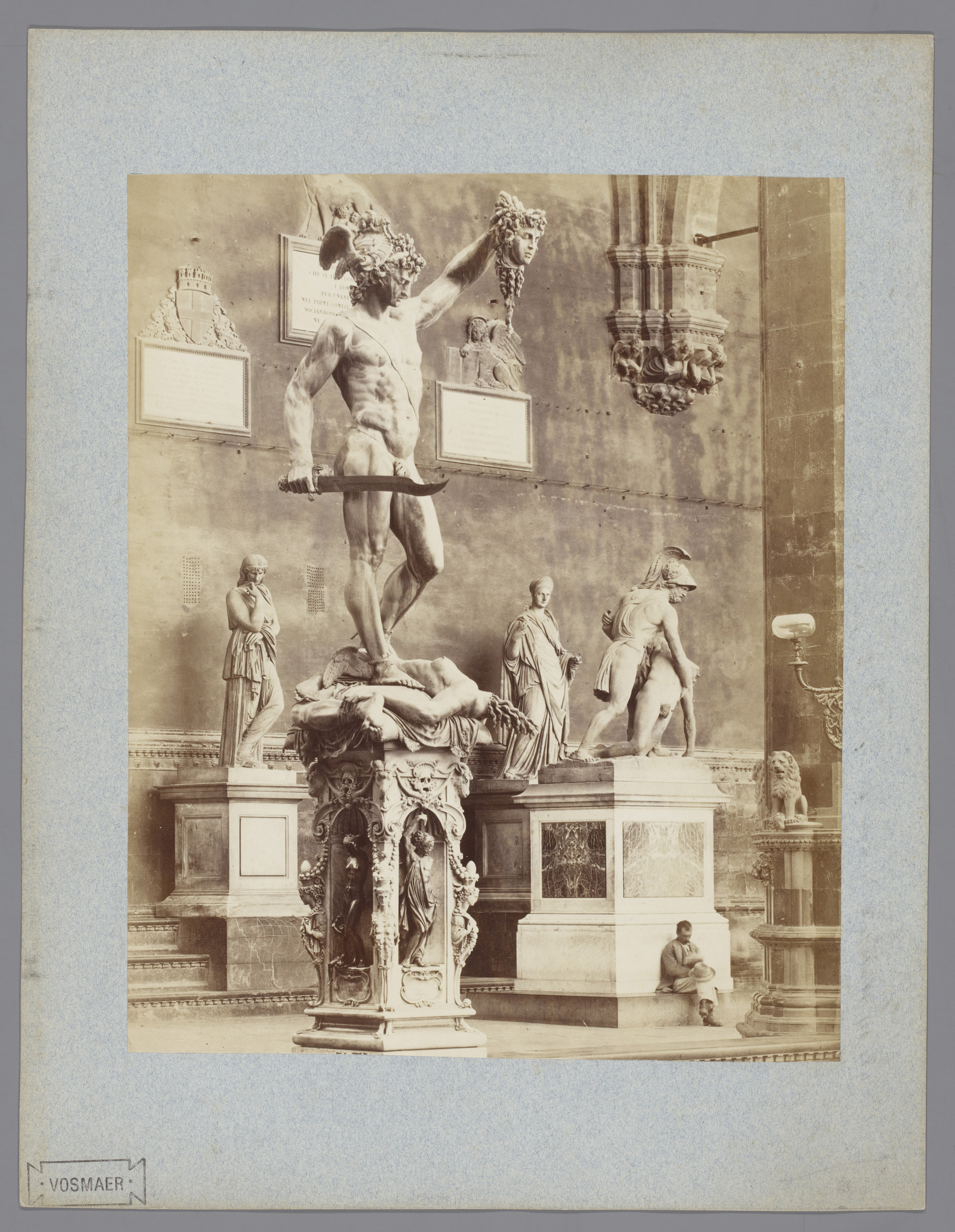
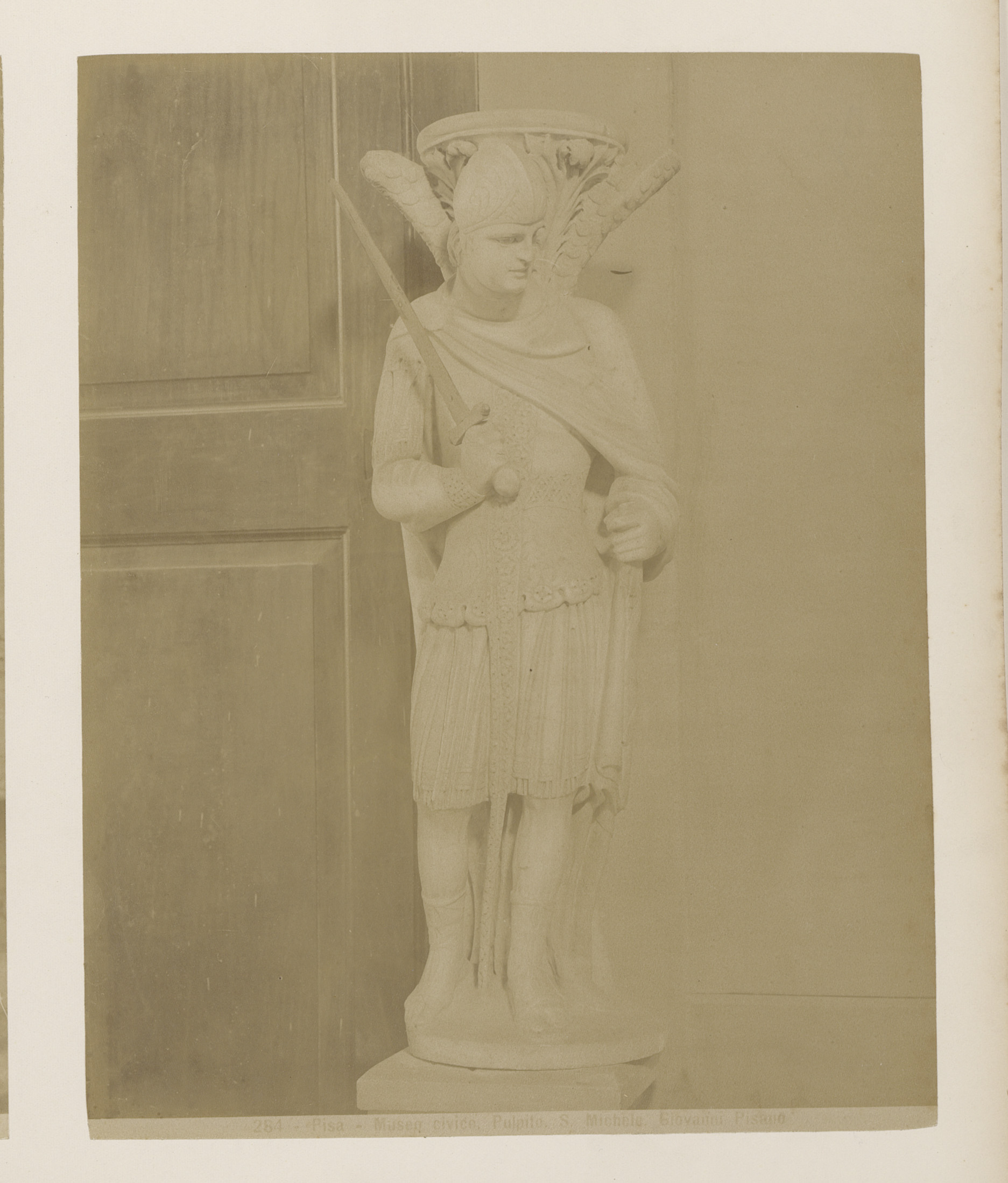
“Art reveals the soul when the world turns away.” In the quiet corners of the human experience lies a fragility that transcends time, captured poignantly in remarkable artistry. Look to the figure of Saint John the Baptist, poised with elegance in Sculptuur van Johannes de Doper. His smooth, marble form stands out against the rough texture of the nearby stone basin. Notice how the delicate play of light highlights the serene features of his face, casting subtle shadows that evoke both strength and vulnerability.
The soft, muted color palette enhances this duality, inviting the viewer to appreciate the lifelike quality that breathes emotion into cold stone. Yet, it is in the details where deeper meaning emerges. The gentle tilt of his head suggests a moment of contemplation, while the gesture of his hand, pointing upward, embodies a silent call to transcendence. The contrast between the solidity of the sculpture and the flowing water of the basin reflects the tension between permanence and impermanence—how divinity entwines with the fragility of existence.
Each droplet that falls carries fragments of time, enhancing the narrative of a sacred moment suspended in stillness. Created in Italy between 1860 and 1881, this piece showcases Giacomo Brogi's mastery during the resurgence of neoclassicism. At this time, artists sought to blend realism with idealized forms, striving to connect the divine with human fragility. Brogi's work reflects the cultural embrace of historic themes while simultaneously addressing the burgeoning movement toward personal expression in art.