Sculptuur van Romeinse figuur in de Vaticaanse Musea, Italië — History & Analysis
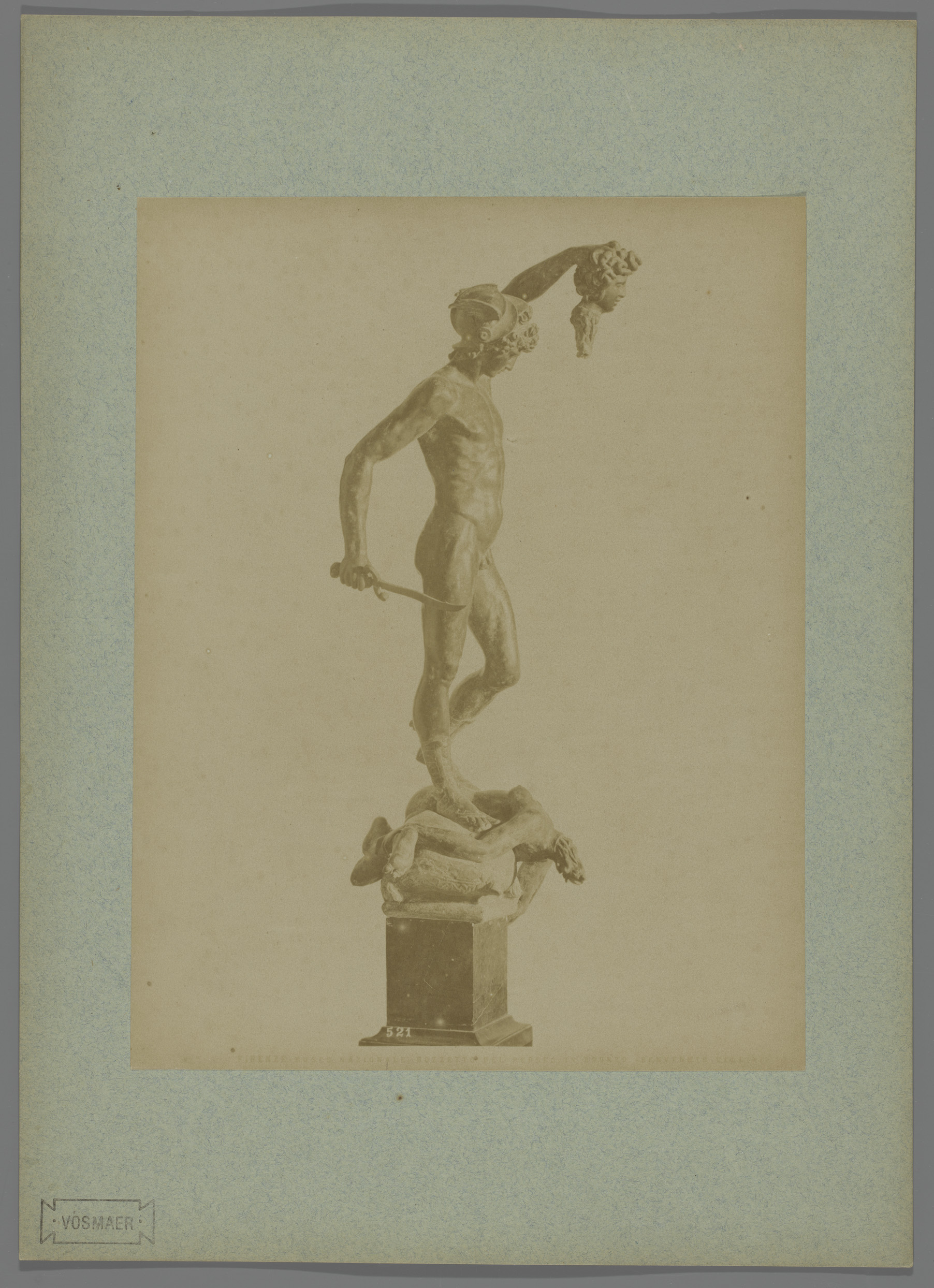
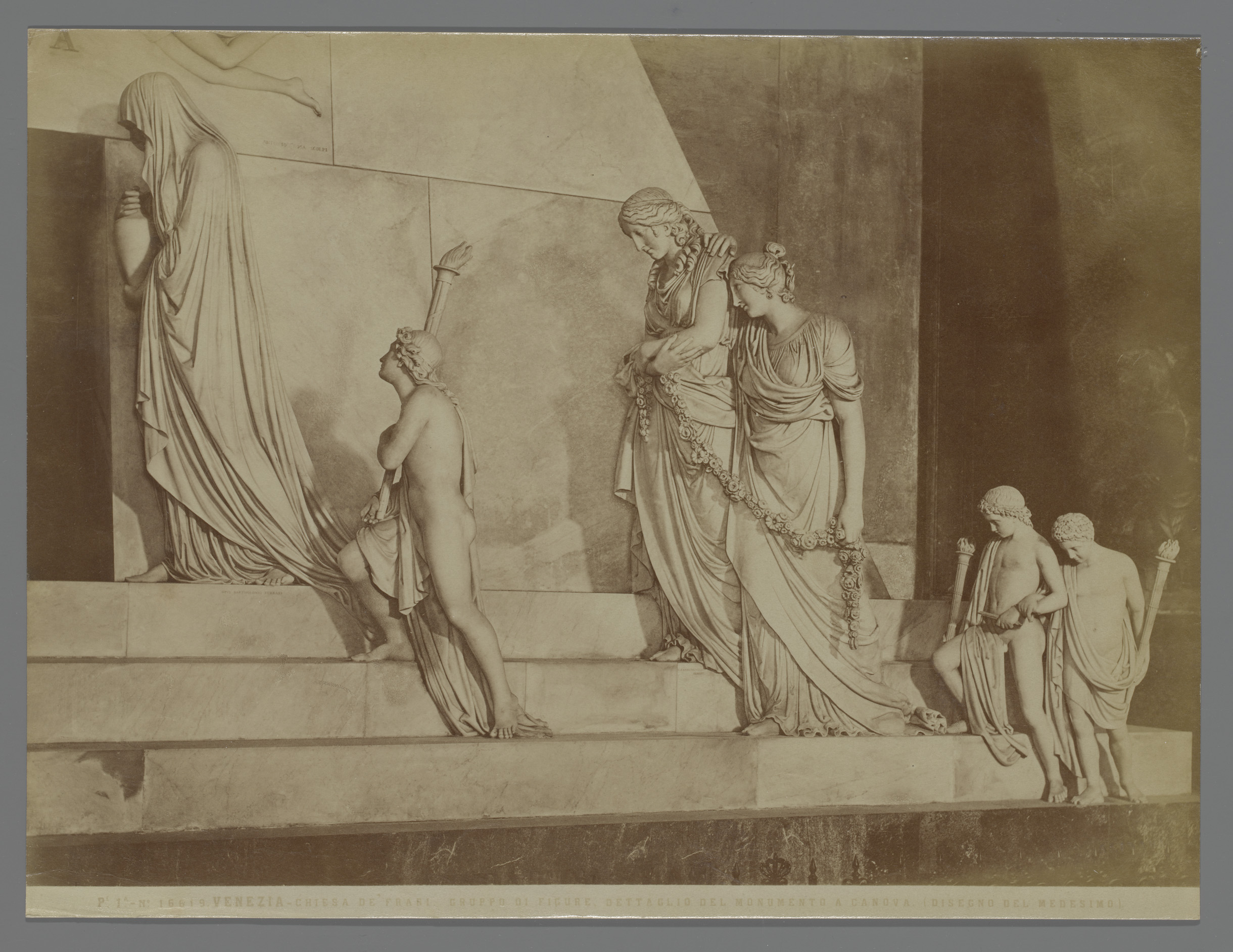
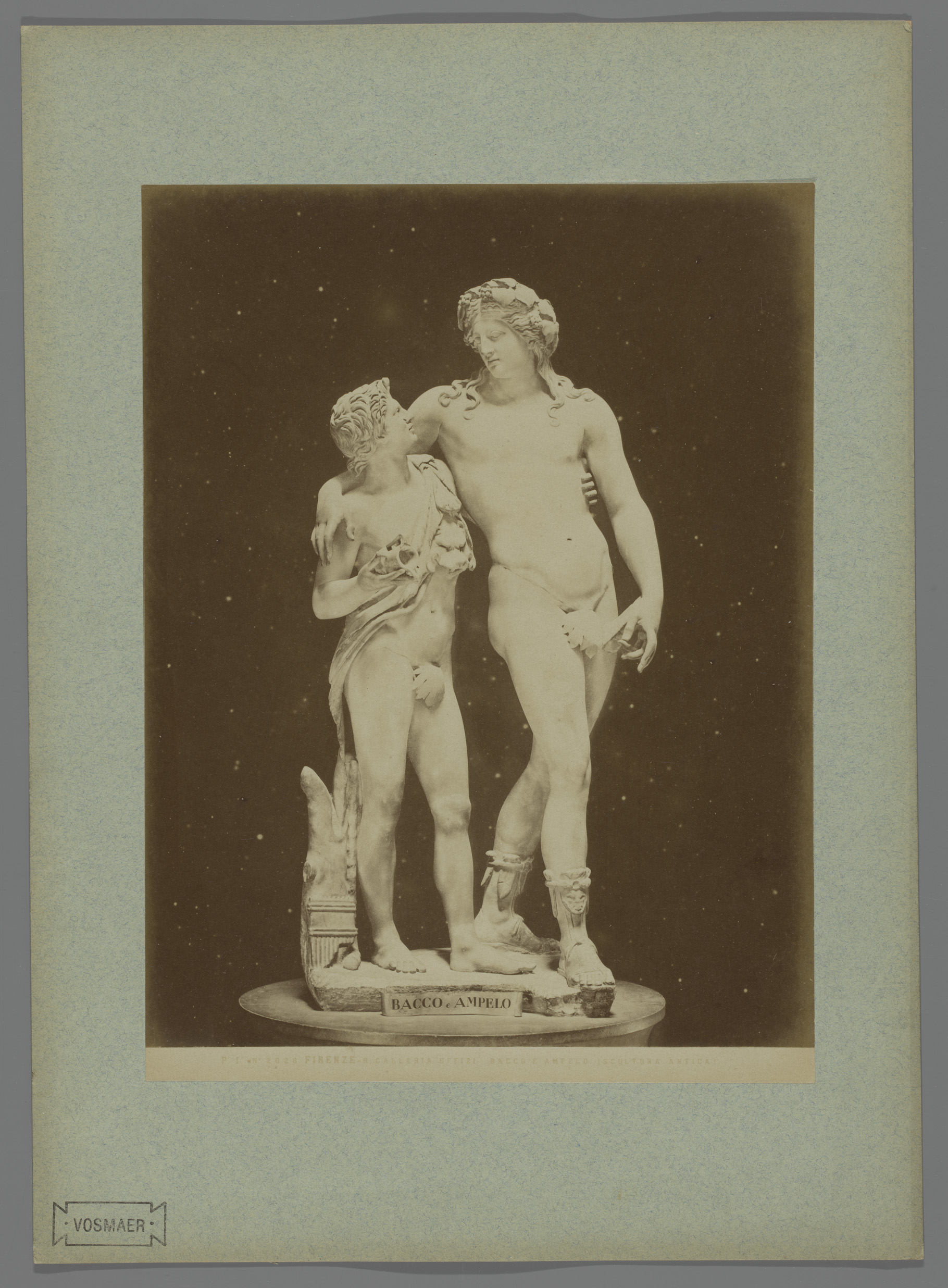
When did color learn to lie? In a world where shadows and light dance together, the essence of mortality whispers through the marble forms of history. Look closely at the figure's serene expression, the way the soft light caresses the contours of the sculpture. Notice how the delicate play of light highlights the intricate details of the drapery, revealing the craftsmanship of the artist.
The cool hues of the stone contrast with the warmth of the surrounding air, inviting viewers to consider not just the figure’s presence but its timelessness amidst the passage of years. As you explore further, the juxtaposition of the figure's stillness and the vibrancy of its environment becomes apparent. The lifelike quality of the sculpted features evokes a silent dialogue between the past and the present, elevating the almost sculptural reality of life itself. This tension between permanence and transience echoes through the silent halls of the Vatican Museums, where human aspiration meets the inevitability of decay.
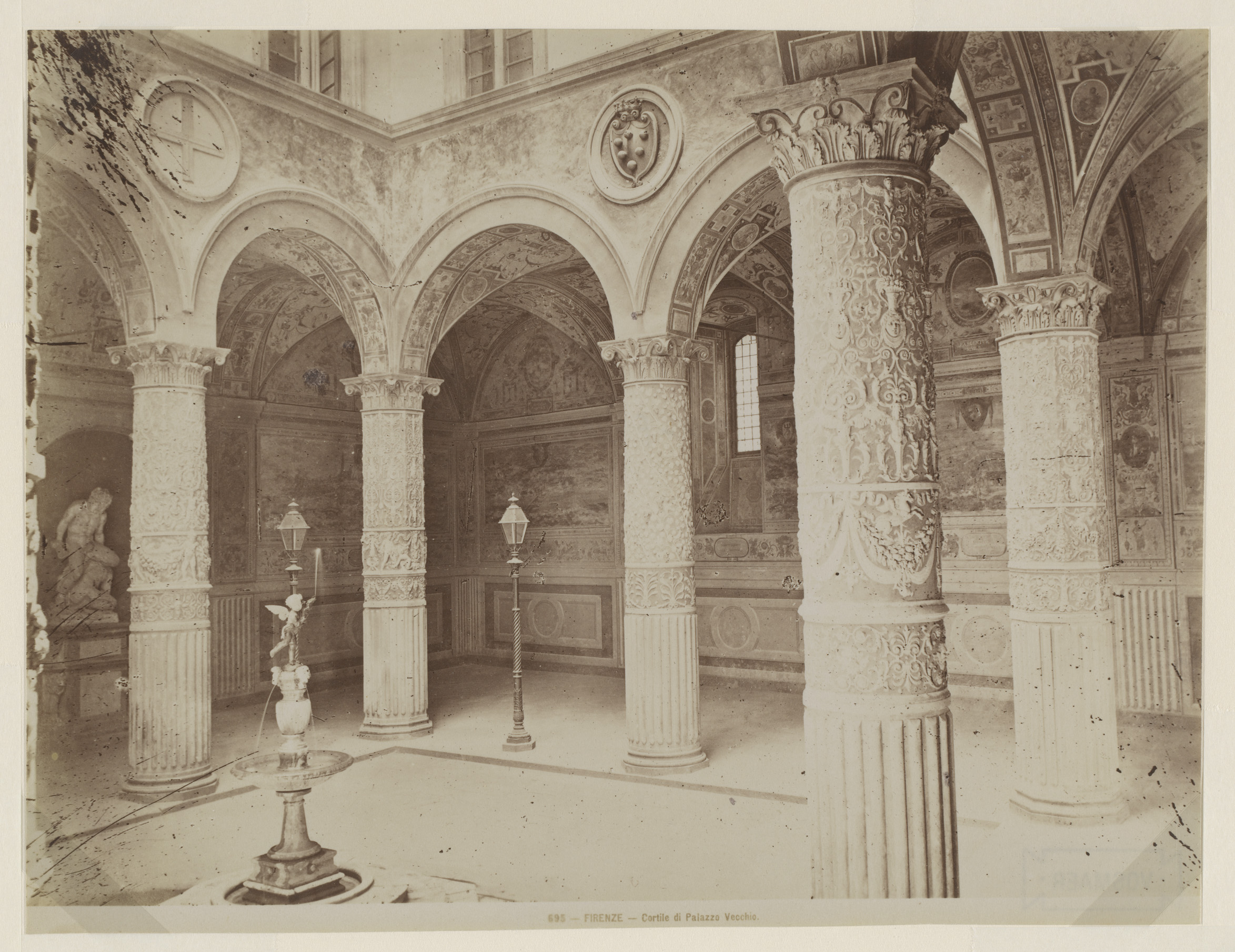
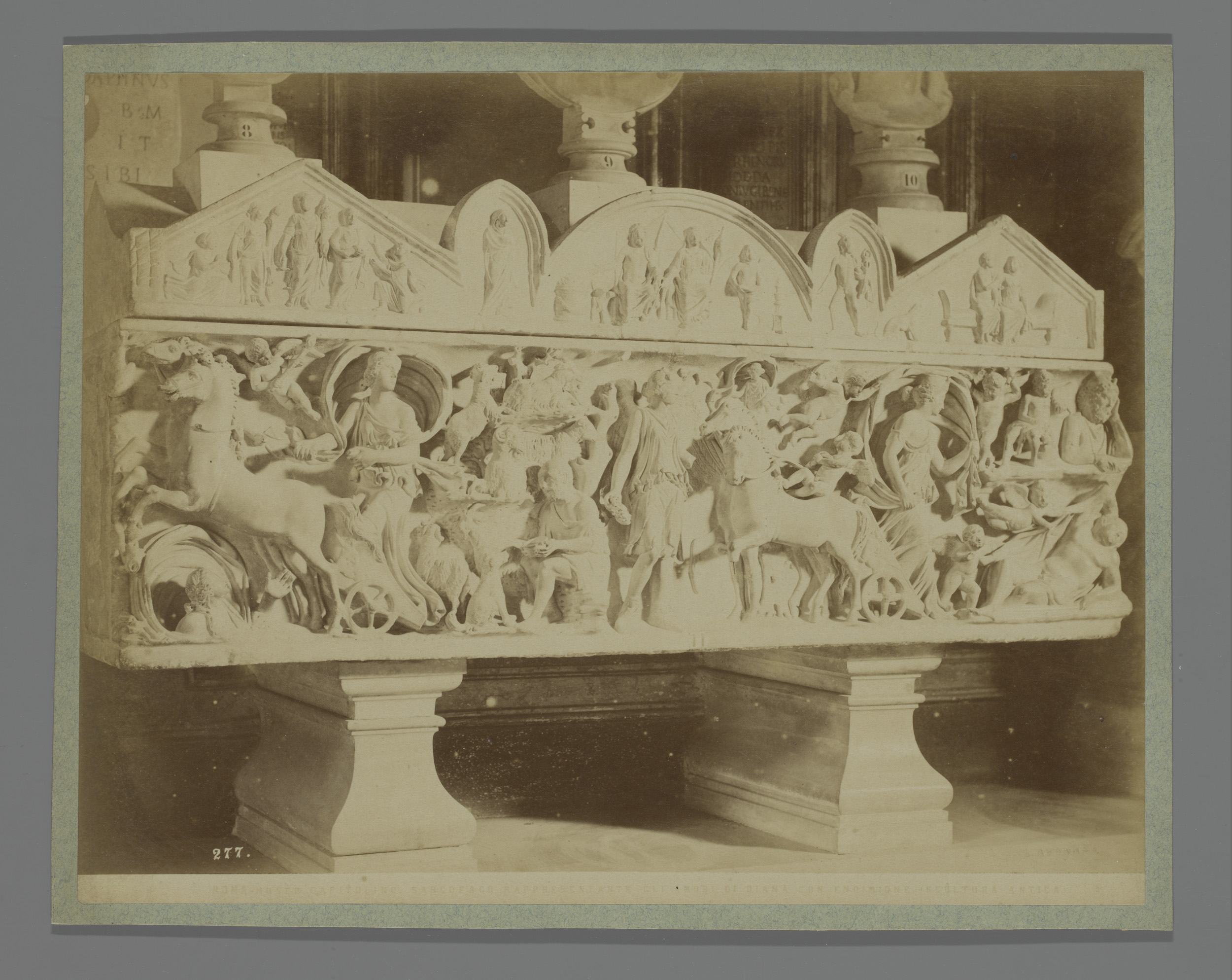
Created between 1852 and 1900, this work by Fratelli Alinari captures a moment of profound reflection amid the rapid changes in art and society. Emphasizing photography's emerging role in preserving history, Alinari and his brothers sought to encapsulate the beauty of classical forms during an era when Europe was grappling with modernity. As they documented the treasures of the Vatican, they challenged viewers to contemplate the relationship between art, memory, and mortality.