Seascape II — History & Analysis
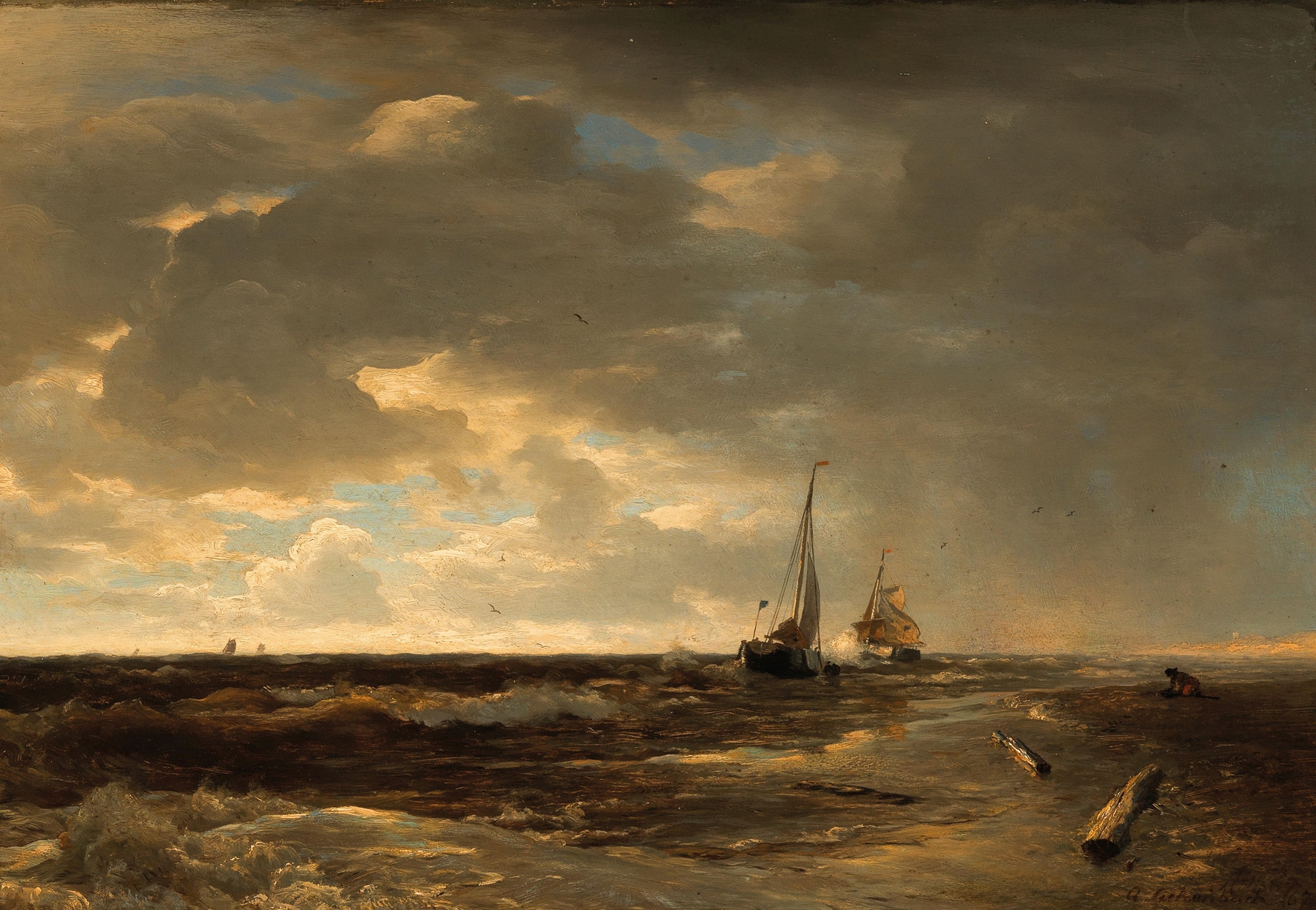
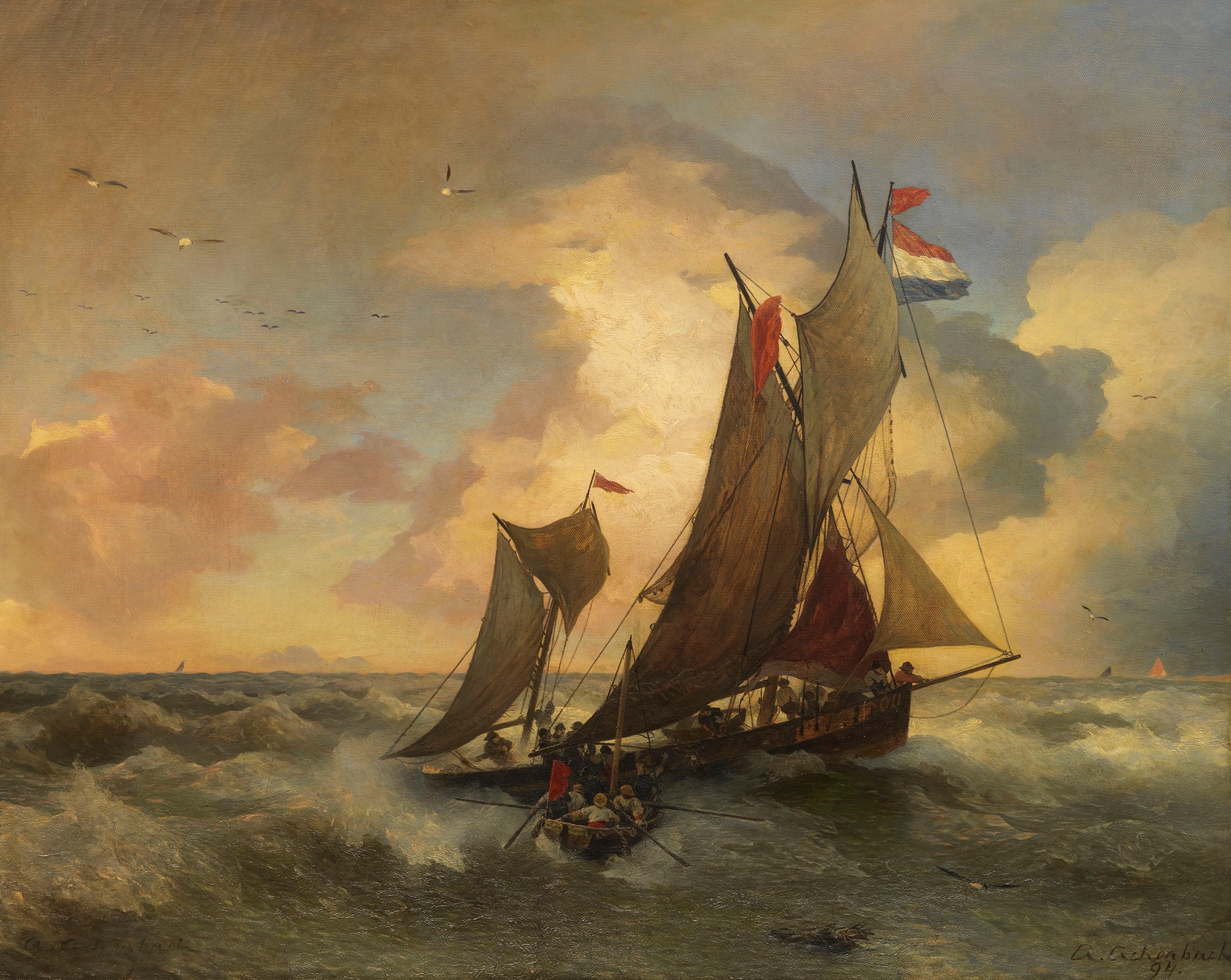
“The canvas doesn’t lie — it simply waits.” In the quietude of observation, it reveals whispers of decay and transience that echo through time. What stories lie beneath the gentle waves? What lives have been touched by the merciless march of the tides? Look to the horizon where the sea meets the sky, a marriage of hues that dance in ethereal blues and grays.
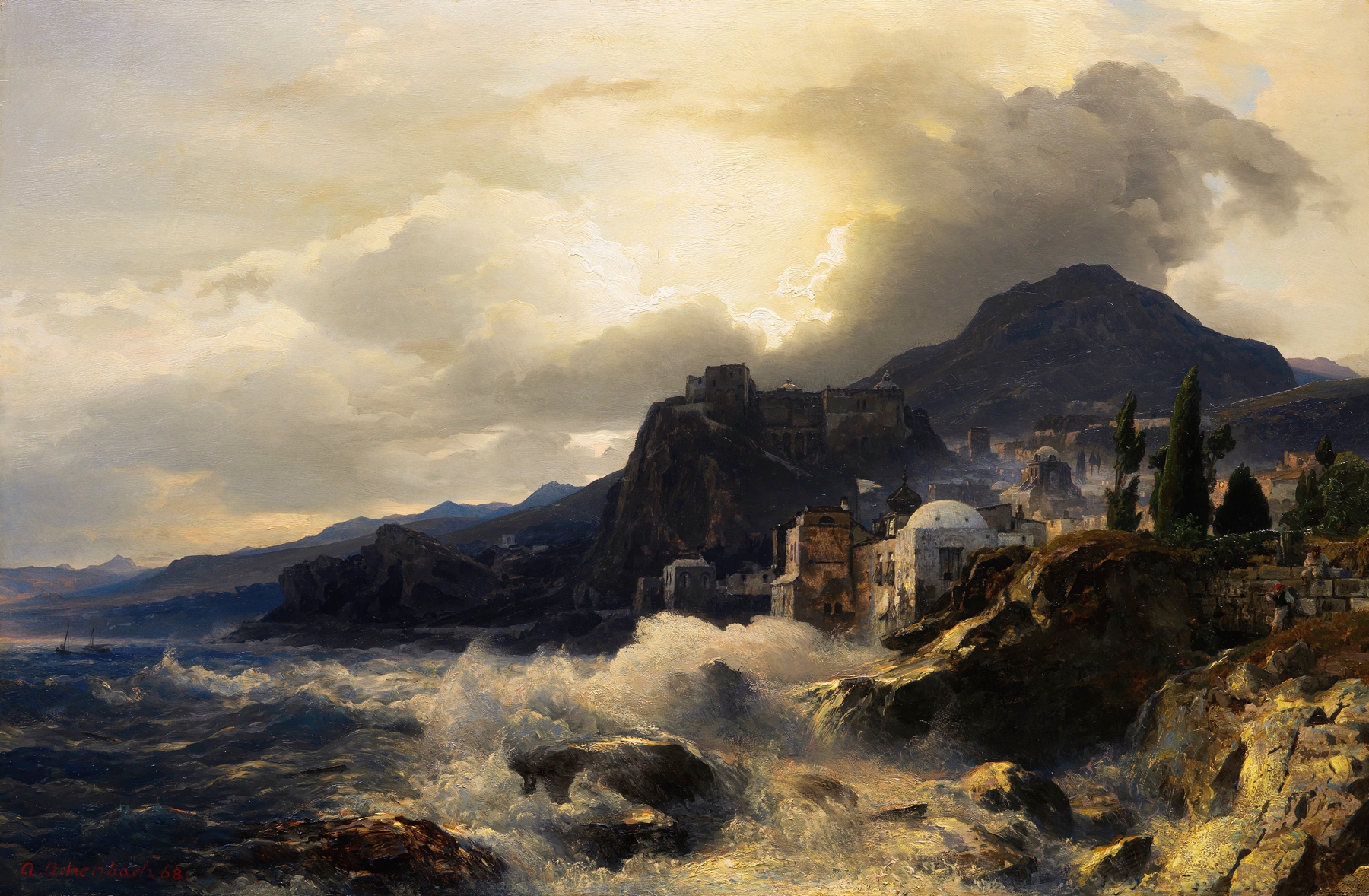
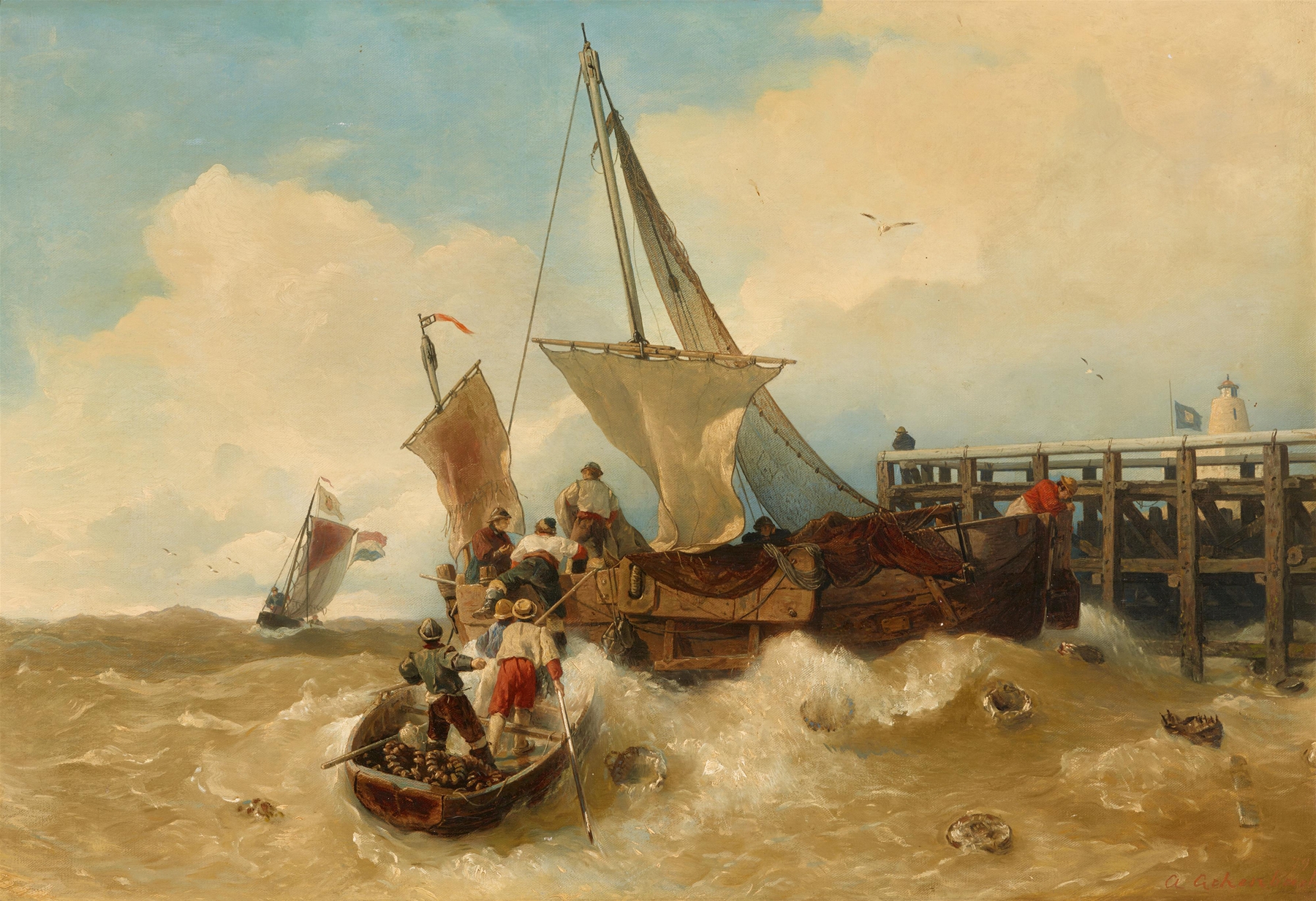
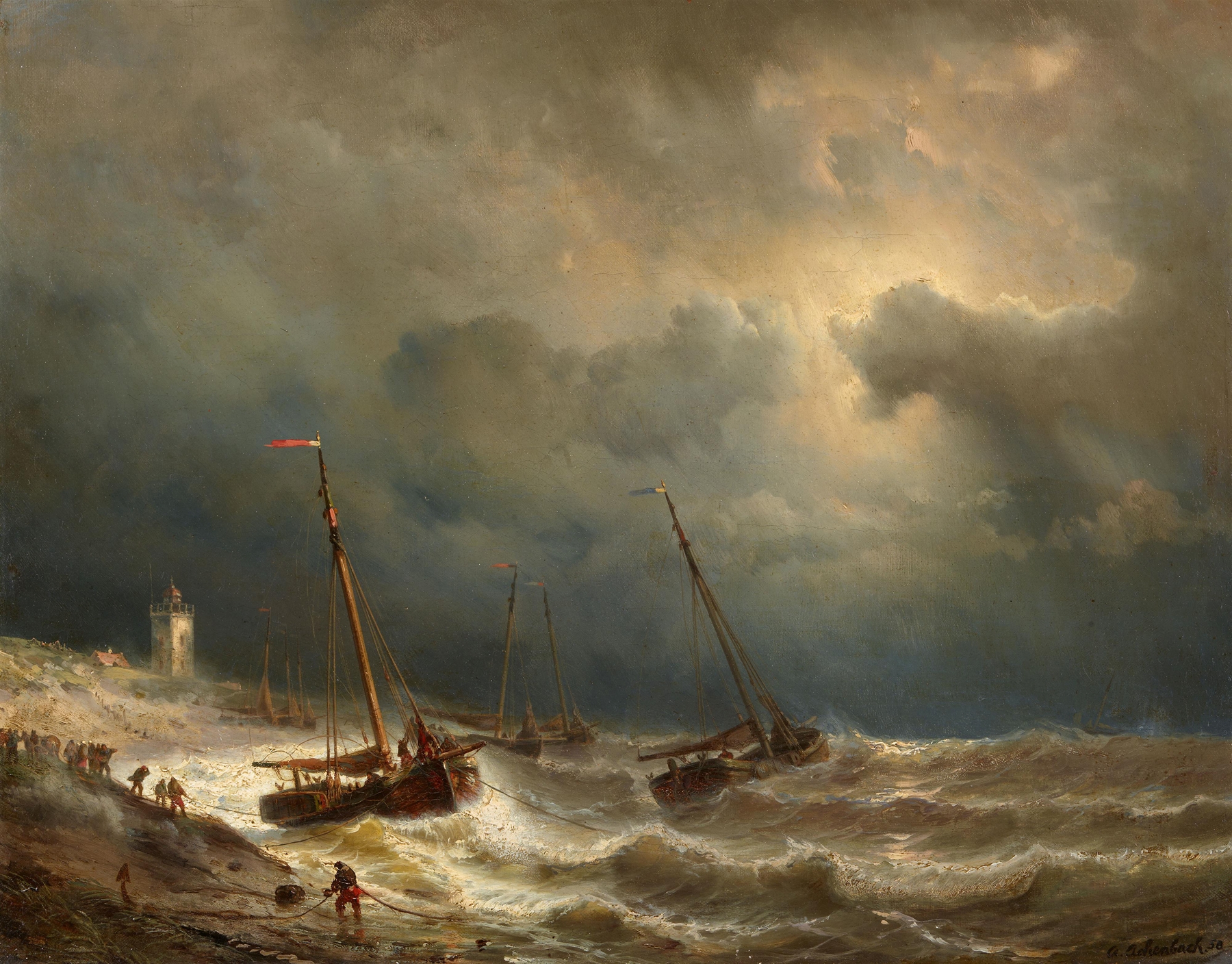
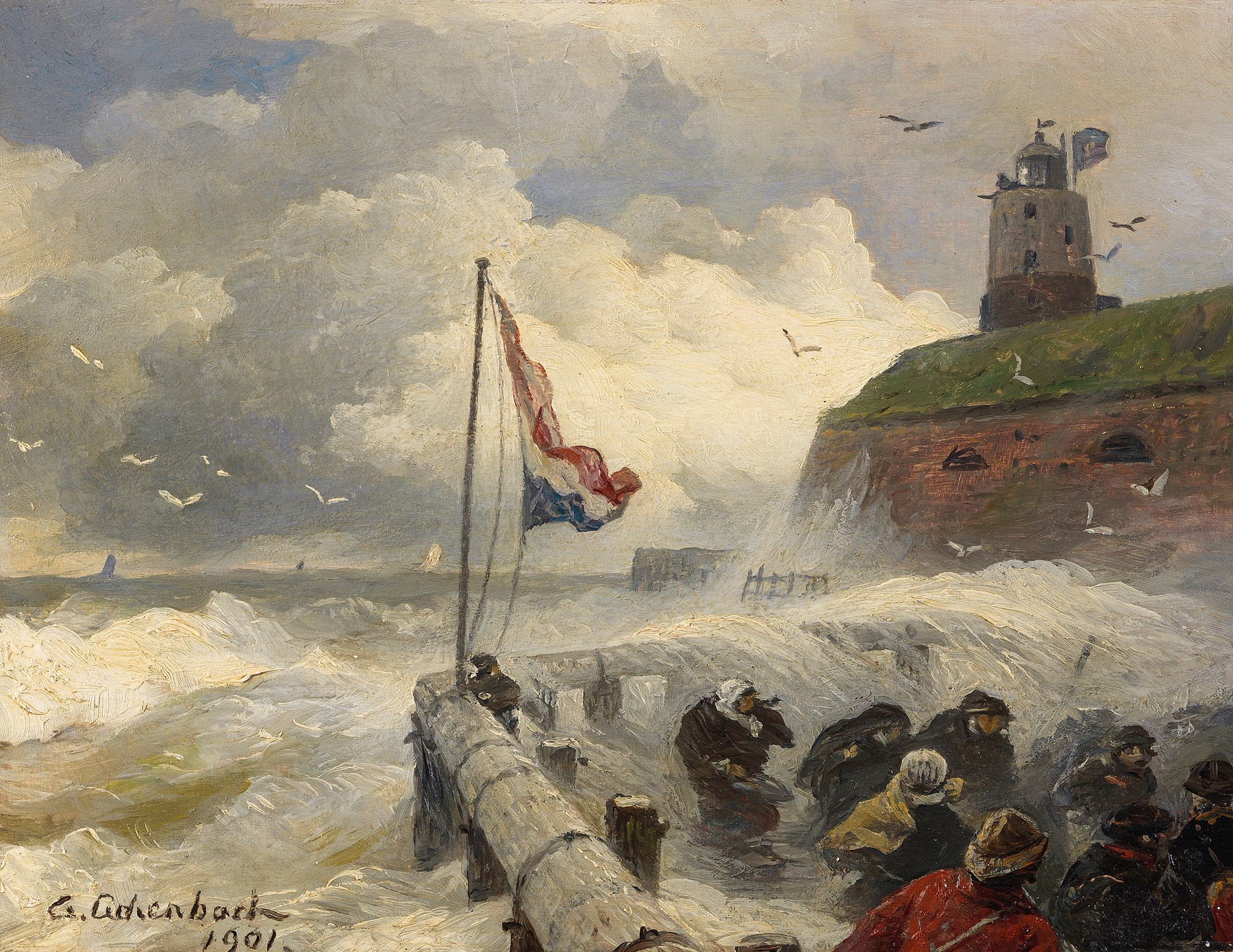
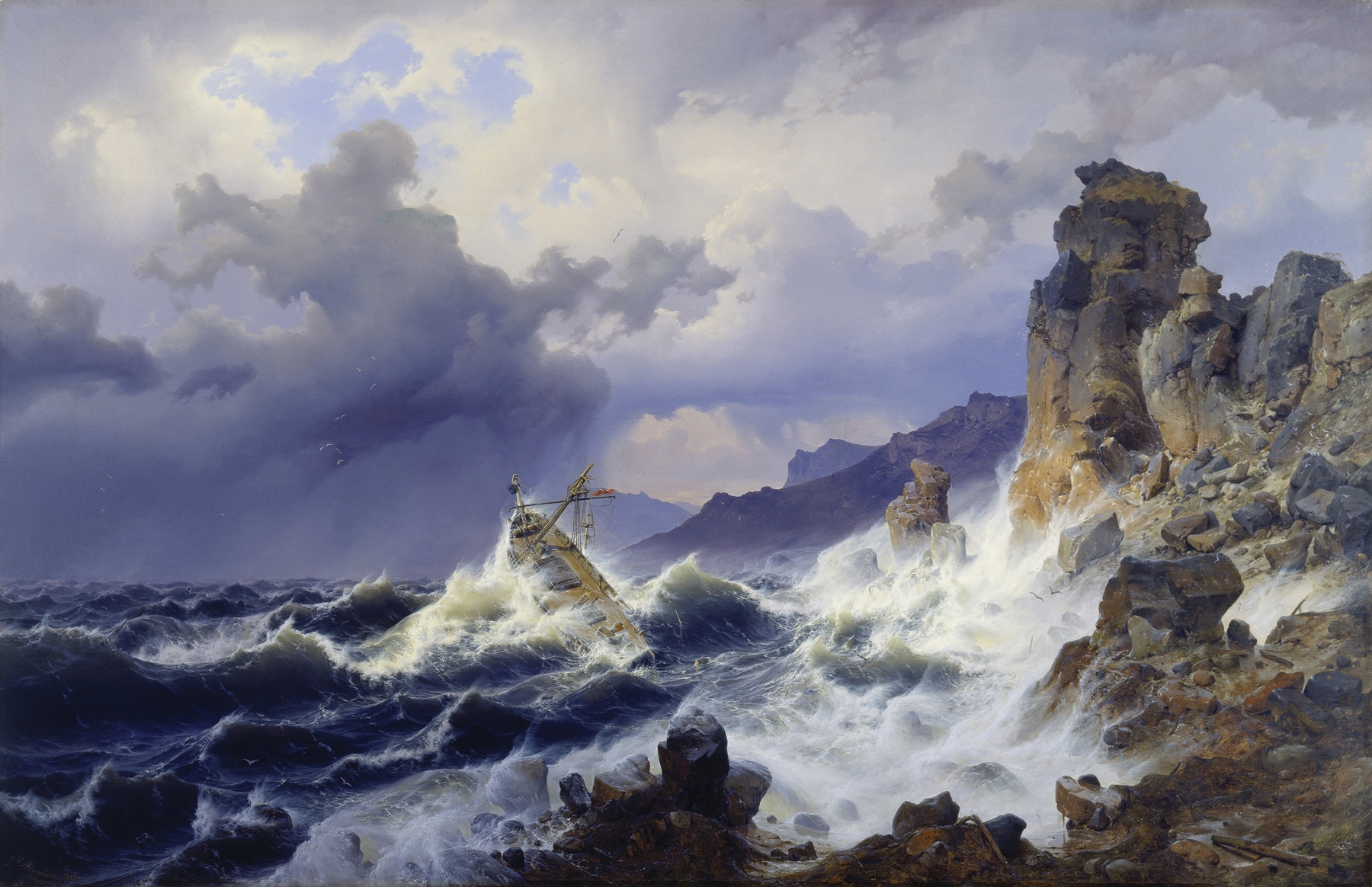
The painter's brushstrokes capture not just the beauty of the water, but the depth of its character; the rolling waves, with their delicate foam, beckon the eye, while the fleeting light casts a shimmering glow over the surface — a reminder of nature’s ephemeral magnificence. The golden tones in the foreground suggest warmth, yet they are tinged with an underlying sense of loss, as if the sun too is aware of the inevitable decay that time brings. Hidden in the subtle contrasts of color and texture, Achenbach explores the tension between beauty and deterioration. The tranquil scene is underpinned by a sense of unrest; the waves, though serene, threaten to erode the land, symbolizing the relentless passage of time.
Lurking in the gentle lapping of water against the shore is a poignant acknowledgment of nature's power to both create and consume, leaving the viewer with a bittersweet recognition of life's fleeting moments. In 1894, Achenbach painted Seascape II amidst a burgeoning movement of Romanticism, a period that sought to elevate the sublime in nature. Living in Germany, he was deeply influenced by the shifting perspectives in art, reflecting a growing concern for the natural world in the face of industrial change. This work embodies both the beauty that mesmerizes and the decay that awaits, encapsulating the artist's intricate relationship with the landscapes he cherished.