Seeon — History & Analysis
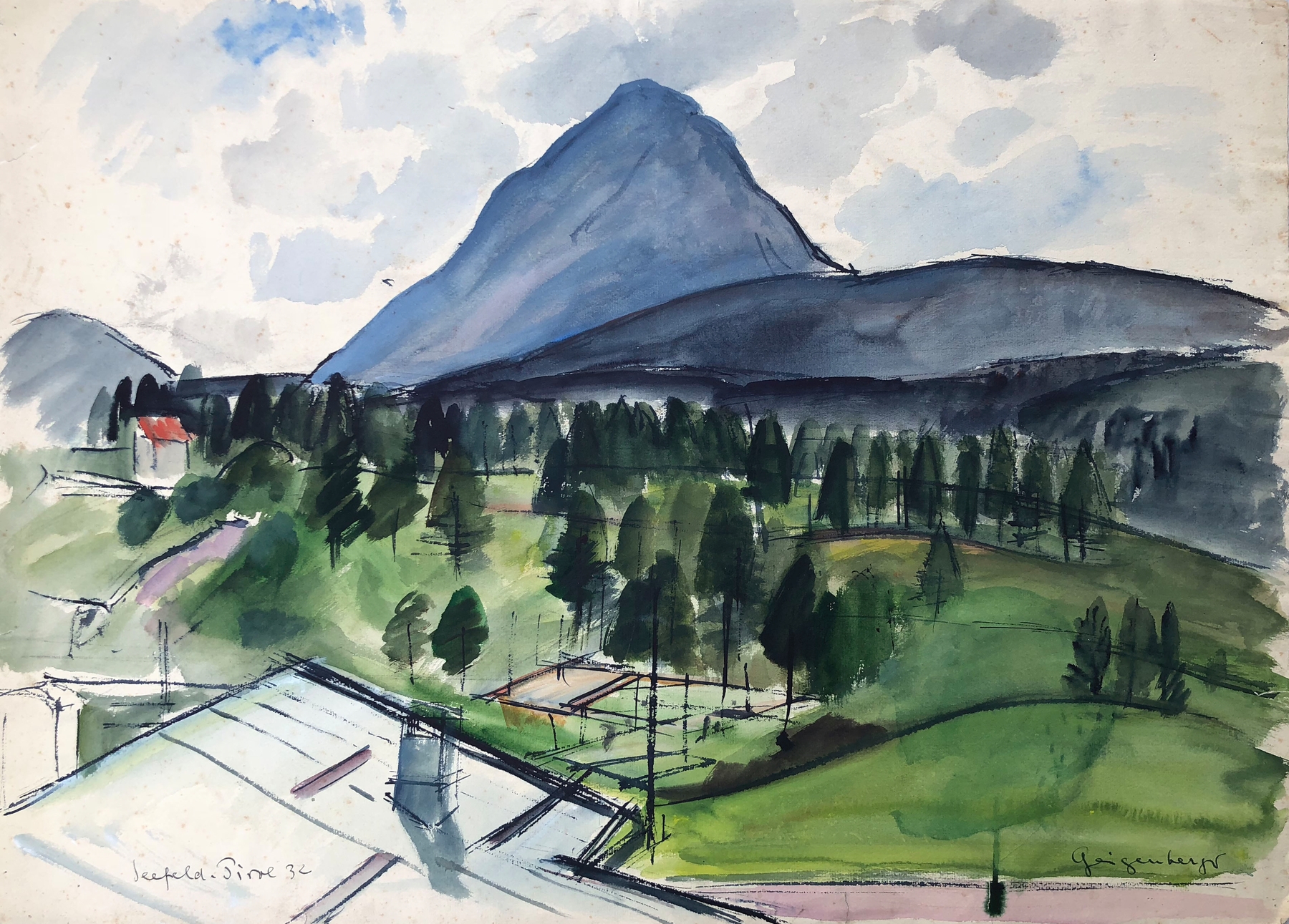
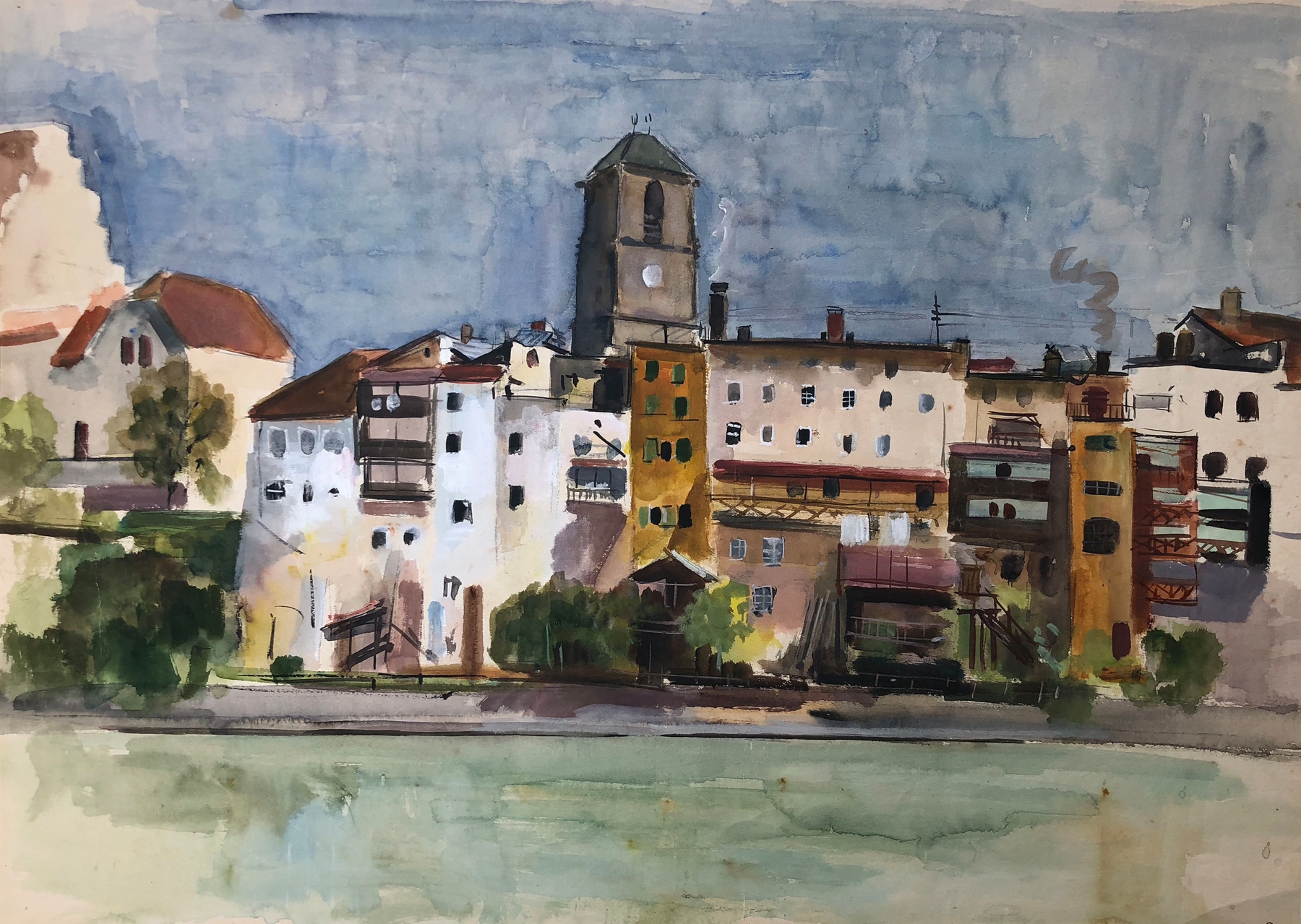
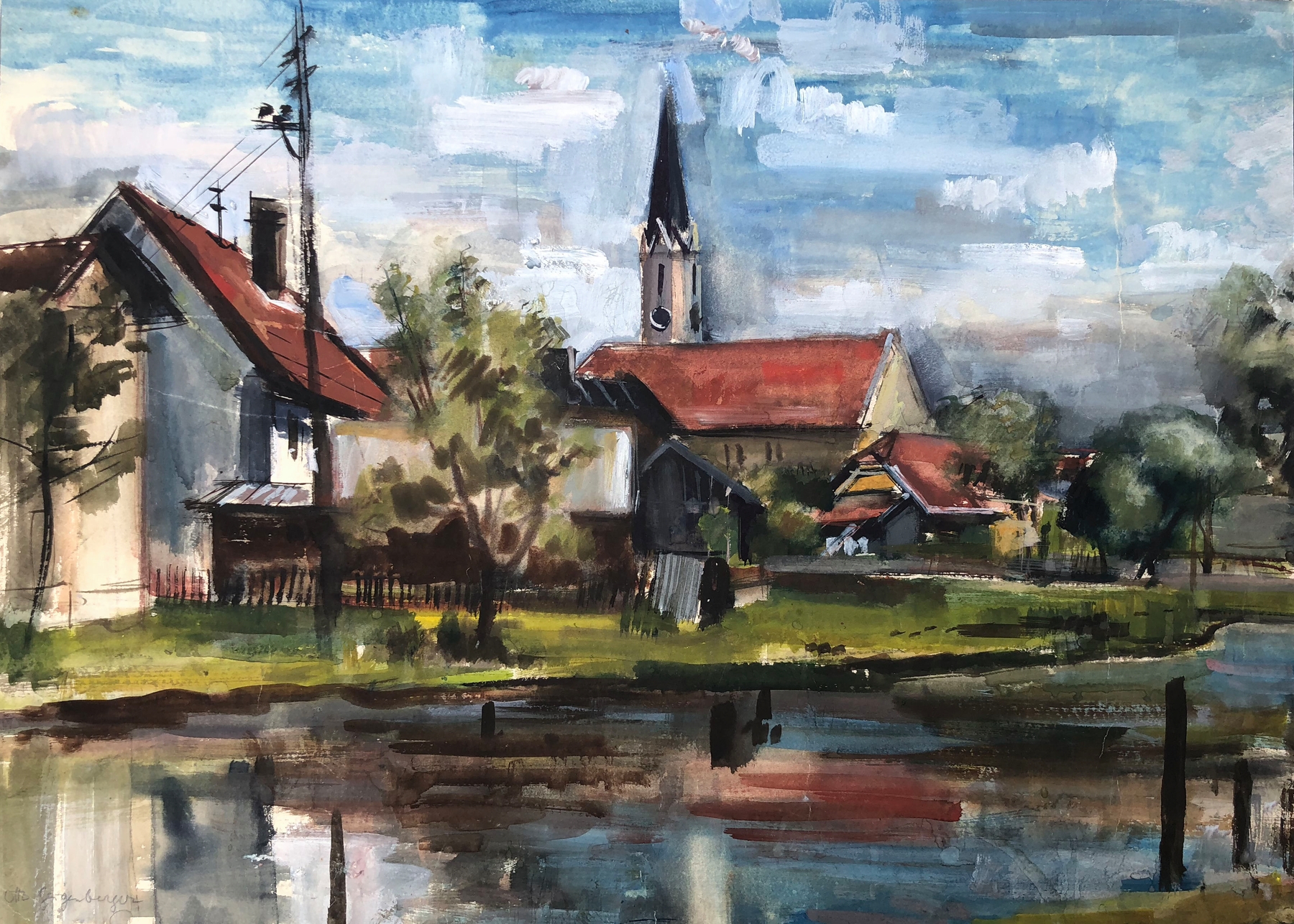
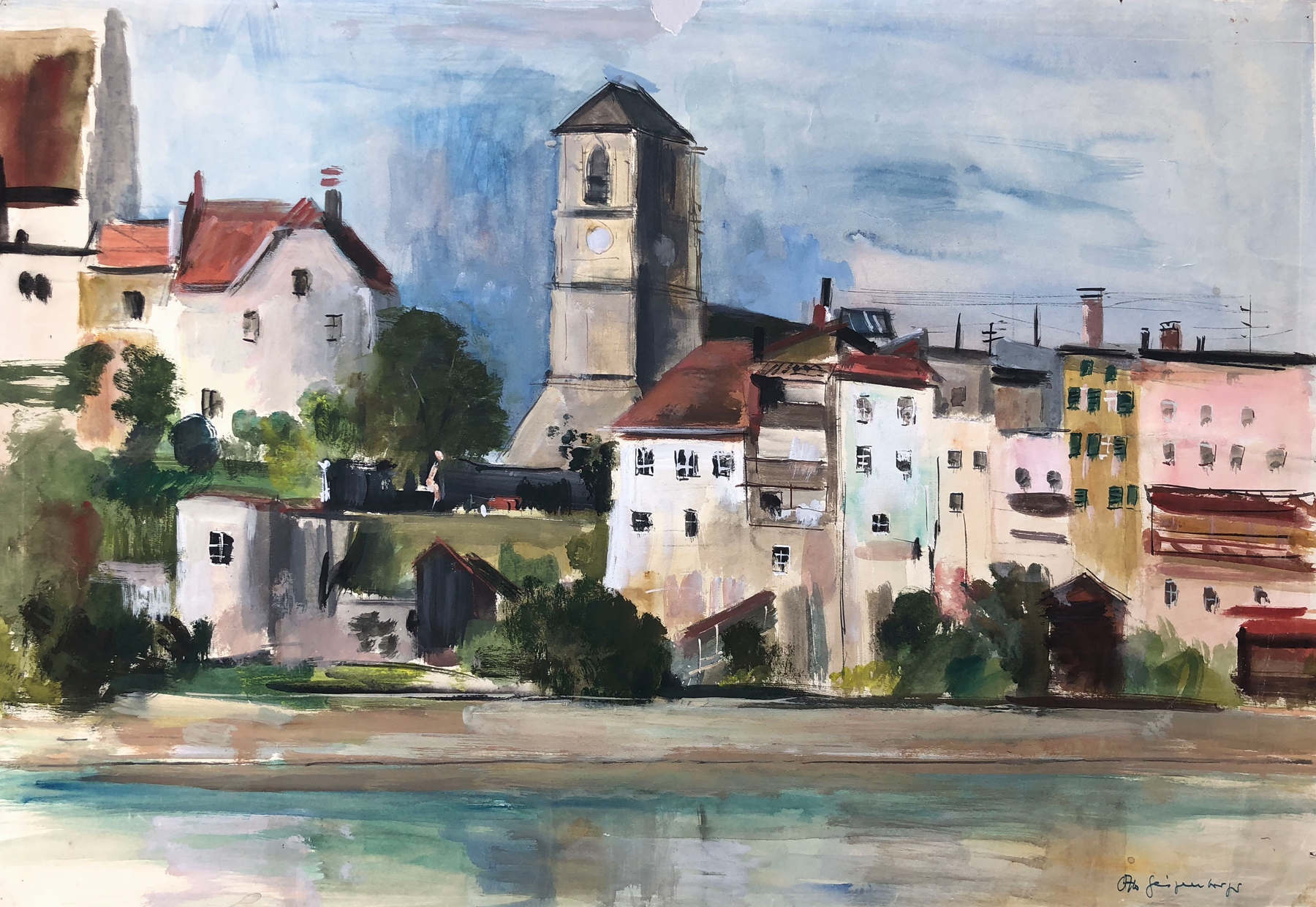
“To paint is to remember what time wants us to forget.” In the swirling depths of memory, innocence persists like fragile petals caught in a breeze. How does one capture the essence of light and shadow, the fleeting moment of purity that resides in us all? Look closely at the luminous background of Seeon, where soft hues of blue and gold come together in a delicate dance. The composition draws your eye toward the serene figures at the forefront, their gentle gestures and expressions inviting contemplation.
Notice how the nuanced brushwork creates a sense of depth, allowing the ethereal glow of the landscape to spill onto the characters, casting a warm embrace that signifies hope amidst uncertainty. In the subtle contrasts between the idyllic setting and the hint of tension in the figures’ poses, there lies a complex interplay of nostalgia and longing. Their innocence is palpable, evoking a bittersweet feeling, as if they are caught between the beauty of the moment and the inevitable passage of time.
The artist’s choice to render the scenery in soft, muted tones further emphasizes a longing for a simpler, untainted existence, while the delicate details whisper the stories of childhood innocence. Created in 1939, Seeon reflects Otto Geigenberger's desire to showcase serenity against a backdrop of rising turmoil in Europe. As nations teetered on the brink of war, he sought solace in the pastoral scenes of his homeland, illustrating a yearning for peace and harmony during an increasingly chaotic era in art history.