Ships in Distress on a Rocky Coast — History & Analysis
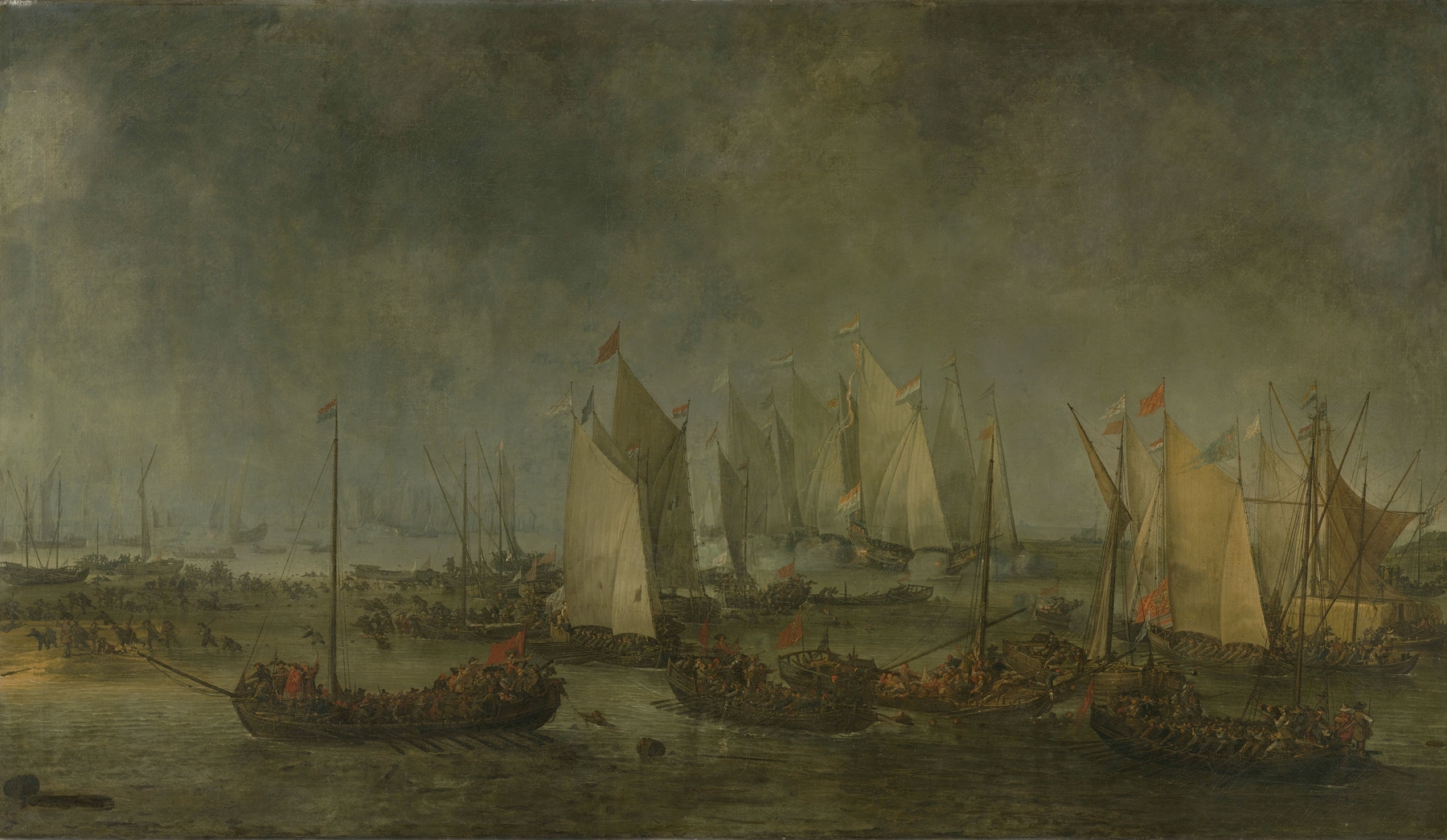
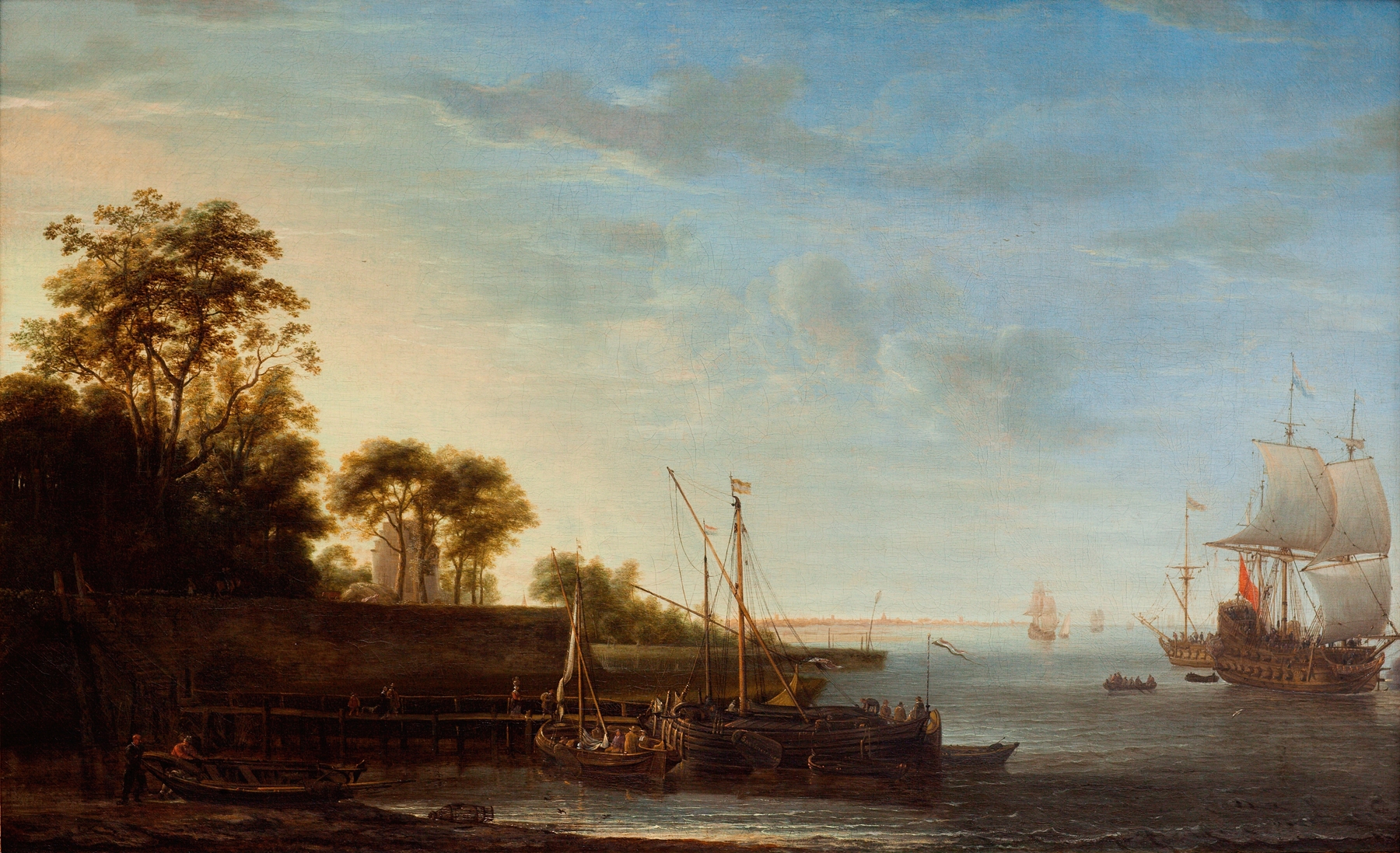
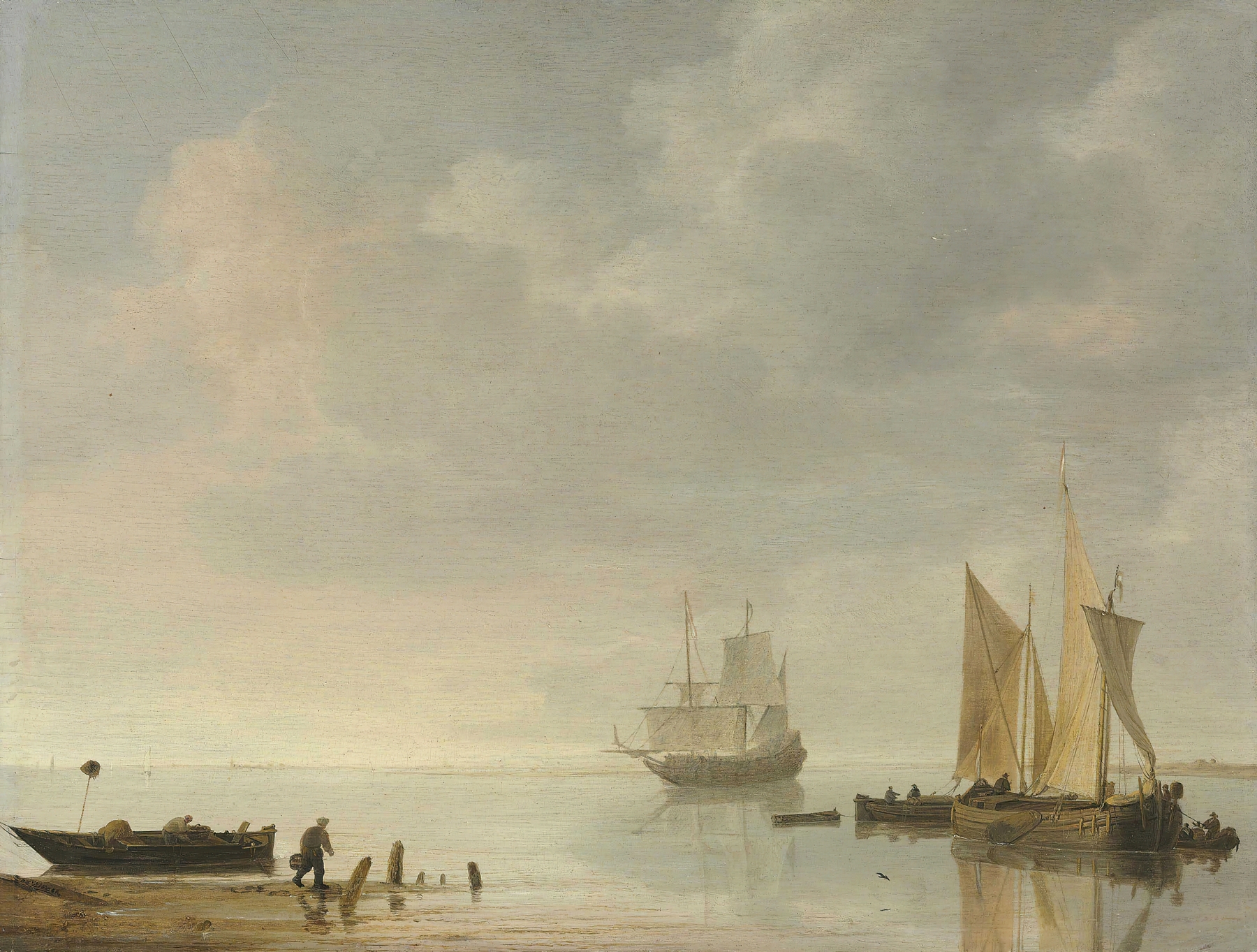
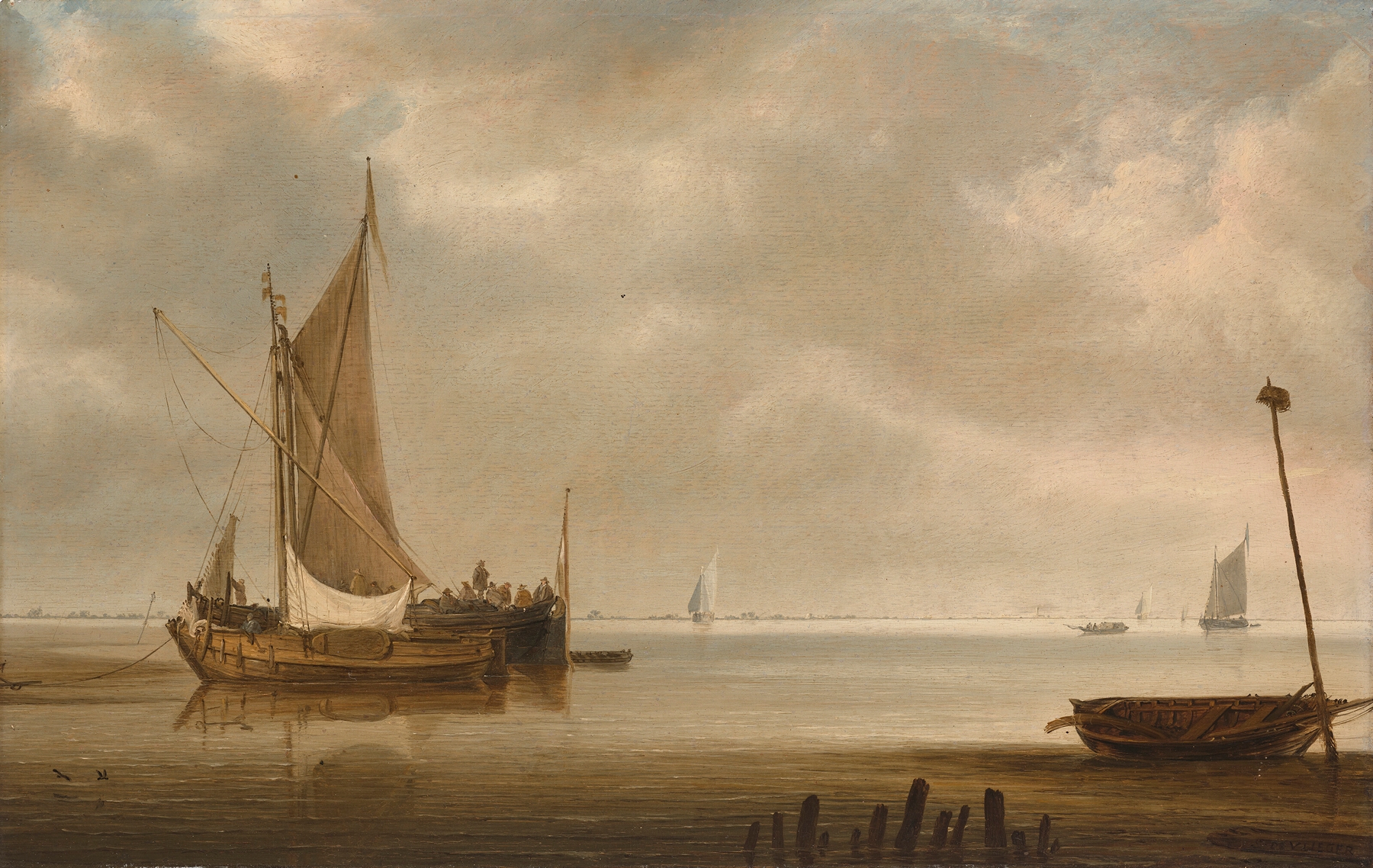
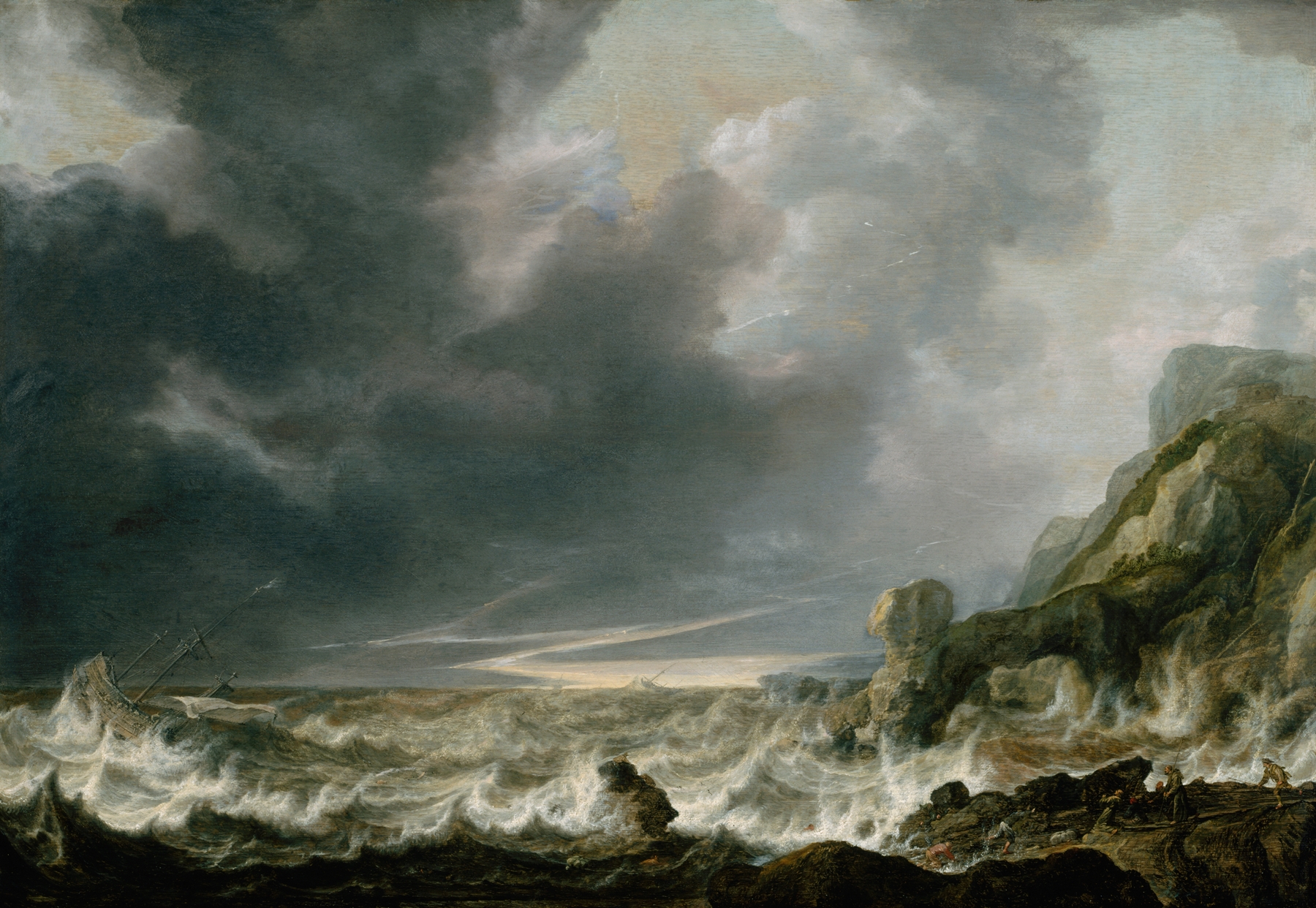
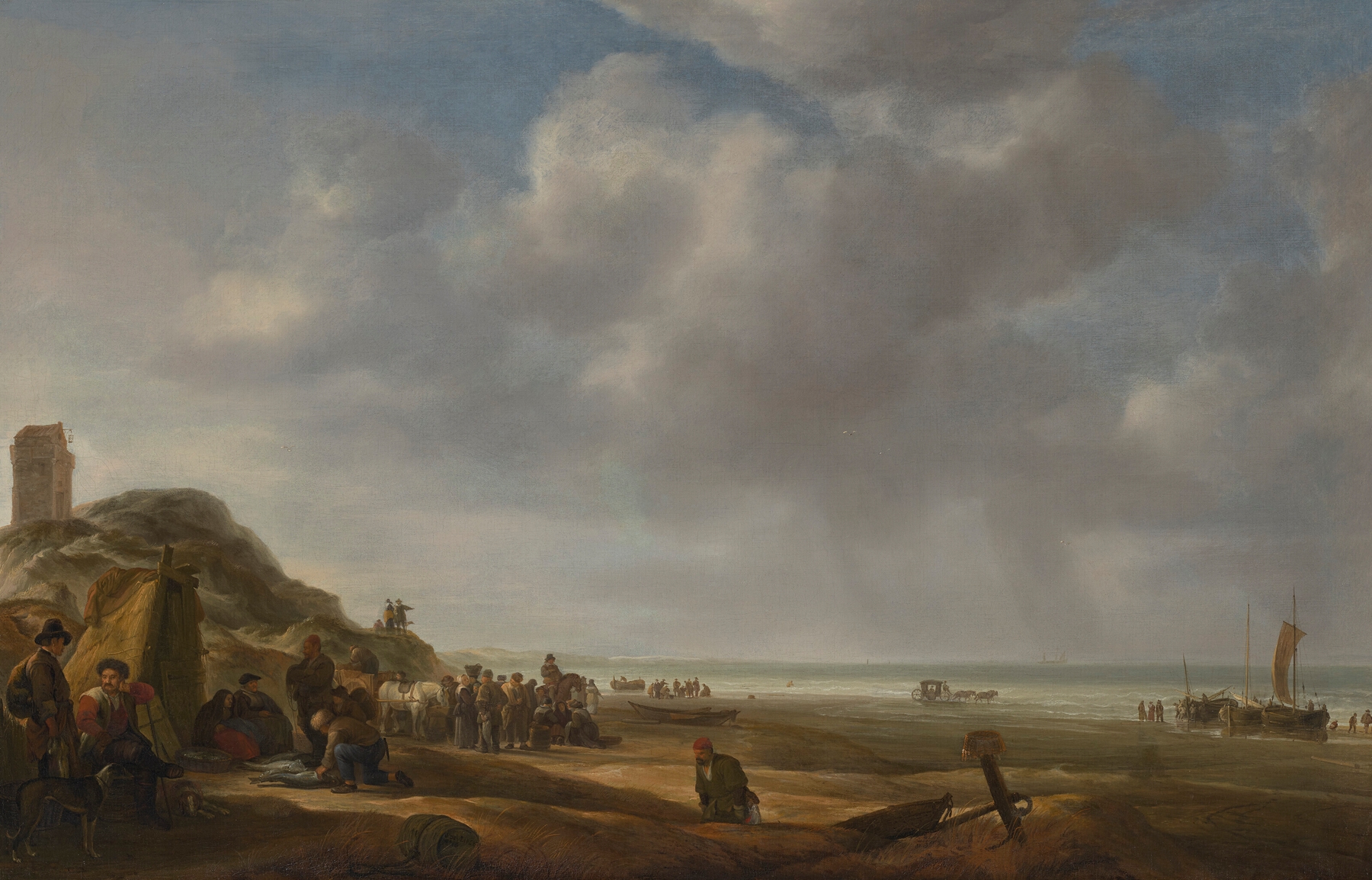
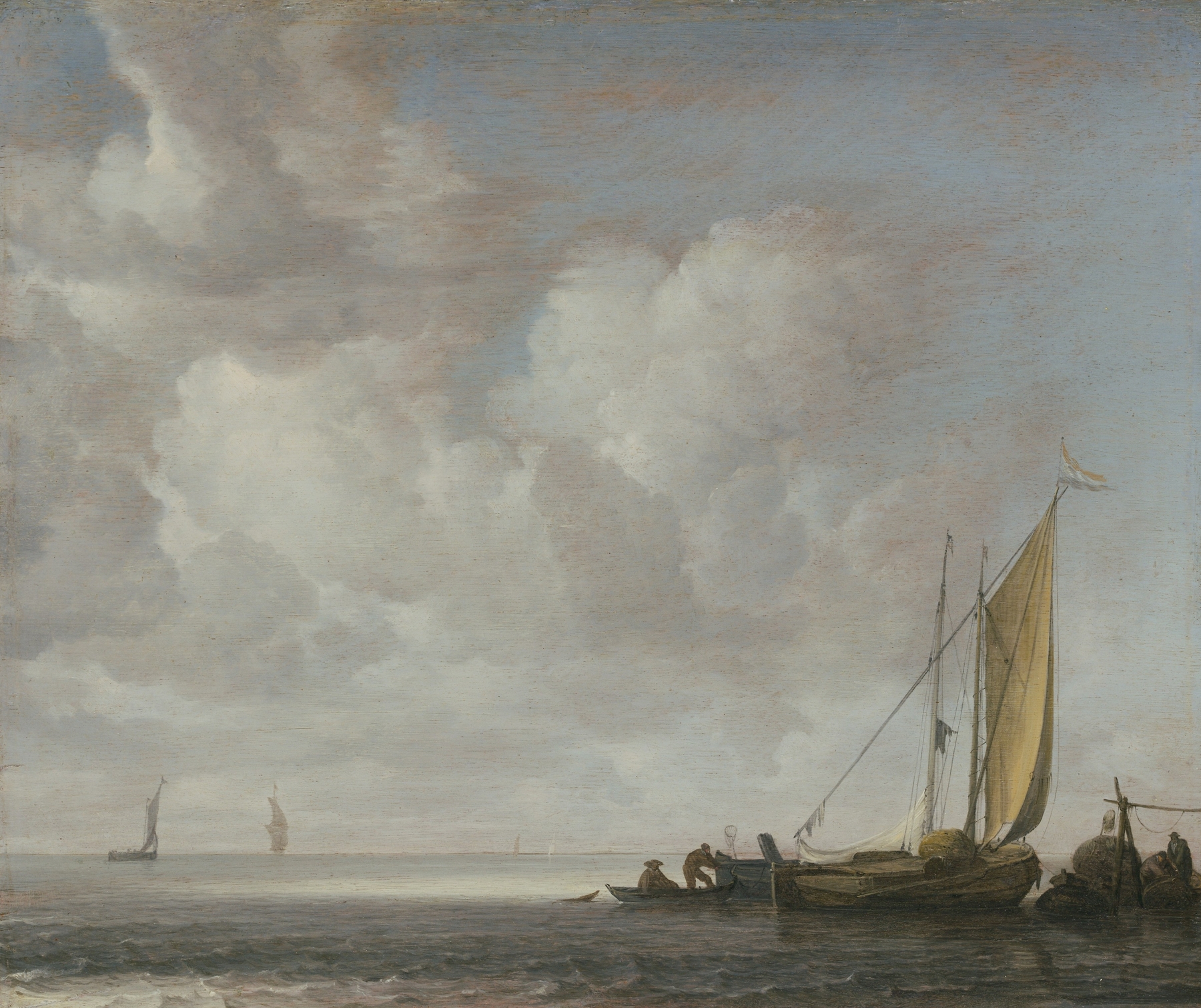
Did the painter know this moment would outlive them? In Ships in Distress on a Rocky Coast, loneliness pierces the tumultuous sea, echoing the transient nature of human struggle against nature’s indifference. Look to the left at the battered ships, their sails torn and flapping desperately in the wind, as waves crash violently against jagged rocks. Notice how the artist employs a muted palette of greys and blues, evoking a sense of foreboding. The heavy brushstrokes create a sense of movement, drawing your eye to the chaotic waves that threaten to engulf the vessels.
The stark contrast between the stormy sky and the bracing sea emphasizes the tension of survival, while the starkness of the scene imparts an eerie stillness amid the chaos. Underneath the surface, the painting speaks of isolation and the human condition. The distant horizon, with its faint glimmers of light, symbolizes hope yet remains unattainable, reflecting the struggle between despair and perseverance. The tumultuous waves can be seen as a metaphor for the relentless challenges individuals face, suggesting a profound sense of solitude even in the midst of a crowded, chaotic world.
Each ship, battered and struggling, tells a story of resilience laced with hopelessness, underscoring the fragile balance between man and nature. Simon de Vlieger created this work around 1630, during a period when Dutch marine painting was flourishing. At that time, the Netherlands was experiencing both economic prosperity and an artistic revival, yet the tumultuous seas remained a constant reminder of nature's power and man's vulnerability. De Vlieger's keen observation skills and emotional depth reflect his surroundings, capturing not just the physical storm but also the existential battles faced by humanity.