Shipwreck of the Greek Fleet on the Voyage Home from Troy — History & Analysis
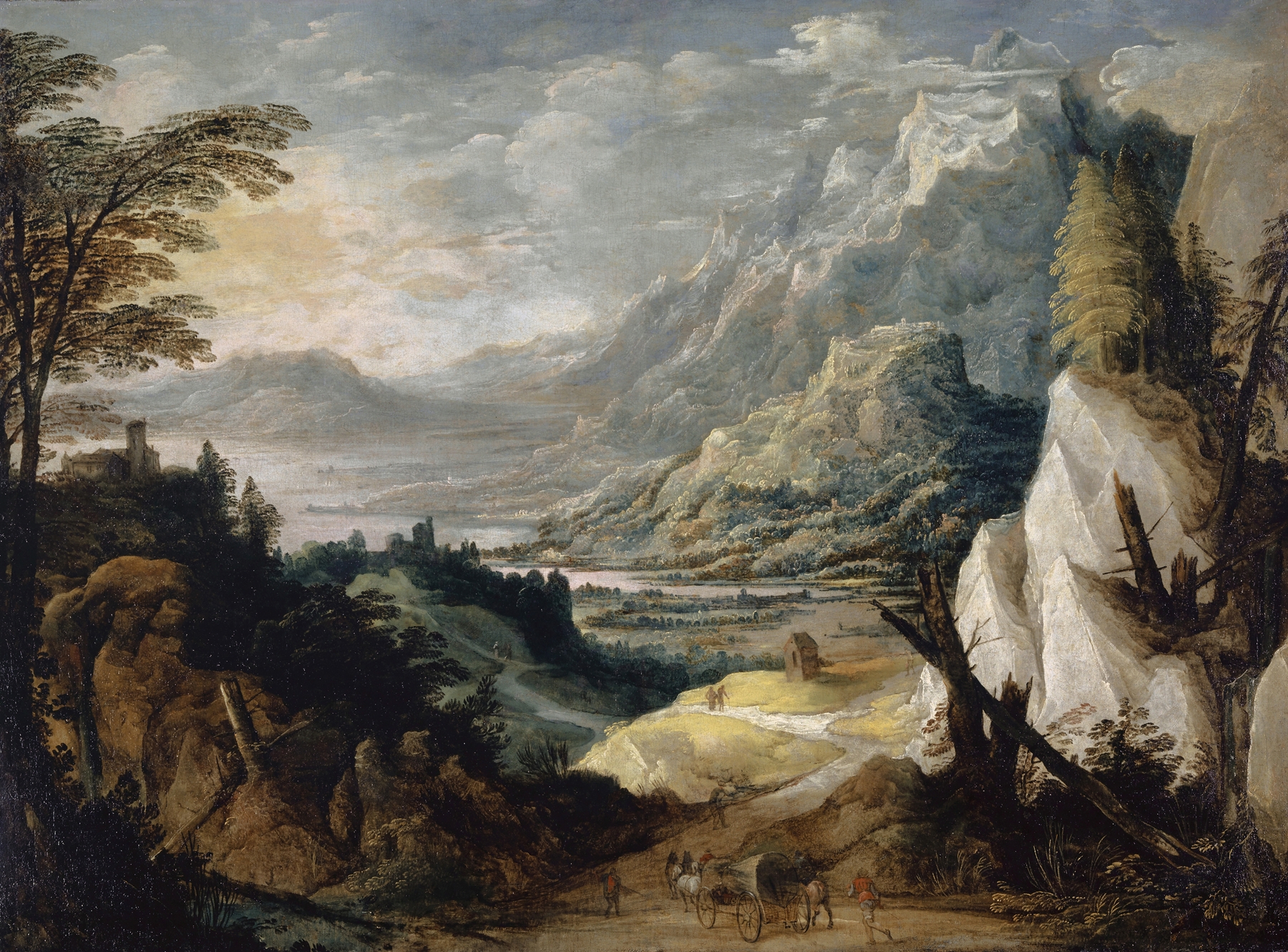
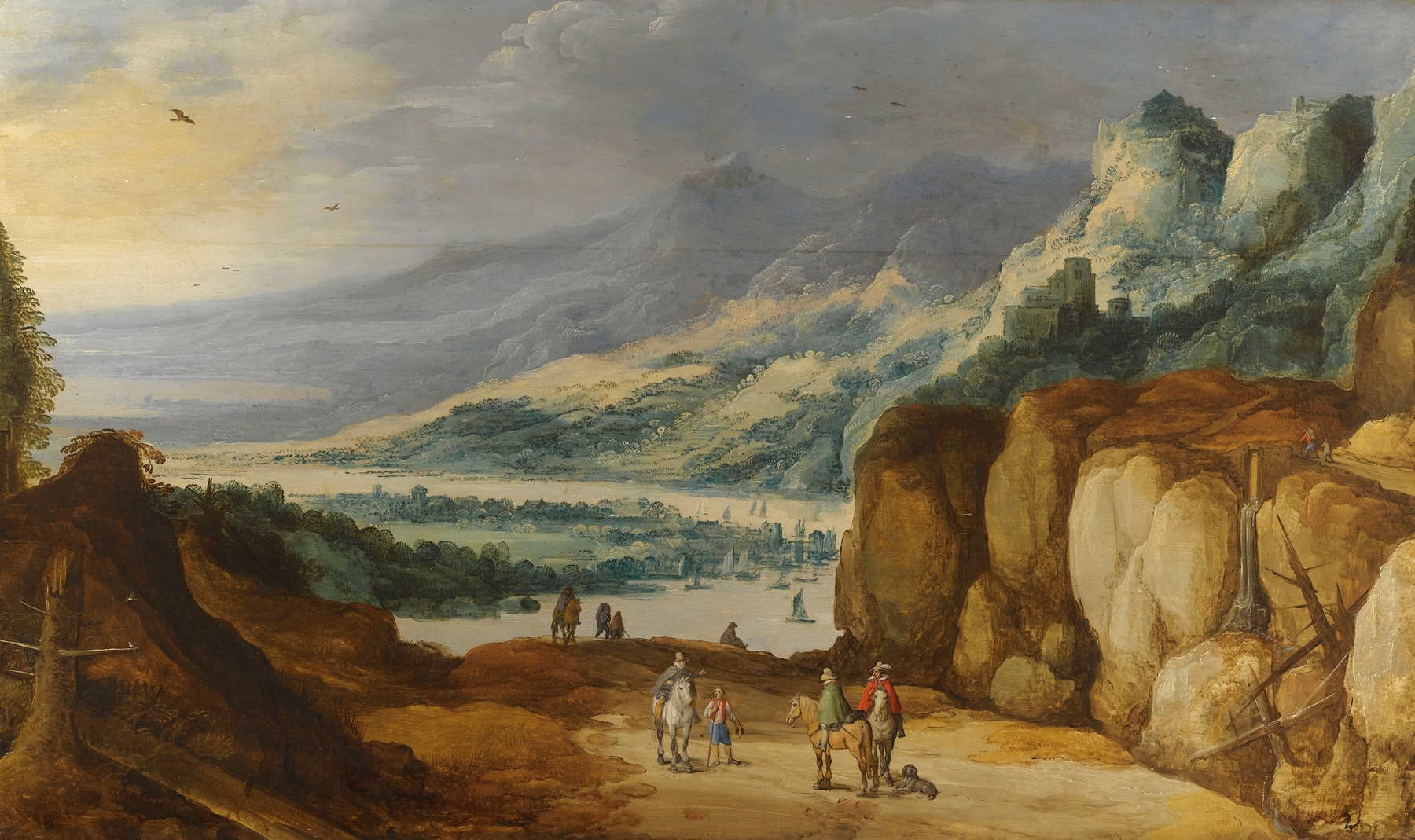
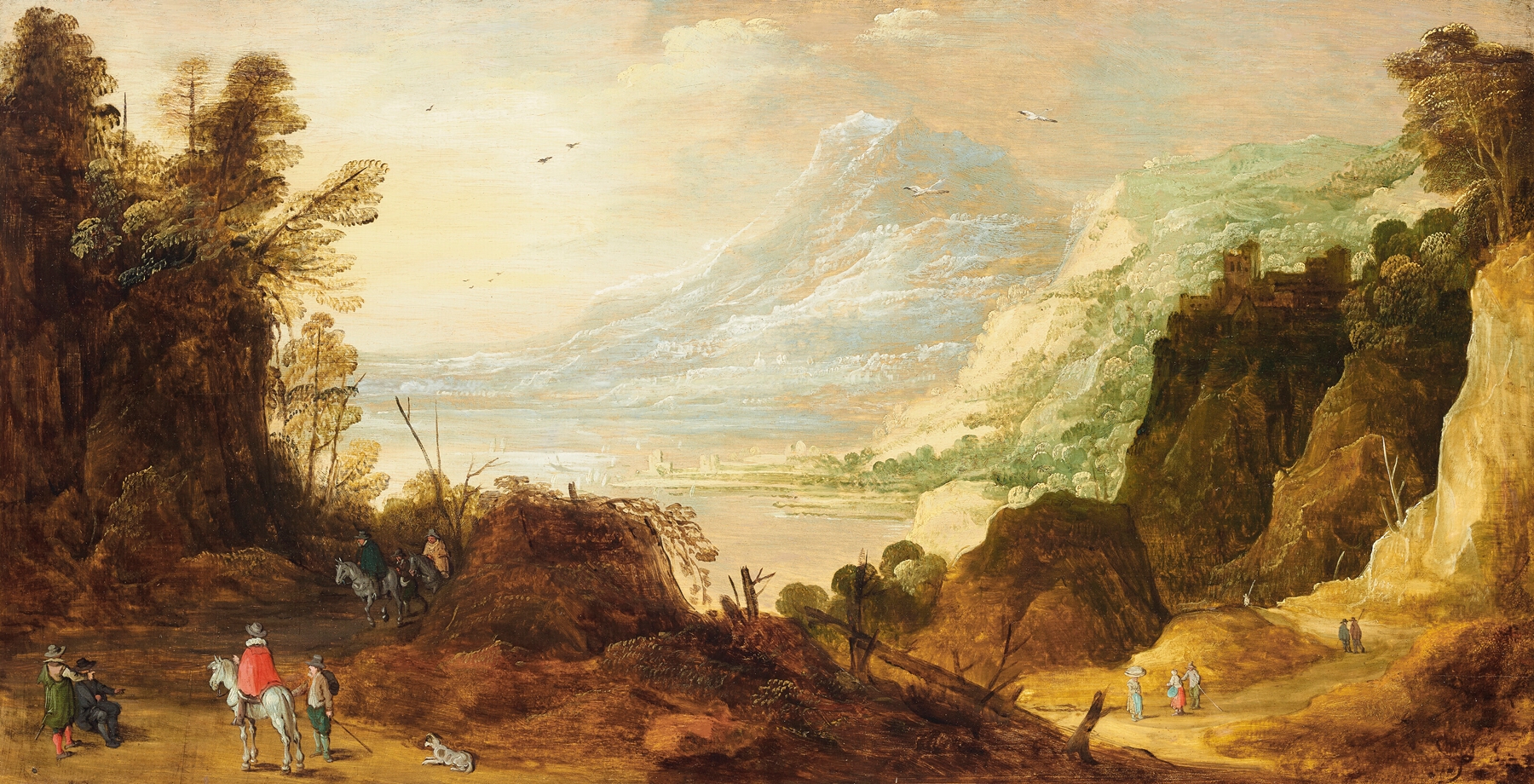
What if silence could speak through light? In the depths of despair, absence manifests quietly yet profoundly, inviting us to witness the weight of a lost voyage. Focus on the vast horizon, where a pallid sky meets tumultuous waters, hinting at both the promise of arrival and the agony of defeat. The artist skillfully layers colors, blending muted greys with frosty blues, evoking a cold, unforgiving atmosphere. Look closely at the fragmented ships, their sails slack, and the splintered masts that echo the chaos of nature’s wrath.
The composition draws the eye toward the horizon, flanked by shadowy cliffs that symbolize the barriers between hope and despair. In this moment of stillness, subtle contrasts emerge. The serene clouds above juxtapose the turbulent sea below, illustrating the duality of beauty and tragedy that permeates the human experience. The figures, diminished against the overwhelming backdrop, reveal the raw vulnerability of humanity confronted by the inexorable forces of fate.
Each detail whispers a story of loss, urging viewers to ponder the silence of those left adrift amidst the void. During an uncertain period in his career, Joos de Momper created this work in the early 17th century, reflecting the tumult of the Northern Renaissance. At this time, he was navigating the complexities of artistic identity within a changing art market. Amidst the burgeoning interest in landscapes, his focus on human struggle against nature would significantly influence his contemporaries and reinforce the emotive power of the genre.