Smugglers by Moonlight — History & Analysis
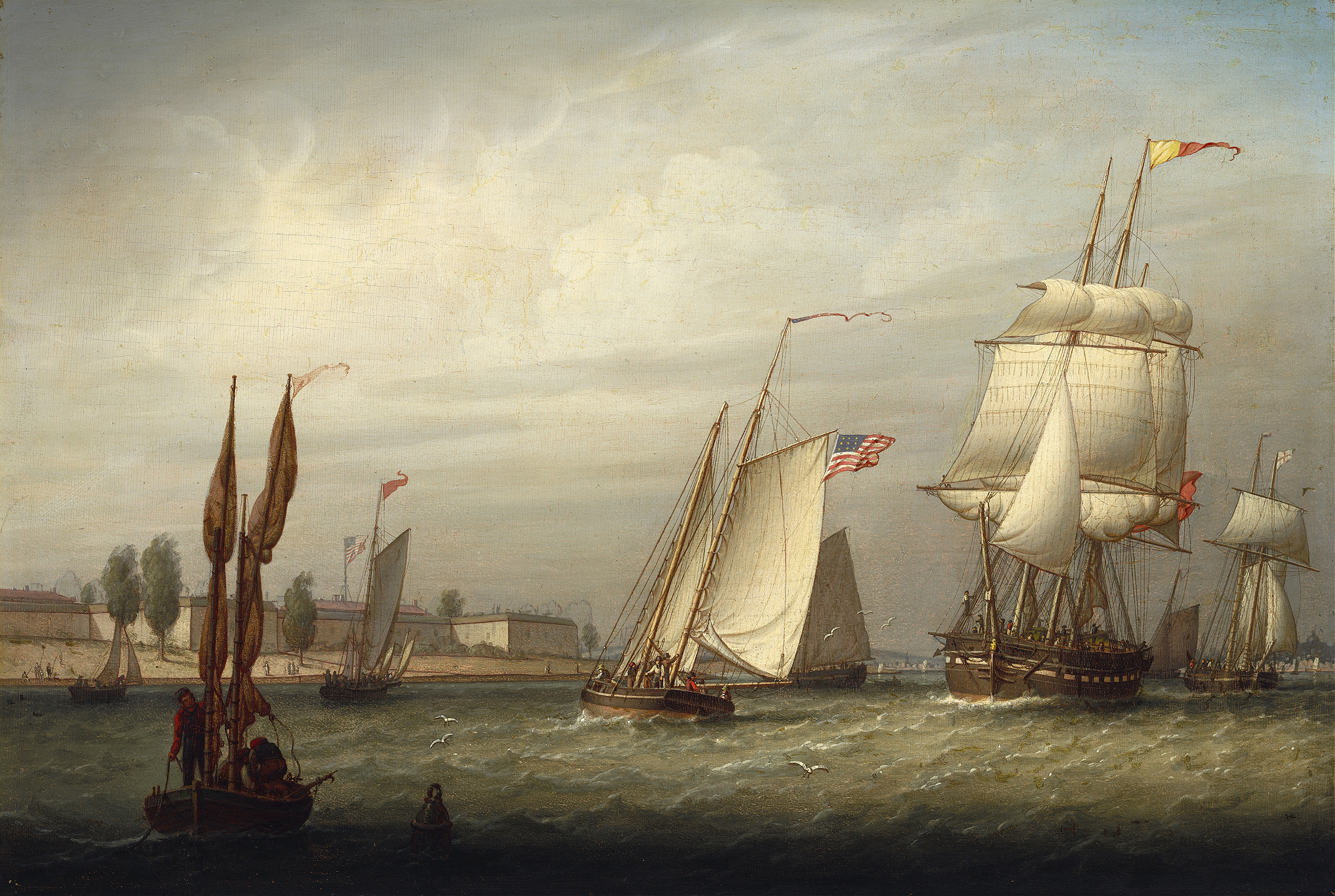
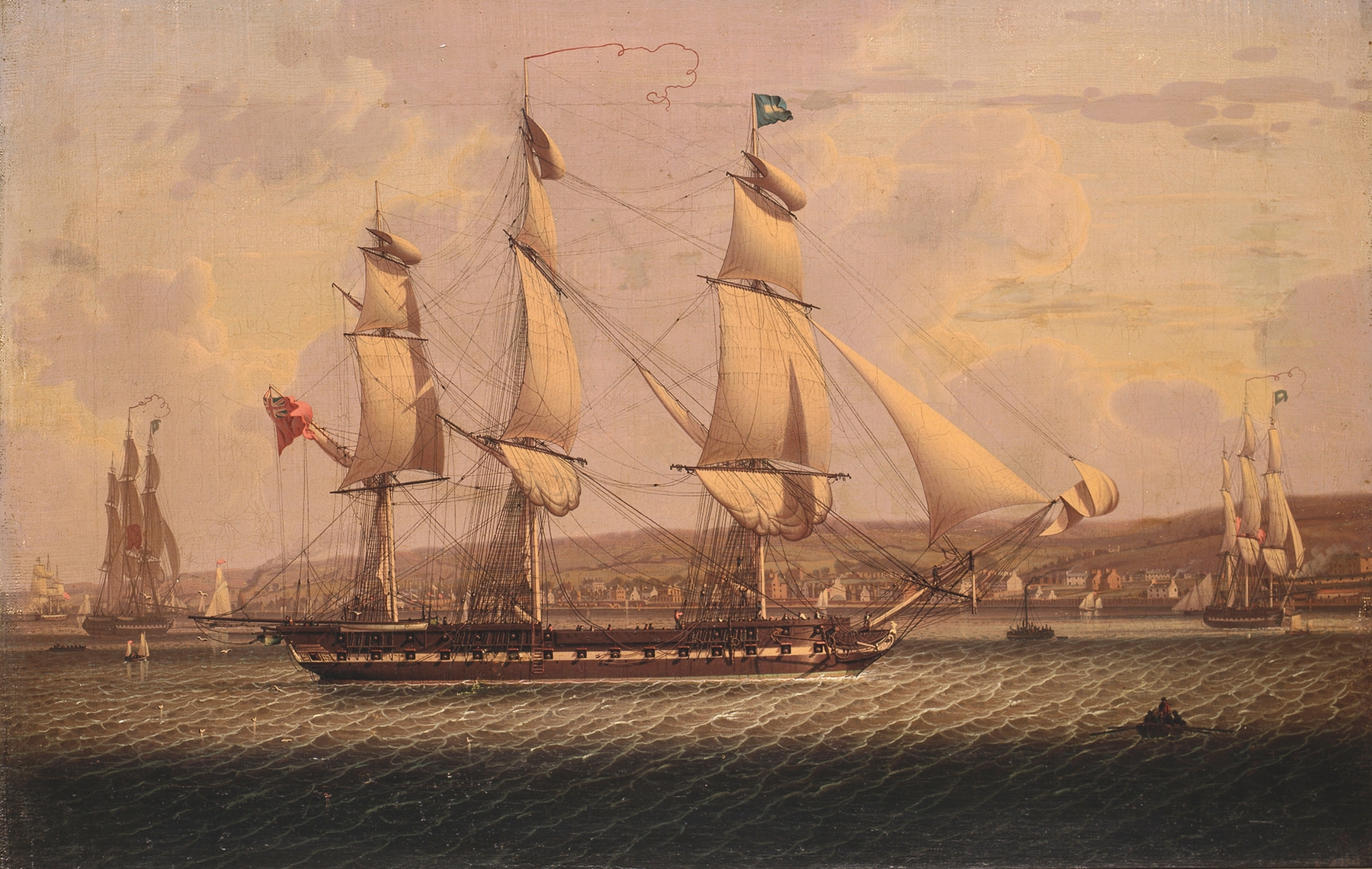
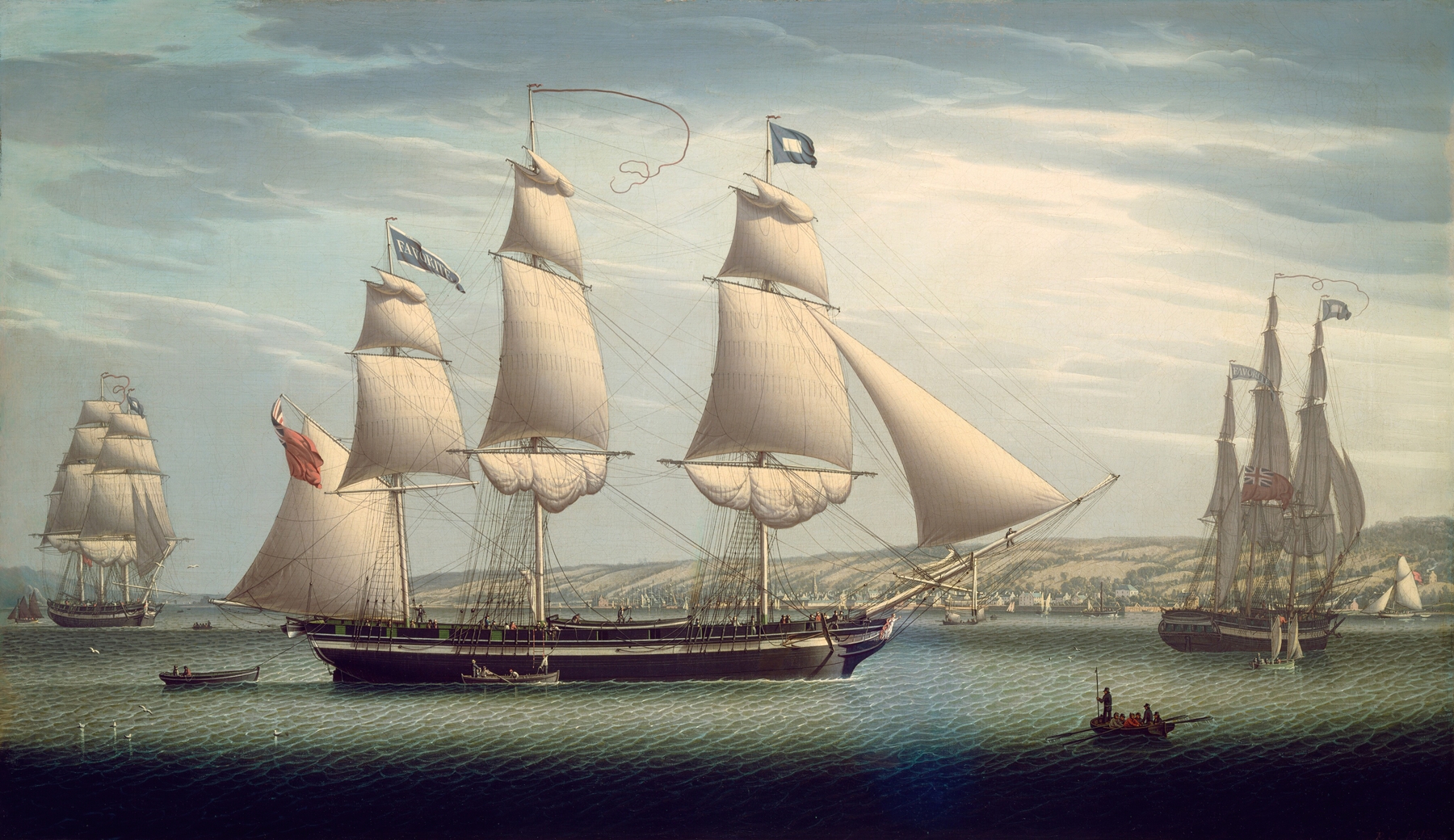
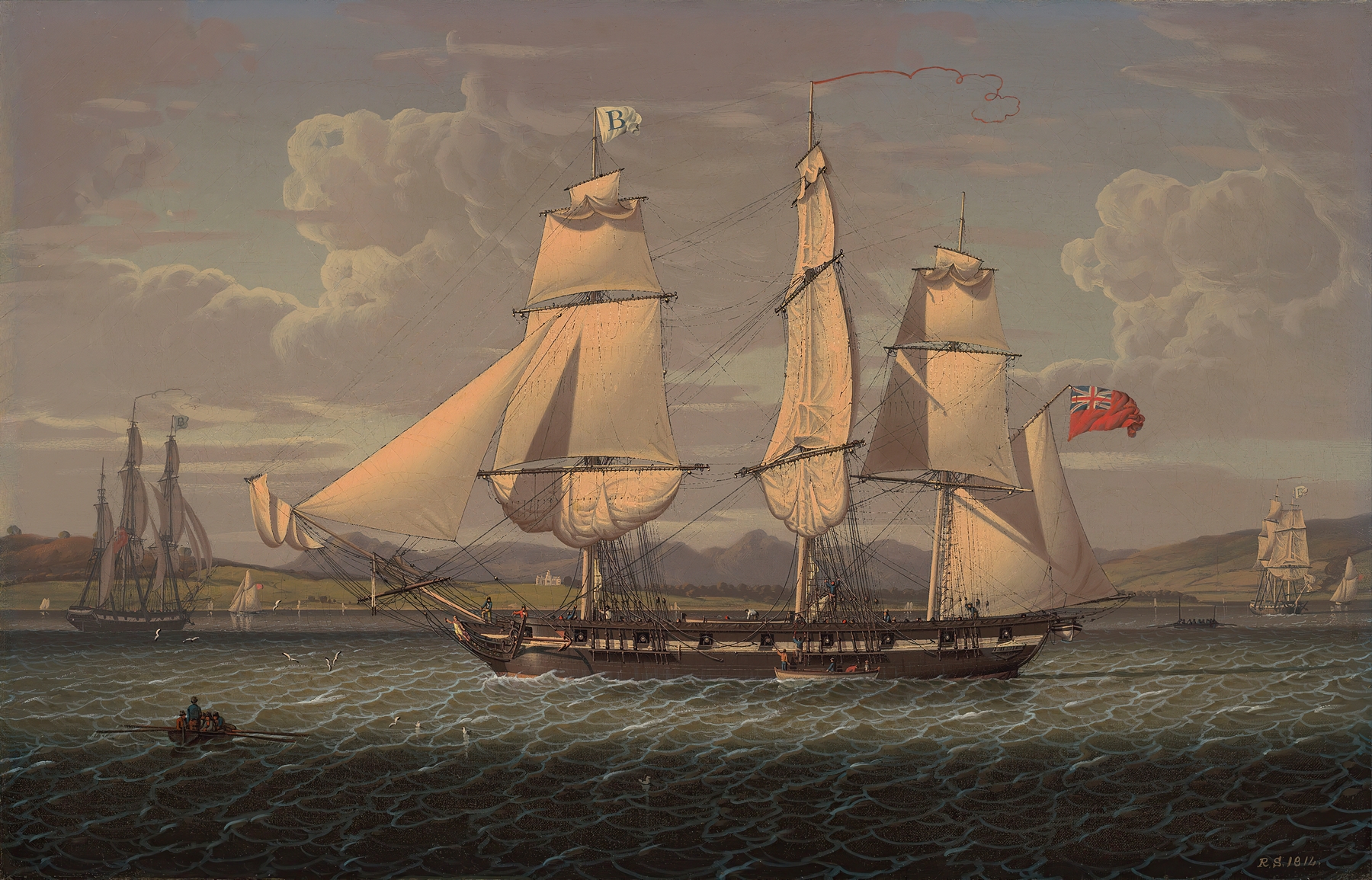
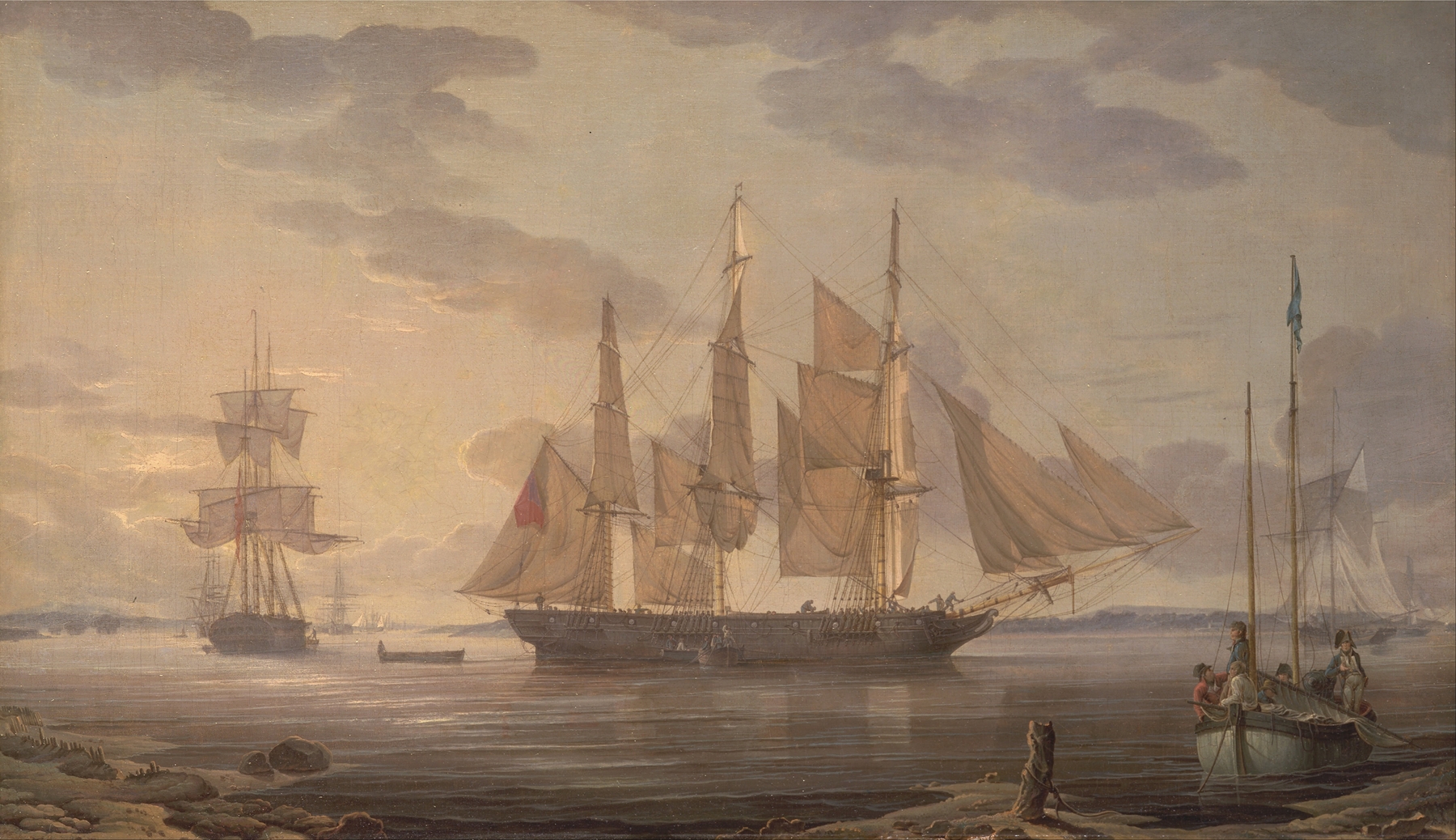
“Between color and silence, truth hides.” The veil between reality and nostalgia often shrouds what we hold dear, and perhaps what we have lost. Look to the center of Smugglers by Moonlight, where the deep blue waters of the bay merge with the inky night sky, creating an ethereal backdrop that both calms and forebodes. The moonlight glistens across the waves, illuminating a small group of figures engaged in clandestine activity, their silhouettes stark against the luminescent water. Notice how the artist employs rich, saturated colors to enhance both the allure and danger of the scene, while the carefully layered brushstrokes create a palpable tension — one that feels both intimate and perilous.
As you engage with the piece, consider the emotional weight of the figures’ actions. There’s a juxtaposition between their dark endeavor and the serene beauty of the moonlit night, suggesting an inherent conflict between desire and consequence. The shadows cast by the moonlight seem to whisper of loss, hinting at what is sacrificed in the pursuit of forbidden treasures. The overall composition speaks to the bittersweet nature of human choices, capturing fleeting moments where light and dark coexist.
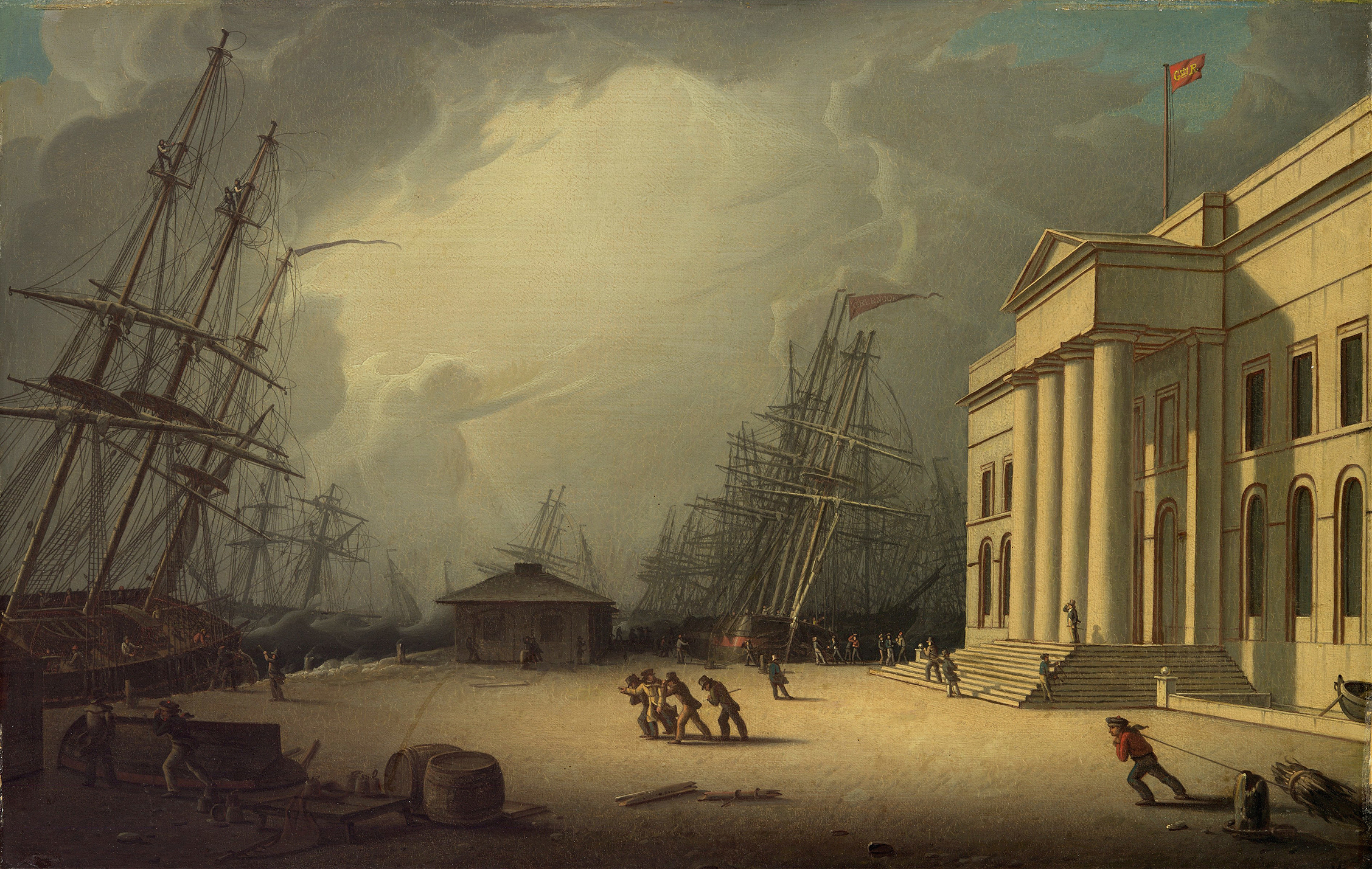
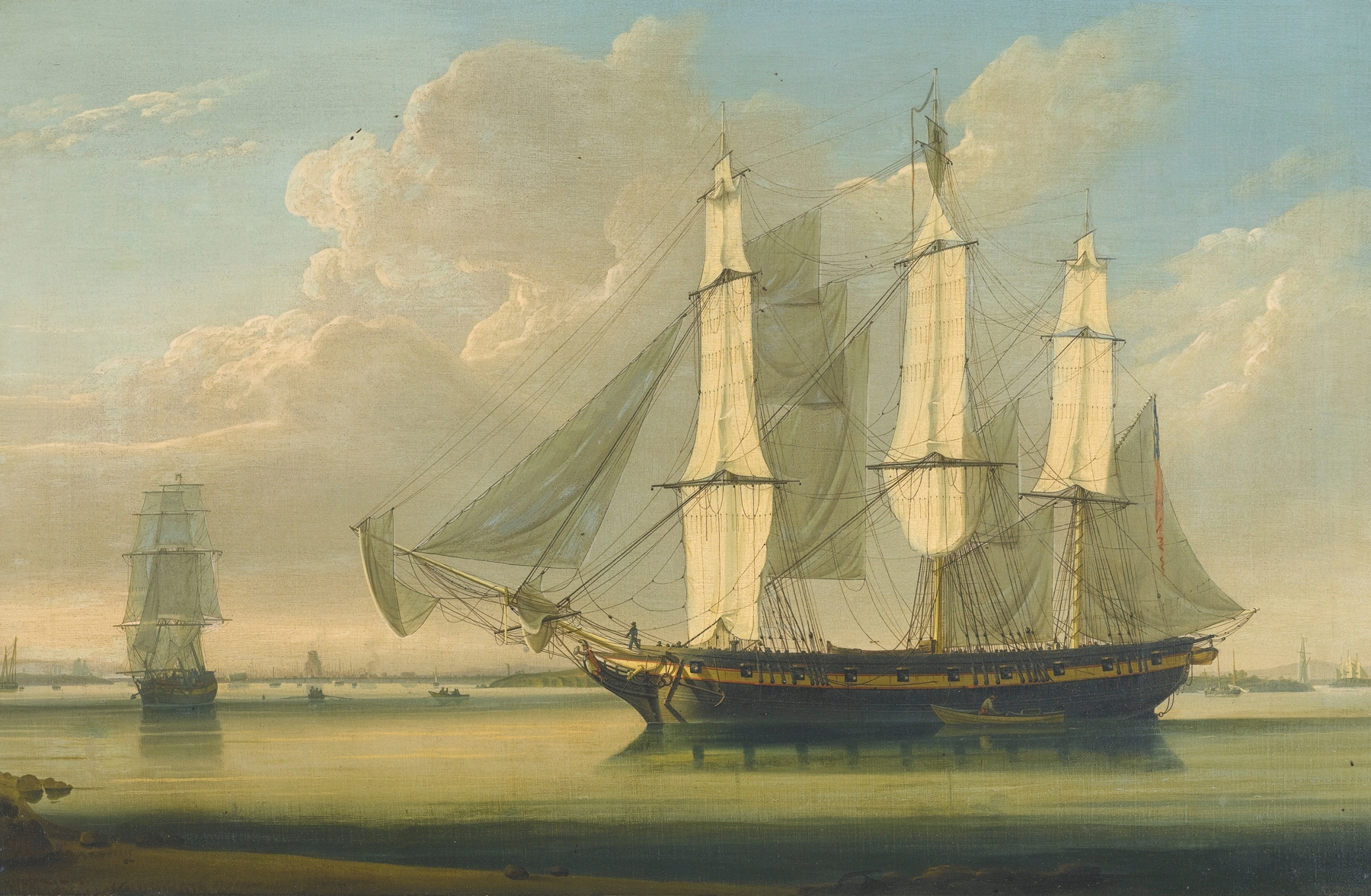
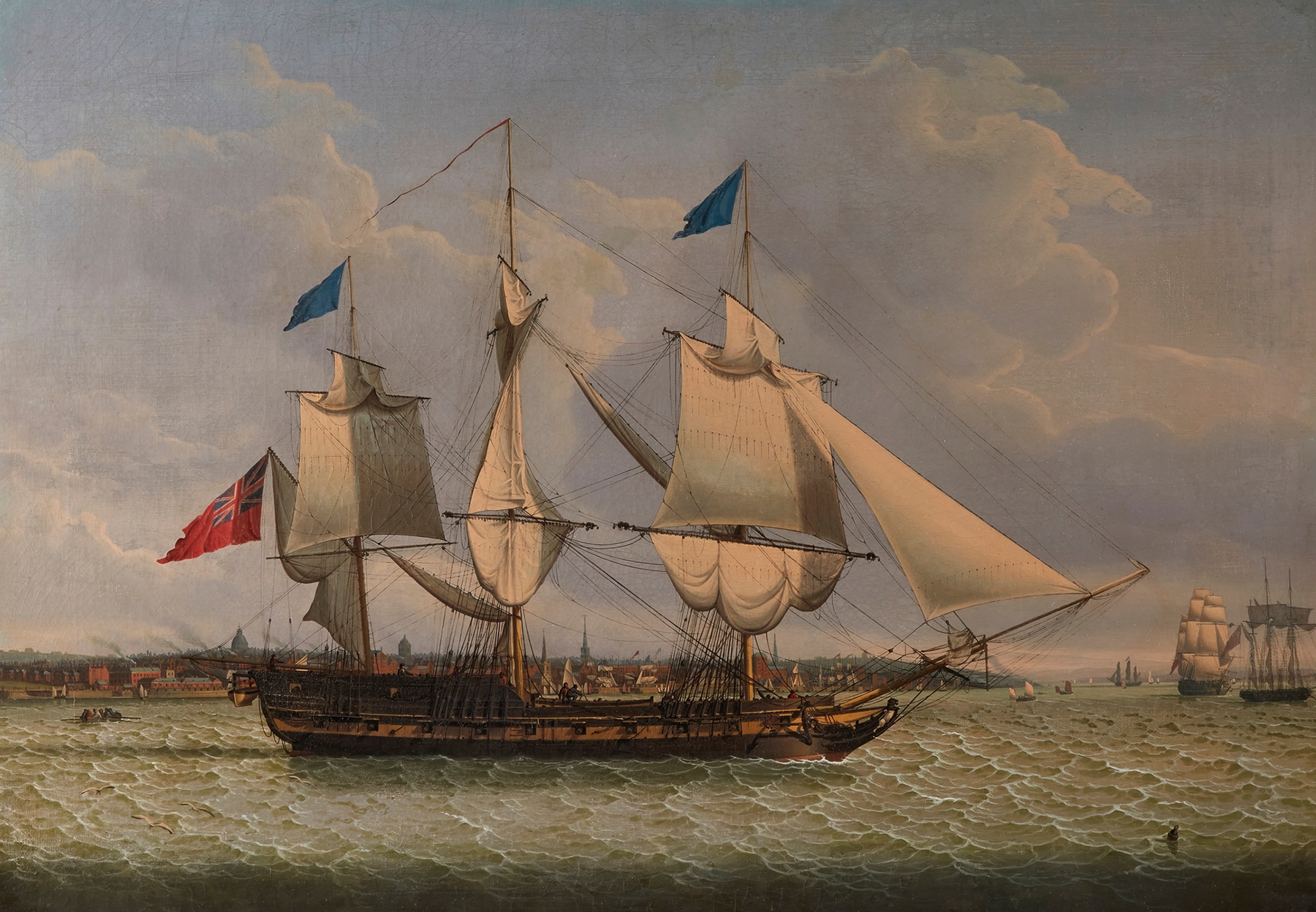
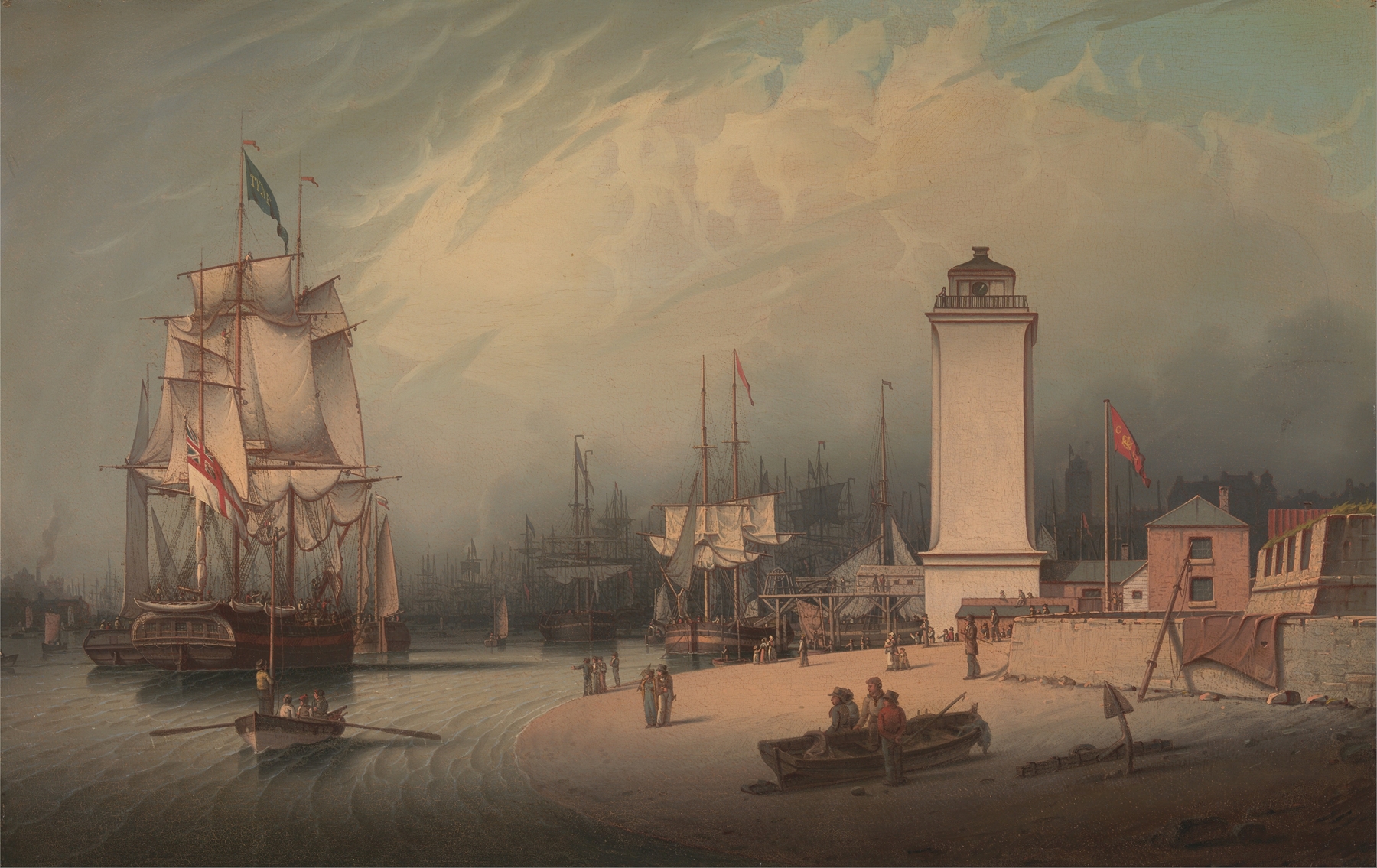
In 1829, Robert Salmon painted this work during a time when maritime life was both enchanting and treacherous. Living in England amidst a burgeoning interest in Romanticism, he focused on seascapes that reflected the complexities of coastal existence. In an era marked by exploration and the undercurrents of smuggling, this painting encapsulates the thrill and the moral ambiguity of life at sea, serving as a poignant reminder of the choices that define us.