Sonnenuntergang Bei Passau An Der Donau — History & Analysis
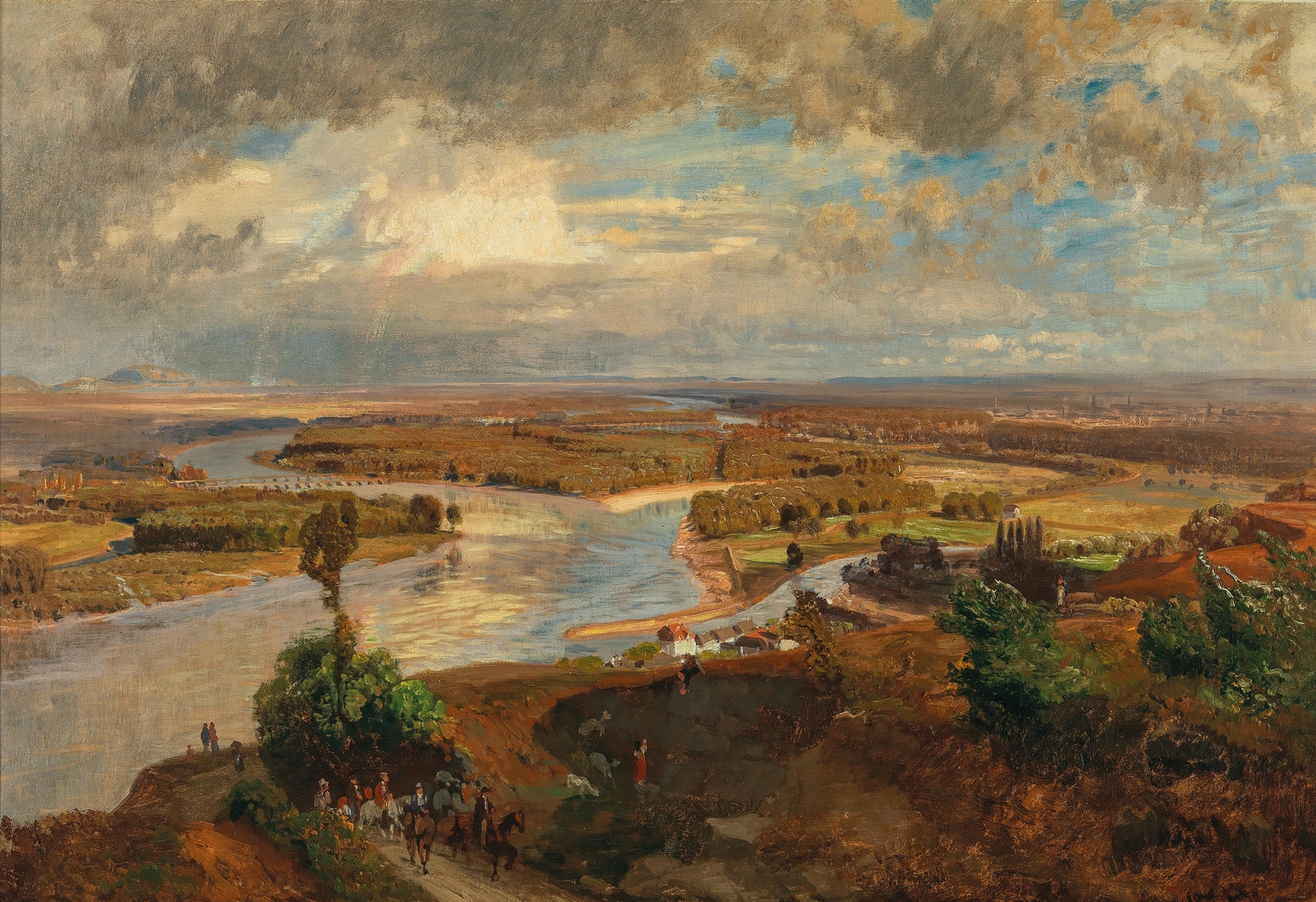
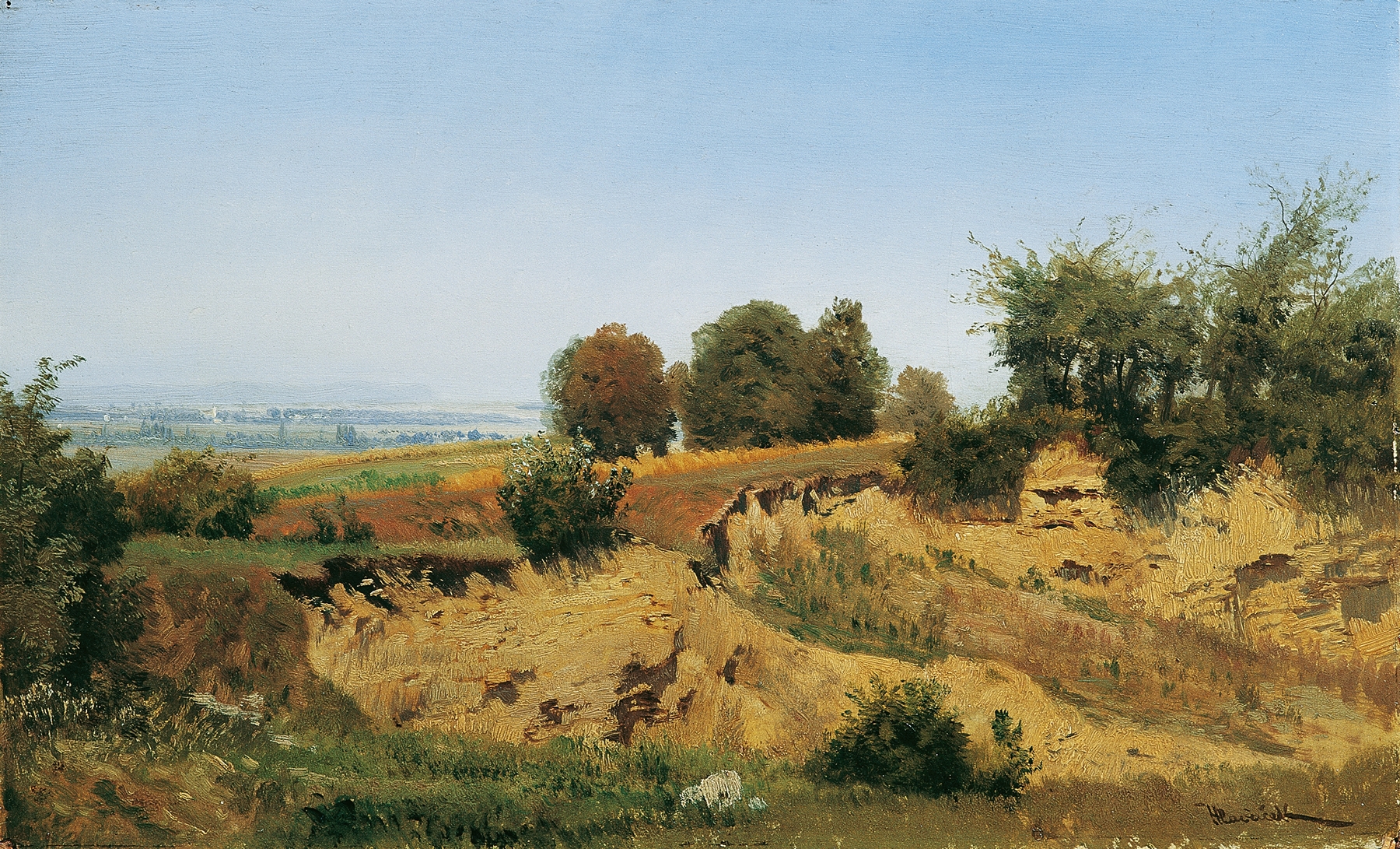
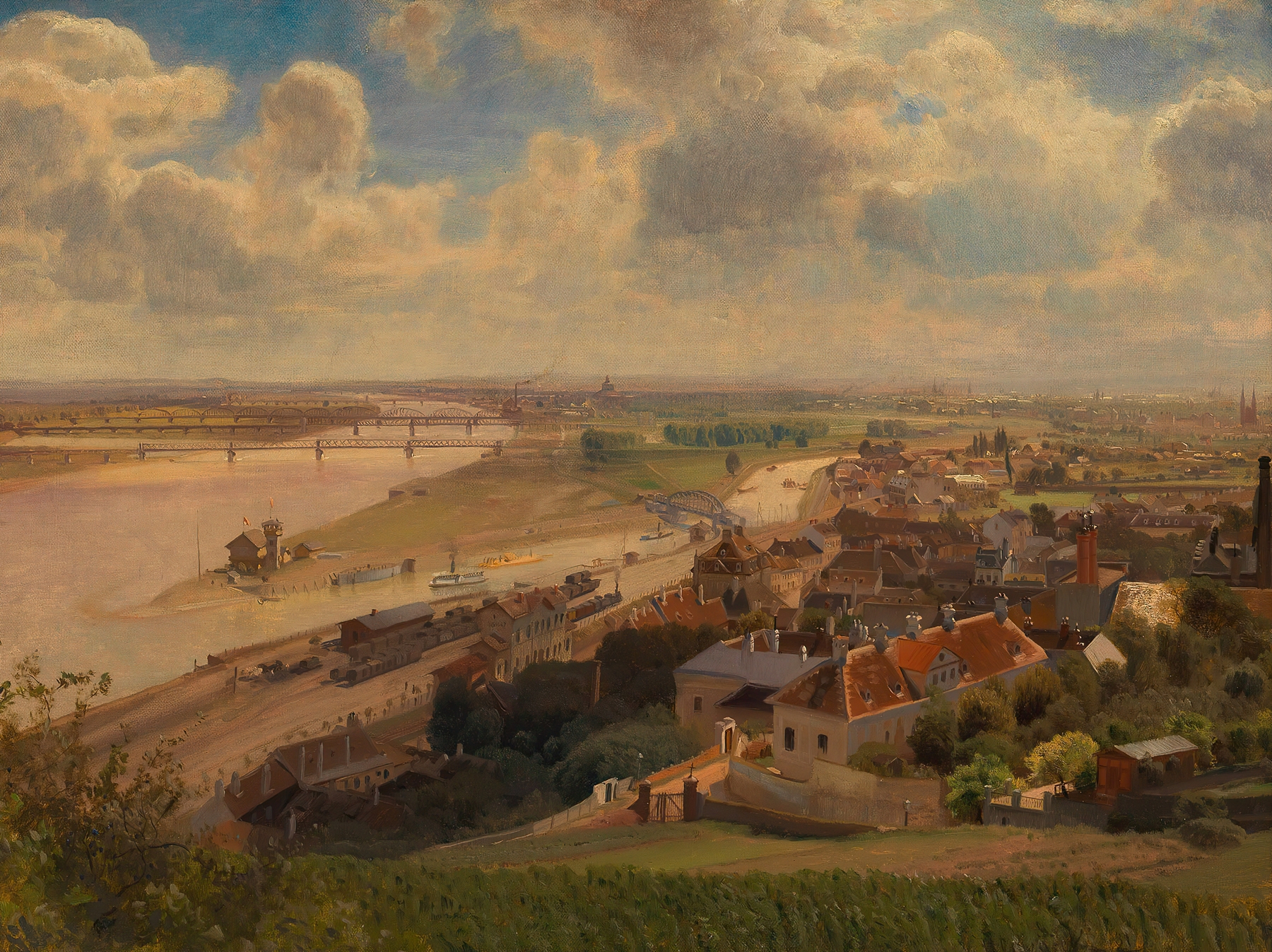
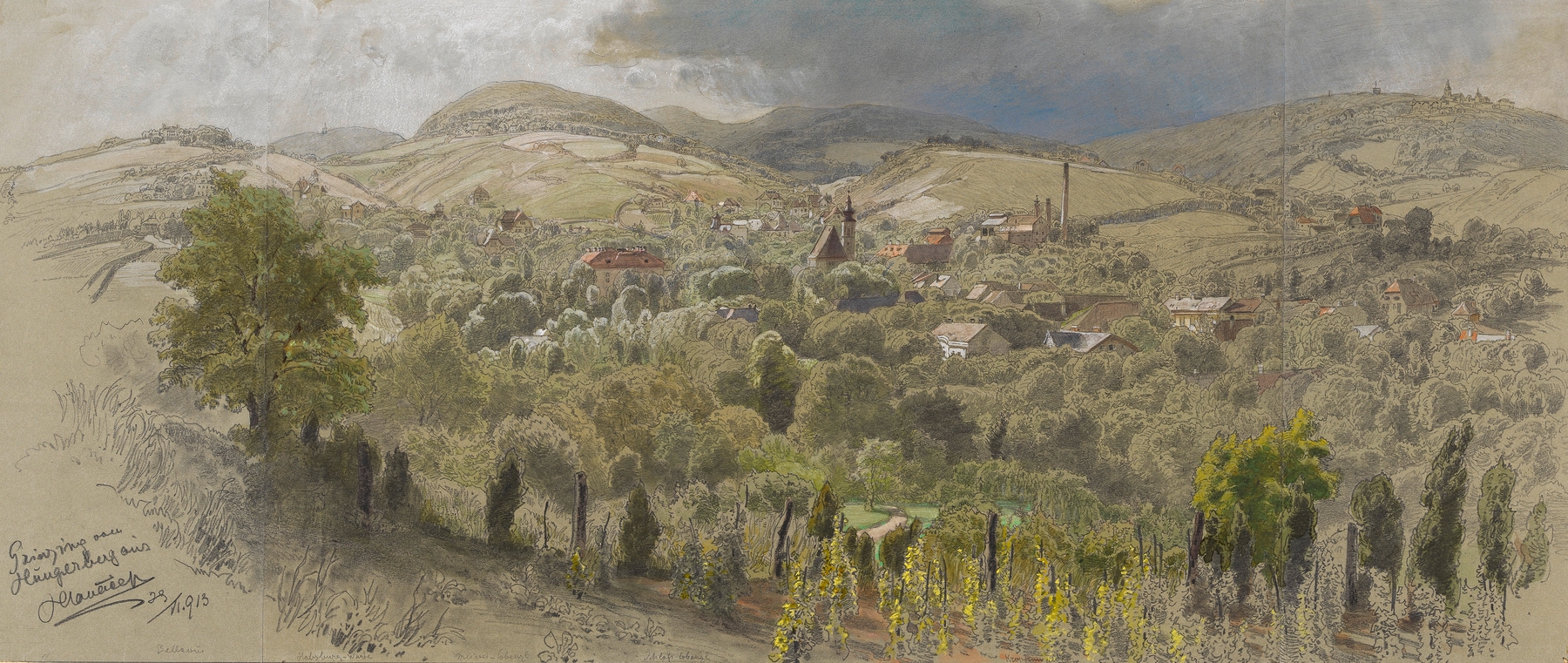
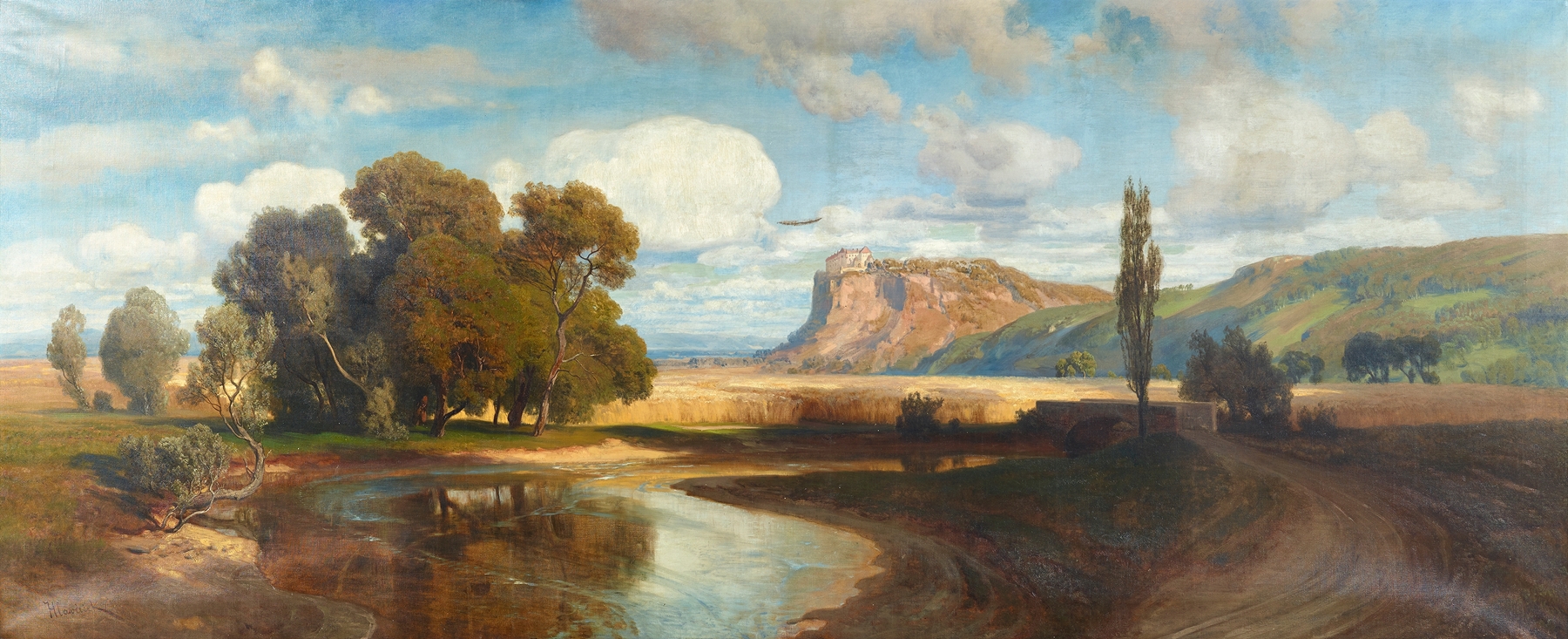
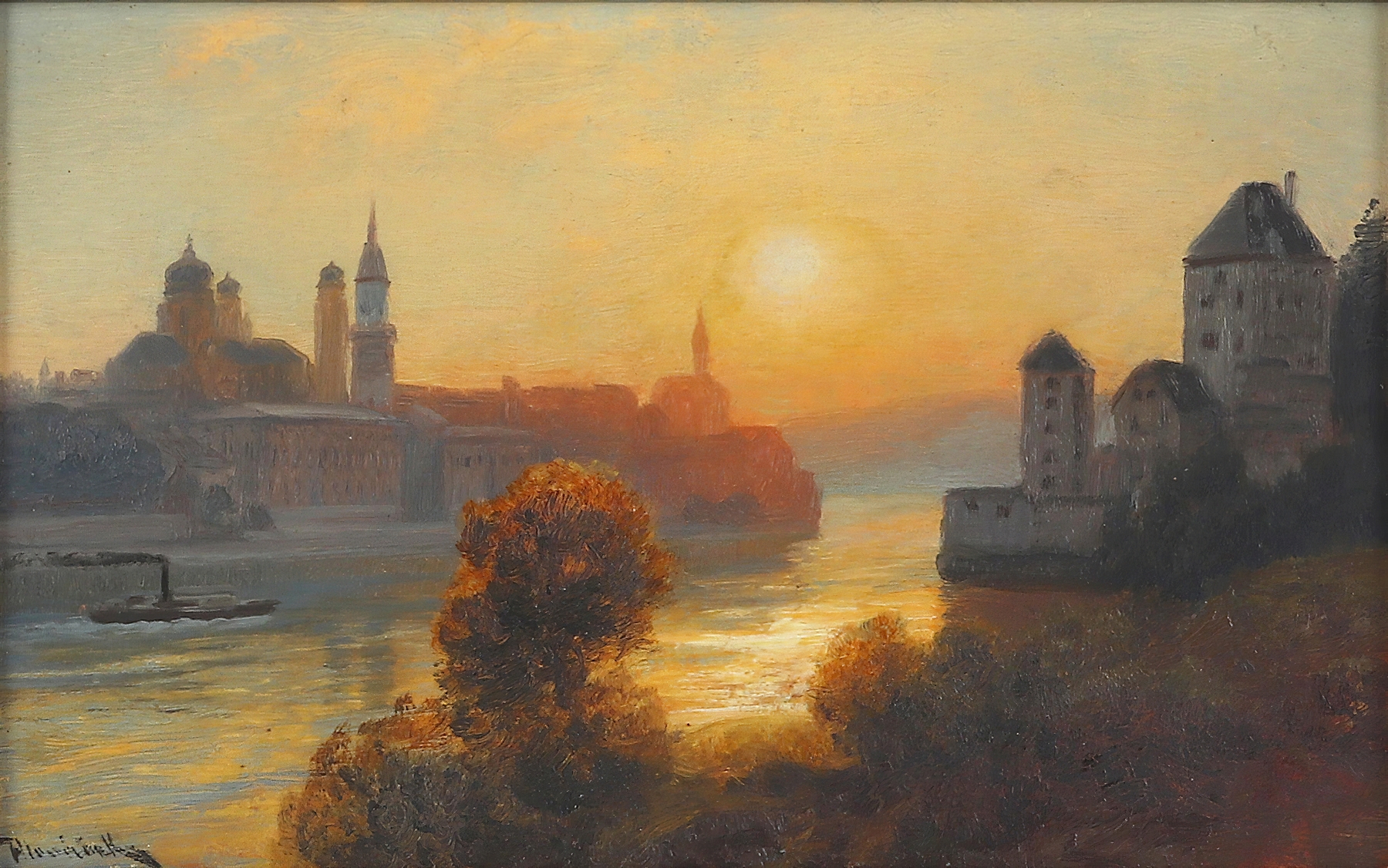
“Every silence here is a confession.” In the quiet of twilight, an unspoken tension lingers, suggesting that beneath tranquil exteriors lies a history of violence and transformation. This painting invites us to reflect on the darker currents that can flow through even the most serene landscapes. Look closely at the horizon, where the molten gold of the setting sun bleeds into a wash of deep purples and blues. The sky, a celestial canvas, contrasts starkly with the serenely flowing river below, creating a tension that reverberates through the entire composition. Notice how the brushstrokes move fluidly across the canvas, echoing the gentle ripples of the Danube while simultaneously suggesting an undercurrent of turmoil. The placement of shadowy trees along the banks adds depth and intrigue, as if they are silent witnesses to events long past. Beneath the surface beauty of this scene lies a juxtaposition of calm and chaos. The tranquility of the sunset belies the historical violence embedded in the landscape—battles fought along these shores, lives lost in the pursuit of power. The river, a lifeblood of the region, serves as both a nurturing force and a reminder of conflict. Each hue and brushstroke seems to whisper the stories, joys, and sorrows of those who have traversed this land, capturing an essence that is both haunting and beautiful. During the time Anton Hlavacek created this work, the world was experiencing profound changes. The artist, likely active in the late 19th to early 20th century, found himself amidst a shifting art scene, where Impressionism began to take hold, influencing how landscapes were rendered. Living in central Europe at a time of political upheaval, Hlavacek's work reflects not just a personal vision but also the tumultuous spirit of an era marked by both beauty and strife.