Spaziergänger im Tiergarten — History & Analysis
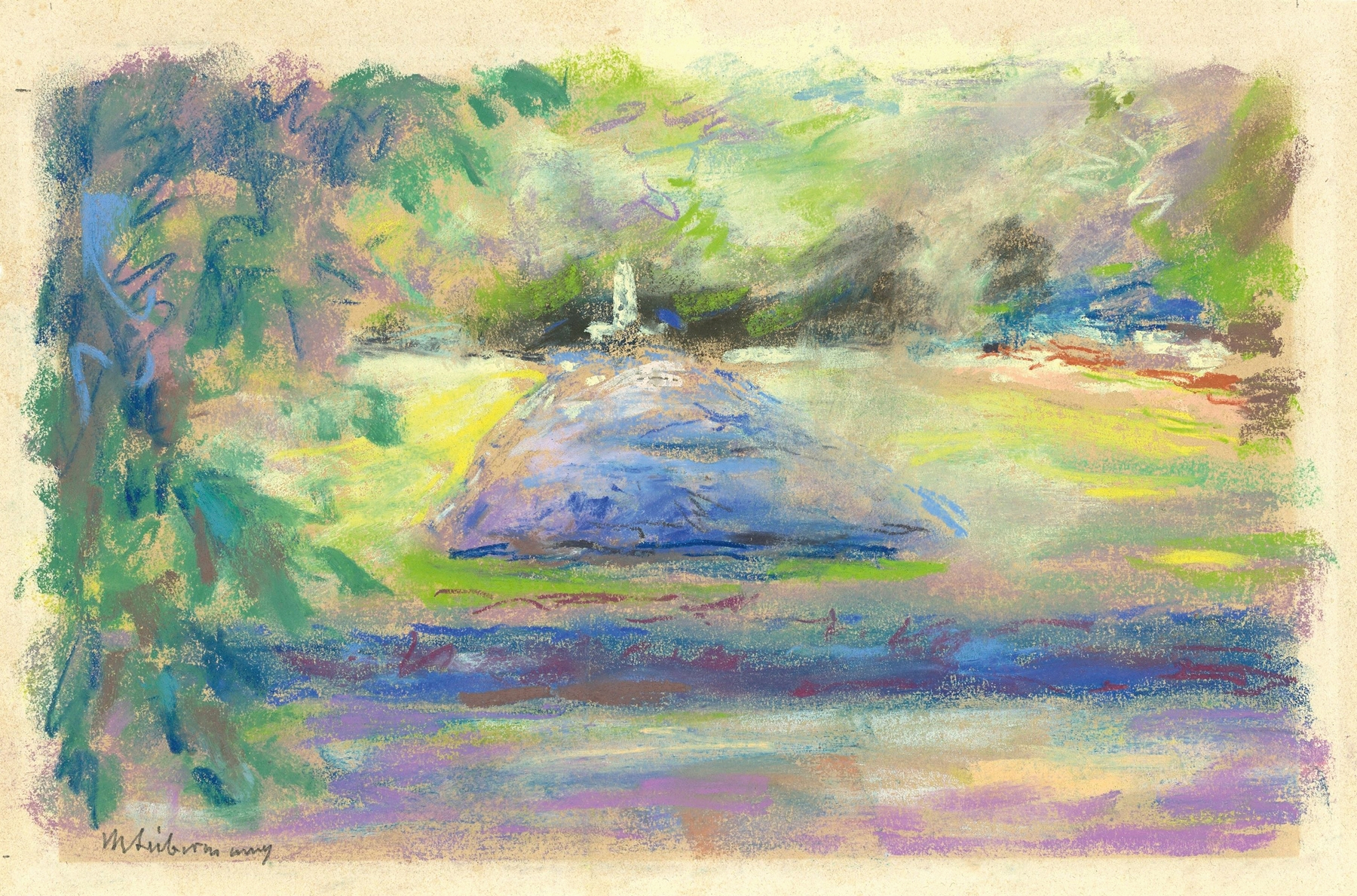
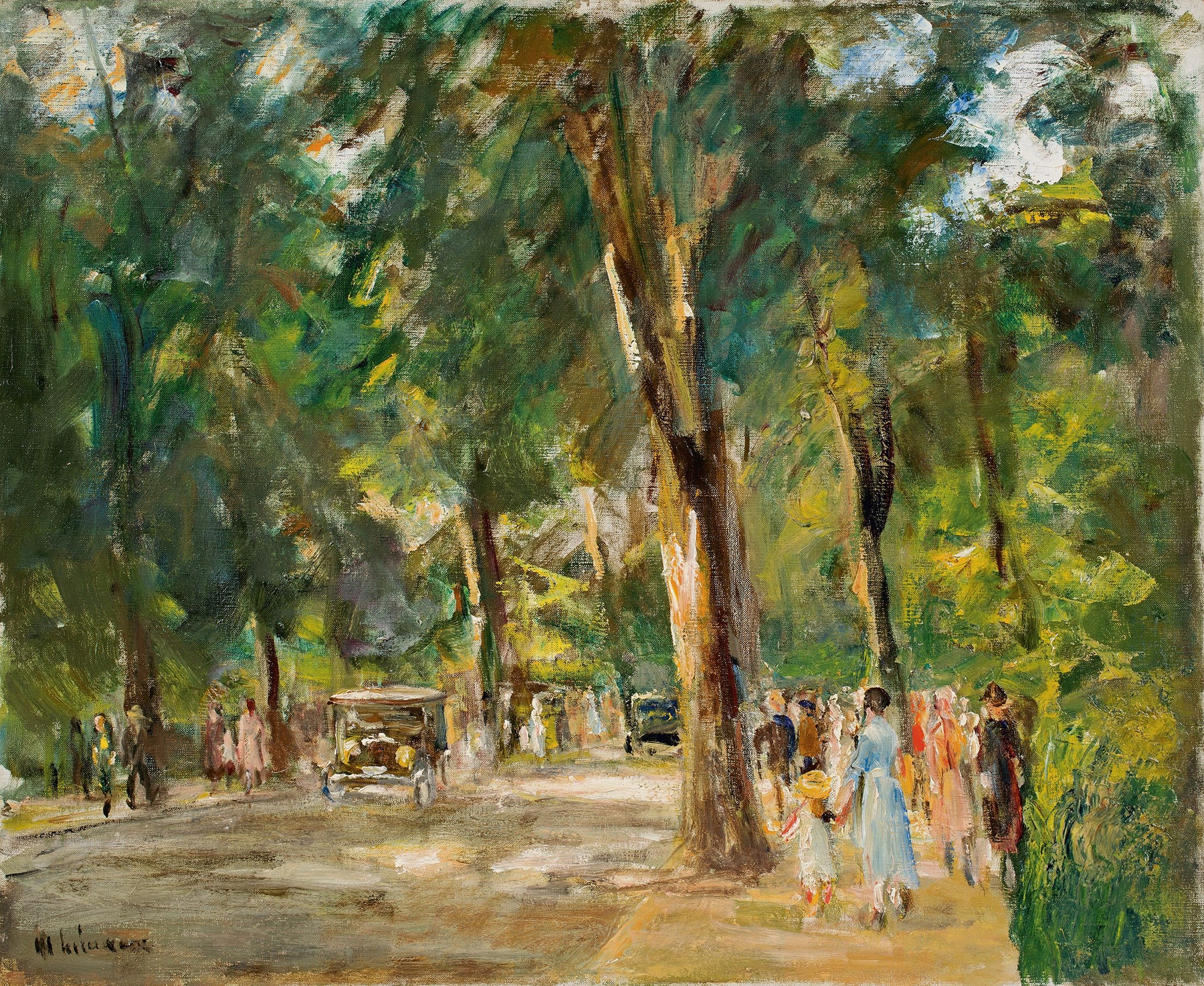
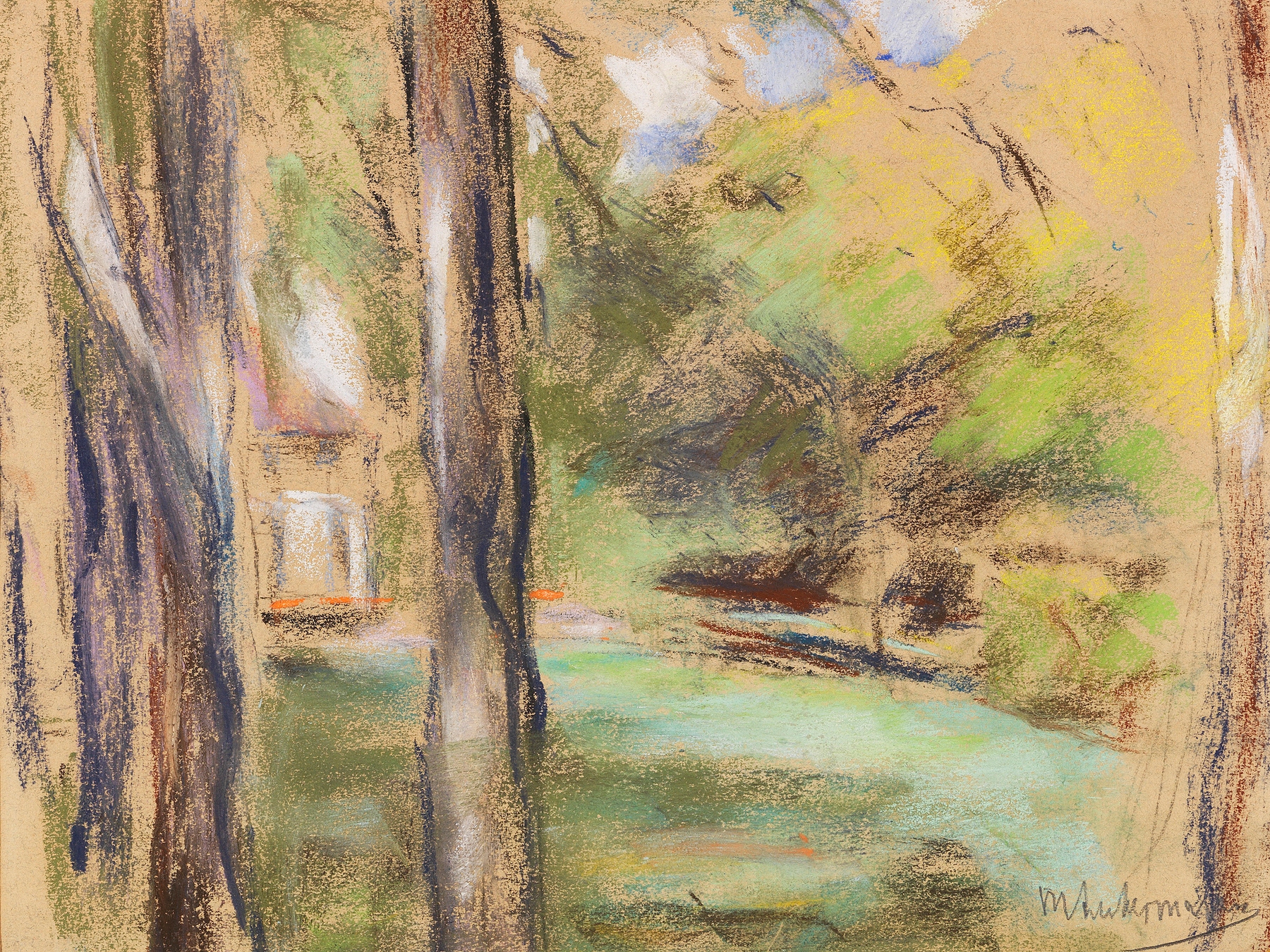
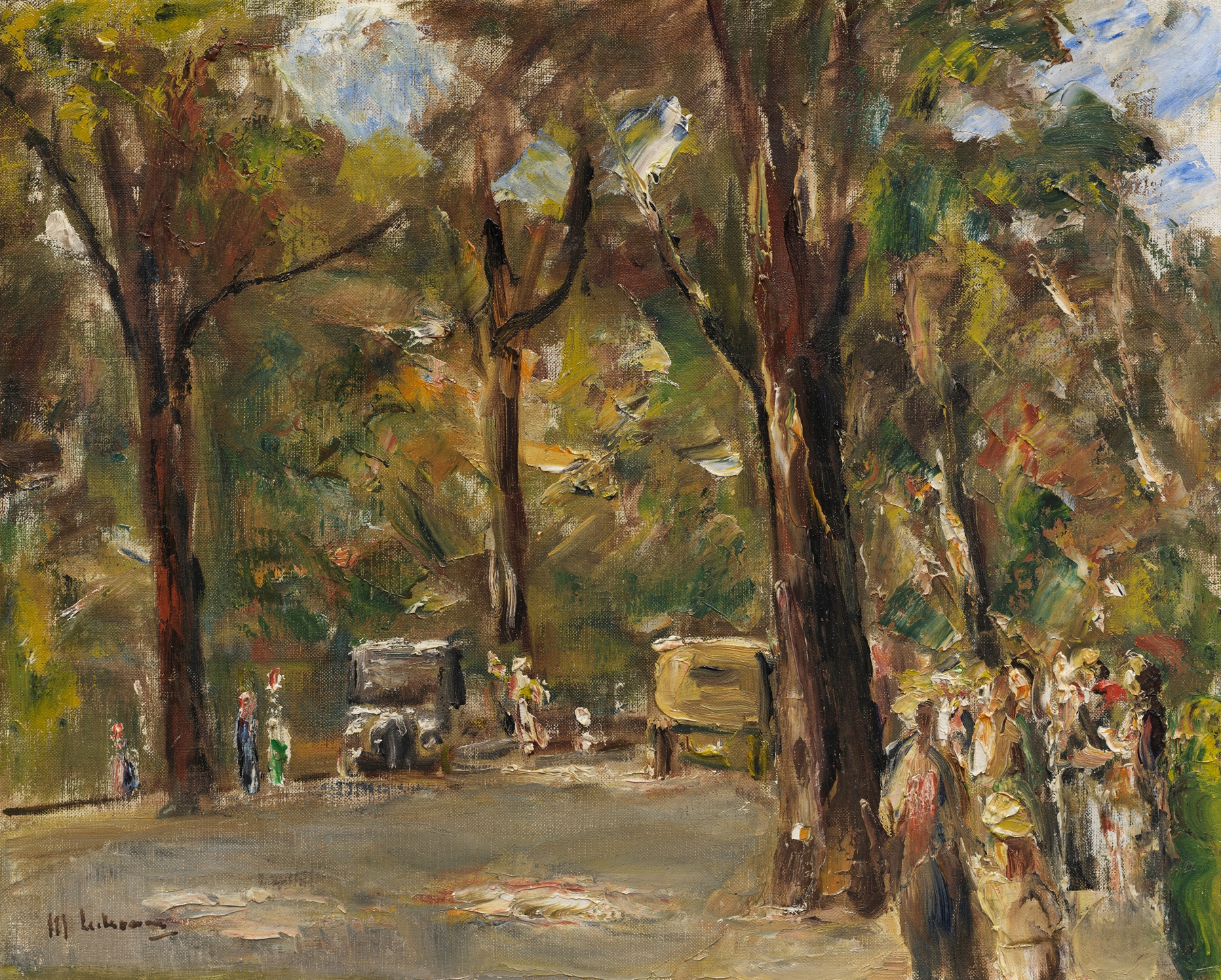
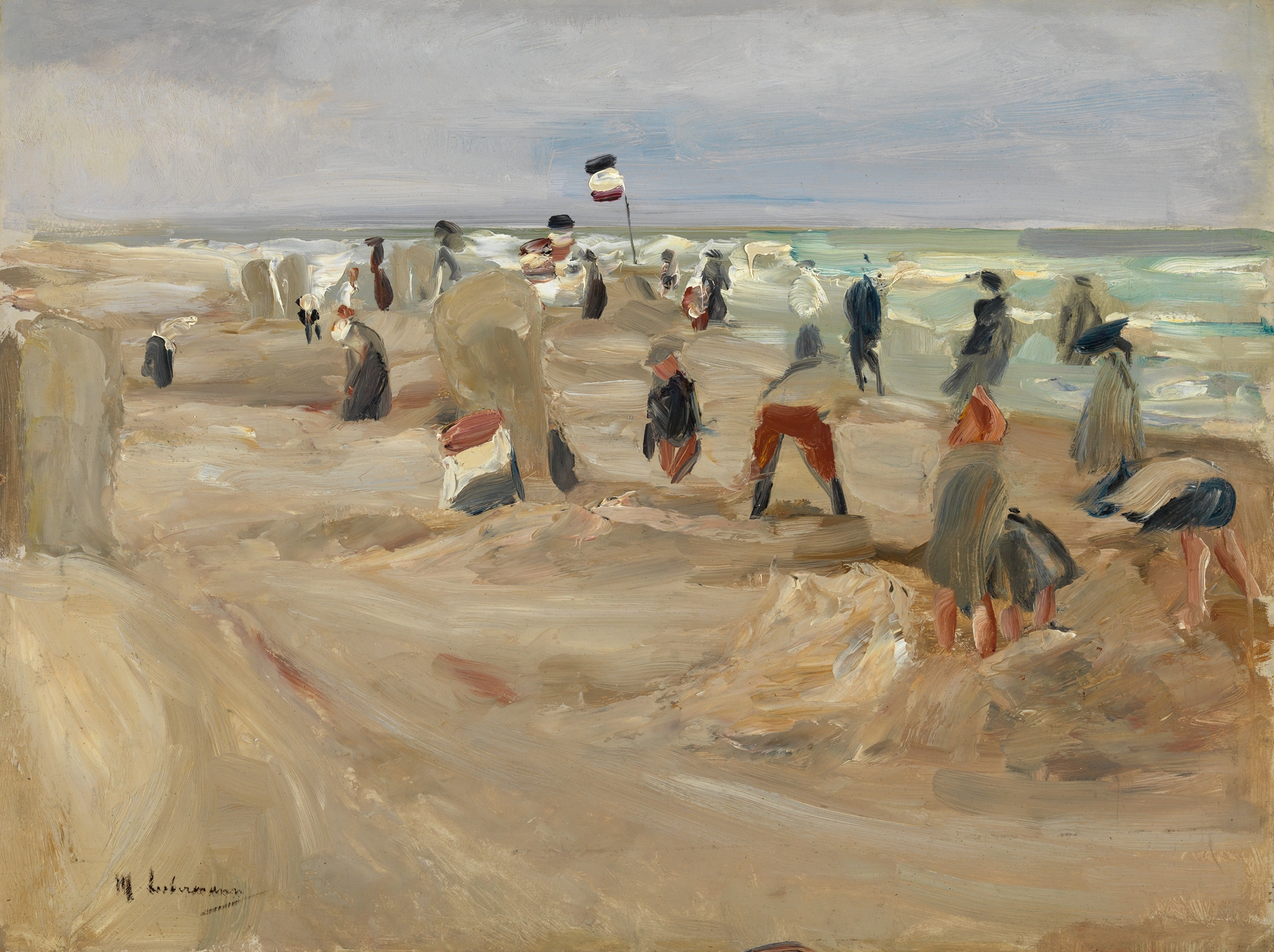
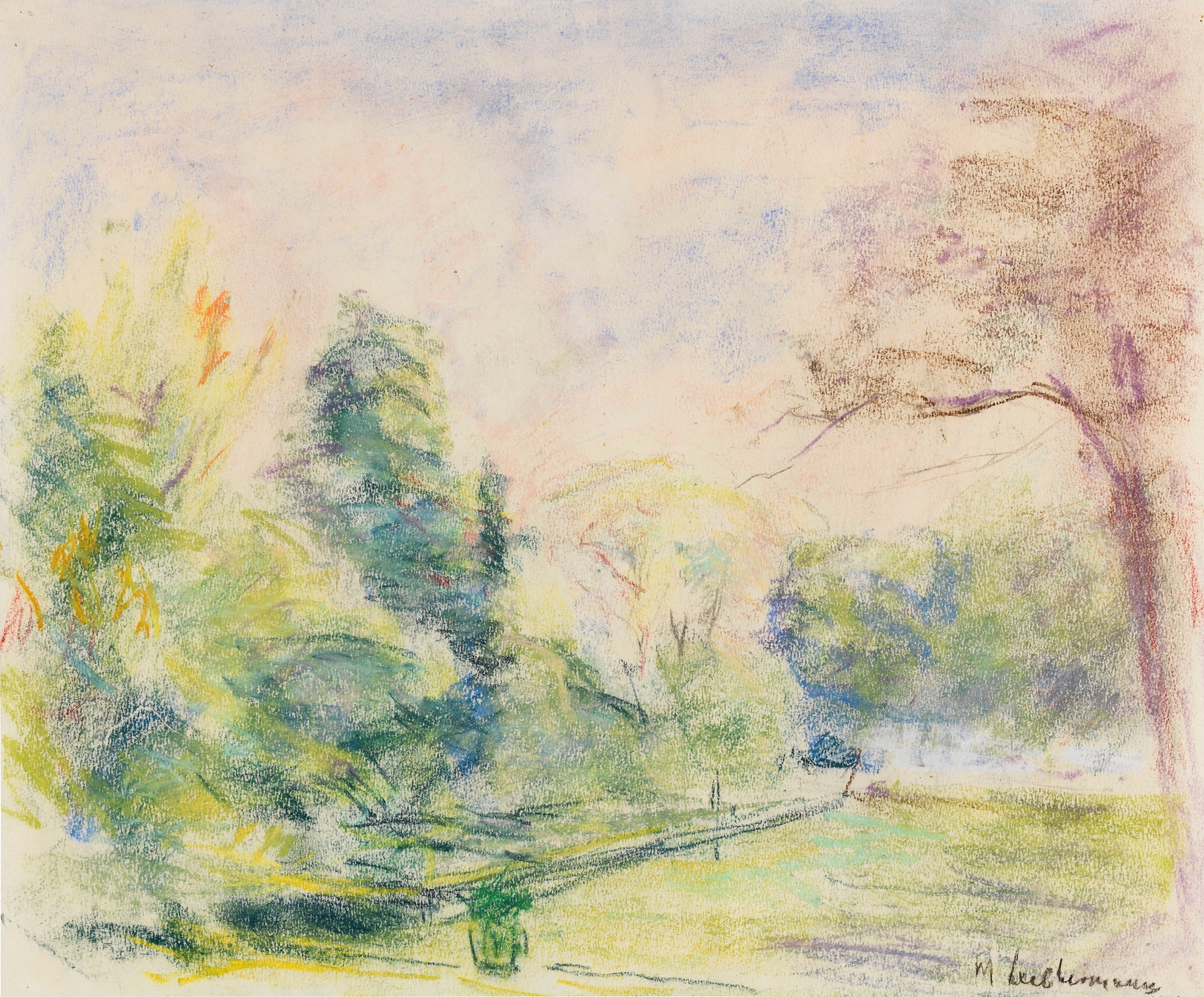
“Every brushstroke is a heartbeat remembered.” In Spaziergänger im Tiergarten, desire intertwines with memory, evoking the longing for moments that linger just outside our grasp. The painting captures a timeless scene that transcends simple observation. Look to the center where a couple strolls leisurely, their figures framed by the verdant embrace of the park. Notice how Liebermann's brushwork creates a fluid sense of movement, as if the leaves themselves sway with the rhythm of their footsteps. The dappled sunlight plays across their silhouettes, painting them in hues of soft white and muted gray, while the vibrant greens of the foliage pulse around them, enhancing the warmth of their connection.
The composition draws you into their world, inviting you to partake in their idyllic moment. Yet, beneath the surface of this serene outing lies an undercurrent of longing. The couple’s proximity speaks to a deep intimacy, while their distant gazes suggest unspoken thoughts and desires that remain just beyond reach. The slight tension within their body language hints at complexities of human relationships, echoing the universal yearning for connection amid the mundane routine of life.
Each detail, from the swaying grass to the scattered petals, reflects fleeting moments embedded in memory, inviting the viewer to ponder their own narratives of desire and connection. Max Liebermann painted Spaziergänger im Tiergarten between 1925 and 1927, during a period marked by both personal introspection and a broader shift in the art world towards modernism. Living in Berlin, he was deeply influenced by the changing dynamics of society and the burgeoning interest in capturing everyday life. In this work, he melds traditional Impressionist techniques with a modern sensibility, reflecting his ongoing exploration of the human experience amidst the landscape of his beloved city.