St. George’s Hall, Windsor — History & Analysis
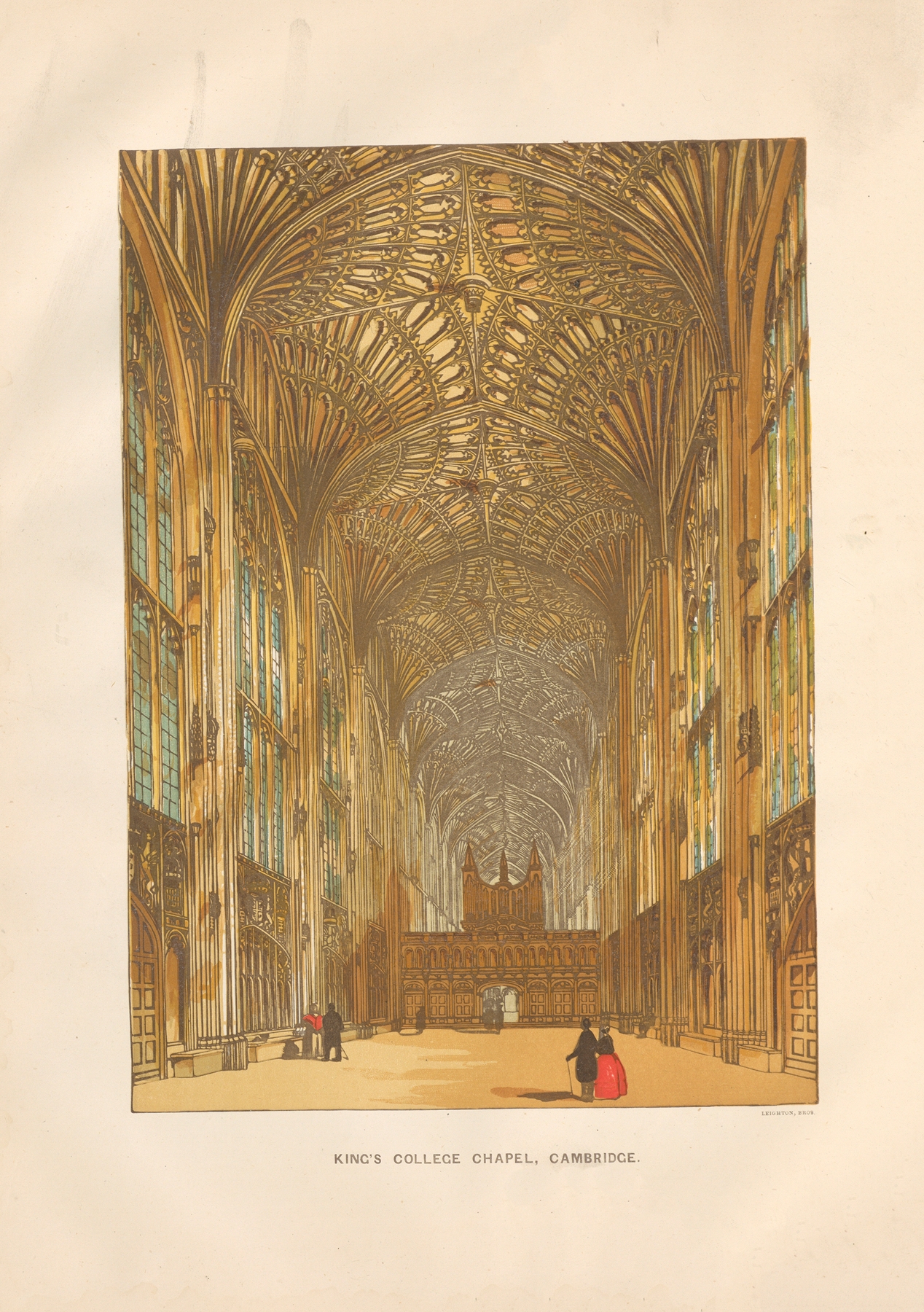
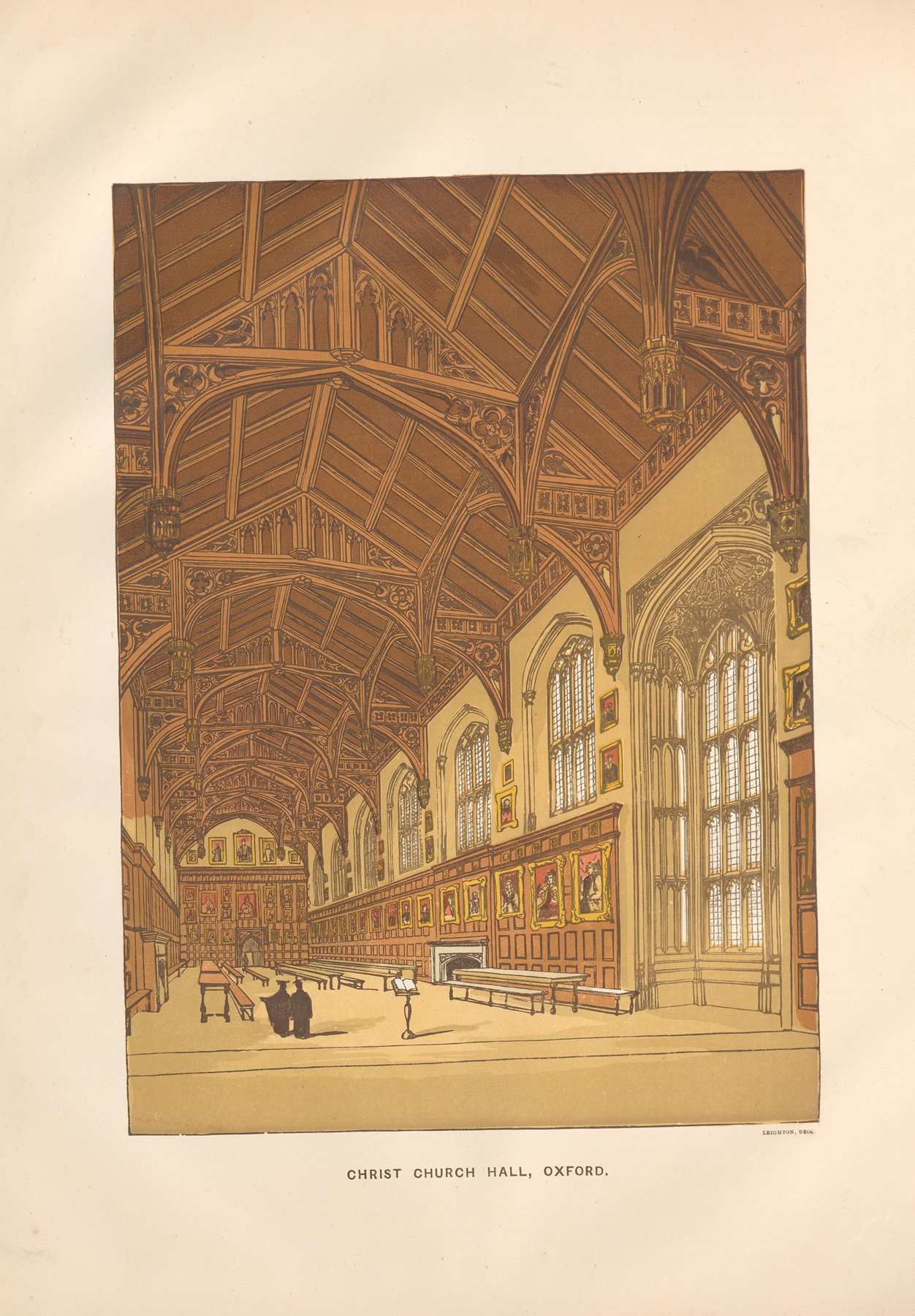
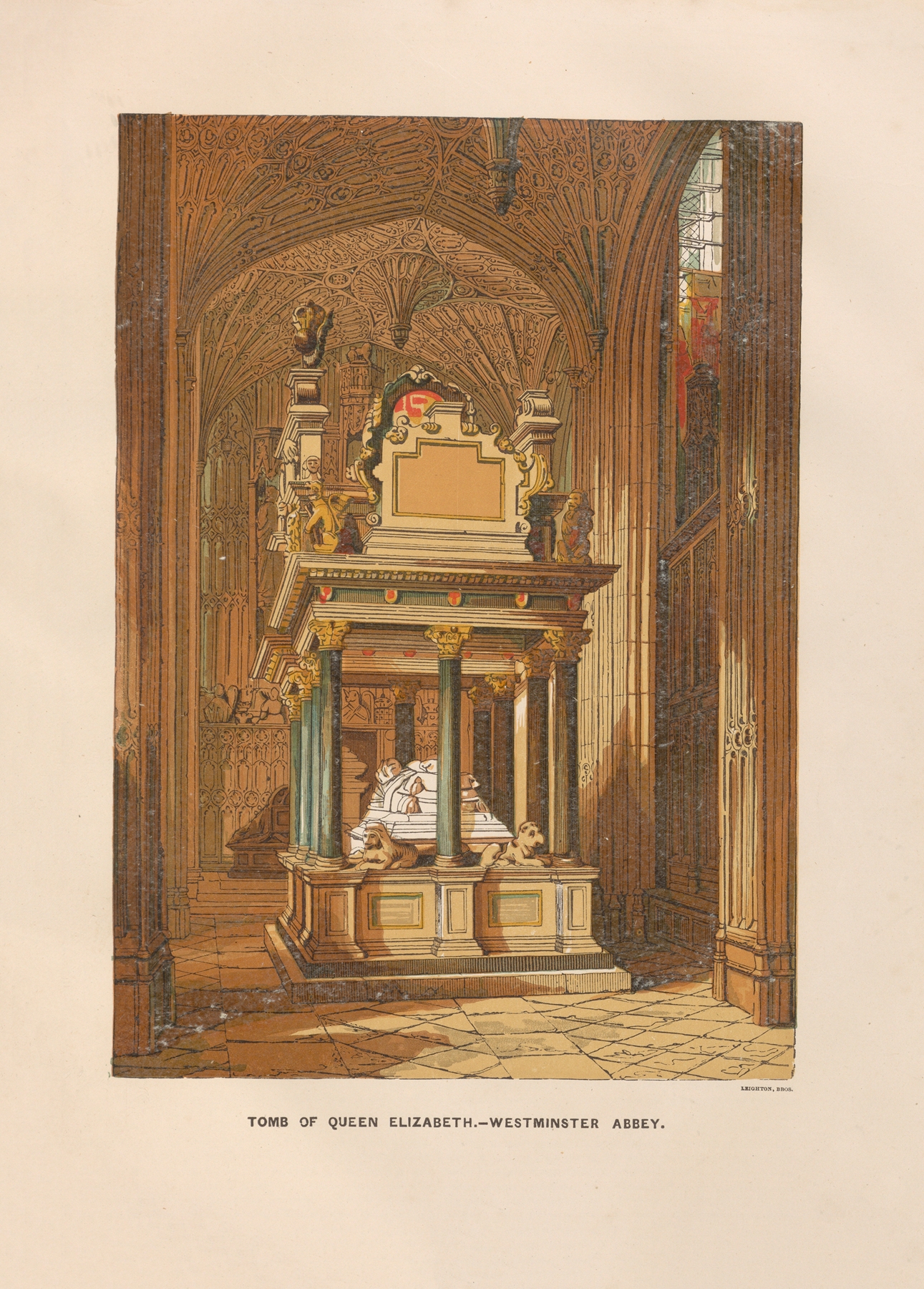
“Sometimes beauty is just pain, disguised in gold.” In St. George’s Hall, Windsor, shadows play an enigmatic role, weaving through the grandeur of the architecture, whispering tales of history and emotion hidden beneath the polished surface. Look to the grand arches that dominate the canvas, their intricate details dancing in the interplay of light and shadow. The warm tones of ochre and gold offer a striking contrast to the darker corners, drawing your gaze along the elegant lines of the hall.
Notice how the sun filters through the windows, casting elongated shadows that stretch along the floor, creating a sense of depth and inviting exploration into the space’s hidden narratives. Yet, these shadows evoke more than just mystery; they mirror the dual nature of the hall itself—a symbol of regality juxtaposed against the passing of time. Each shadow hints at stories untold, moments forgotten, and the weight of history resting heavily in this majestic setting. The golden embellishments, though resplendent, become a reminder that beauty often coexists with melancholy, suggesting that triumph and sorrow are intertwined in the legacy of this place.
In 1864, Charles Knight captured this scene amidst a period of artistic exploration and revival in Britain. Working within the Romantic movement, he sought to blend realism with an appreciation for the emotional depth of architecture. As the nation celebrated its royal heritage, Knight's work resonated with a deeper understanding of time's passage, mirroring both the grandeur of the era and the undercurrents of change sweeping through the art world.