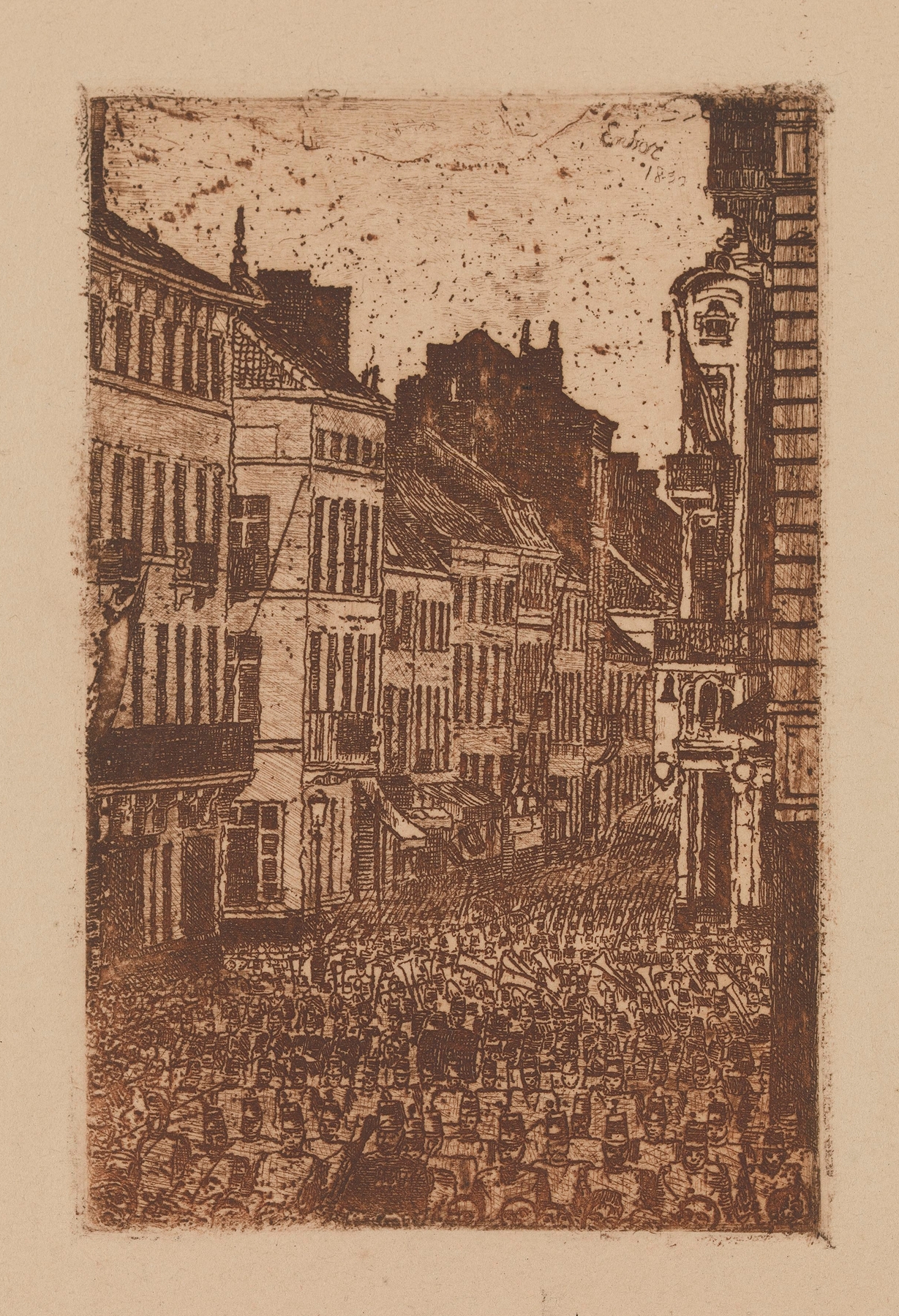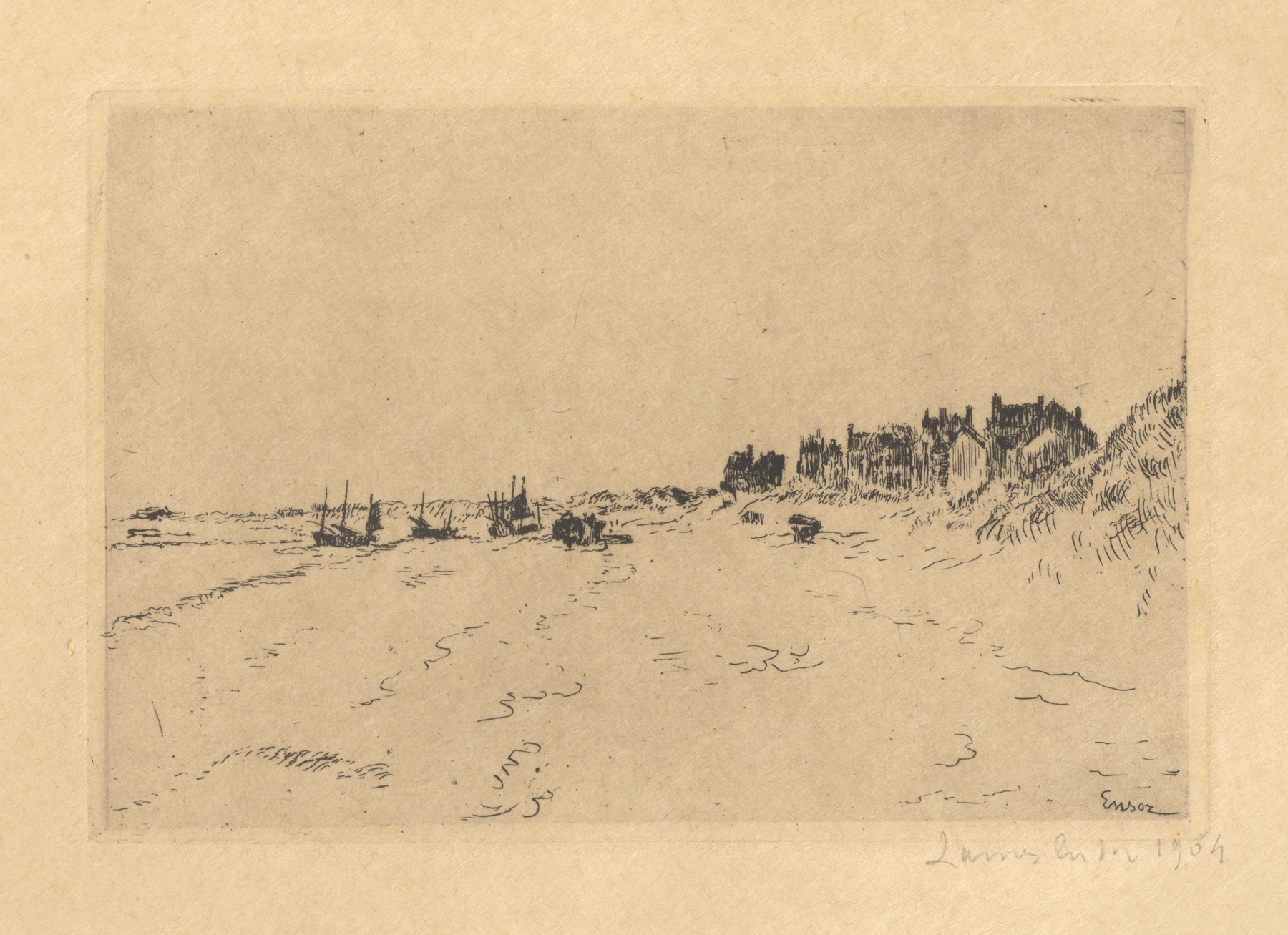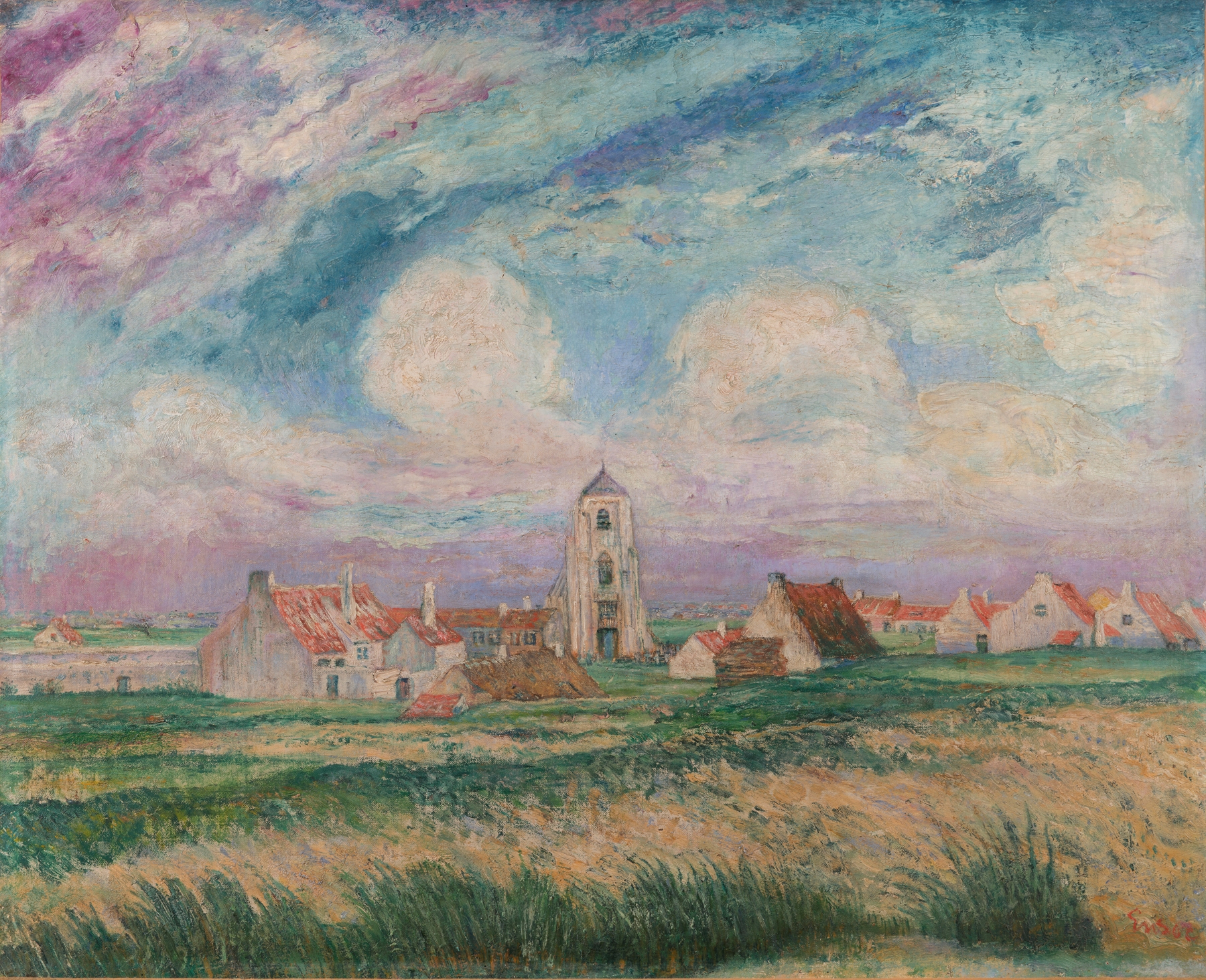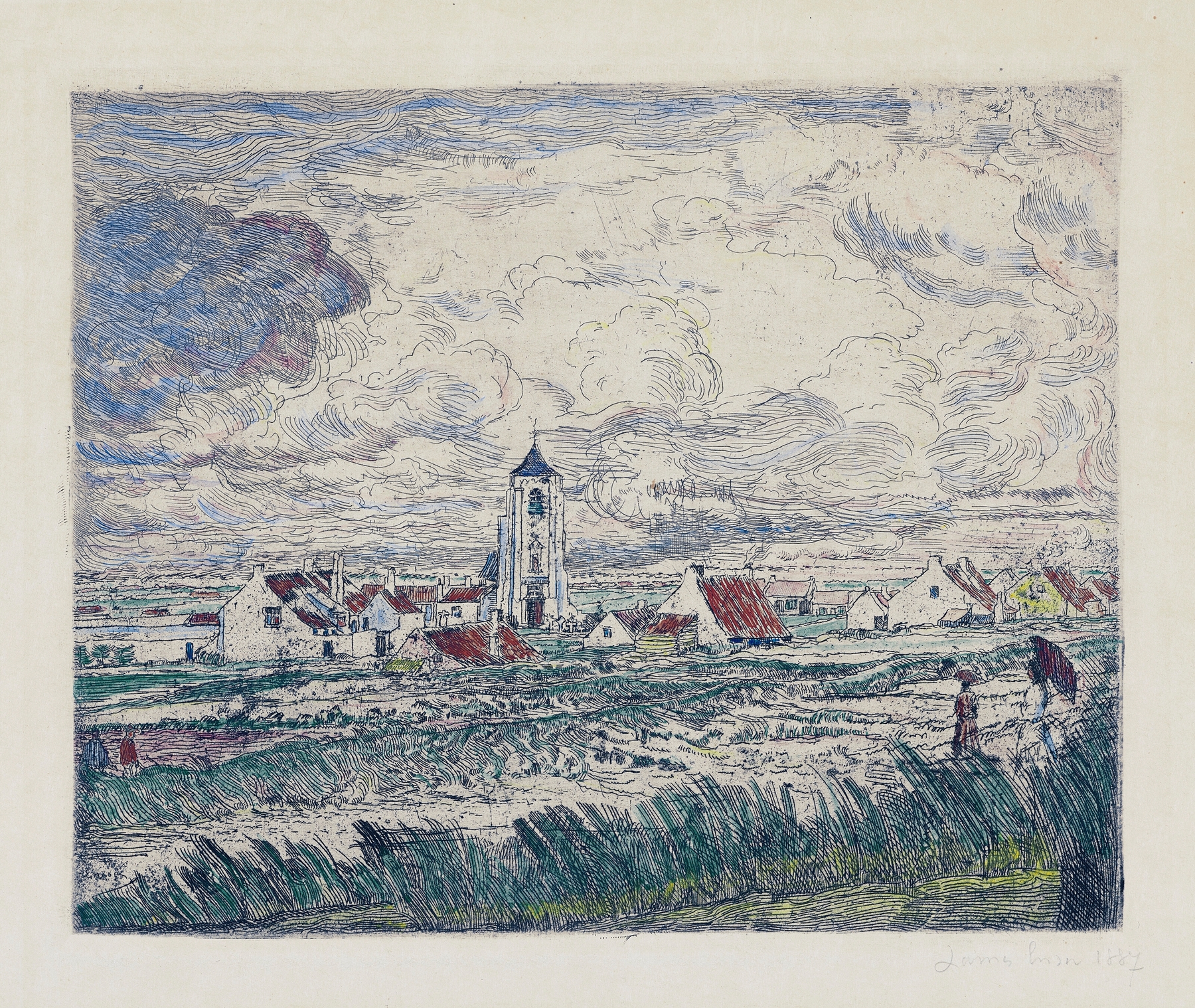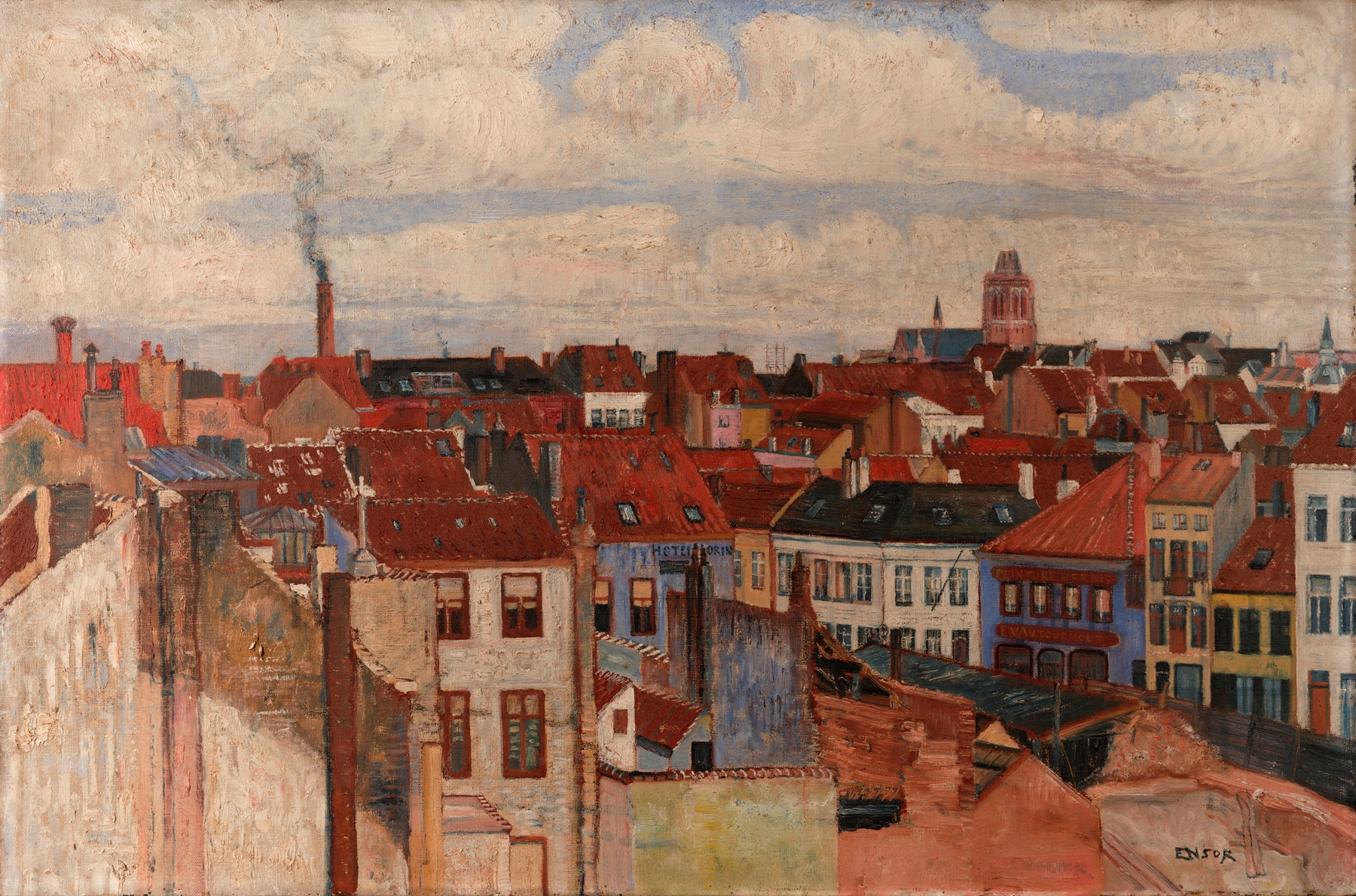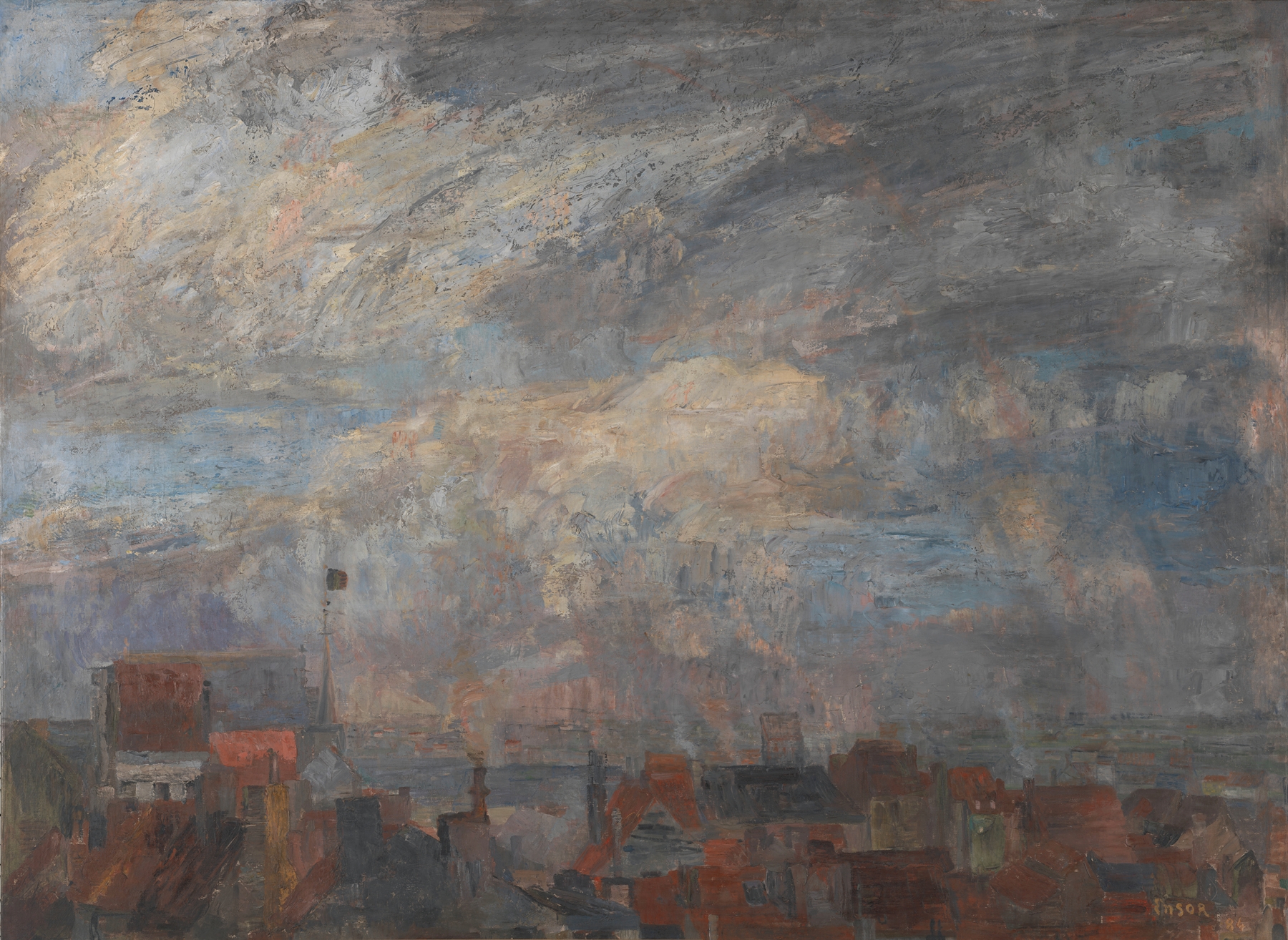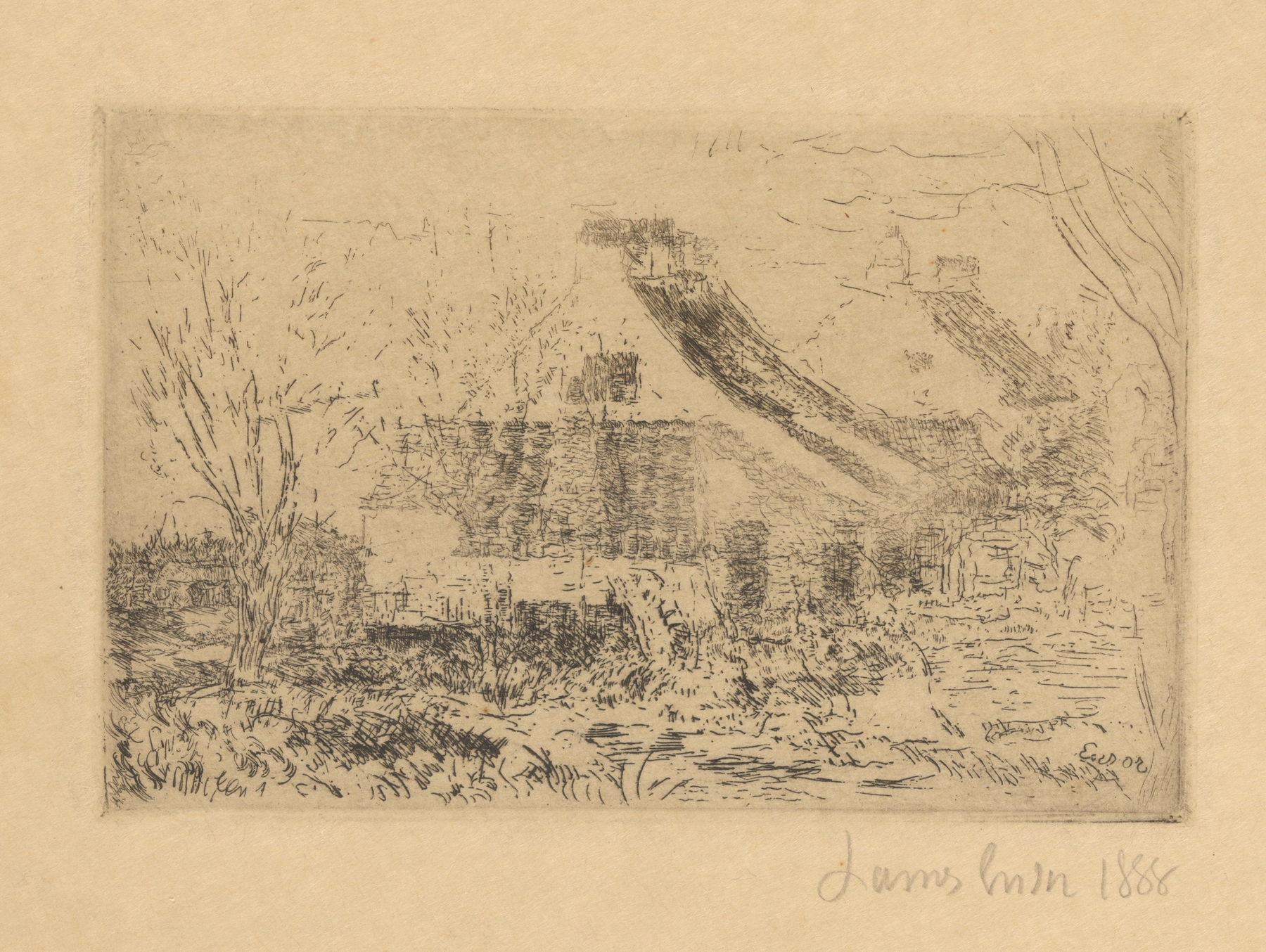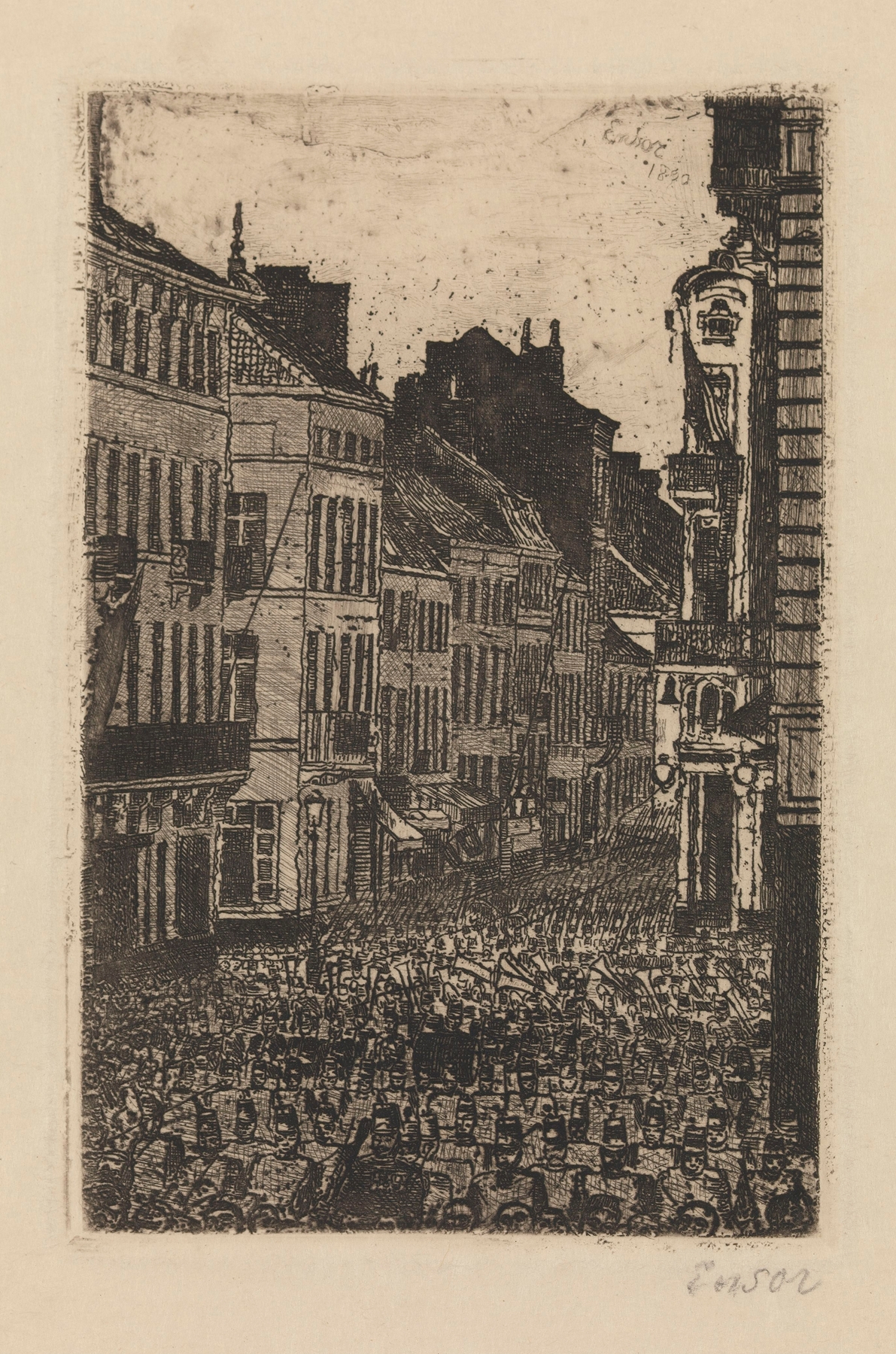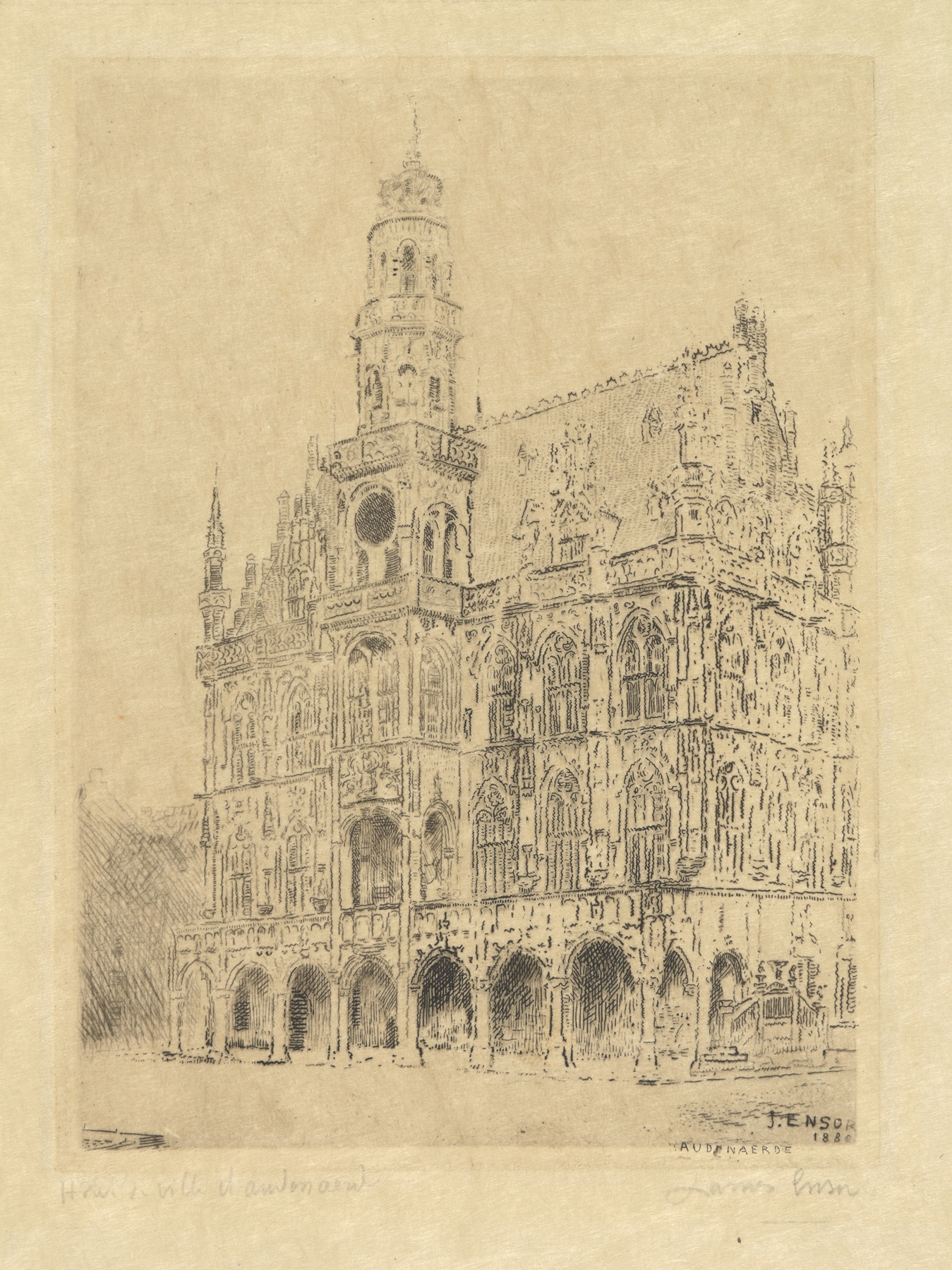
“Every silence here is a confession.” In the heart of chaos lies the echo of abandoned stories and forgotten voices, woven together within the fabric of a bustling town square. Look to the center, where the Stadhuis van Oudenaarde stands resolute, its intricate architecture captured in a cacophony of vivid brushstrokes. The building pulses with life, painted in deep reds and ochres, its ornate details rendered with an almost frenetic energy. Notice how the surrounding figures, rendered in vibrant hues, swirl around the structure, each movement seemingly breaking free from the order of the town's facade. The play of light and shadow heightens the sense of urgency, drawing the viewer’s eye to both the stillness of the building and the frenetic energy of the crowd. Dive deeper into the scene: amidst the apparent chaos, a remarkable contrast emerges. The solemnity of the Stadhuis stands as a testament to authority, while the exuberant figures surrounding it illustrate the human condition—laughing, arguing, mourning, and celebrating. The vibrant brushwork reflects not just the life of the square but hints at the underlying tension of existence, where joy and despair coexist in an intricate dance. Each detail, from the expressive gestures of the townsfolk to the bold colors splashed across the canvas, serves as a reminder of the fragile balance between order and chaos. In 1888, Ensor created this work during a period of great personal and artistic upheaval in his life. Living in Ostend, Belgium, he was influenced by the shifting currents of modernity and the emergence of avant-garde movements. This was a time when traditional structures were being questioned and dismantled, mirroring the whirlwind of emotion and innovation that defined not only his art but the very fabric of society.