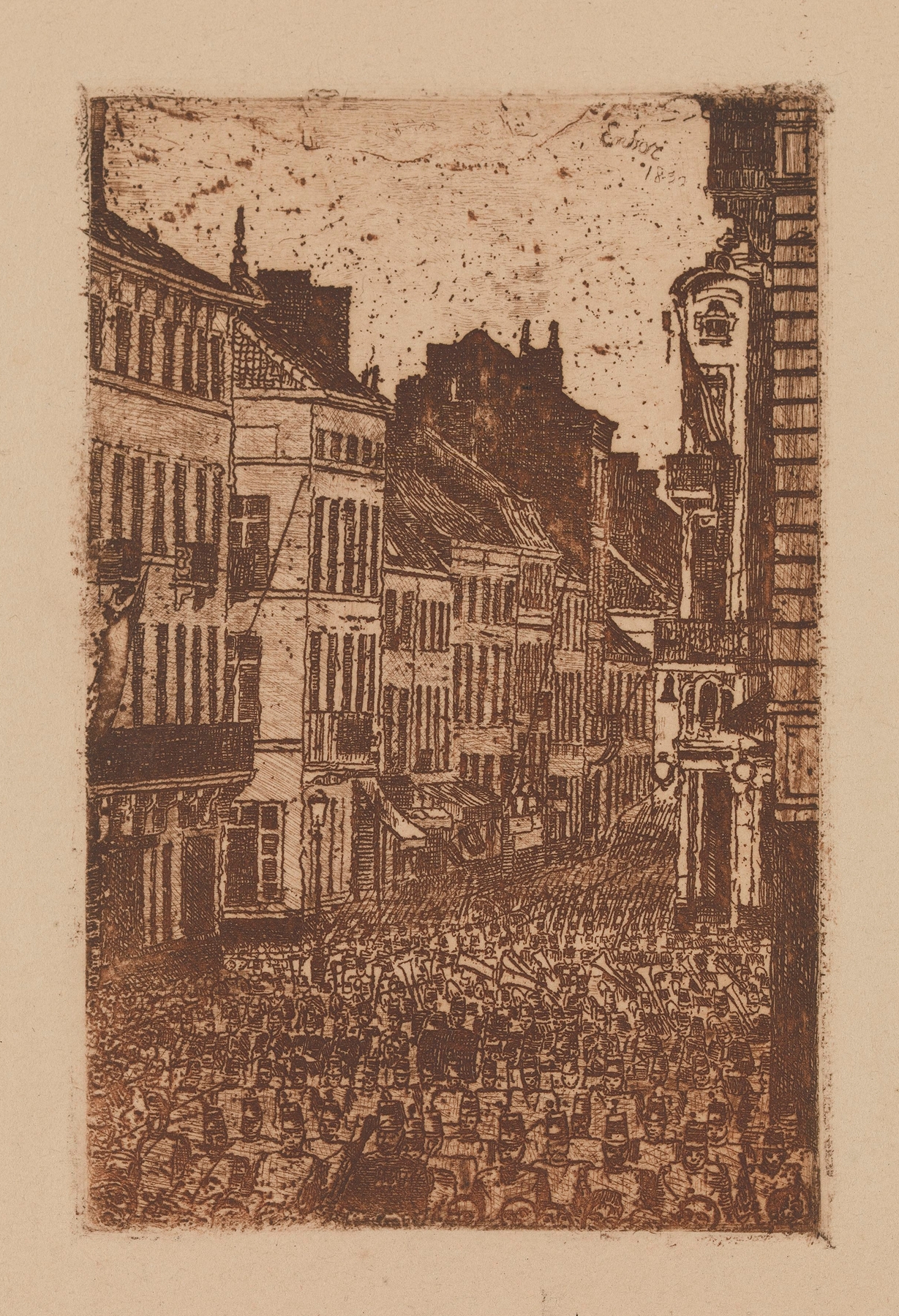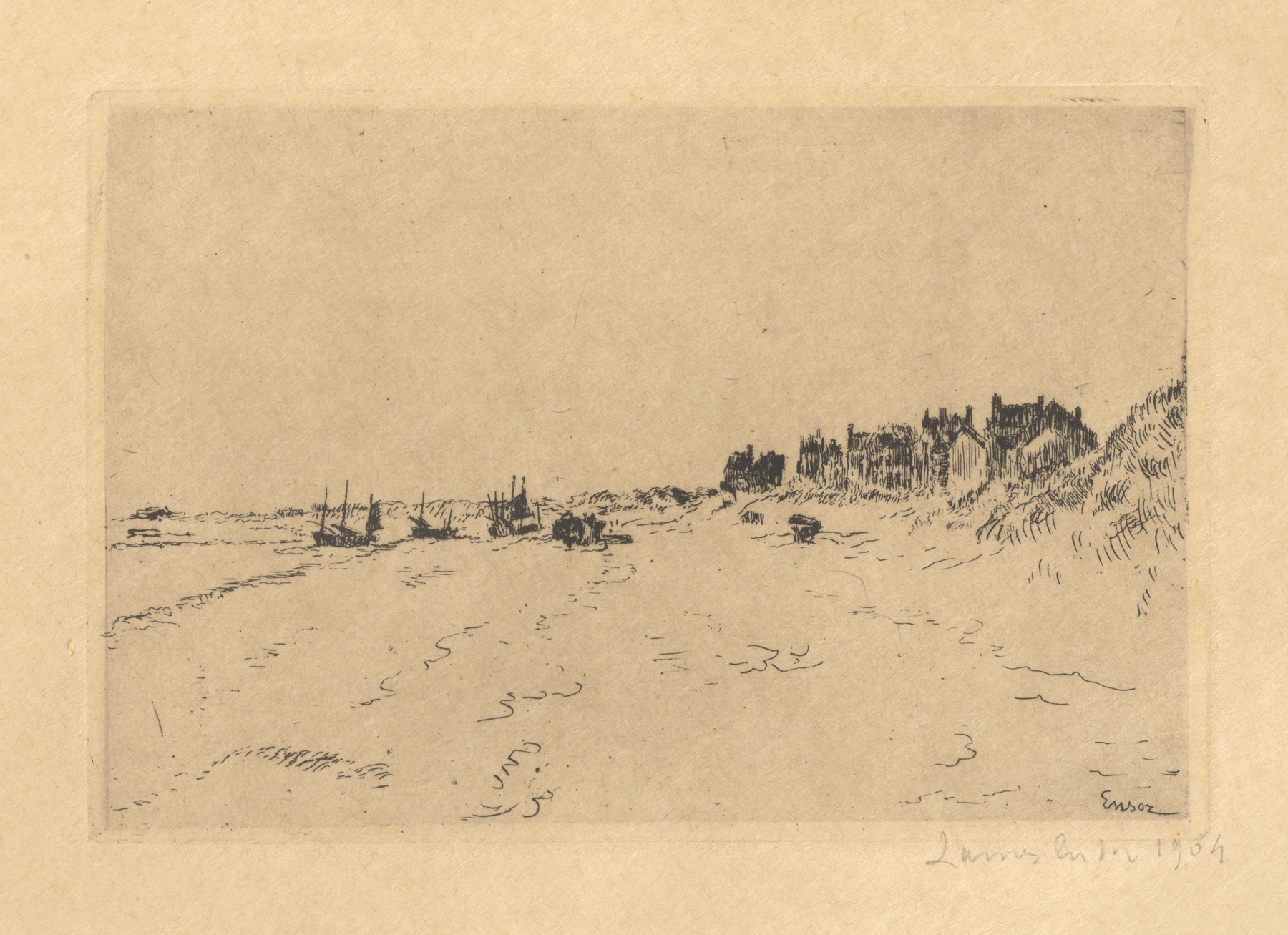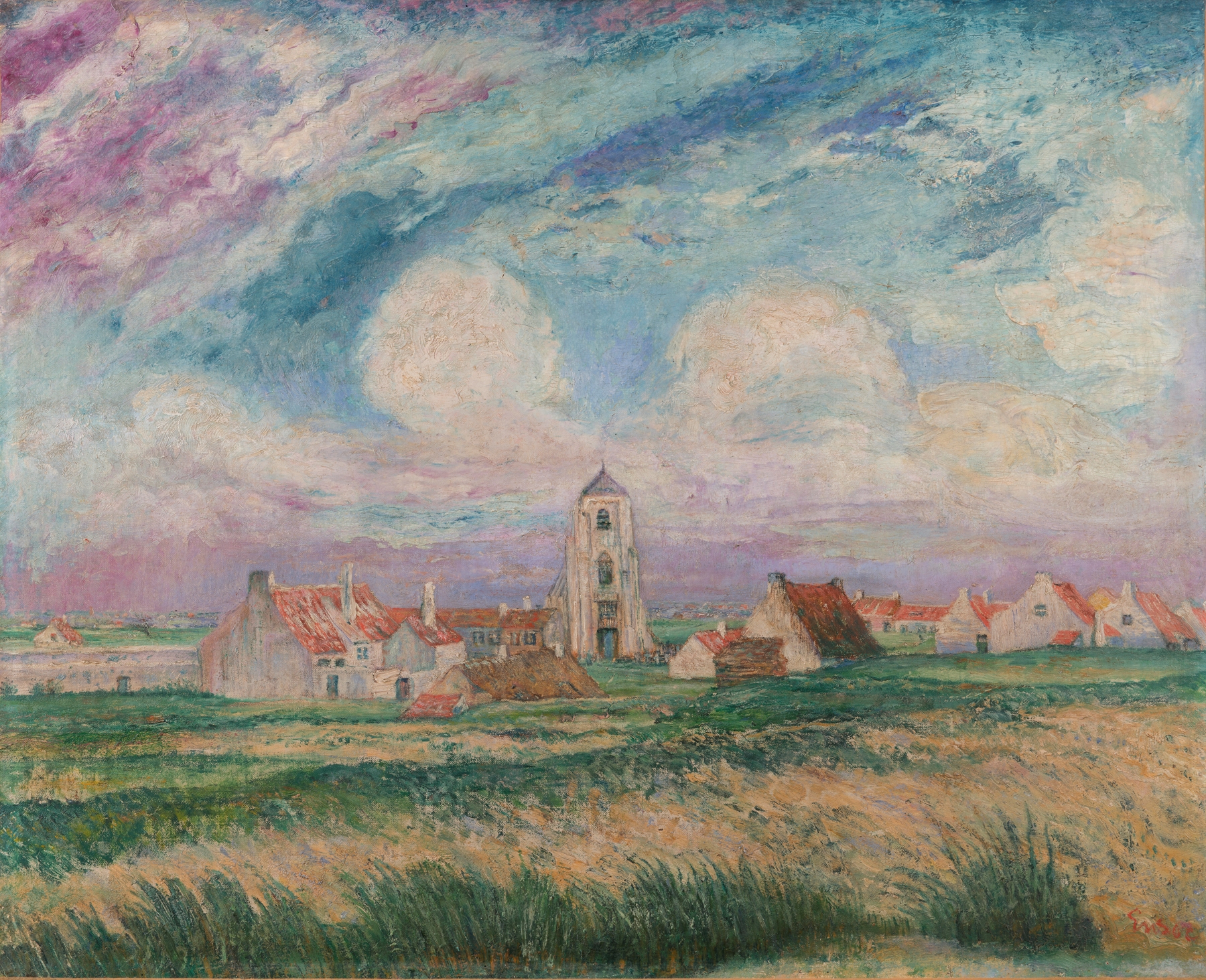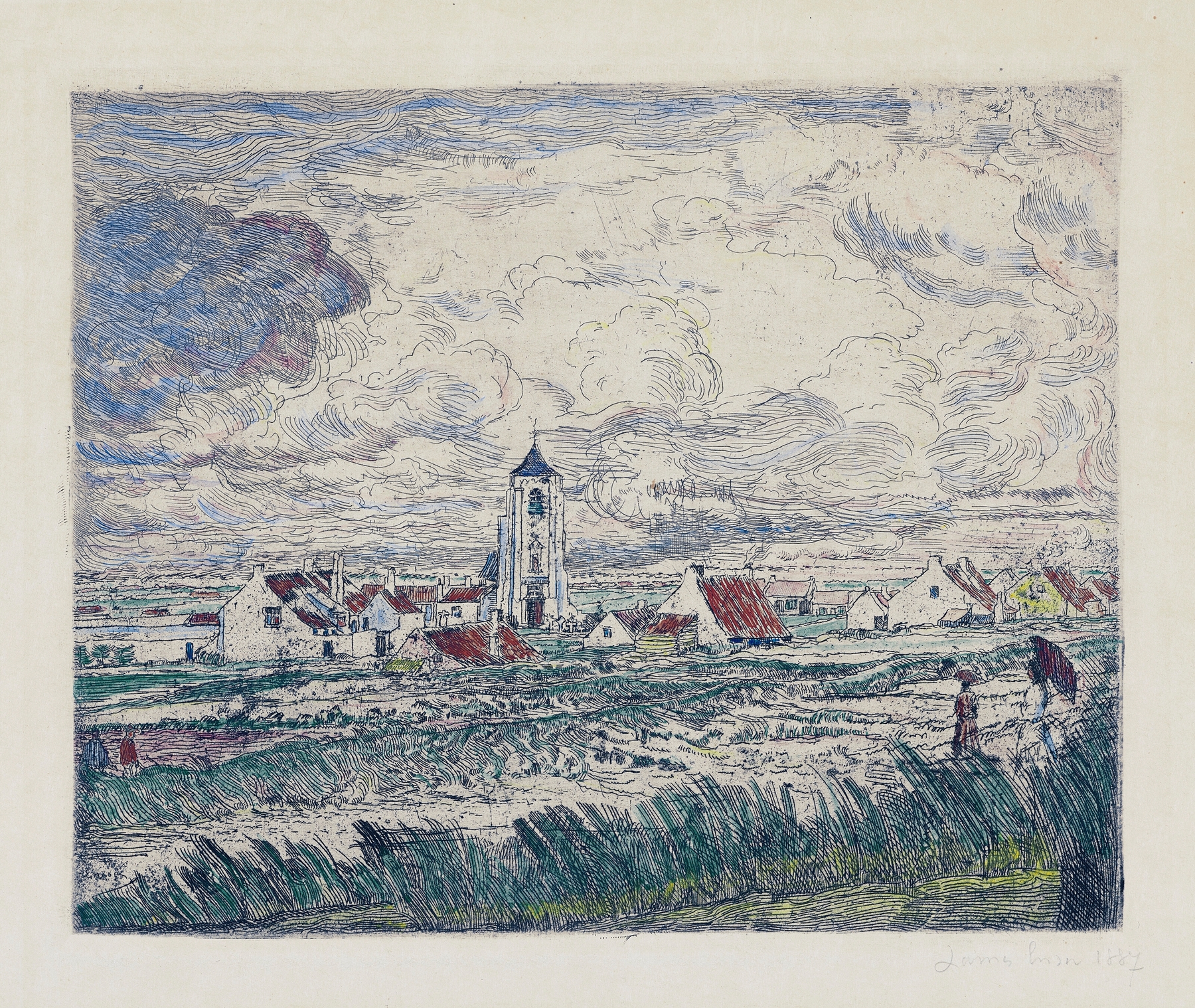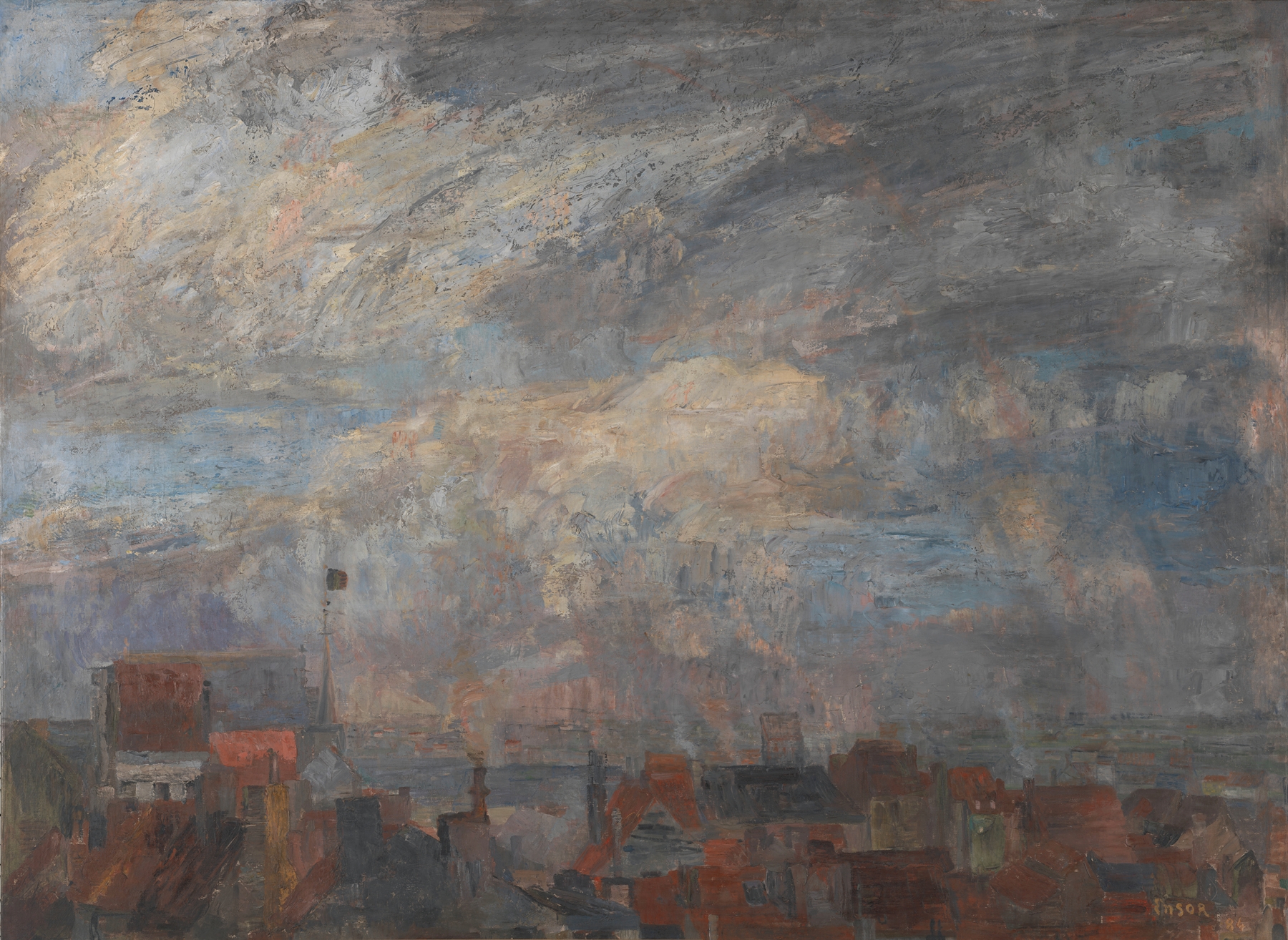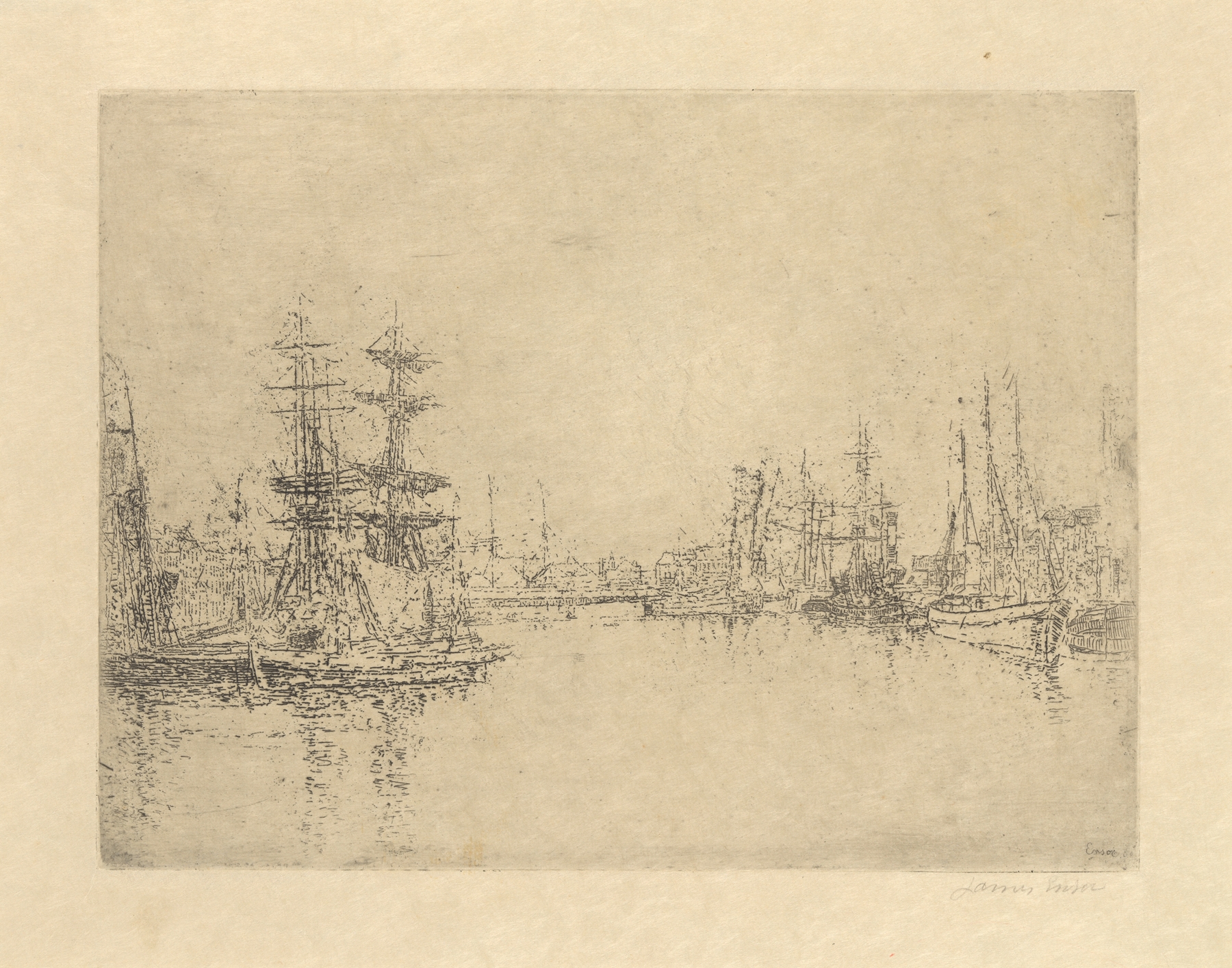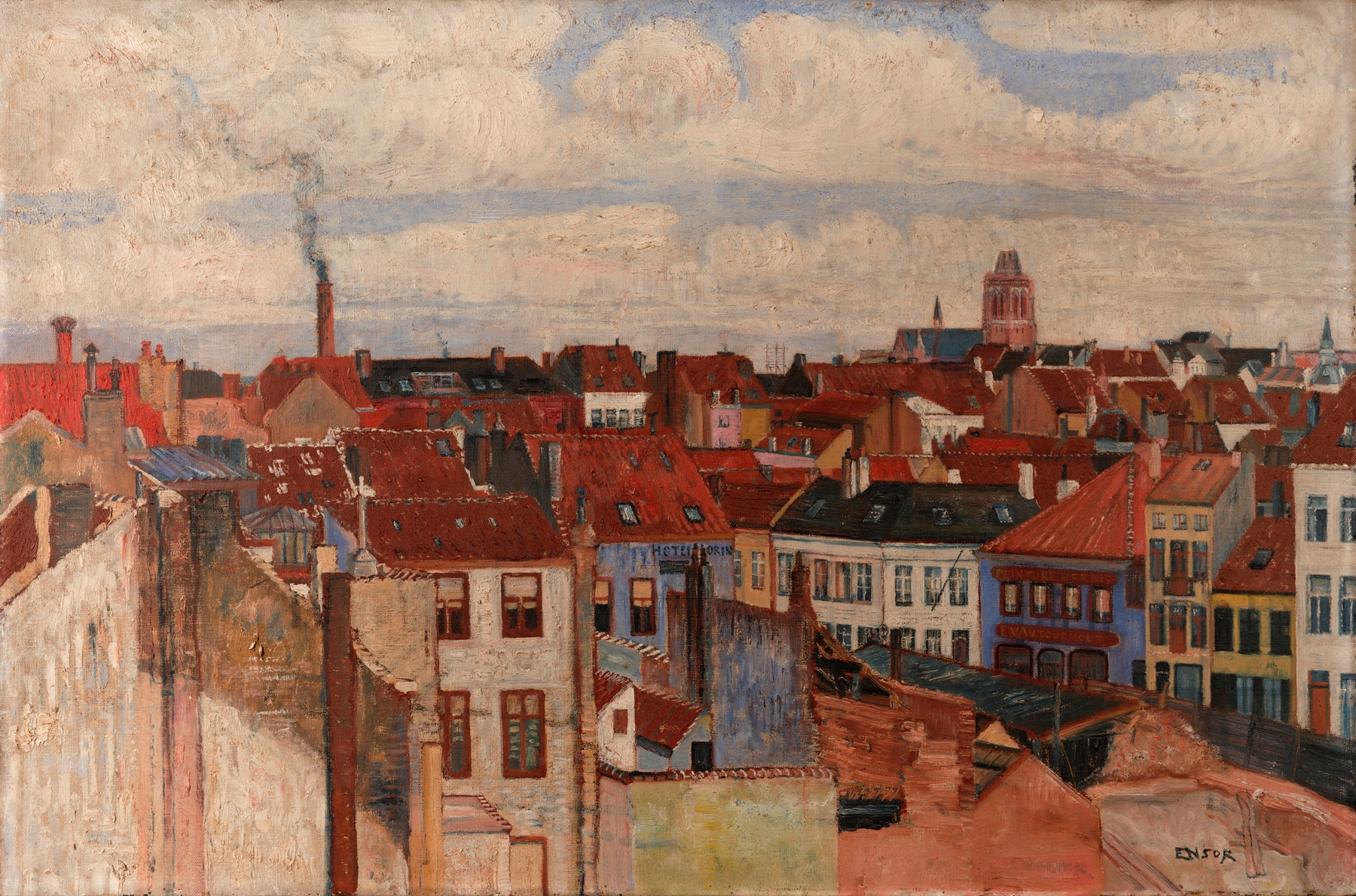
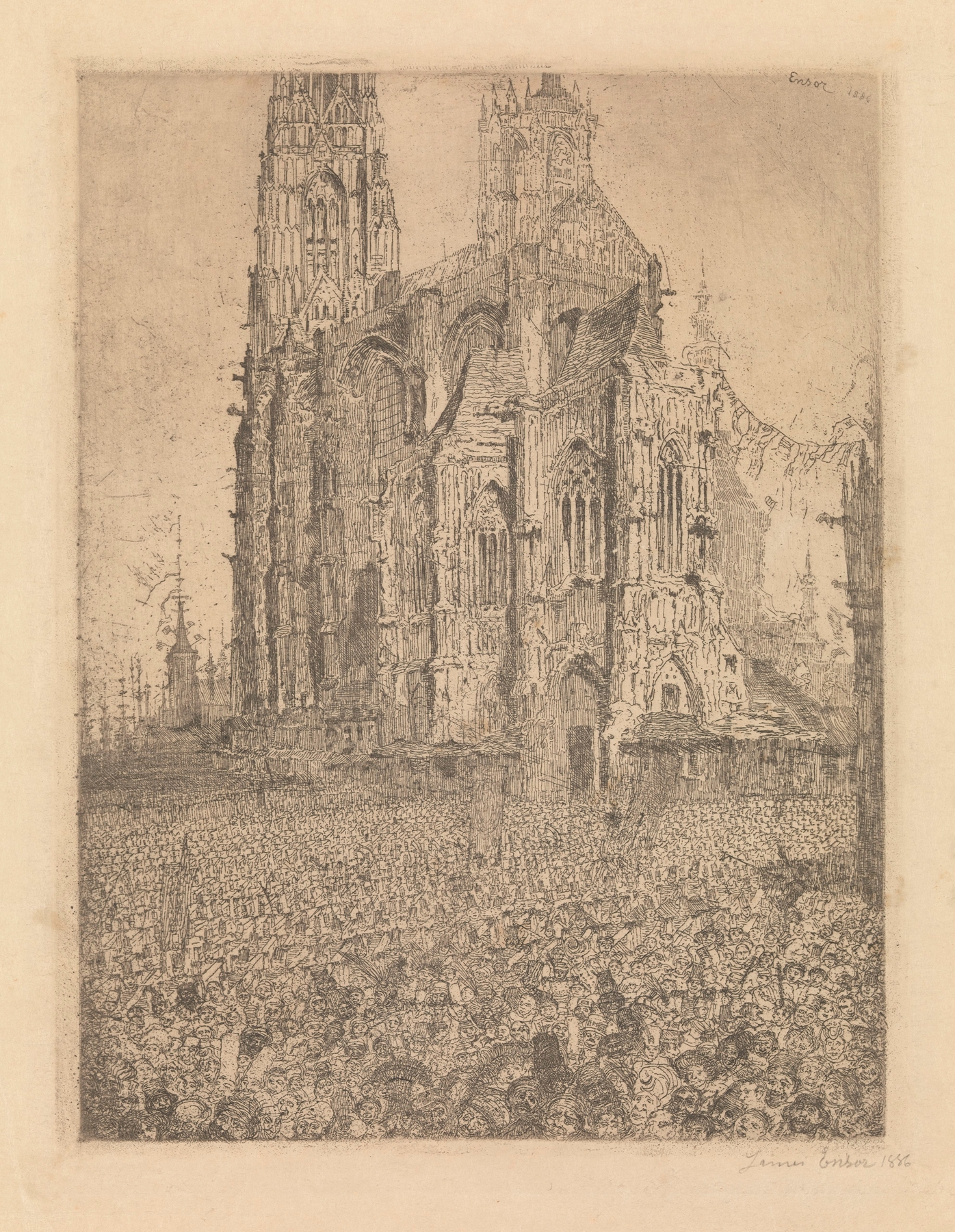
“Every silence here is a confession.” In the quiet embrace of an artist’s vision, divinity lingers between the rooftops, waiting to be discovered. Look to the upper left at the wispy clouds that cradle the sky, their ethereal presence contrasting sharply with the angular rooftops below. The muted palette of grays and blues allows for moments of vibrancy—especially the soft ochre that hints at the glow of human existence. Notice how the light filters down, casting gentle shadows that weave through the architecture; this interplay of illumination and design creates a dialogue between the mundane and the celestial. Beneath the surface, the rooftops symbolize a barrier—both physical and existential—between the earthly and the divine. The stark lines of the structures suggest fragmentation, while the expansiveness of the sky above evokes a yearning for transcendence. This tension reveals a complex relationship between humanity's habitual existence and the higher aspirations that linger just out of reach, inviting the viewer to ponder their own place within this world. In 1901, the artist painted this piece while residing in Ostend, Belgium, a time when he was grappling with the evolving modern art movements around him. As he sought to integrate themes of identity and spirituality into his work, this painting emerged as a reflection of both his personal experiences and the broader shifts in artistic expression of that era, capturing a moment where the physical world intersects with the divine.