Stadtpark im Frühjahr — History & Analysis
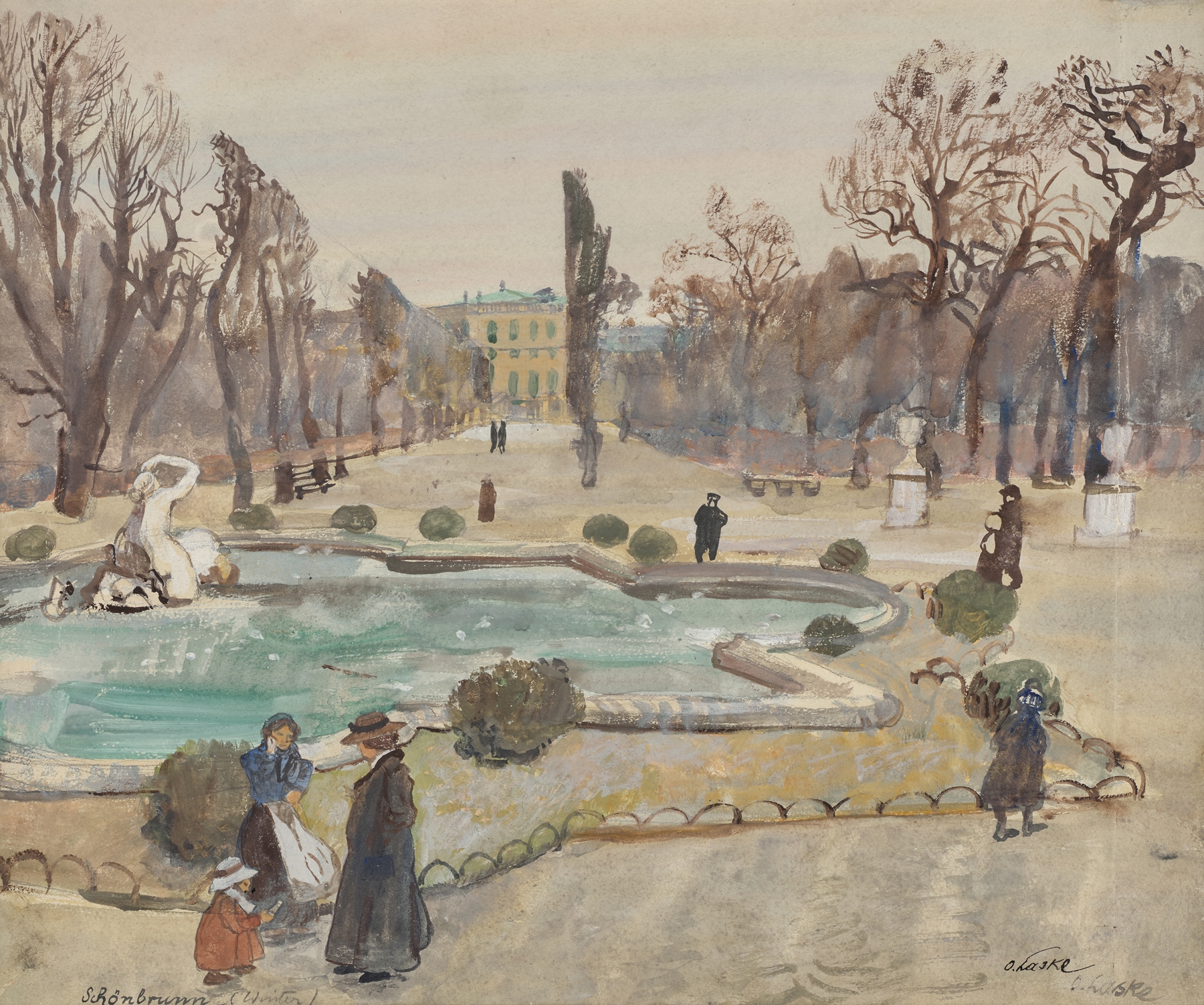
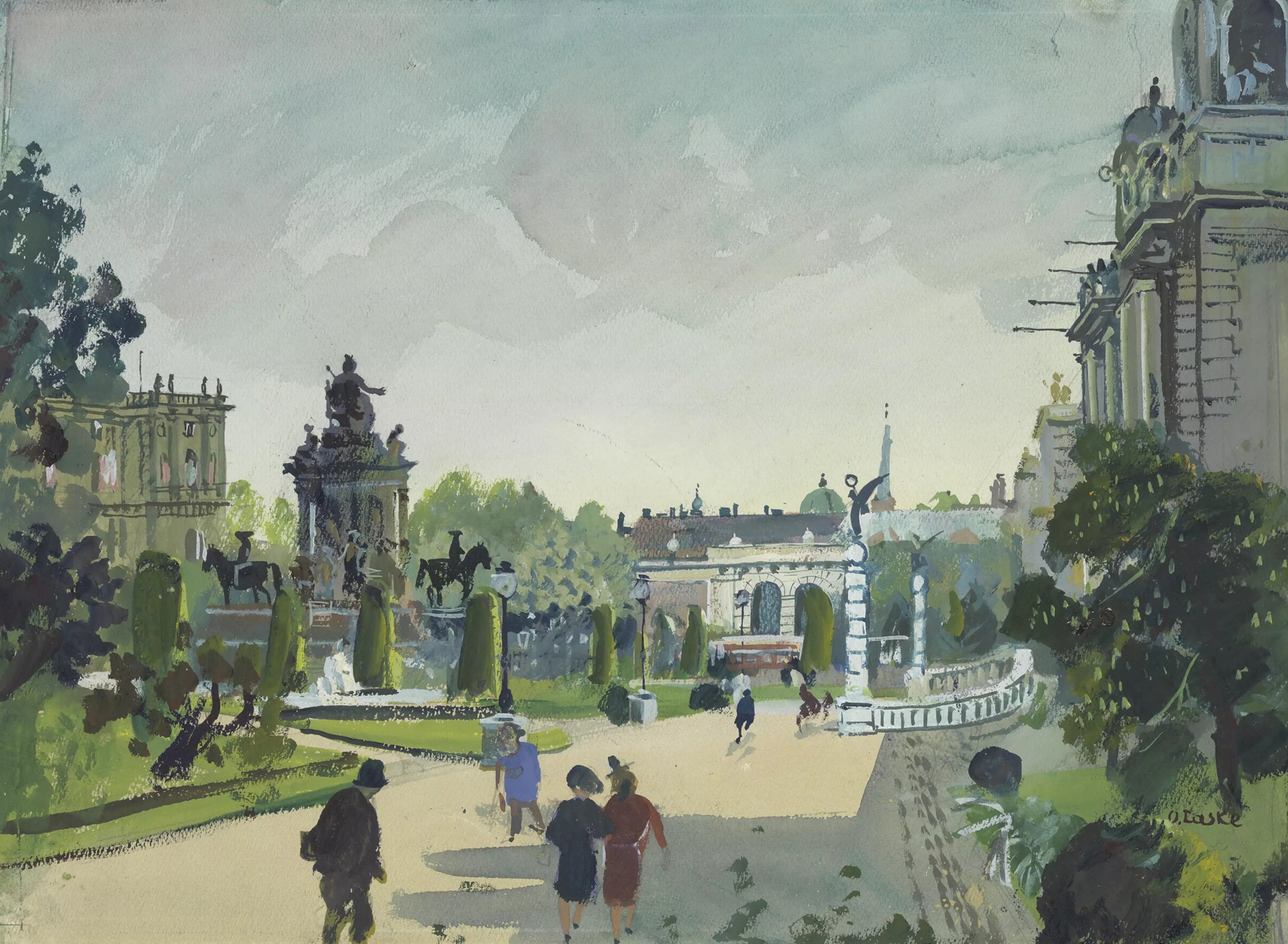
When did color learn to lie? In the delicate dance of spring, lush greens and vibrant blossoms beckon us to believe in a world reborn, yet beneath this façade lies a deeper truth waiting to be unveiled. Look to the lower right, where delicate petals in shades of pink and white unfurl under the soft caress of sunlight. Notice how the artist employs fluid brushstrokes to create a sense of movement, as if the breeze itself whispers through the park. The dappled sunlight plays across the canvas, illuminating dark patches of earth and casting long shadows that stretch, hinting at the tranquility but also the quiet chaos of nature awakening after winter's grasp.
This harmonious composition invites viewers to linger and immerse themselves in the beauty of rebirth. Yet, as the vibrant hues of life surround us, they also evoke a poignant tension. The juxtaposition of the exuberant colors and the subtle somberness in the shadows suggests a fragile balance between joy and melancholy. Each blossom, while a symbol of renewal, stands against the reality of fragility and the inevitable cycles of life and decay.
The park is not just a celebration of spring; it is an invitation to contemplate the transient beauty that holds the weight of deeper meaning. Oskar Laske created this work in 1940, a time marked by upheaval in Europe. Living in Vienna during the rise of tumultuous events, he sought solace in nature, capturing its essence even as the world outside grew darker. This painting reflects both a personal journey and a collective yearning for peace, reminding us of the power of art to transcend the moment and connect us to the enduring cycle of life.