Stimmungsstudie Abend, Michelhausen (Plankenberg) — History & Analysis
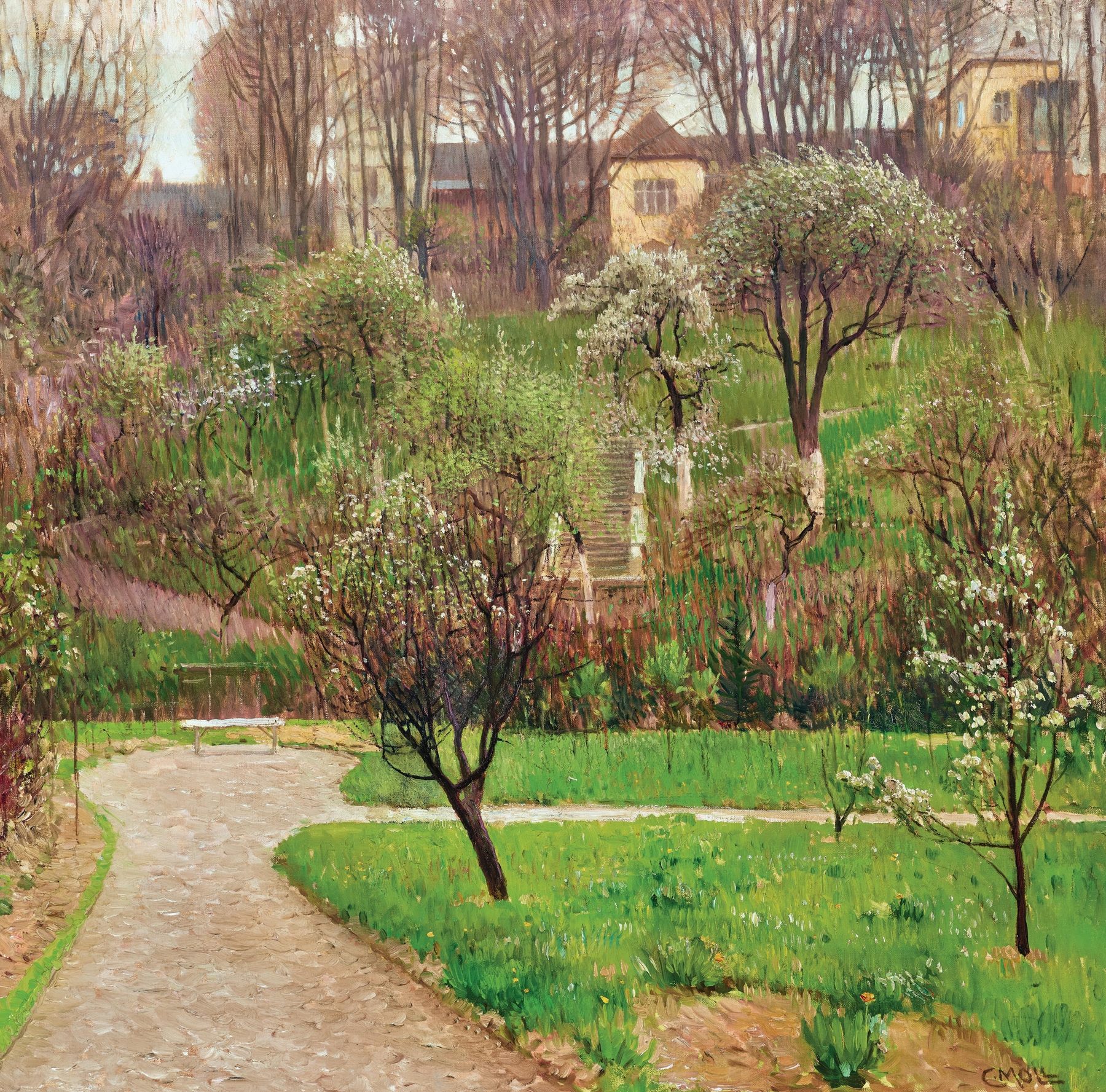
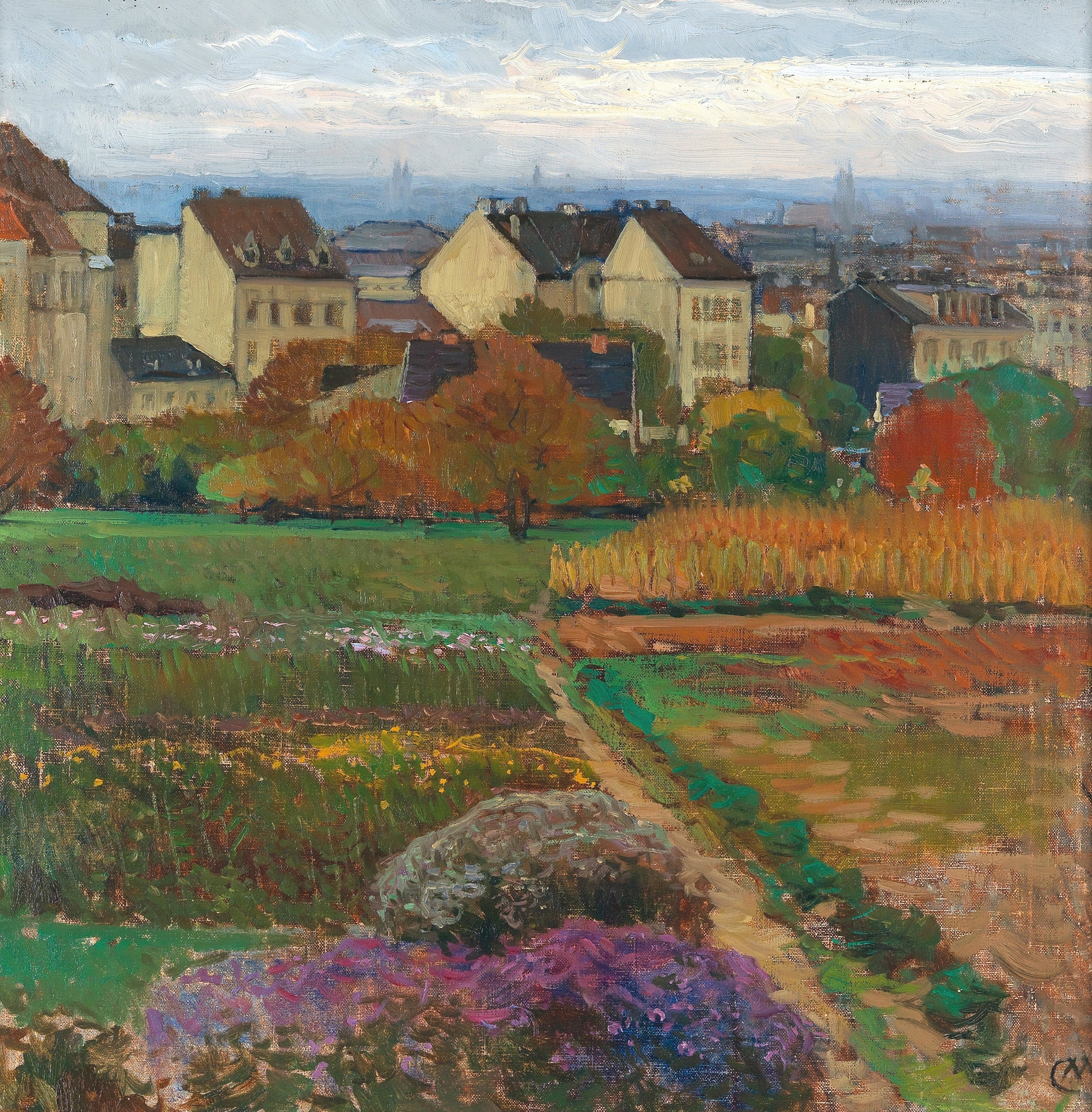
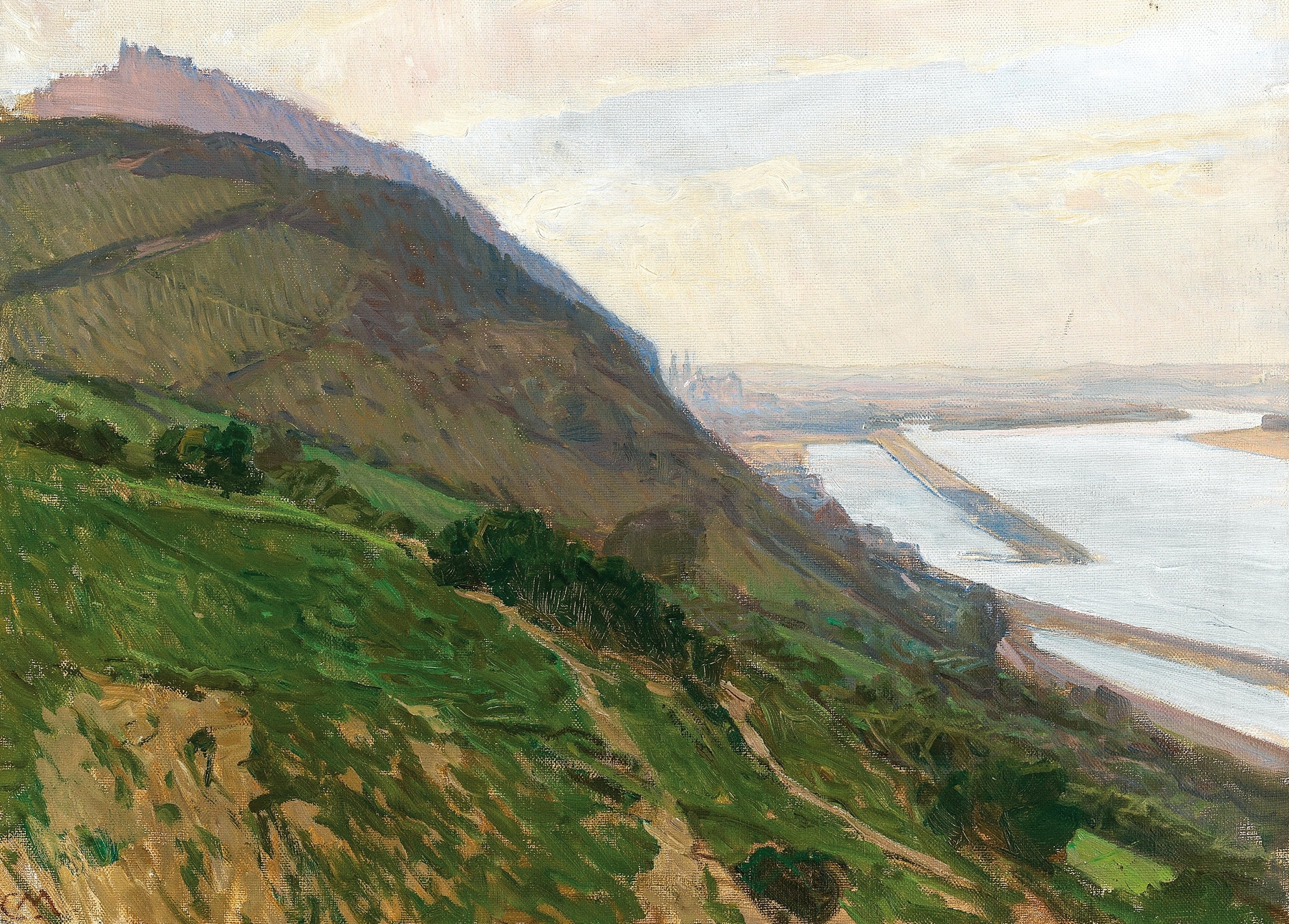
Could beauty survive in a century of chaos? In Stimmungsstudie Abend, Michelhausen, the answer is found in the delicate interplay of color and light, a poignant embrace of both serenity and sorrow. Look to the bottom left, where gentle strokes of muted greens cradle the soft earth, leading your gaze upward. Notice how the sky, a tapestry of dusky pinks and deep blues, evokes a bittersweet twilight. Light spills from the horizon like a whispered promise, illuminating the trees' silhouettes, casting long shadows that stretch across the landscape, suggesting a passage of time.
Each brushstroke captures the fleeting nature of a day, honoring both the beauty of the moment and the inevitable approach of night. In this work, an emotional tension resonates between the vibrant hues of the setting sun and the encroaching darkness, akin to the grief that accompanies loss. The stillness of the scene belies the turmoil within; it reflects a world on the cusp of change. The juxtaposition of light and shadow communicates a deep yearning, inviting the viewer to ponder what remains when the beauty fades.
It speaks to the fragility of existence, where moments of joy are often tinged with sadness, echoing the heart's own bittersweet truth. Carl Moll painted this piece in 1888 while living in Vienna, at a time when the city was a cultural hub burgeoning with artistic innovation. Influenced by the burgeoning expressionist movement and the changing social landscape, Moll's works often explored the intersection of emotion and form. During this period, he sought to express the profound depths of human experience through color and light, and this painting stands as a testament to that quest.