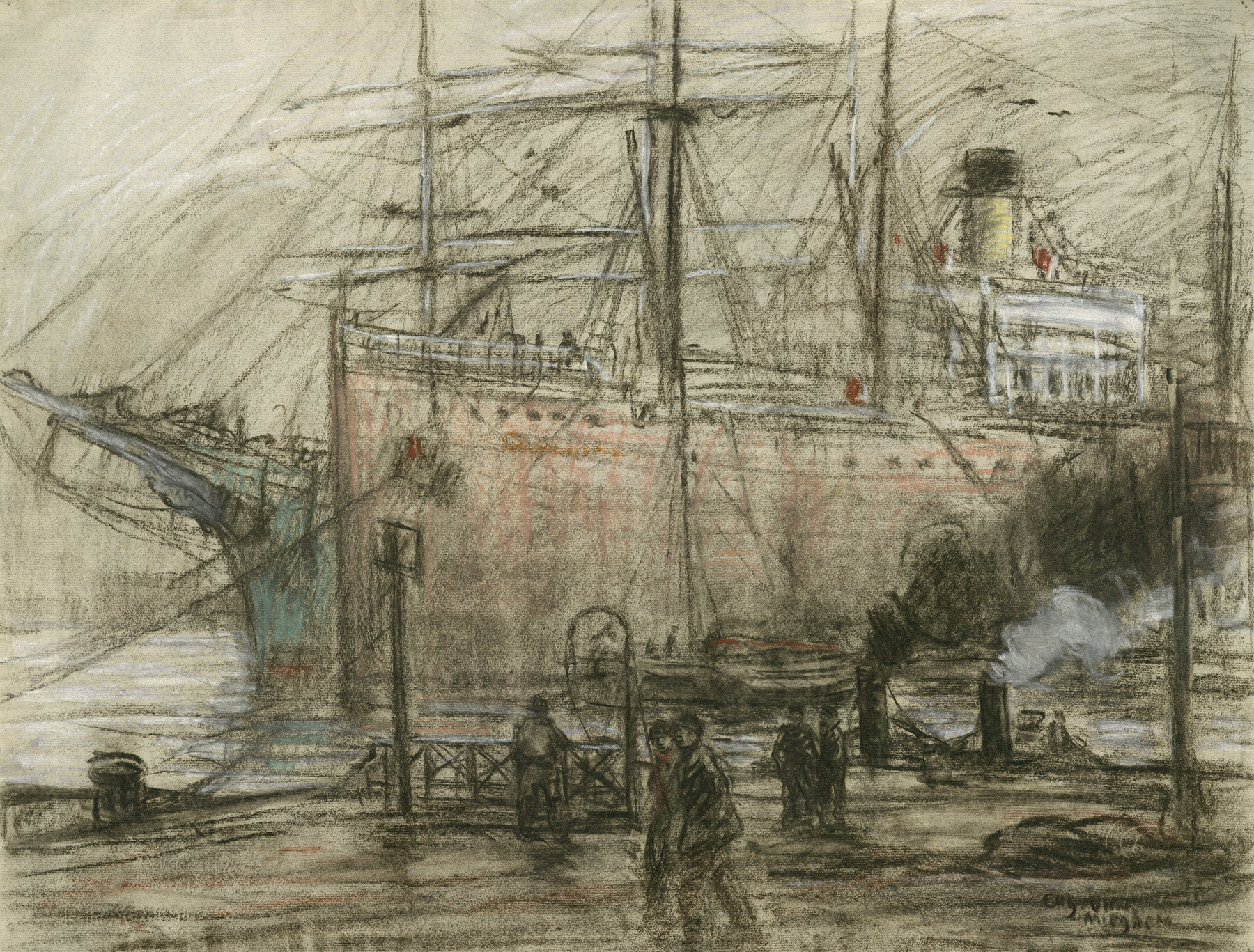
Stoomboten en driemasters in het dok — History & Analysis
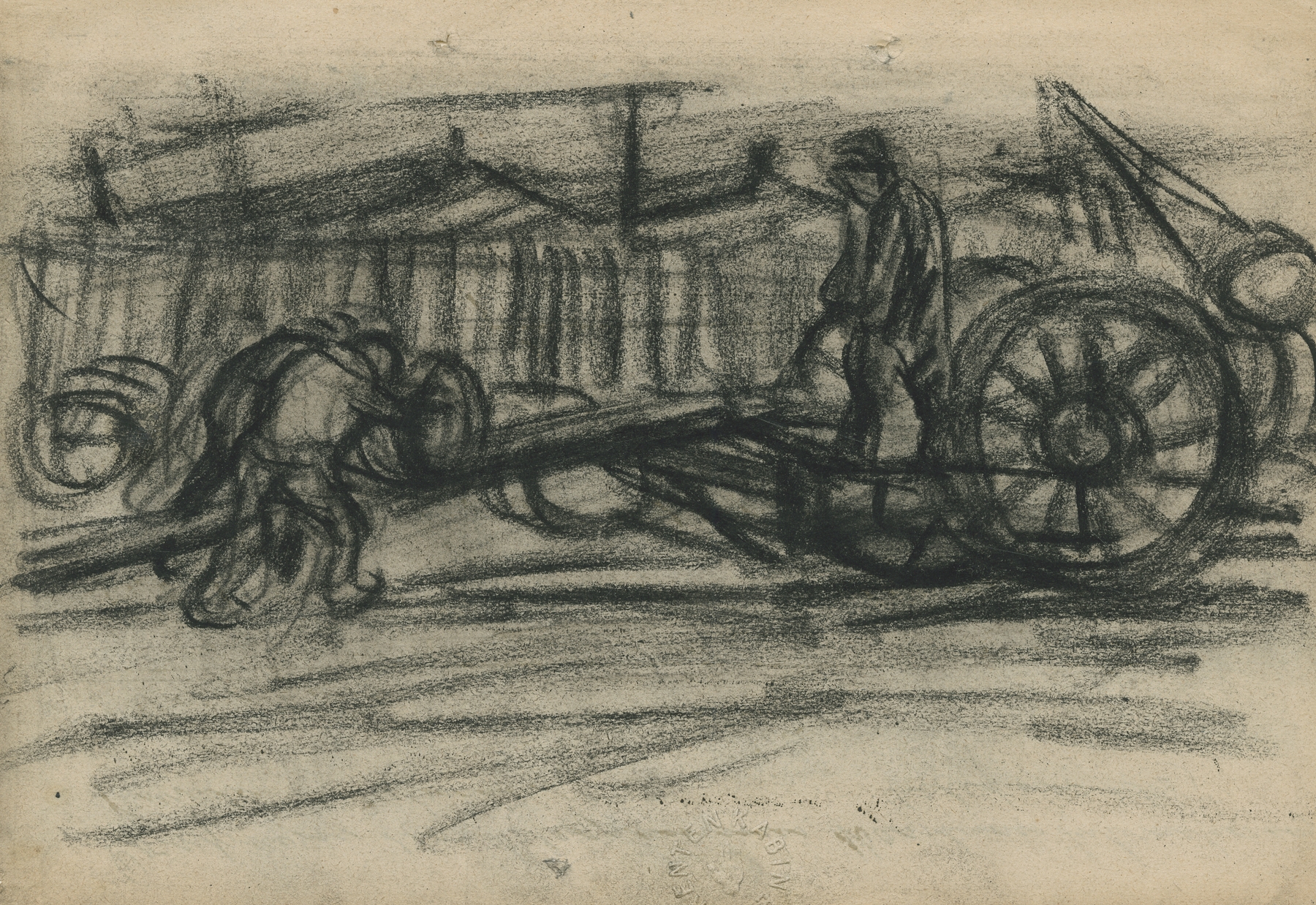
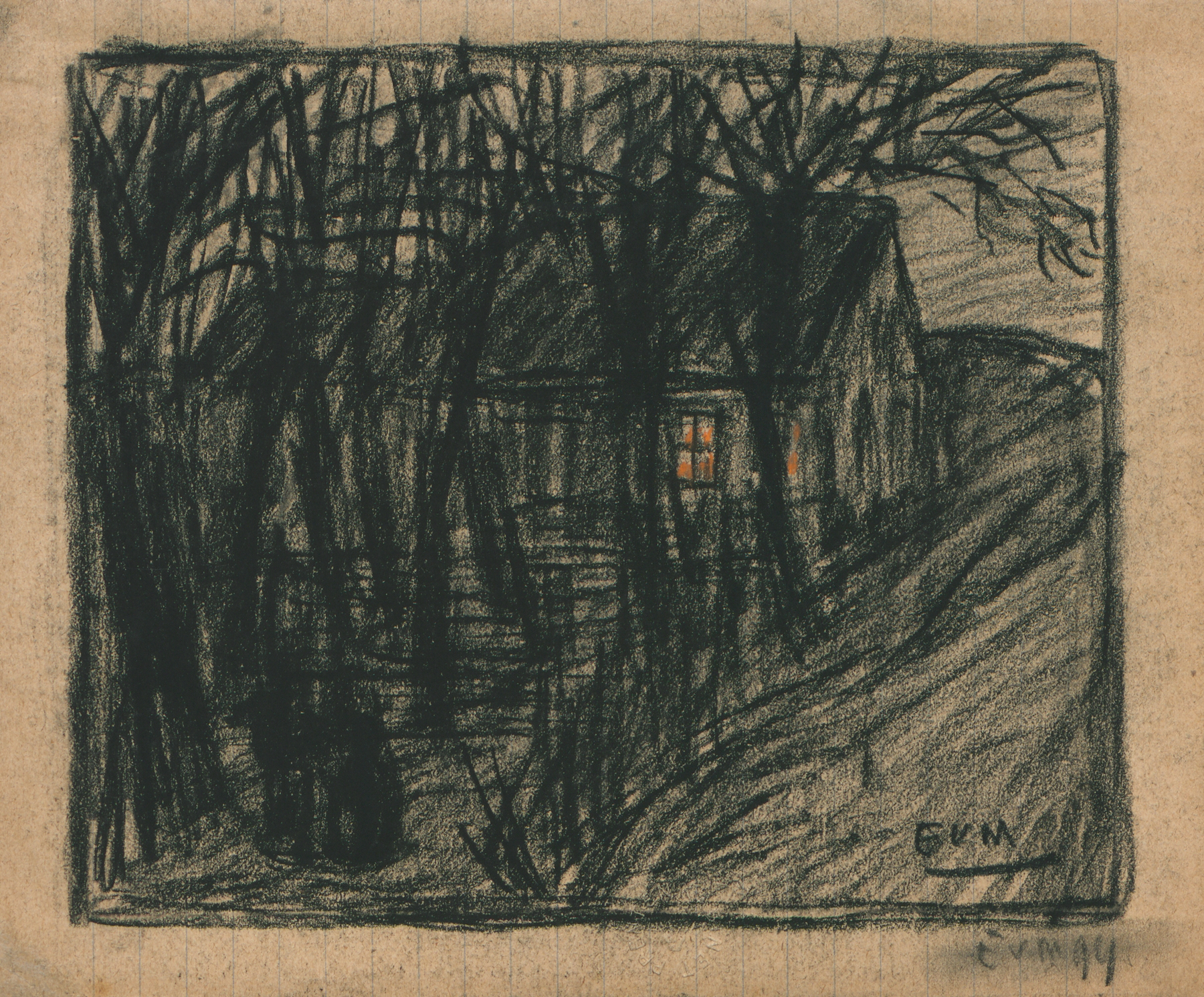
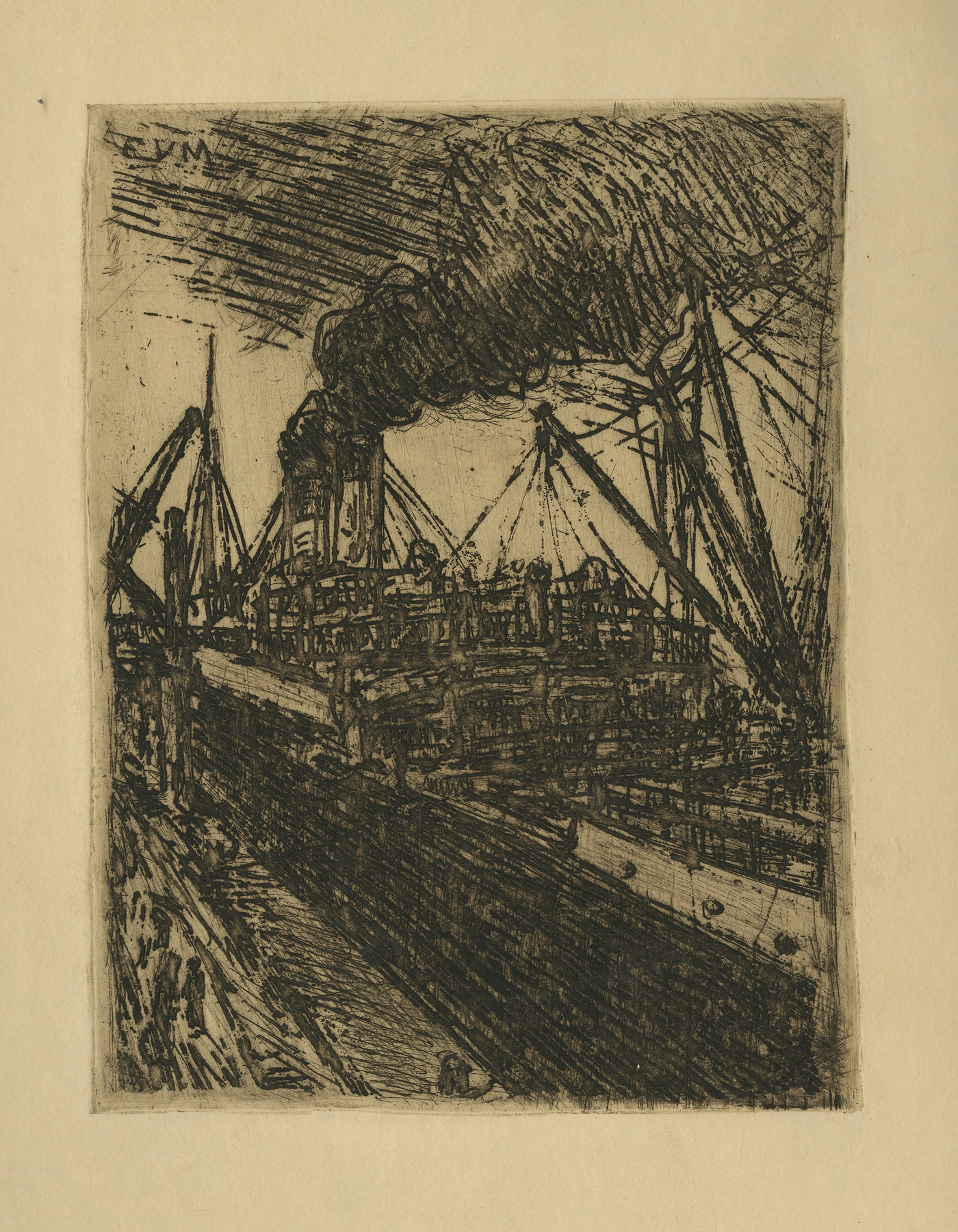
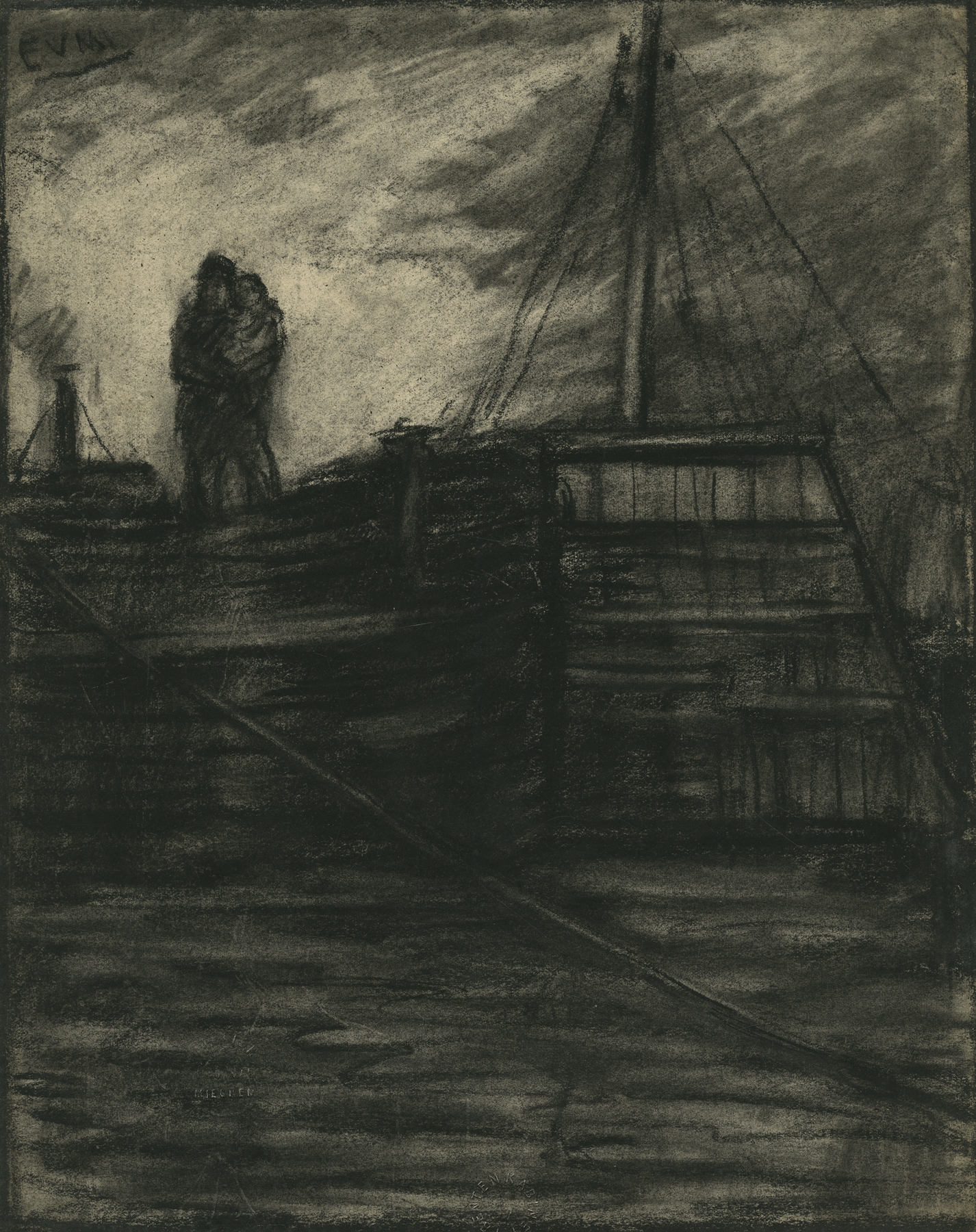
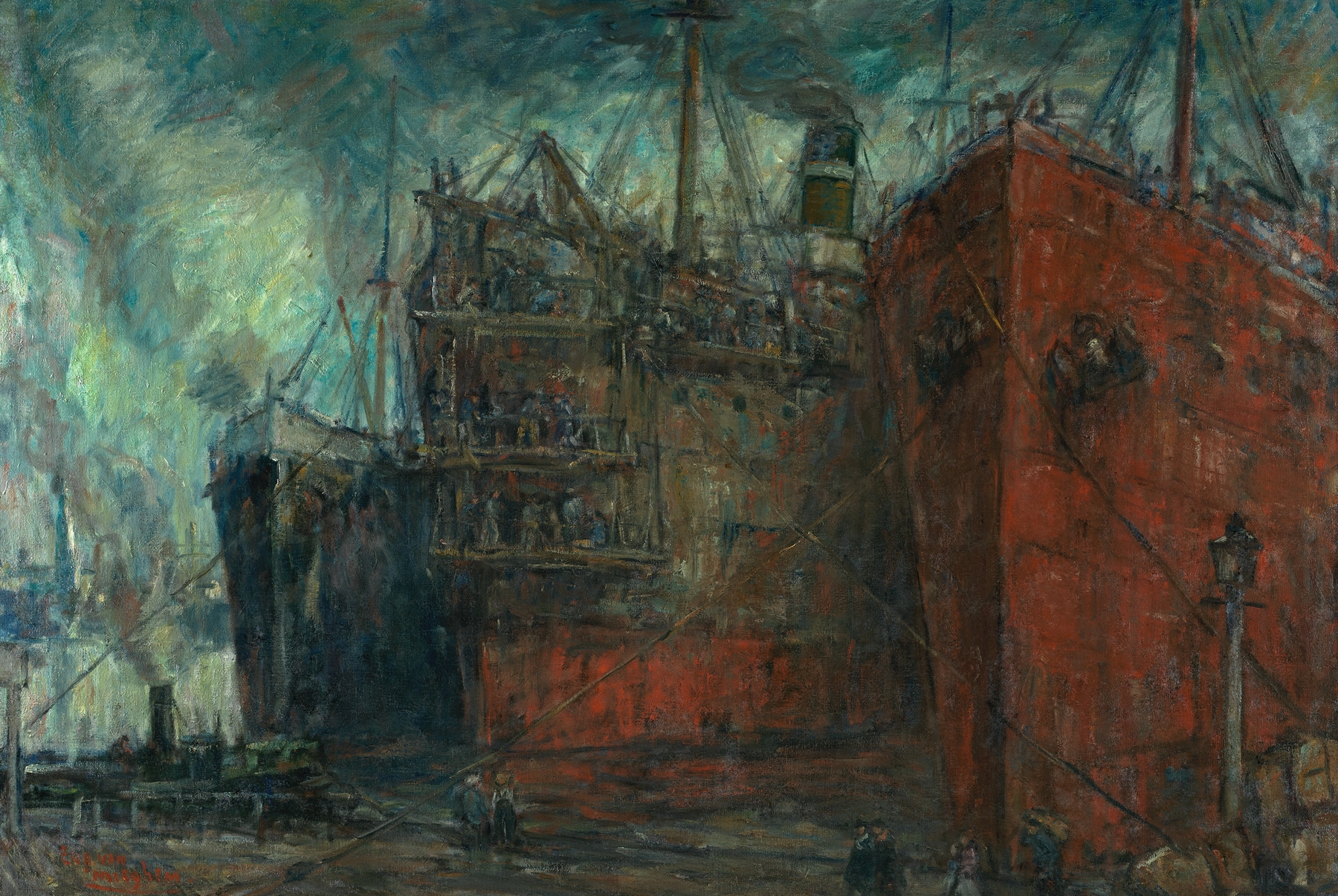
“To paint is to remember what time wants us to forget.” In the world of fleeting moments, we often yearn for the permanence only art can provide. Focus on the intricate interplay of light and shadow in Stoomboten en driemasters in het dok. The dock, bustling with activity, invites your gaze first to the majestic three-masters, their sails poised like whispers against the sky. Notice how the gentle strokes of Van Mieghem's brush bring texture to the water, reflecting the subtle hues of twilight, while the steam boats appear as steadfast sentinels, their presence evoking a sense of nostalgia and industry.
Each element, depicted with meticulous detail, balances within the composition, presenting a harmonious blend of movement and stillness. Beneath the surface, the painting embodies a powerful contrast between the old and the new. The grand ships signify a bygone era of exploration and adventure, yet the steam vessels represent progress and change, encapsulating a world in transition. There is a poignant longing in the way the boats are anchored, as if they are caught between the past's allure and the present's reality.
Additionally, the muted colors speak to a wistfulness, echoing a desire for connection to a time that slips further away with each passing moment. During the late 19th and early 20th centuries, when this work was created, Eugeen Van Mieghem navigated a rapidly changing landscape in both his personal life and the art world. Living in Antwerp, a burgeoning hub of artistic innovation, he witnessed the rise of modernism while grappling with his own identity as a painter rooted in tradition. This complex environment informed his work, leading him to reflect on the industry and heritage that defined his surroundings, creating a bridge between nostalgia and modernization in his art.