Stormy Sea, Brighton — History & Analysis
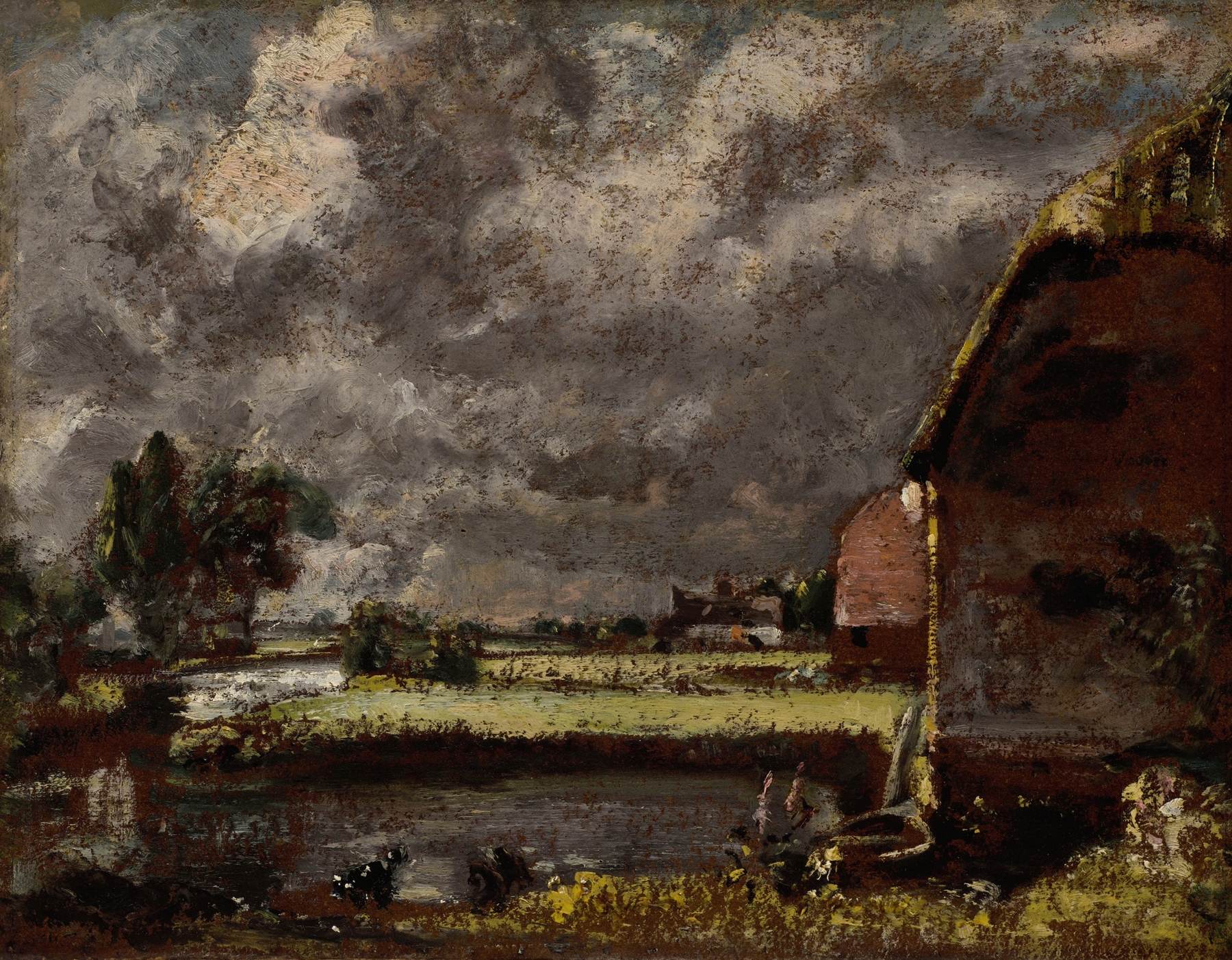
What if beauty was never meant to be finished? In Stormy Sea, Brighton, the chaos of nature rushes forth, challenging our perceptions of calm and order. Look to the swirling clouds that dominate the upper canvas, a tumultuous mix of grays and whites that seem to pulse with energy. Notice how the dark waves below mirror that turbulence, their crests tipped with frothy white, capturing the sea's raw power.
The horizon, barely visible, blends sky and sea into an indistinct line, evoking a sense of impending turmoil. The brushstrokes are energetic and loose, suggesting movement and urgency, drawing us into the scene as if we are standing at the water's edge. Beneath the surface of the storm, deeper meanings lie hidden in the interplay of light and shadow. The waves' ferocity contrasts with the delicate hints of sunlight breaking through the clouds, symbolizing the dual nature of existence — beauty entwined with chaos.
This dynamic tension reflects the artist’s internal struggles and invites the viewer to consider the transient nature of beauty and the sublime, even in the face of destruction. Painted in 1828, during a period when Constable was deeply engaged in refining his technique and exploring the power of nature, this work arrived at a time of personal loss for the artist. Living in England, he faced the challenges of the evolving art world, caught between tradition and the burgeoning Romantic movement, which celebrated the wildness of nature. This piece captures not just a moment in time but the essence of Constable's quest to depict the emotional landscape of his own experiences.